
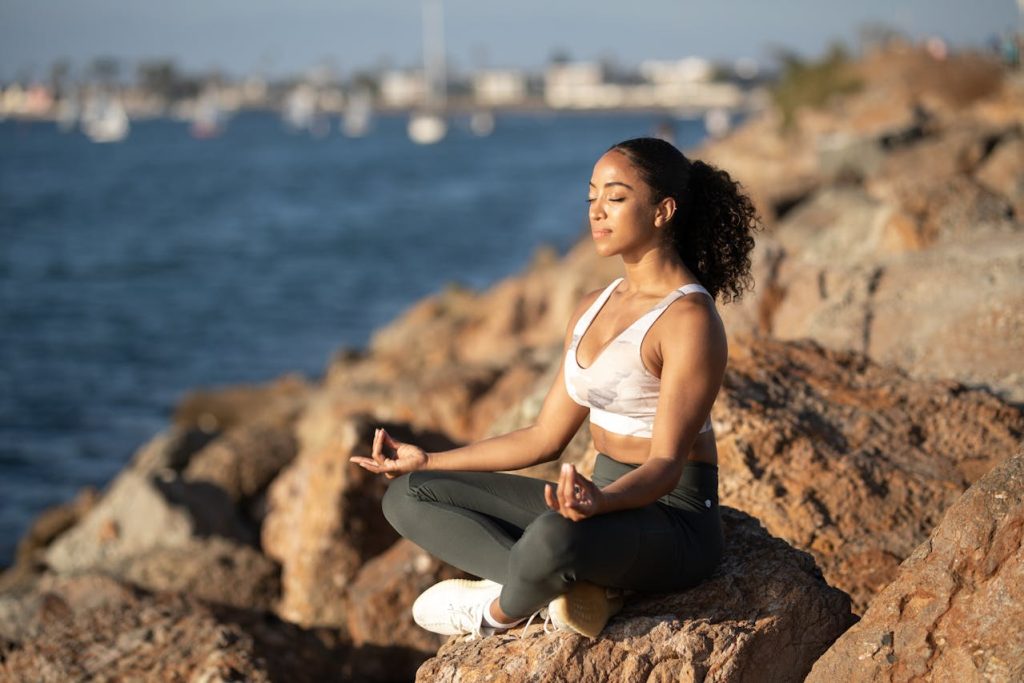
Feeling stressed and mentally overloaded? Discover how mindfulness for overwhelm can help you regain clarity, reduce anxiety, and feel grounded again with practical, science-backed techniques.
Overview
Modern life moves fast. Notifications never stop. Responsibilities stack up. Expectations grow. Whether it’s work pressure, family demands, financial stress, or emotional overload, overwhelm has become a daily experience for many people.
The good news? You don’t have to live in a constant state of mental chaos. Mindfulness for overwhelm offers a simple, accessible, and powerful way to reset your nervous system, calm your thoughts, and regain control—even in the middle of a busy day.
At Mindfulness Meditation Hub, we specialize in helping individuals transform stress into clarity through guided mindfulness practices designed specifically for real-life challenges like overwhelm.
What Is Overwhelm—and Why Does It Happen?
Overwhelm isn’t just “feeling busy.” It’s a state where your nervous system perceives that demands exceed your resources.
You might experience:
- Racing thoughts
- Difficulty concentrating
- Irritability
- Fatigue
- Anxiety
- Emotional shutdown
- Trouble sleeping
When you’re overwhelmed, your brain activates the stress response. Cortisol rises. Your body prepares for “fight or flight.” The problem? Modern stressors rarely require physical action—they require mental clarity.
This is exactly where mindfulness for overwhelm becomes essential.

How Overwhelm Impacts the Brain and Body
When overwhelm becomes chronic, it affects:
The Brain
- Reduced activity in the prefrontal cortex (decision-making)
- Increased amygdala activation (fear center)
- Difficulty prioritizing or organizing tasks
The Body
- Elevated heart rate
- Muscle tension
- Shallow breathing
- Digestive issues
- Sleep disruption
Mindfulness interrupts this cycle.
Through intentional awareness and breathing, you send signals to your body that it is safe—reducing stress hormones and restoring mental balance.
What Is Mindfulness?
Mindfulness is the practice of intentionally bringing your attention to the present moment without judgment.
It’s not about emptying your mind.
It’s not about ignoring problems.
About creating space between you and your stress.
When applied correctly, mindfulness for overwhelm helps you respond thoughtfully rather than react impulsively.
Why Mindfulness for Overwhelm Works
Research consistently shows that mindfulness:
- Reduces cortisol levels
- Lowers anxiety
- Improves focus
- Enhances emotional regulation
- Strengthens resilience
When you’re overwhelmed, your mind jumps into the future (“What if I fail?”) or replays the past (“I should have done better”).
Mindfulness gently brings you back to now—the only place you can take action.
7 Practical Techniques for Mindfulness for Overwhelm
These techniques are simple but powerful. You can start using them today.
1. The 60-Second Breathing Reset
When overwhelm hits suddenly:
- Sit upright.
- Inhale slowly for 4 counts.
- Hold for 4 counts.
- Exhale for 6 counts.
- Repeat for one minute.
This activates the parasympathetic nervous system—your body’s calming response.
Even one minute of mindfulness for overwhelm can shift your state.
2. The “Name It to Tame It” Practice
Overwhelm often feels vague and consuming.
Try this:
- Say internally: “I am feeling overwhelmed.”
- Then get specific: “I feel pressured about this deadline.”
Labeling emotions reduces their intensity by engaging logical brain regions.
3. The 5-4-3-2-1 Grounding Method
When your thoughts are spiraling:
- 5 things you see
- 4 things you feel
- 3 things you hear
- 2 things you smell
- 1 thing you taste
This sensory reset is one of the fastest tools for mindfulness for overwhelm.
4. The One-Task Rule
Overwhelm often comes from multitasking.
Instead:
- Choose one task.
- Set a timer for 20 minutes.
- Focus only on that task.
- Return to your breath if distracted.
Mindfulness teaches your brain to stay with one thing at a time.
5. Body Scan for Emotional Release
Stress hides in the body.
Close your eyes and scan from head to toe:
- Notice tension.
- Breathe into tight areas.
- Release on exhale.
This technique is foundational in mindfulness for overwhelm because it reconnects you with physical awareness.
6. Compassionate Self-Talk
Replace:
“I can’t handle this.”
With:
“This is a lot right now, but I can take it one step at a time.”
Mindfulness includes non-judgmental awareness—especially toward yourself.
7. Guided Meditation for Overwhelm
Sometimes, it’s hard to guide yourself.
This is where structured sessions help. At Mindfulness Meditation Hub, we offer guided meditations specifically designed for stress relief, emotional regulation, and nervous system reset.
Listening to a calm voice can:
- Slow racing thoughts
- Regulate breathing
- Create mental space
- Increase emotional stability
For many people, guided mindfulness for overwhelm creates deeper and more consistent results.
Creating a Daily Routine to Prevent Overwhelm
Mindfulness works best when practiced consistently.
Here’s a simple daily structure:
Morning (5–10 Minutes)
- Breath awareness meditation
- Set one clear intention for the day.
Midday (2–5 Minutes)
- Grounding practice or breathing reset
- Step away from screens
Evening (10 Minutes)
- Body scan
- Reflect without judgment
This proactive approach strengthens your ability to manage stress before it builds.
How Mindfulness Builds Long-Term Resilience
Mindfulness is not a quick fix—it’s a skill.
With regular practice, you may notice:
- Faster recovery from stress
- Greater clarity under pressure
- Improved emotional balance
- Increased patience
- Better sleep
Over time, mindfulness for overwhelm becomes less about emergency response and more about sustainable mental wellness.
When Overwhelm Becomes Chronic
If you experience:
- Persistent anxiety
- Panic attacks
- Severe insomnia
- Emotional numbness
- Burnout symptoms
Mindfulness can help—but you may also benefit from speaking with a licensed professional.
Mindfulness complements therapy. It doesn’t replace it.
Common Myths About Mindfulness for Overwhelm
“I don’t have time.”
Most techniques take under 5 minutes.
“My mind is too busy.”
That’s exactly why mindfulness helps.
“It’s too simple to work.”
Simple does not mean ineffective. Breathing is simple—yet essential.
Why Choose Guided Mindfulness Support?
While self-practice is powerful, many people benefit from structured guidance.
At Mindfulness Meditation Hub, we provide:
- Professionally guided sessions
- Stress-specific meditations
- Easy-to-follow formats
- Beginner-friendly options
- A supportive and accessible approach
Our mission is to make mindfulness practical, approachable, and effective—especially when life feels overwhelming.
If you’re looking for sustainable tools to reduce stress, improve focus, and feel more grounded, our guided mindfulness for overwhelm sessions are designed for real life.
Final Thoughts: You Don’t Have to Stay Stuck in Overwhelm
Overwhelm is not a personal failure. It’s a nervous system response to too much input.
The solution isn’t doing more.
It’s pausing.
Through consistent mindfulness for overwhelm, you can:
- Calm your stress response
- Think more clearly
- Regain emotional balance
- Respond rather than react
- Build long-term resilience
You don’t need a silent retreat or hours of free time.
You need a few intentional moments.
FAQs for Mindfulness for Overwhelm
What is mindfulness for overwhelm?
Mindfulness for overwhelm is the practice of bringing calm, present-moment awareness to stressful situations so you can reduce anxiety, regulate emotions, and regain mental clarity instead of reacting impulsively.
How does mindfulness help when I feel overwhelmed?
Mindfulness slows down racing thoughts, regulates breathing, and activates your body’s calming response. This helps reduce stress hormones and improves your ability to think clearly and make balanced decisions.
Can mindfulness really reduce stress quickly?
Yes. Even one to three minutes of mindful breathing can calm your nervous system and reduce immediate stress. Consistent practice strengthens long-term emotional resilience.
How often should I practice mindfulness for overwhelm?
Daily practice is ideal, even if it’s just 5–10 minutes. Short reset techniques can also be used anytime overwhelm appears during the day.
Is mindfulness the same as meditation?
Meditation is one formal way to practice mindfulness. However, mindfulness can also be practiced informally through breathing exercises, grounding techniques, or simply paying attention to the present moment.
What are the signs that I need mindfulness for overwhelm?
Common signs include racing thoughts, irritability, difficulty focusing, fatigue, muscle tension, and feeling mentally overloaded.
Can beginners practice mindfulness effectively?
Absolutely. Mindfulness for overwhelm is beginner-friendly. Simple breathing and grounding exercises are accessible to anyone, regardless of experience.
How long does it take to see results from mindfulness practice?
Some benefits, like reduced stress, can be felt immediately. Deeper changes in focus, emotional regulation, and resilience typically develop with consistent practice over several weeks.
What is the best breathing technique for overwhelm?
A simple 4-4-6 breathing pattern (inhale for 4, hold for 4, exhale for 6) is highly effective in calming the nervous system during moments of overwhelm.
Can mindfulness help with work-related overwhelm?
Yes. Mindfulness improves concentration, decision-making, and emotional balance, making it especially helpful for managing workplace stress and deadlines.
Is guided meditation better than practicing alone?
For many people, guided sessions provide structure and support, making it easier to stay focused and relaxed, especially when practicing mindfulness for overwhelm.
Can mindfulness help prevent burnout?
Yes. Regular mindfulness practice reduces chronic stress, improves emotional awareness, and strengthens coping skills — all of which help prevent burnout.
What if my mind keeps wandering during mindfulness practice?
That’s completely normal. The goal isn’t to stop thoughts but to gently bring your attention back to your breath or focus point each time you notice distraction.
Can mindfulness improve sleep when I feel overwhelmed?
Yes. Mindfulness techniques like body scans and slow breathing calm the nervous system, which can help you fall asleep faster and experience deeper rest.
Is mindfulness for overwhelm supported by science?
Yes. Numerous studies show that mindfulness reduces cortisol levels, improves emotional regulation, and strengthens brain areas responsible for focus and stress management.
Related Topics
- Articles on Mindfulness: Power of Meditation for Daily Life
- What Does Mindfulness Mean? Understanding Its Benefits
- What Is Being Mindfulness? A Complete Guide to Mindful Living
- Walking Mindfulness Meditation: A Simple Path to Inner Peace
- Mindfulness Body Scan Meditation: A Complete Guide
- Workplace Mindfulness: Improve Focus & Productivity
- Meditation Methods for Beginners | Start Your Mindfulness Journey
- What Does Being Mindful Mean? A Complete Guide to Mindfulness
- Definition of Mindfulness? Meaning, Benefits & Practice
- Mindfulness for the Workplace: Boost Productivity & Well-being
- Breath Meditation: A Complete Guide to Mindfulness & Relaxation
- Mastering the Art of Having Patience: A Mindfulness Approach
- Mindfulness Meditation for Anxiety: Calm Your Mind
- Self Meditating: A Complete Guide to Practicing Mindfulness
- Mindfulness for Grief: Find Peace Through Mindful Awareness
- Meditation and Sounds: Boost Mindfulness & Relaxation
- Emotion Mindfulness: Techniques to Manage Your Feelings
- Daily Mindfulness: How to Transform Your Life