
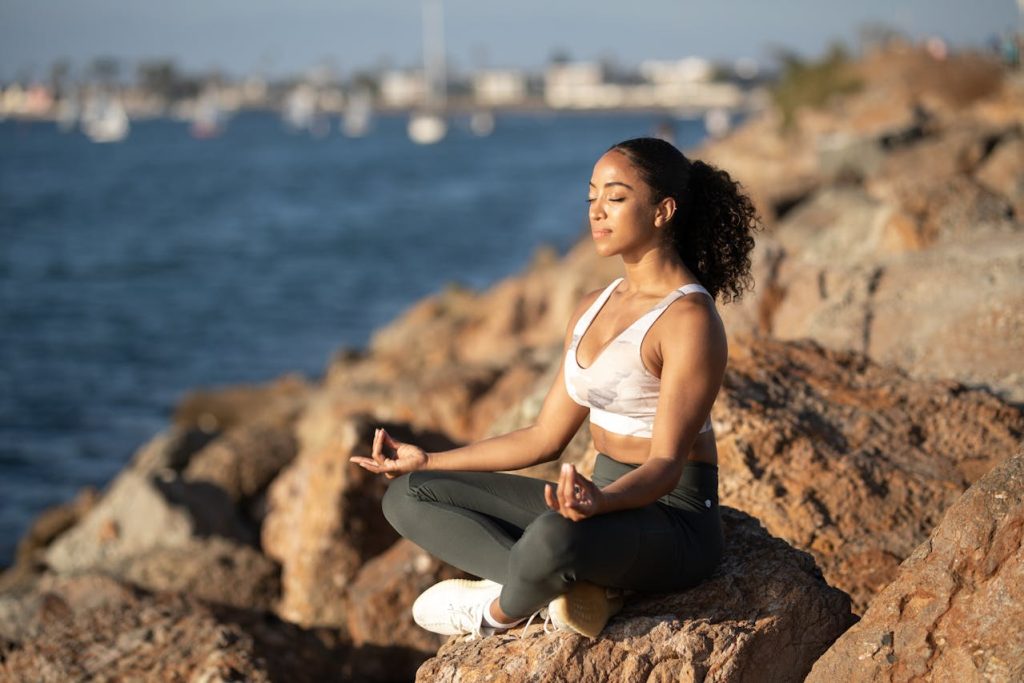
Discover how mindfulness for stress can transform your daily life. Learn practical techniques, science-backed benefits, and simple routines to reduce stress and build emotional resilience.
Overview
Stress has become a normal part of modern life. Deadlines, family responsibilities, financial pressures, and constant digital notifications can leave us feeling overwhelmed. While we can’t always remove stressors, we can change how we respond to them. That’s where mindfulness for stress becomes a powerful, life-changing practice.
At Mindfulness Meditation Hub, we offer structured guidance and practical tools to help individuals build a sustainable mindfulness practice that supports long-term stress relief. This blog will walk you through how mindfulness works, why it is so effective for stress management, and how you can begin applying it immediately in your daily life.
What Is Mindfulness?
Mindfulness is the practice of paying attention to the present moment with openness and without judgment. It means observing your thoughts, feelings, and bodily sensations as they are—without trying to suppress or avoid them.
When applied intentionally, mindfulness for stress helps you step out of autopilot mode. Instead of reacting impulsively to stressful situations, you learn to pause, observe, and respond calmly.
Mindfulness is not about:
- Emptying your mind
- Avoiding negative emotions
- Pretending stress doesn’t exist
It’s about building awareness and emotional balance—even during challenging moments.
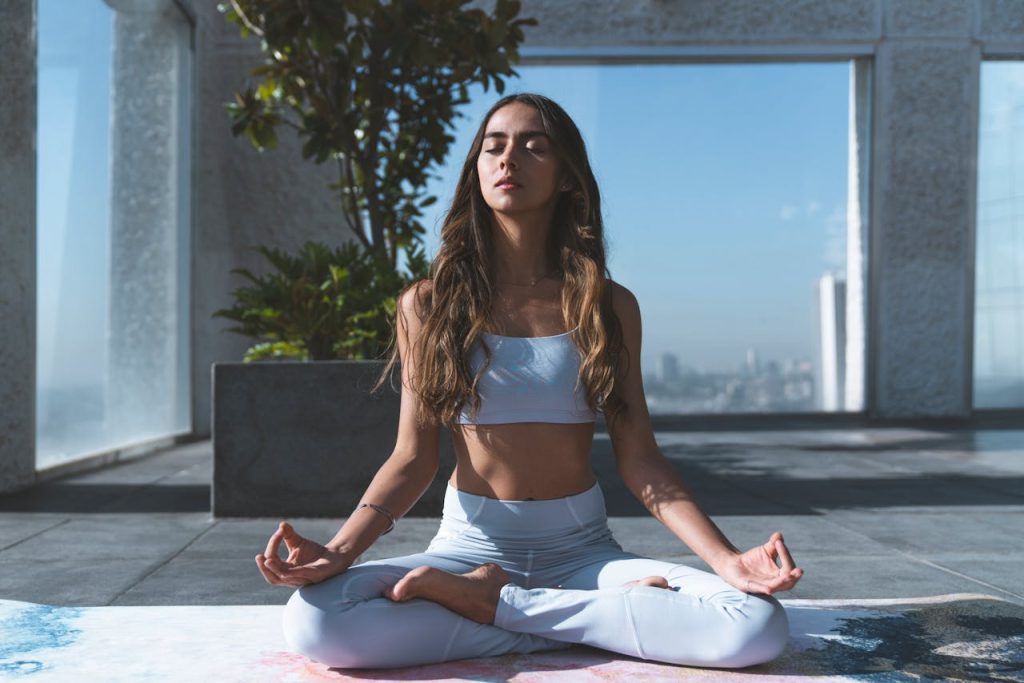
Why Stress Feels So Overwhelming
Before we explore techniques, it’s helpful to understand why stress feels so intense.
When you encounter a stressful situation, your body activates the “fight-or-flight” response. Your heart rate increases, muscles tense, and stress hormones flood your system. This response is helpful in emergencies—but harmful when activated constantly.
Chronic stress can lead to:
This is why mindfulness for stress is so valuable. It helps regulate the nervous system and reduce the intensity of stress responses over time.
The Science Behind Mindfulness for Stress
Research consistently shows that mindfulness reduces activity in the brain’s stress center (the amygdala) and strengthens areas associated with emotional regulation and decision-making.
Regular mindfulness practice can:
- Lower cortisol (stress hormone) levels
- Improve emotional regulation
- Enhance focus and clarity
- Reduce symptoms of anxiety
- Improve sleep quality
When you practice mindfulness for stress consistently, you’re essentially training your brain to become more resilient.
How Mindfulness Changes Your Relationship with Stress
Most people try to “fight” stress or distract themselves from it. Mindfulness takes a different approach.
Instead of resisting stress, you learn to:
- Observe your thoughts without believing all of them.
- Recognize stress signals in your body early
- Pause before reacting
- Respond with intention rather than impulse
Over time, mindfulness for stress transforms stress from something that controls you into something you can manage skillfully.
5 Simple Mindfulness Techniques for Stress Relief
You don’t need hours of meditation to feel the benefits. Here are simple practices you can start today.
1. Mindful Breathing (2–5 Minutes)
- Sit comfortably.
- Close your eyes or soften your gaze.
- Focus on your breath.
- Notice the inhale and exhale.
- When your mind wanders, gently bring it back.
This basic exercise is one of the most effective forms of mindfulness for stress because breathing directly impacts the nervous system.
2. Body Scan Awareness
- Lie down or sit comfortably.
- Bring attention to your toes.
- Slowly move your awareness upward through your body.
- Notice tension without trying to change it.
This helps you identify where stress is physically stored.
3. 5-4-3-2-1 Grounding Exercise
When stress feels overwhelming:
- Name five things you saw.
- 4 things you feel.
- 3 things you hear.
- 2 things you smell.
- 1 thing you taste.
This anchors you in the present moment and interrupts anxious thought patterns.
4. Mindful Walking
- Walk slowly.
- Notice each step.
- Feel your feet touching the ground.
- Observe your surroundings.
This is a powerful way to practice mindfulness for stress if sitting meditation feels difficult.
5. Labeling Thoughts
When stress triggers racing thoughts:
- Silently say, “thinking.”
- Return to your breath.
Labeling creates distance between you and your thoughts.
Building a Daily Mindfulness Routine
Consistency matters more than duration. Here’s how to make mindfulness for stress part of your life:
Start Small
Begin with 3–5 minutes daily.
Attach It to a Habit
Practice after brushing your teeth or before bed.
Create a Calm Space
Designate a small area for mindfulness.
Be Patient
Mindfulness is a skill. Progress happens gradually.
At Mindfulness Meditation Hub, we provide structured guidance to help you build a routine that fits your lifestyle—so mindfulness becomes sustainable, not overwhelming.
Mindfulness for Stress at Work
Work-related stress is one of the biggest challenges people face. Mindfulness can help by:
- Improving concentration
- Reducing reactive communication
- Supporting emotional regulation during meetings
- Preventing burnout
Try these workplace strategies:
- Take 3 mindful breaths before answering emails.
- Practice one-minute breathing between tasks.
- Pause before responding during tense conversations.
These small actions create powerful shifts.
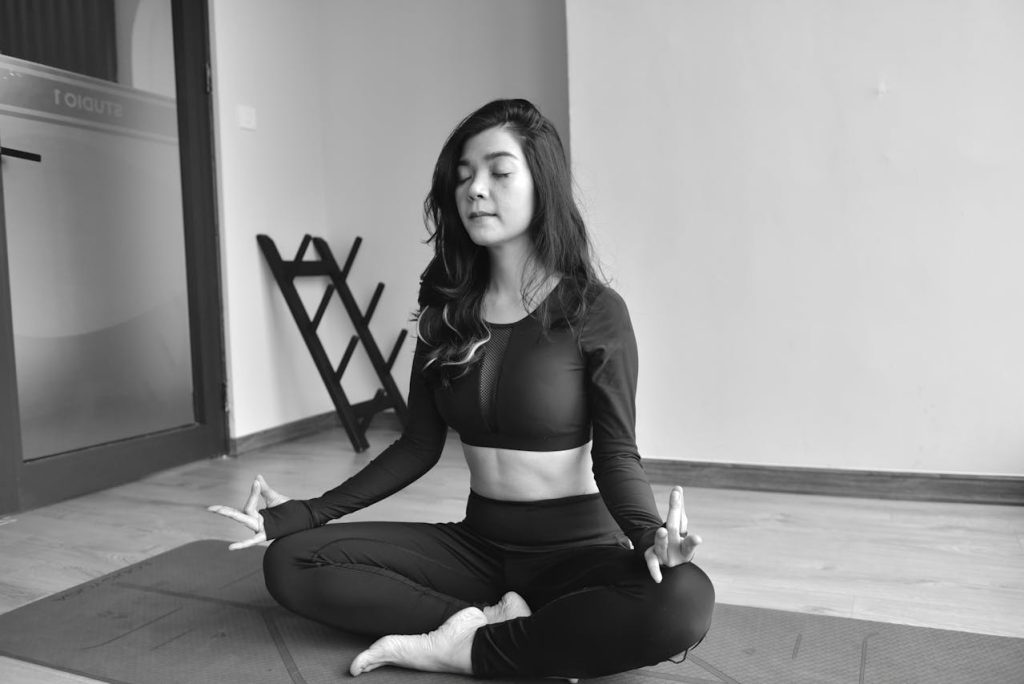
Emotional Benefits of Mindfulness Practice
Beyond stress relief, mindfulness supports:
- Greater emotional intelligence
- Improved relationships
- Reduced anxiety
- Increased patience
- Stronger resilience during setbacks
When you regularly practice mindfulness for stress, you develop a calmer internal foundation that influences every area of life.
Common Myths About Mindfulness
Let’s clear up a few misconceptions:
“I’m too busy.”
Even 2 minutes of mindfulness can make a difference.
“I can’t stop thinking.”
You’re not supposed to. Mindfulness is about noticing thoughts.
“It doesn’t work for me.”
Like exercise, benefits increase with consistency.
With the right support and guidance, anyone can experience the benefits of mindfulness for stress.
How Our Mindfulness Services Support You
At Mindfulness Meditation Hub, we go beyond general advice. Our services are designed to help you:
- Learn structured mindfulness techniques
- Build a personalized stress-reduction plan
- Develop consistent daily practice
- Deepen awareness through guided exercises
- Strengthen emotional resilience over time
We believe mindfulness should feel accessible, practical, and supportive—not complicated.
Our resources guide you step by step, whether you are new to meditation or looking to deepen your practice.
Long-Term Benefits of Mindfulness for Stress
With consistent practice, you may experience:
- Reduced chronic stress levels
- Improved sleep
- Better decision-making
- Increased self-awareness
- Enhanced overall well-being
Mindfulness doesn’t eliminate life’s challenges—but it changes how you experience them.
Final Thoughts: Stress Is Inevitable, Suffering Is Optional
Stress is part of being human. However, experiencing constant overwhelm is not necessary.
Mindfulness for stress offers a practical, science-backed, and compassionate way to build inner stability. Through awareness, breath, and intentional practice, you can retrain your mind to respond with clarity rather than chaos.
If you’re ready to experience deeper calm, stronger emotional balance, and greater resilience, explore our mindfulness services at Mindfulness Meditation Hub. With the right guidance, stress becomes manageable—and peace becomes possible.
FAQs for Mindfulness for Stress
What is mindfulness for stress and how does it work?
Mindfulness for stress is the practice of bringing focused, non-judgmental awareness to the present moment to reduce emotional and physical tension. It works by calming the nervous system, lowering stress hormones, and helping you respond thoughtfully instead of reacting impulsively.
How quickly can mindfulness reduce stress?
Some people feel calmer after just a few minutes of mindful breathing. However, lasting results from mindfulness for stress typically develop with consistent daily practice over several weeks.
Can beginners practice mindfulness for stress?
Absolutely. Mindfulness for stress is suitable for beginners. Starting with just 3–5 minutes of breathing or awareness exercises each day can build a strong foundation.
How often should I practice mindfulness for stress relief?
For best results, aim to practice daily. Even short sessions of 5–10 minutes can significantly improve stress management over time.
Does mindfulness help with work-related stress?
Yes. Mindfulness for stress is especially effective in workplace settings. It improves focus, emotional regulation, and decision-making while reducing burnout and overwhelm.
Is mindfulness the same as meditation?
Meditation is a structured practice, while mindfulness is a broader state of awareness that can be applied throughout the day. Mindfulness for stress often includes meditation techniques but also extends into daily activities.
Can mindfulness lower anxiety levels?
Yes. Regular mindfulness for stress can reduce anxiety by helping you observe anxious thoughts without becoming overwhelmed by them.
What are the physical benefits of mindfulness for stress?
Physical benefits may include lower blood pressure, improved sleep quality, reduced muscle tension, and decreased cortisol (stress hormone) levels.
What if my mind keeps wandering during mindfulness practice?
Wandering thoughts are completely normal. The goal of mindfulness for stress is not to stop thinking but to gently return your attention to the present moment each time you notice distraction.
Can mindfulness improve sleep problems caused by stress?
Yes. Mindfulness techniques such as body scans and mindful breathing can calm the nervous system, making it easier to fall asleep and stay asleep.
How is mindfulness different from relaxation techniques?
Relaxation focuses on reducing tension, while mindfulness for stress focuses on awareness. Relaxation may happen as a result of mindfulness, but the primary goal is developing conscious presence.
Is mindfulness effective for chronic stress?
Yes. Research shows that consistent mindfulness for stress can reduce the long-term impact of chronic stress by improving emotional resilience and nervous system regulation.
Can mindfulness help with emotional regulation?
Definitely. Mindfulness strengthens your ability to notice emotions without being controlled by them, allowing for healthier responses in stressful situations.
Do I need special equipment to practice mindfulness for stress?
No equipment is required. You can practice mindfulness anywhere using simple breathing, grounding, or awareness exercises.
How can guided support improve my mindfulness practice?
Guided programs provide structure, accountability, and deeper insight into techniques. Professional guidance can make mindfulness for stress more effective and sustainable over time.
Related Topics
- Articles on Mindfulness: Power of Meditation for Daily Life
- What Does Mindfulness Mean? Understanding Its Benefits
- What Is Being Mindfulness? A Complete Guide to Mindful Living
- Walking Mindfulness Meditation: A Simple Path to Inner Peace
- Mindfulness Body Scan Meditation: A Complete Guide
- Workplace Mindfulness: Improve Focus & Productivity
- Meditation Methods for Beginners | Start Your Mindfulness Journey
- What Does Being Mindful Mean? A Complete Guide to Mindfulness
- Definition of Mindfulness? Meaning, Benefits & Practice
- Mindfulness for the Workplace: Boost Productivity & Well-being
- Breath Meditation: A Complete Guide to Mindfulness & Relaxation
- Mastering the Art of Having Patience: A Mindfulness Approach
- Mindfulness Meditation for Anxiety: Calm Your Mind
- Self Meditating: A Complete Guide to Practicing Mindfulness
- Mindfulness for Grief: Find Peace Through Mindful Awareness
- Meditation and Sounds: Boost Mindfulness & Relaxation
- Emotion Mindfulness: Techniques to Manage Your Feelings
- Daily Mindfulness: How to Transform Your Life