
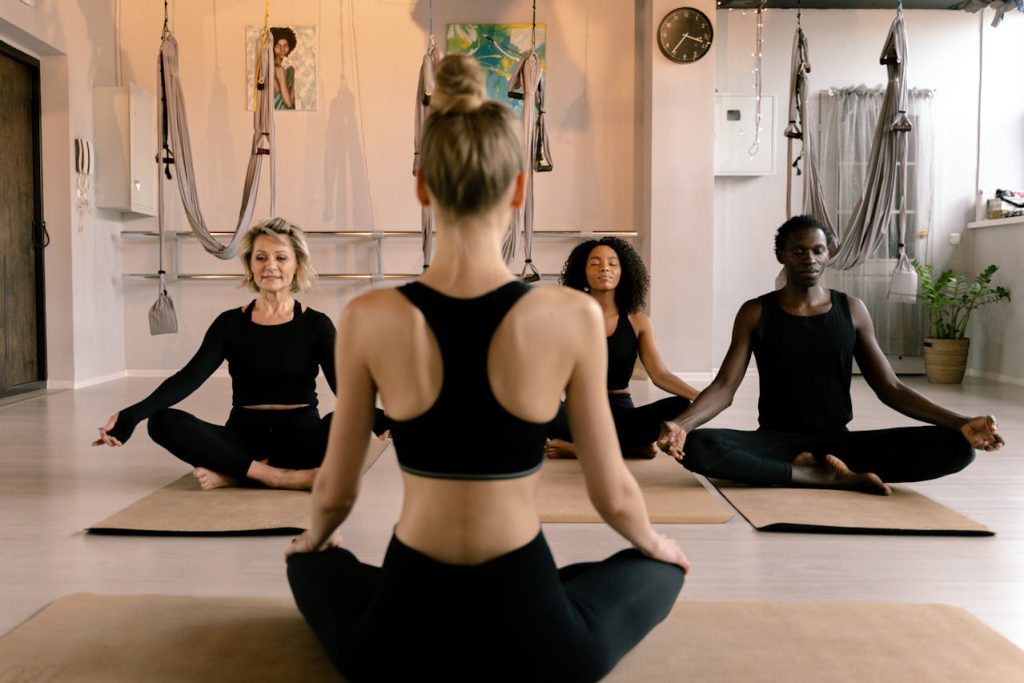
Discover expert mindfulness guidance to cultivate calm, focus, and emotional balance. Learn practical techniques, daily exercises, and tips for beginners and experienced practitioners alike.
Overview
In this article, readers will learn how mindfulness guidance can transform daily life by reducing stress, improving focus, and promoting emotional balance. We’ll provide practical tips, step-by-step exercises, and strategies for integrating mindfulness into everyday routines. Whether you are a beginner or looking to deepen your practice, this guide offers actionable advice to make mindfulness a natural part of your life.
What is Mindfulness Guidance?
Mindfulness guidance is the practice of receiving expert direction on cultivating awareness and presence in your daily life. It can be delivered through:
- Guided meditations
- Instructional content
- Mindfulness workshops and courses
- One-on-one coaching or support
The goal is to help individuals focus on the present moment, observe thoughts without judgment, and create a sense of inner calm. With proper guidance, mindfulness becomes easier to practice consistently, leading to measurable improvements in mental and emotional well-being.
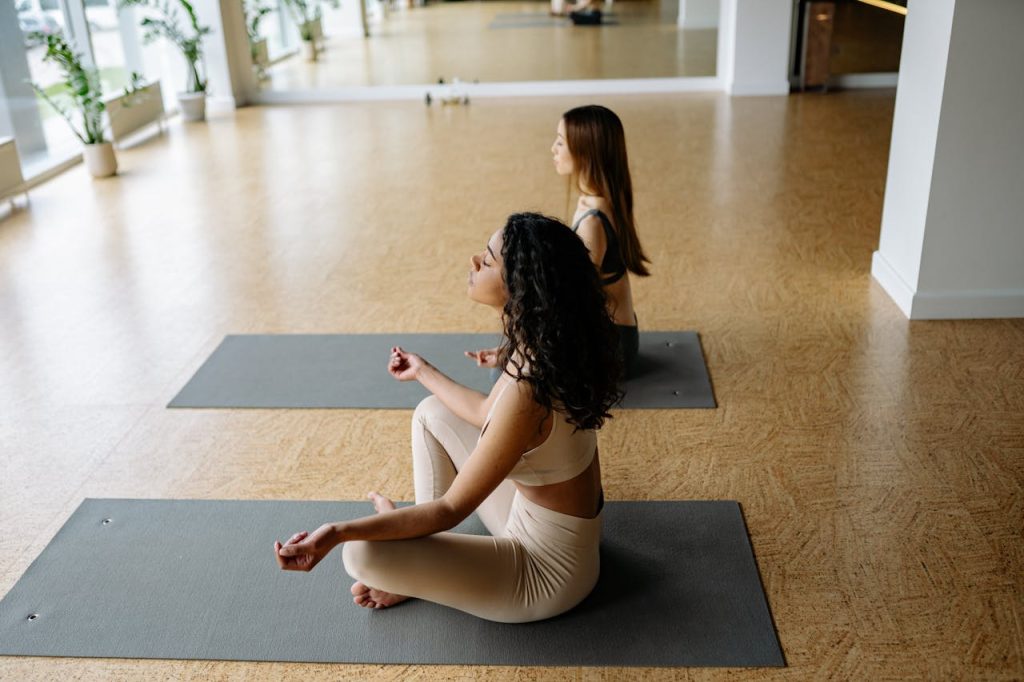
The Benefits of Mindfulness Guidance
Incorporating mindfulness guidance into your life has numerous benefits for both mind and body. Here are some of the most important ones:
1. Reduces Stress and Anxiety
Mindfulness techniques teach you to observe stressful thoughts without being overwhelmed. Over time, regular practice guided by experts can reduce cortisol levels and promote a calmer state of mind.
2. Improves Focus and Productivity
By practicing mindfulness, you learn to sustain attention on tasks, reduce distractions, and make thoughtful decisions. Expert guidance helps you develop these skills efficiently.
3. Enhances Emotional Regulation
Mindfulness encourages emotional awareness and acceptance. Guidance from professionals helps you respond to challenging emotions thoughtfully rather than react impulsively.
4. Supports Physical Health
Regular mindfulness practice can lower blood pressure, improve sleep quality, and reduce the risk of chronic stress-related illnesses.
5. Encourages Self-Awareness and Personal Growth
Through mindfulness guidance, you develop a deeper understanding of yourself, your patterns, and your habits, fostering a journey of continuous self-improvement.
How Mindfulness Guidance Works
Receiving effective mindfulness guidance involves several key approaches:
1. Guided Meditation Sessions
A teacher or app guides you through meditation, focusing on breathing, body sensations, or visualizations. This structured approach helps beginners and experienced practitioners stay engaged and consistent.
2. Mindful Daily Practices
Guidance isn’t limited to meditation. It includes mindful walking, eating, and even mindful listening—practices that help integrate mindfulness into daily life.
3. Personalized Coaching
Some individuals benefit from one-on-one guidance tailored to their lifestyle, goals, and challenges. This can accelerate learning and deepen the practice.
4. Workshops and Online Courses
Many mindfulness programs offer structured courses that provide step-by-step instruction, group support, and feedback from trained facilitators.
Step-by-Step Mindfulness Exercises
Here’s a selection of practical exercises you can try with proper mindfulness guidance:
1. Mindful Breathing (5-10 minutes)
- Sit comfortably with your back straight.
- Focus on your breath as it enters and leaves your nostrils.
- If your mind wanders, gently return to your breath.
Tip: Start with 5 minutes daily and gradually increase to 15–20 minutes.
2. Body Scan Meditation (10-15 minutes)
- Lie down or sit comfortably.
- Bring attention to each part of your body, starting from the toes and moving upward.
- Notice sensations, tension, or discomfort without judgment.
3. Mindful Walking
- Walk slowly and deliberately, paying attention to the movement of your feet and the sensations in your body.
- Observe your surroundings without labeling them “good” or “bad.”
4. Mindful Eating
- Focus fully on the taste, texture, and aroma of each bite.
- Eat slowly and avoid distractions like phones or TV.
5. Gratitude Practice
- Take 5 minutes each day to note three things you’re grateful for.
- Reflect on the feelings associated with each.
With consistent guidance, these exercises can significantly reduce stress, improve clarity, and cultivate inner peace.
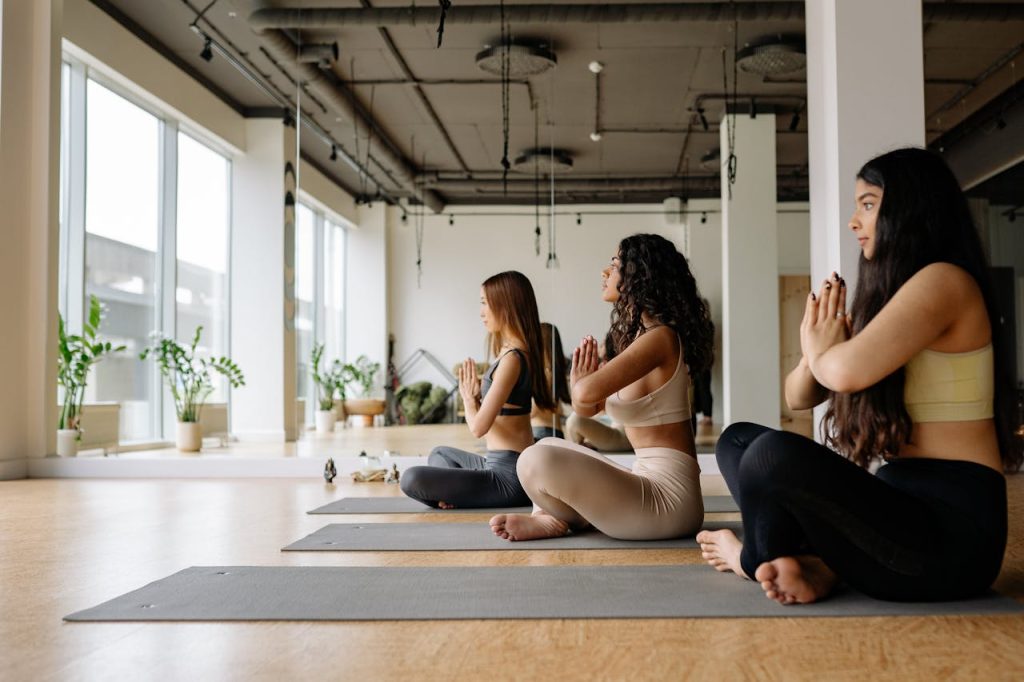
Who Can Benefit from Mindfulness Guidance?
Mindfulness guidance is beneficial for everyone, including:
- Beginners who want to start a structured mindfulness practice
- Busy professionals seeking stress reduction
- Students managing academic pressure
- Individuals coping with anxiety, depression, or chronic stress
- Anyone looking to enhance emotional intelligence and self-awareness
No matter your age, background, or lifestyle, mindfulness guidance can provide tools to improve your overall quality of life.
Tips for Choosing the Right Mindfulness Guidance
When selecting a program or mentor, consider the following:
- Qualifications and Experience – Look for trained instructors or reputable online programs.
- Practice Style – Find guidance that aligns with your interests, whether it’s meditation, yoga, or mindful movement.
- Accessibility – Choose a format you can commit to consistently, such as in-person sessions or guided online courses.
- Support and Community – Programs with a supportive community often help you stay motivated.
Integrating Mindfulness Guidance Into Daily Life
Consistency is key. Here’s how to make mindfulness a natural habit:
- Start small – Begin with 5 minutes a day and gradually increase.
- Set reminders – Use phone alarms or sticky notes as prompts.
- Use guided resources – Apps, podcasts, or online courses can help maintain focus.
- Reflect regularly – Journaling about your mindfulness practice reinforces learning.
- Practice patience – Mindfulness is a skill developed over time, not a quick fix.
Why Our Mindfulness Guidance Stands Out
At Mindfulness Meditation Hub, we provide expert guidance with a personalized approach:
- Step-by-step guidance for beginners and experienced meditators
- Practical tools for daily mindfulness integration
- Supportive resources including guided meditations, exercises, and articles
- Focus on long-term well-being rather than quick fixes
Our mission is to make mindfulness accessible, practical, and effective for everyone, so you can experience lasting benefits for your mind, body, and soul.
Final Thought
Mindfulness guidance is a powerful tool to reduce stress, improve focus, and cultivate emotional well-being. With structured guidance, practical exercises, and consistent practice, mindfulness can become an integral part of your life. Whether you’re a beginner or seeking to deepen your practice, professional mindfulness guidance can help you unlock your full potential and enjoy a calmer, more centered life.
Take the first step today—start exploring mindfulness guidance and experience the transformative benefits of living fully in the present moment.
FAQs for Mindfulness Guidance
What is mindfulness guidance and why is it important?
Mindfulness guidance is expert direction in cultivating awareness, presence, and emotional balance. It helps beginners and experienced practitioners reduce stress, improve focus, and live more mindfully.
How can mindfulness guidance reduce stress and anxiety?
Guided mindfulness techniques teach you to observe thoughts and emotions without judgment, lowering stress hormones and promoting a sense of calm.
Who can benefit from mindfulness guidance?
Anyone can benefit, including beginners, busy professionals, students, and individuals managing anxiety, depression, or chronic stress.
What types of mindfulness guidance are available?
Guidance can come from guided meditations, online courses, one-on-one coaching, workshops, or mindfulness apps.
How often should I practice mindfulness guidance?
Consistency is key. Practicing even 5–10 minutes daily can create lasting benefits, while longer sessions can deepen focus and emotional awareness.
Can mindfulness guidance improve focus and productivity?
Yes, structured mindfulness exercises help you concentrate better, reduce distractions, and make thoughtful decisions in daily life.
Do I need prior experience to start mindfulness guidance?
No experience is required. Mindfulness guidance is designed for beginners as well as seasoned practitioners seeking to refine their skills.
What are the best mindfulness exercises recommended by experts?
Popular exercises include mindful breathing, body scan meditation, mindful walking, mindful eating, and gratitude journaling.
Can mindfulness guidance improve emotional regulation?
Yes, by helping you recognize and accept emotions without reacting impulsively, mindfulness guidance enhances emotional resilience.
Are there online mindfulness guidance programs available?
Yes, many reputable online courses, apps, and guided sessions provide structured mindfulness guidance for all levels.
How does personalized mindfulness guidance work?
Personalized guidance involves tailored instruction based on your lifestyle, goals, and challenges, often through one-on-one sessions or customized programs.
Can mindfulness guidance support physical health?
Yes, regular mindfulness practice has been linked to lower blood pressure, better sleep, reduced stress-related inflammation, and improved overall well-being.
How long does it take to see results from mindfulness guidance?
Results vary, but many people notice reduced stress and improved focus within a few weeks of consistent practice, with deeper emotional benefits over months.
Is mindfulness guidance suitable for children and teens?
Absolutely. Mindfulness techniques can be adapted for younger individuals to help with focus, emotional awareness, and coping skills.
How do I choose the right mindfulness guidance program for me?
Consider the instructor’s qualifications, program style, accessibility, community support, and your personal goals to select the best fit.
Related Topics
- Articles on Mindfulness: Power of Meditation for Daily Life
- What Does Mindfulness Mean? Understanding Its Benefits
- What Is Being Mindfulness? A Complete Guide to Mindful Living
- Walking Mindfulness Meditation: A Simple Path to Inner Peace
- Mindfulness Body Scan Meditation: A Complete Guide
- Workplace Mindfulness: Improve Focus & Productivity
- Meditation Methods for Beginners | Start Your Mindfulness Journey
- What Does Being Mindful Mean? A Complete Guide to Mindfulness
- Definition of Mindfulness? Meaning, Benefits & Practice
- Mindfulness for the Workplace: Boost Productivity & Well-being
- Breath Meditation: A Complete Guide to Mindfulness & Relaxation
- Mastering the Art of Having Patience: A Mindfulness Approach
- Mindfulness Meditation for Anxiety: Calm Your Mind
- Self Meditating: A Complete Guide to Practicing Mindfulness
- Mindfulness for Grief: Find Peace Through Mindful Awareness
- Meditation and Sounds: Boost Mindfulness & Relaxation
- Emotion Mindfulness: Techniques to Manage Your Feelings
- Daily Mindfulness: How to Transform Your Life