
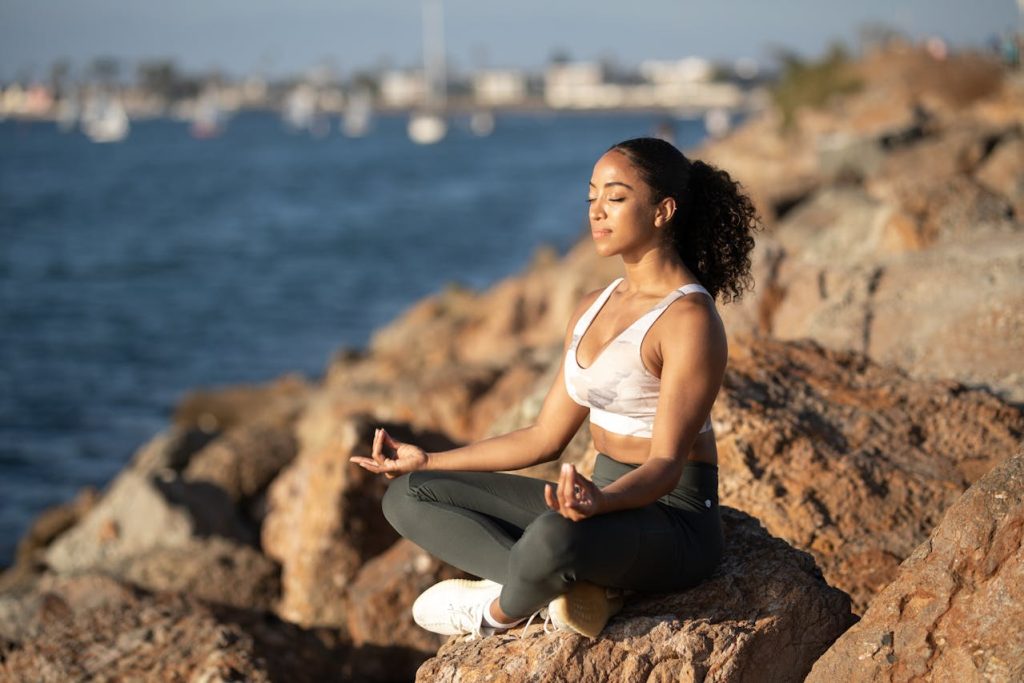
Discover practical mindfulness habits to reduce stress, boost focus, and enhance well-being. Learn how to integrate mindfulness into daily life with our expert tips.
Overview
In this article, readers will learn how to develop mindfulness habits that improve mental clarity, emotional resilience, and overall well-being. We will cover practical techniques, strategies to integrate mindfulness into everyday routines, and tips for sustaining these habits long-term. By the end, readers will understand how to make mindfulness a natural part of their life and experience tangible benefits in stress reduction, focus, and emotional balance.
What Are Mindfulness Habits?
Mindfulness habits are daily practices that cultivate awareness and presence in your thoughts, emotions, and surroundings. Unlike occasional meditation sessions, these habits focus on integrating mindfulness seamlessly into your daily routine. They help you respond to life with calm, rather than reacting impulsively.
Practicing mindfulness habits can:
- Reduce stress and anxiety
- Improve focus and concentration
- Enhance emotional regulation
- Promote better relationships
- Increase overall well-being
These habits are not just about meditation—they’re about living fully in the present moment, whether at work, home, or during leisure activities.
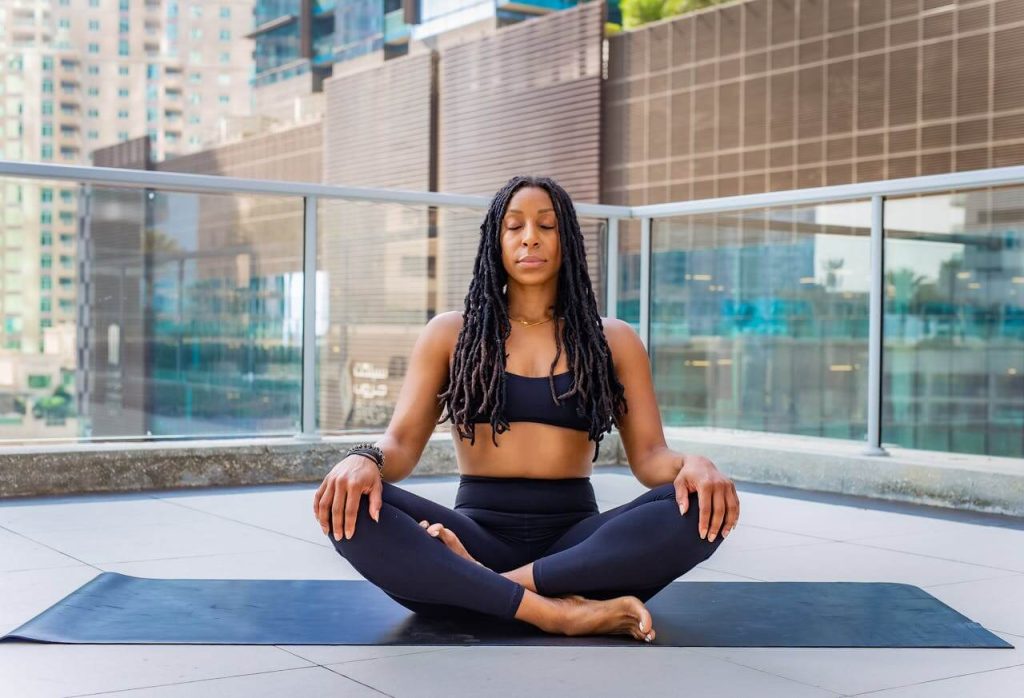
Why Mindfulness Habits Matter
Developing mindfulness habits has profound effects on both mental and physical health. Studies show that consistent mindfulness practice can lower cortisol levels, improve sleep quality, and boost immune function. Additionally, mindfulness habits help you:
- Respond instead of react: Train your mind to pause before reacting to stressful situations.
- Improve productivity: Focus more effectively on tasks without distractions.
- Enhance emotional resilience: Manage negative emotions like anger, frustration, or sadness more effectively.
By integrating small mindfulness habits daily, you can gradually build a lifestyle that supports mental clarity, calmness, and happiness.
Top Mindfulness Habits to Practice Daily
1. Morning Mindfulness Ritual
Start your day with intention. Instead of immediately reaching for your phone or rushing, take a few minutes to center yourself.
How to practice:
- Sit quietly for 5–10 minutes
- Focus on your breath
- Set an intention for the day, e.g., patience, focus, or gratitude
This simple habit sets a positive tone for your entire day.
2. Mindful Eating
Eating mindfully is more than just nutrition—it’s about savoring the moment.
How to practice:
- Eat slowly without distractions like TV or phones
- Notice the flavors, textures, and smells of your food.
- Pay attention to your body’s signals of hunger and fullness.
Mindful eating can improve digestion, prevent overeating, and enhance your relationship with food.
3. Mindful Walking
Even short walks can be transformed into mindfulness exercises.
How to practice:
- Walk slowly and notice each step
- Feel the ground beneath your feet
- Observe sounds, smells, and sights around you.
This habit encourages movement while keeping you grounded in the present moment.
4. Deep Breathing Exercises
Breathing is one of the easiest ways to anchor your mind.
How to practice:
- Take 5 deep breaths whenever stressed or distracted
- Inhale slowly through your nose, hold for a few seconds, and exhale through your mouth
- Focus solely on the sensation of your breath
Deep breathing can immediately reduce anxiety and improve mental clarity.
5. Mindful Journaling
Writing down your thoughts promotes self-awareness and reflection.
How to practice:
- Dedicate 5–10 minutes daily to journaling
- Write about your emotions, experiences, or things you are grateful for.
- Avoid judgment—just observe and acknowledge your thoughts
Mindful journaling helps track personal growth and fosters emotional balance.
6. Digital Detox Habits
Reducing screen time creates space for mindfulness.
How to practice:
- Schedule phone-free times during the day
- Avoid scrolling social media mindlessly.
- Use tech intentionally, like for learning or connecting meaningfully
Digital detox habits reduce stress and help you stay present.
7. Mindfulness Before Sleep
Ending your day with mindfulness improves sleep quality and relaxation.
How to practice:
- Reflect on your day without judgment.
- Practice gentle breathing or body scan meditation
- Let go of worries before bedtime
A mindful evening routine promotes restorative sleep and mental calm.
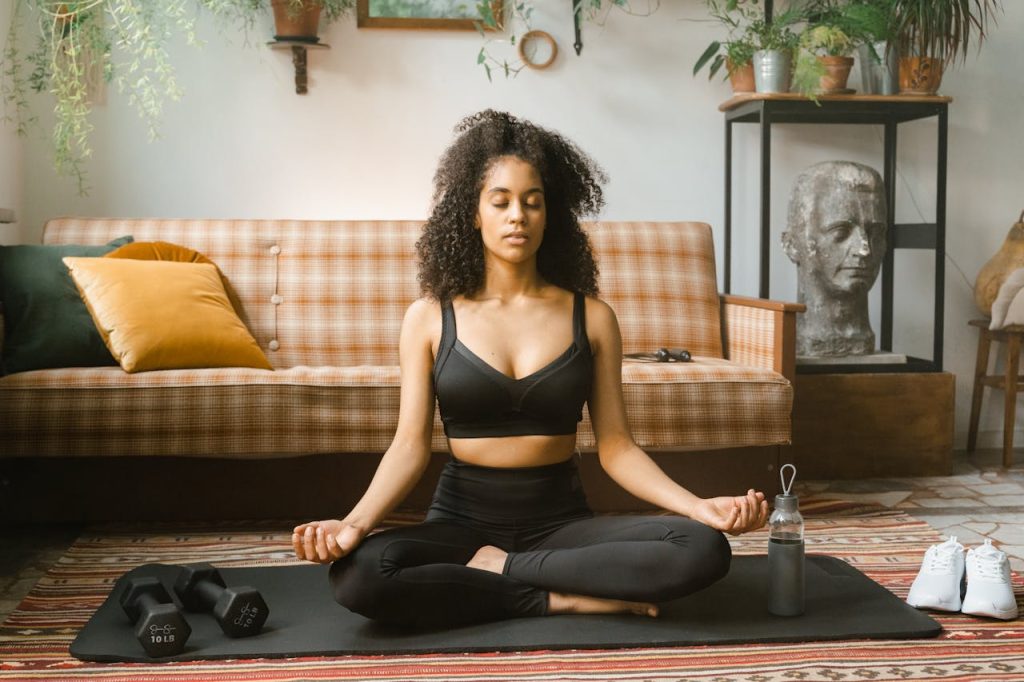
Tips to Build and Maintain Mindfulness Habits
- Start Small—Begin with 5 minutes a day and gradually increase.
- Be Consistent – Consistency matters more than duration.
- Use Reminders – Set phone alarms or sticky notes to prompt practice.
- Combine Habits – Pair mindfulness with daily activities like brushing teeth or commuting.
- Practice Self-Compassion – Don’t judge yourself if you miss a day; just start again.
Common Challenges and How to Overcome Them
- Feeling too busy: Integrate mindfulness into existing routines instead of adding extra tasks.
- Mind wandering: Gently bring attention back to the present moment without frustration.
- Lack of motivation: Remind yourself of the benefits, like stress relief and improved focus.
Benefits of Cultivating Mindfulness Habits
When practiced regularly, mindfulness habits can:
- Reduce stress and anxiety – Calm the mind and regulate emotions.
- Improve focus and productivity – Enhance cognitive performance and creativity.
- Enhance relationships – Increase empathy and active listening.
- Boost physical health – Lower blood pressure, improve sleep, and support immune function.
- Promote self-awareness – Recognize patterns of thought and behavior for personal growth.
Integrating mindfulness habits into your life creates a ripple effect that enhances well-being in all areas.
Mindfulness Habits Are for Everyone
Regardless of age, occupation, or lifestyle, everyone can benefit from mindfulness habits. Beginners can start small with a few minutes a day, while experienced practitioners can expand into longer sessions or more advanced techniques. The key is to make mindfulness a consistent part of your daily life, not a sporadic activity.
Final Thought: Start Your Mindfulness Journey Today
Building mindfulness habits doesn’t require hours of meditation or special equipment. Simple daily practices like mindful breathing, eating, walking, or journaling can profoundly impact mental clarity, emotional balance, and overall well-being.
By committing to consistent mindfulness habits, you can reduce stress, improve focus, and live more fully in the present moment. Start small, stay consistent, and notice how these habits transform your daily life—one mindful moment at a time.
FAQs for Mindfulness Habits
What are mindfulness habits?
Mindfulness habits are daily practices that help you stay present, aware, and focused on the current moment, enhancing mental clarity and emotional well-being.
Why should I develop mindfulness habits?
They reduce stress, improve focus, enhance emotional regulation, and promote overall mental and physical wellness.
How long does it take to form a mindfulness habit?
Consistency is key; small daily practices over 21–30 days can help establish a sustainable mindfulness habit.
Can mindfulness habits help reduce anxiety?
Yes, regular mindfulness habits calm the nervous system, making it easier to manage anxiety and stressful situations.
Do I need to meditate to practice mindfulness habits?
No, mindfulness can be incorporated into daily activities such as walking, eating, or breathing exercises.
What is the best time of day to practice mindfulness habits?
While any time works, mornings and evenings are ideal for setting intentions and reflecting on your day.
How can I start mindfulness habits if I’m busy?
Start small with 5 minutes daily, integrate mindfulness into routine tasks, and use reminders to stay consistent.
Can mindfulness habits improve focus at work or school?
Yes, regular mindfulness practice enhances attention, reduces distractions, and increases productivity.
What are simple mindfulness habits for beginners?
Begin with mindful breathing, mindful eating, journaling, or short meditation sessions.
Can mindfulness habits improve relationships?
Absolutely! Mindfulness increases empathy, active listening, and patience, which strengthen personal and professional relationships.
Are there physical benefits of mindfulness habits?
Yes, they can lower blood pressure, improve sleep quality, reduce stress hormones, and support overall physical health.
How do I stay motivated to maintain mindfulness habits?
Focus on the benefits, track progress, pair habits with daily routines, and practice self-compassion if you miss a day.
Can mindfulness habits help with emotional regulation?
Yes, they teach you to observe emotions without judgment and respond thoughtfully rather than react impulsively.
How often should I practice mindfulness habits?
Daily practice is ideal, even if it’s only 5–10 minutes; consistency matters more than duration.
Can children practice mindfulness habits?
Yes, mindfulness can be adapted for children with simple breathing exercises, guided imagery, or mindful play activities.
Related Topics
- Articles on Mindfulness: Power of Meditation for Daily Life
- What Does Mindfulness Mean? Understanding Its Benefits
- What Is Being Mindfulness? A Complete Guide to Mindful Living
- Walking Mindfulness Meditation: A Simple Path to Inner Peace
- Mindfulness Body Scan Meditation: A Complete Guide
- Workplace Mindfulness: Improve Focus & Productivity
- Meditation Methods for Beginners | Start Your Mindfulness Journey
- What Does Being Mindful Mean? A Complete Guide to Mindfulness
- Definition of Mindfulness? Meaning, Benefits & Practice
- Mindfulness for the Workplace: Boost Productivity & Well-being
- Breath Meditation: A Complete Guide to Mindfulness & Relaxation
- Mastering the Art of Having Patience: A Mindfulness Approach
- Mindfulness Meditation for Anxiety: Calm Your Mind
- Self Meditating: A Complete Guide to Practicing Mindfulness
- Mindfulness for Grief: Find Peace Through Mindful Awareness
- Meditation and Sounds: Boost Mindfulness & Relaxation
- Emotion Mindfulness: Techniques to Manage Your Feelings
- Daily Mindfulness: How to Transform Your Life