
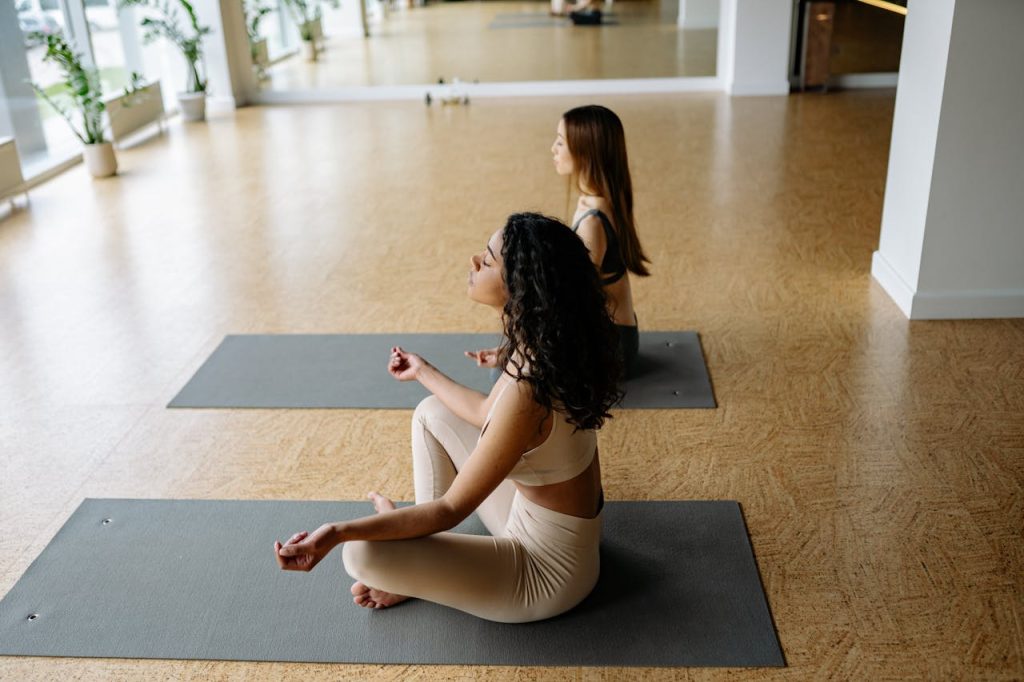
Discover practical ways to practice mindfulness in everyday life. Learn simple techniques to reduce stress, boost focus, and improve emotional well-being. Start your journey today!
Overview
In today’s fast-paced world, many people feel overwhelmed, distracted, or disconnected. Practicing mindfulness in everyday life can transform how you experience each day. This blog post will help readers understand what mindfulness is, why it matters, and how to integrate simple mindfulness practices into daily routines. By the end, readers will learn practical exercises, habits, and tips to reduce stress, improve focus, and cultivate a calmer, more present lifestyle.
What is Mindfulness?
Mindfulness is the practice of paying full attention to the present moment without judgment. It’s about being aware of your thoughts, feelings, bodily sensations, and surroundings. Rather than worrying about the past or stressing about the future, mindfulness encourages you to engage fully with the here and now.
Some core aspects of mindfulness include:
- Awareness: Noticing your thoughts, emotions, and surroundings.
- Non-judgment: Accepting your experiences without labeling them as “good” or “bad.”
- Presence: Fully engaging with whatever you are doing at the moment.
Practicing mindfulness in everyday life isn’t just for meditation sessions—it can be woven into ordinary activities such as eating, walking, working, or even washing dishes.

Why Mindfulness in Everyday Life Matters
Integrating mindfulness into daily routines can provide numerous benefits:
1. Stress Reduction
Mindfulness helps calm the nervous system and reduces cortisol levels, lowering stress and anxiety.
2. Improved Focus and Productivity
By training your attention, mindfulness helps you concentrate better and reduces distractions at work or home.
3. Emotional Balance
Regular practice allows you to respond thoughtfully rather than react impulsively to challenging situations.
4. Enhanced Relationships
Being fully present during conversations improves listening skills, empathy, and connection with others.
5. Better Physical Health
Studies show mindfulness can reduce blood pressure, improve sleep quality, and support immune function.
How to Practice Mindfulness in Everyday Life
Here are practical strategies to incorporate mindfulness seamlessly into your day:
Start with Your Morning Routine
- Mindful Waking: Before reaching for your phone, take a few deep breaths and notice how your body feels.
- Mindful Shower: Pay attention to the sensations of water, the smell of soap, and sounds around you.
- Mindful Breakfast: Focus on each bite, savoring flavors, textures, and aromas instead of eating distractedly.
Mindfulness at Work or Study
- Single-tasking: Focus on one task at a time rather than multitasking.
- Micro-breaks: Take short pauses to breathe and stretch mindfully.
- Mindful Emails/Meetings: Approach emails and meetings with full attention, observing your reactions without judgment.
Mindful Movement
Incorporating movement-based mindfulness helps release tension and improve awareness:
- Walking Meditation: Focus on each step, your breath, and your surroundings.
- Yoga or Stretching: Pay attention to how your muscles feel during poses.
- Exercise Mindfully: Notice your body’s rhythm and energy while working out.
Mindfulness in Daily Chores
Even routine tasks can become mindful practices:
- Washing Dishes: Notice the temperature of water, the soap’s texture, and the motion of your hands.
- Laundry: Pay attention to folding each piece carefully instead of rushing.
- Cleaning: Engage fully with the task, feeling the satisfaction of a tidy space.
Mindfulness During Meals
- Eat slowly and savor each bite.
- Notice textures, flavors, and smells.
- Observe your body’s signals of hunger and fullness.
- Avoid distractions like phones or TV during meals.
Evening Mindfulness Practices
- Mindful Reflection: Take 5–10 minutes to reflect on your day, noticing what went well and what could be improved.
- Gratitude Journaling: Write down three things you’re grateful for to foster positive emotions.
- Mindful Breathing: Practice deep, slow breaths before bed to calm your mind.
Simple Mindfulness Exercises for Everyday Life
Here are a few short exercises you can do anytime:
- 5-4-3-2-1 Grounding Technique:
- Name 5 things you can see
- 4 things you can touch
- 3 things you can hear
- 2 things you can smell
- 1 thing you can taste
- Mindful Breathing:
- Inhale slowly for 4 counts
- Hold for 4 counts
- Exhale for 6 counts
- Repeat for a few minutes
- Body Scan:
- Mentally scan your body from head to toe
- Notice areas of tension
- Release tension with each exhale
- Mindful Observation:
- Pick an object in your environment.
- Observe its color, shape, texture, and details without labeling it.

Overcoming Common Challenges in Mindfulness
Even experienced meditators face obstacles. Here’s how to manage them:
- Busy Mind: Gently return your attention to the present without judgment.
- Restlessness: Start with shorter sessions and gradually increase.
- Forgetfulness: Set reminders to practice small mindfulness exercises throughout the day.
Mindfulness in Everyday Life for Long-Term Benefits
Consistency is key. Even a few minutes daily can lead to the following:
- Increased self-awareness
- Reduced anxiety and stress
- Stronger focus and productivity
- Improved sleep quality
- Greater emotional resilience
The more you integrate mindfulness into daily activities, the more natural it becomes, creating a calm, intentional life.
Why Choose Our Mindfulness Services
At Mindfulness Meditation Hub, we help individuals:
- Learn how to practice mindfulness in everyday life
- Develop personalized routines that fit their lifestyle
- Access guided meditations, tutorials, and resources
- Reduce stress and increase well-being
Whether you’re a beginner or experienced practitioner, our services are tailored to make mindfulness practical, accessible, and life-changing.
FAQs for Mindfulness in Everyday Life
What is mindfulness in everyday life?
Mindfulness in everyday life is the practice of bringing full awareness and presence to ordinary activities, thoughts, and feelings without judgment.
How can I start practicing mindfulness daily?
Begin with small actions like mindful breathing, eating slowly, or paying attention to sensations during routine tasks.
What are the benefits of mindfulness in everyday life?
Benefits include reduced stress, improved focus, emotional balance, better sleep, and stronger relationships.
Can mindfulness reduce anxiety and stress?
Yes, regular mindfulness practice helps calm the nervous system, reducing cortisol levels and managing anxiety.
How long should I practice mindfulness each day?
Even 5–10 minutes daily can be effective. Gradually, you can increase the time as it becomes a habit.
Can I practice mindfulness while working?
Absolutely! Mindfulness can be integrated into work through single-tasking, micro-breaks, and focused attention on emails or meetings.
Is mindfulness only for meditation?
No, mindfulness can be practiced during any activity, from walking and eating to cleaning and talking with others.
How does mindfulness improve relationships?
Being fully present while listening or communicating fosters empathy, understanding, and deeper connection with others.
Can children practice mindfulness in everyday life?
Yes, children can benefit from age-appropriate mindfulness exercises like breathing games, guided imagery, or mindful movement.
What is the difference between mindfulness and meditation?
Meditation is a structured practice for cultivating mindfulness, while mindfulness in everyday life refers to being present in ordinary activities.
How can I stay consistent with mindfulness practice?
Set reminders, start small, incorporate mindfulness into daily routines, and track your progress.
Can mindfulness help with emotional regulation?
Yes, mindfulness allows you to observe your emotions without judgment, helping you respond thoughtfully rather than react impulsively.
Are there any tools to support mindfulness practice?
Yes, apps, guided meditation audios, journals, and mindful prompts can all help reinforce daily mindfulness practice.
How does mindful eating work?
Mindful eating involves paying attention to flavors, textures, and hunger signals while eating slowly, without distractions like phones or TV.
Can mindfulness improve physical health?
Yes, regular mindfulness can reduce blood pressure, improve sleep quality, enhance immunity, and support overall well-being.
Related Topics
- Articles on Mindfulness: Power of Meditation for Daily Life
- What Does Mindfulness Mean? Understanding Its Benefits
- What Is Being Mindfulness? A Complete Guide to Mindful Living
- Walking Mindfulness Meditation: A Simple Path to Inner Peace
- Mindfulness Body Scan Meditation: A Complete Guide
- Workplace Mindfulness: Improve Focus & Productivity
- Meditation Methods for Beginners | Start Your Mindfulness Journey
- What Does Being Mindful Mean? A Complete Guide to Mindfulness
- Definition of Mindfulness? Meaning, Benefits & Practice
- Mindfulness for the Workplace: Boost Productivity & Well-being
- Breath Meditation: A Complete Guide to Mindfulness & Relaxation
- Mastering the Art of Having Patience: A Mindfulness Approach
- Mindfulness Meditation for Anxiety: Calm Your Mind
- Self Meditating: A Complete Guide to Practicing Mindfulness
- Mindfulness for Grief: Find Peace Through Mindful Awareness
- Meditation and Sounds: Boost Mindfulness & Relaxation
- Emotion Mindfulness: Techniques to Manage Your Feelings
- Daily Mindfulness: How to Transform Your Life