
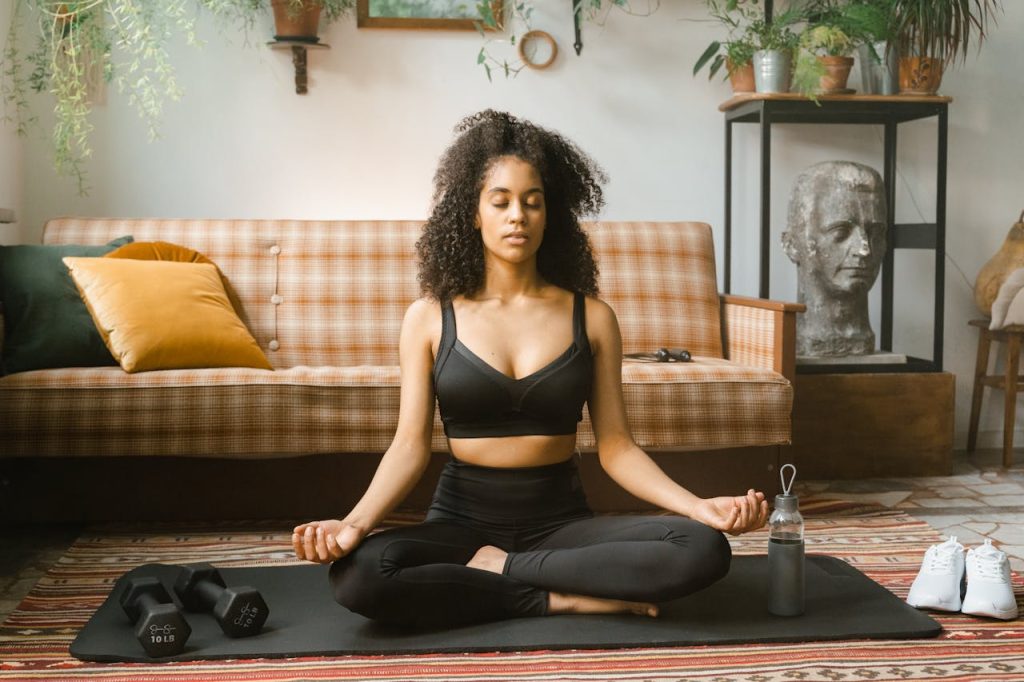
Discover the power of mindfulness intention and how setting intentional awareness can transform your meditation practice, emotional balance, and daily life. Learn practical steps and benefits.
Overview
In this blog post, you’ll learn:
- What mindfulness intention truly means (and how it’s different from goals)
- Why setting a mindfulness intention is essential for meditation and daily awareness
- How mindfulness intention supports emotional balance, clarity, and inner peace
- Practical steps to set a powerful mindfulness intention
- How to integrate mindfulness intention into everyday life
- How guided meditation and professional support can deepen your intention practice
This guide is designed for beginners and experienced meditators alike, helping you cultivate mindful awareness with purpose.
Why Mindfulness Intention Matters
In today’s fast-paced, overstimulated world, it’s easy to move through life on autopilot. Many people try meditation hoping it will “fix” stress, anxiety, or burnout—but without a clear mindfulness intention, the practice can feel unfocused or inconsistent.
A mindfulness intention brings direction, meaning, and awareness to your meditation and daily life. Instead of trying to control outcomes, intention helps you cultivate how you want to show up—moment by moment.
At Mindfulness Meditation Hub, we guide individuals to reconnect with their inner awareness by teaching intentional mindfulness practices that are accessible, grounding, and transformative.

What Is Mindfulness Intention?
A mindfulness intention is a conscious commitment to how you want to relate to your thoughts, emotions, body, and experiences in the present moment.
Unlike goals, which focus on future results, mindfulness intention focuses on present-moment awareness.
Why Mindfulness Intention Is the Foundation of Meditation
Meditation is not about stopping thoughts or forcing calm. It’s about relating differently to your inner world. A mindfulness intention creates that foundation.
Benefits of Practicing Mindfulness Intention
- Provides clarity and focus during meditation
- Encourages self-compassion instead of self-judgment
- Strengthens emotional resilience
- Improves consistency in mindfulness practice
- Helps you respond instead of react
- Deepens awareness in everyday life
When your meditation begins with intention, it becomes a living practice, not just a technique.
How Mindfulness Intention Supports Emotional Well-Being
A powerful aspect of mindfulness intention is its impact on emotional health. Rather than suppressing emotions, intention invites gentle awareness.
Emotional Benefits Include
- Greater emotional regulation
- Reduced anxiety and overwhelm
- Improved self-acceptance
- Enhanced empathy and patience
- Increased inner calm
By setting a mindfulness intention such as “I allow emotions to arise without resistance,” you create space for healing rather than avoidance.
How to Set a Mindfulness Intention (Step-by-Step)
Setting a mindfulness intention doesn’t require perfection. It requires sincerity.
Step 1: Pause and Reflect
Before meditation, ask yourself:
- How am I feeling right now?
- What do I need in this moment?
Step 2: Choose an Intention, Not a Demand
Your mindfulness intention should be gentle and realistic, such as
- “I intend to be present.”
- “I choose kindness toward myself.”
- “I remain open and curious.”
Step 3: Keep It Simple
One clear intention is enough. Avoid overcomplicating.
Step 4: Hold It Lightly
An intention is not something you force—it’s something you return to when your mind wanders.
Examples of Mindfulness Intentions
Here are practical mindfulness intention examples you can use:
Stress Relief
- “I breathe and allow my body to soften.”
- “I meet stress with awareness, not resistance.”
Emotional Healing
- “I allow emotions to arise and pass.”
- “I treat myself with compassion.”
Focus and Clarity
- “I bring my attention back to this moment.”
- “I observe without judgment.”
Daily Life
- “I move through my day with awareness.”
- “I listen deeply and respond mindfully.”
Mindfulness Intention in Daily Life
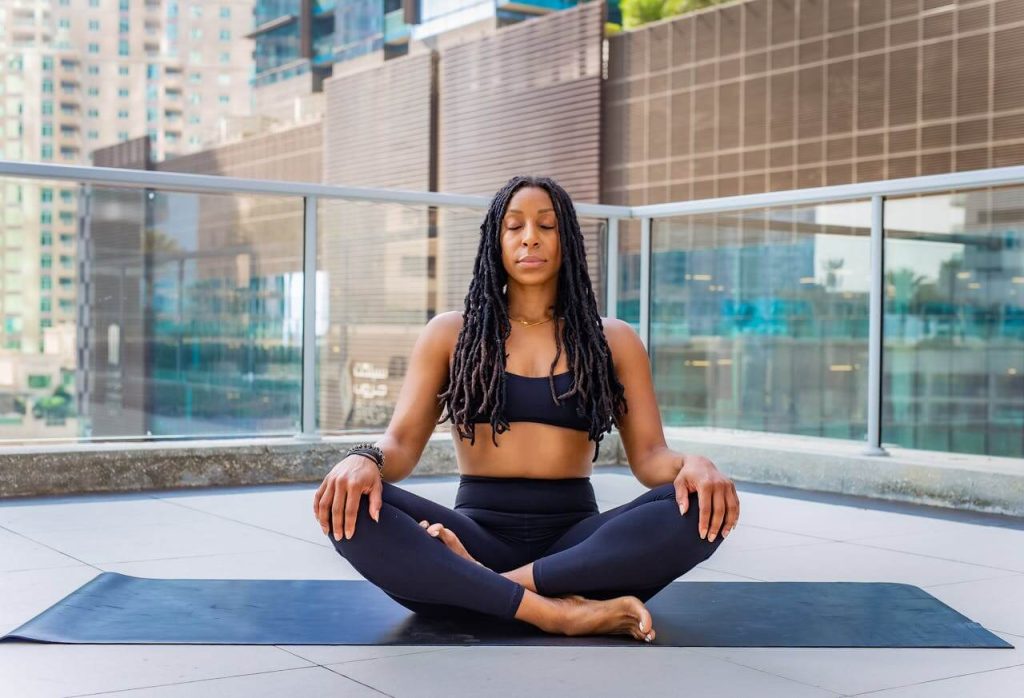
Mindfulness intention doesn’t stop when meditation ends. In fact, its greatest impact happens outside the cushion.
Ways to Apply Mindfulness Intention Daily
- Morning intention: Set the tone for your day.
- Mindful transitions: Pause before meetings or tasks
- Emotional check-ins: Notice reactions without judgment.
- Mindful communication: Listen with presence
- Evening reflection: Acknowledge moments of awareness
Even simple actions—like washing dishes or walking—become opportunities for mindfulness when guided by intention.
Common Mistakes When Practicing Mindfulness Intention
Understanding what not to do helps deepen your practice.
Avoid These Pitfalls
- Turning intention into rigid expectations
- Judging yourself for losing focus
- Trying to “control” your experience
- Comparing your practice to others
- Overthinking the process
Mindfulness intention is about relationship, not performance.
Guided Meditation and Professional Support
While intention can be practiced alone, guided meditation provides structure, consistency, and deeper insight—especially for beginners.
At Mindfulness Meditation Hub, we offer:
- Guided mindfulness meditations
- Intention-based meditation sessions
- Access to diverse teachers and styles
- Supportive resources for daily practice
- Free and accessible mindfulness content
Our services are designed to help you build a sustainable mindfulness intention practice that fits your life.
Why Mindfulness Intention Is a Lifelong Practice
Mindfulness intention evolves as you evolve. What you need today may change tomorrow—and that’s okay.
With consistent practice:
- Awareness deepens naturally.
- Compassion becomes instinctive.
- Presence becomes a way of living.
- Inner peace becomes accessible even in chaos.
Mindfulness intention doesn’t promise a perfect life—it teaches you how to meet life fully.
Final Thought
A mindfulness intention is a simple yet powerful act of self-awareness. It reminds you that you don’t need to fix yourself—you only need to show up with presence.
Whether you are new to meditation or deepening an existing practice, setting a mindfulness intention creates clarity, kindness, and purpose.
At Mindfulness Meditation Hub, we are honored to support your journey toward intentional living through accessible, guided mindfulness practices.
FAQs for Mindfulness Intention
What is mindfulness intention?
Mindfulness intention is a conscious choice to bring awareness, compassion, or presence into each moment, especially during meditation and daily activities.
How is mindfulness intention different from a goal?
A mindfulness intention focuses on how you show up in the present moment, while a goal focuses on a future outcome or achievement.
Why is mindfulness intention important in meditation?
Mindfulness intention gives your meditation direction, helping you stay grounded, focused, and non-judgmental throughout your practice.
Can beginners practice mindfulness intention?
Yes, mindfulness intention is ideal for beginners because it requires no prior meditation experience—just awareness and willingness.
How often should I set a mindfulness intention?
You can set a mindfulness intention daily, before meditation, or anytime you feel disconnected or overwhelmed.
Does mindfulness intention help reduce stress?
Yes, practicing mindfulness intention helps reduce stress by encouraging calm awareness and emotional regulation instead of reactive thinking.
Can mindfulness intention be practiced outside meditation?
Absolutely. Mindfulness intention can be applied to daily activities such as walking, eating, working, and communicating.
What are examples of mindfulness intentions?
Examples include “I choose to be present,” “I meet myself with compassion,” or “I observe my thoughts without judgment.”
How long does it take to feel the benefits of mindfulness intention?
Many people notice subtle benefits immediately, while deeper emotional and mental shifts develop with consistent practice over time.
Is mindfulness intention linked to emotional healing?
Yes, mindfulness intention supports emotional healing by creating a safe space to observe feelings without resistance or self-criticism.
Can mindfulness intention improve focus and clarity?
Yes, mindfulness intention strengthens attention and mental clarity by training the mind to return to the present moment.
What happens if I forget my mindfulness intention during meditation?
Forgetting is normal. Simply notice it without judgment and gently return to your mindfulness intention.
Should mindfulness intention change over time?
Yes, your mindfulness intention can evolve based on your emotional needs, life circumstances, and personal growth.
Do guided meditations support mindfulness intention?
Guided meditations are excellent for reinforcing mindfulness intention, especially for beginners who need structure and guidance.
How can Mindfulness Meditation Hub help with mindfulness intention?
Mindfulness Meditation Hub offers guided meditations, intention-based practices, and expert teachers to help you build a consistent mindfulness intention practice.
Related Topics
- Articles on Mindfulness: Power of Meditation for Daily Life
- What Does Mindfulness Mean? Understanding Its Benefits
- What Is Being Mindfulness? A Complete Guide to Mindful Living
- Walking Mindfulness Meditation: A Simple Path to Inner Peace
- Mindfulness Body Scan Meditation: A Complete Guide
- Workplace Mindfulness: Improve Focus & Productivity
- Meditation Methods for Beginners | Start Your Mindfulness Journey
- What Does Being Mindful Mean? A Complete Guide to Mindfulness
- Definition of Mindfulness? Meaning, Benefits & Practice
- Mindfulness for the Workplace: Boost Productivity & Well-being
- Breath Meditation: A Complete Guide to Mindfulness & Relaxation
- Mastering the Art of Having Patience: A Mindfulness Approach
- Mindfulness Meditation for Anxiety: Calm Your Mind
- Self Meditating: A Complete Guide to Practicing Mindfulness
- Mindfulness for Grief: Find Peace Through Mindful Awareness
- Meditation and Sounds: Boost Mindfulness & Relaxation
- Emotion Mindfulness: Techniques to Manage Your Feelings
- Daily Mindfulness: How to Transform Your Life