
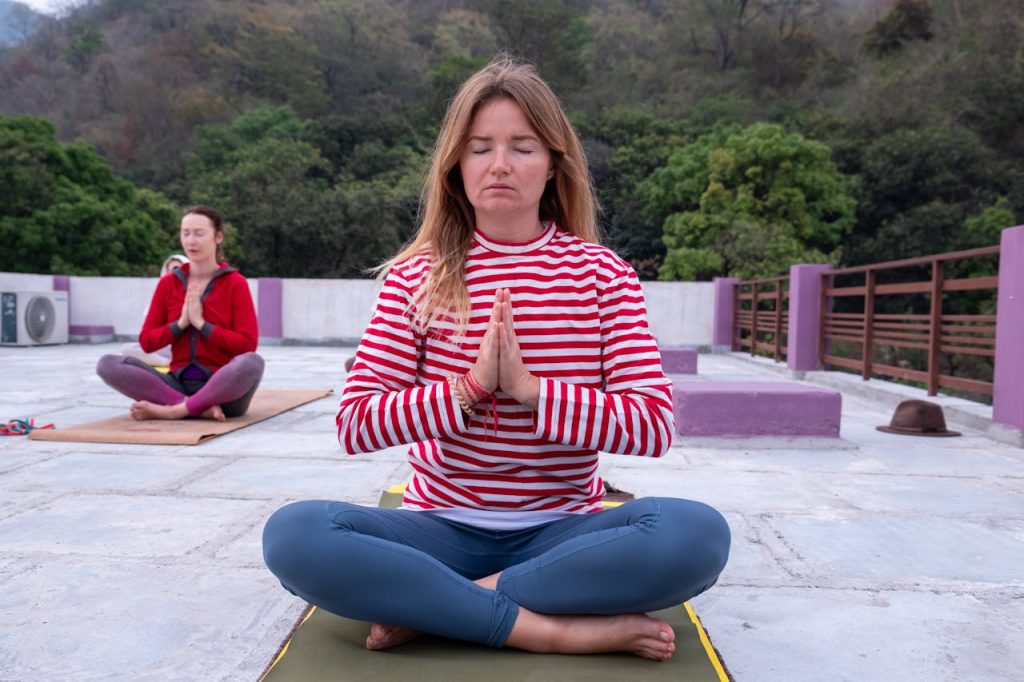
Discover how adopting a mindful life can improve your mental clarity, reduce stress, and boost emotional well-being. Learn practical tips to live mindfully every day.
Overview
In this blog post, readers will learn:
- What it means to live a mindful life
- The science-backed benefits of mindfulness for mental, emotional, and physical health
- Practical tips to integrate mindfulness into daily routines
- How mindfulness can transform work, relationships, and personal growth
By the end, readers will feel empowered to embrace mindful living and experience lasting positive changes in their daily lives.
Mindfulness Life: A Path to Clarity, Peace, and Happiness
In today’s fast-paced world, it’s easy to feel overwhelmed, distracted, or disconnected from our own lives. Adopting a mindful life can help bring focus, calm, and a deeper sense of purpose. Mindfulness is more than just a meditation practice—it’s a lifestyle that promotes awareness, presence, and intentional living.
Living a mindfulness life doesn’t require hours of meditation each day. Instead, it involves integrating simple habits and practices into your everyday routine that allow you to experience each moment fully.

What is a mindful life?
A mindful life is a way of living in which you consciously pay attention to the present moment without judgement. It’s about noticing your thoughts, emotions, and surroundings while cultivating acceptance and compassion.
Key aspects of a mindful life include the following:
- Awareness of your thoughts and emotions
- Intentional living, making conscious choices instead of reacting automatically
- Compassion toward yourself and others
- Regular mindfulness practices, such as meditation, deep breathing, or mindful walking
Living mindfully doesn’t mean ignoring problems—it means approaching life with clarity, patience, and understanding.
The Benefits of a Mindfulness Life
Adopting a mindful life can have profound effects on your mental, emotional, and physical well-being. Here are some of the most impactful benefits:
1. Reduced Stress and Anxiety
Mindfulness allows you to respond to stressful situations calmly. By focusing on the present rather than worrying about the future or dwelling on the past, you can reduce anxiety and feel more centred.
2. Improved Emotional Regulation
Living mindfully helps you recognise emotions as they arise and respond thoughtfully instead of impulsively. This enhances emotional resilience and strengthens your relationships.
3. Enhanced Focus and Productivity
A mindfulness life cultivates mental clarity, helping you focus better on tasks and make decisions with greater awareness. This can improve productivity at work and in personal projects.
4. Better Physical Health
Research shows that mindfulness can lower blood pressure, reduce chronic pain, improve sleep quality, and boost immune function. The mind-body connection plays a key role in holistic health.
5. Increased Happiness and Life Satisfaction
Mindfulness encourages gratitude, acceptance, and contentment. Practising it regularly can help you enjoy simple pleasures and experience a deeper sense of fulfilment.
Practical Ways to Incorporate Mindfulness into Daily Life
Adopting a mindful life doesn’t have to be complicated. Here are practical steps you can start today:
1. Morning Mindfulness Routine
- Begin your day with a 5–10 minute meditation.
- Focus on your breath and set a positive intention for the day.
- Avoid immediately checking your phone or email
2. Mindful Eating
- Eat slowly and savour every bite
- Pay attention to flavours, textures, and smells
- Notice your body’s hunger and fullness cues
3. Mindful Movement
- Practise yoga, tai chi, or mindful stretching
- Focus on the sensations of your body during movement
- Walk in nature and observe your surroundings
4. Mindful Work Habits
- Take short mindfulness breaks during work
- Focus on one task at a time rather than multitasking
- Notice your thoughts without judgement and gently redirect focus when distracted
5. Evening Reflection
- Take a few minutes to reflect on your day.
- Practice gratitude by noting three things you are thankful for
- Use deep breathing to release tension before bed
Mindfulness in Relationships
A mindfulness life also transforms the way you connect with others. Being fully present in conversations can:
- Strengthen emotional bonds
- Improve communication
- Reduce conflicts caused by misunderstandings
Simple techniques include active listening, maintaining eye contact, and pausing before responding. When both parties practise mindfulness, interactions become more meaningful and compassionate.
Overcoming Common Challenges
Starting a mindfulness life may feel challenging at first. Common obstacles include:
- Busy schedules: Start with small, consistent practices like 5-minute meditations
- Restless mind: Acknowledge wandering thoughts without frustration, then return to your breath.
- Impatience: Mindfulness is a lifelong practice—progress comes with consistency, not perfection.
Remember, a mindfulness life is about progress, not perfection. Each mindful moment contributes to long-term well-being.
Mindfulness Life and Mental Health
Numerous studies support the mental health benefits of mindfulness:
- Reduces symptoms of anxiety and depression
- Enhances emotional regulation and resilience
- Improves attention span and memory
- Supports recovery from trauma
By living mindfully, you create a strong foundation for emotional stability and mental clarity.
Why Choose Our Mindfulness Meditation Services
At Mindfulness Meditation Hub, we guide individuals to fully embrace a mindfulness life through tailored practices, online resources, and step-by-step guidance. Here’s why our services stand out:
- Expert Guidance: Our instructors are trained in evidence-based mindfulness and meditation techniques.
- Flexible Programmes: Options for beginners, intermediates, and advanced practitioners
- Comprehensive Resources: Access articles, guided meditations, videos, and downloadable practices
- Supportive Community: Join a network of like-minded individuals on the journey to mindful living.
Our goal is to help you cultivate a lifestyle that reduces stress, increases happiness, and promotes lasting mental and physical health.
Final Thoughts
A mindfulness life is not just about meditation—it’s a conscious approach to living each day with awareness, presence, and intention. Whether it’s in your work, relationships, or personal growth, mindfulness helps you navigate life with calmness, clarity, and compassion.
By adopting even a few mindful habits, you can experience:
- Reduced stress and anxiety
- Improved focus and productivity
- Stronger relationships
- Greater emotional balance
- Increased life satisfaction
Start your journey toward a mindfulness life today. Every moment is an opportunity to cultivate presence, embrace gratitude, and live intentionally.
FAQs for Mindfulness Life
What is a mindfulness life?
A mindfulness life means living with awareness, focusing on the present moment, and responding to situations intentionally rather than reacting automatically.
How can I start living a mindfulness life?
Begin with small daily practices, such as mindful breathing, meditation, mindful eating, or taking short moments to focus on your surroundings.
What are the main benefits of a mindfulness life?
Benefits include reduced stress and anxiety, improved focus, better emotional regulation, enhanced relationships, and overall life satisfaction.
How long does it take to see results from living mindfully?
Results vary by person, but most people notice improved clarity, calmness, and emotional balance within a few weeks of consistent practice.
Can mindfulness help with stress and anxiety?
Yes, adopting a mindfulness life can reduce stress and anxiety by promoting presence, awareness, and conscious responses to challenges.
Is mindfulness life only about meditation?
No. While meditation is a key tool, mindfulness also includes everyday practices like mindful eating, walking, listening, and intentional decision-making.
How can I incorporate mindfulness into my busy schedule?
Start with 5–10 minutes a day, practice mindfulness during routine tasks, or use guided meditations to integrate awareness without disrupting your schedule.
Can mindfulness improve my relationships?
Absolutely. Being present in conversations, actively listening, and responding thoughtfully can strengthen emotional bonds and reduce conflicts.
Is mindfulness life suitable for beginners?
Yes, anyone can start practicing mindfulness. Simple steps like focusing on your breath or observing daily activities can help beginners build a mindful routine.
How does mindfulness affect mental health?
Mindfulness supports mental health by reducing symptoms of anxiety and depression, improving focus, enhancing emotional resilience, and fostering overall psychological well-being.
Can mindfulness improve physical health?
Yes, mindfulness can improve sleep quality, lower blood pressure, reduce chronic pain, and support immune function through the mind-body connection.
How do I maintain consistency in a mindfulness life?
Set reminders, create a daily routine, start with small practices, and gradually expand your mindfulness exercises over time.
Can children practice mindfulness life?
Yes. Children can benefit from mindfulness by learning to manage emotions, improve focus, and develop empathy through simple age-appropriate exercises.
What is the difference between mindfulness and being mindful?
Mindfulness is the overall practice and lifestyle of awareness and presence, while being mindful refers to the moment-to-moment application of this awareness in daily activities.
Can mindfulness life help with emotional well-being?
Definitely. Mindfulness helps you recognize and manage emotions effectively, cultivate compassion, and develop emotional resilience for healthier, more balanced living.
Related Topics
- Articles on Mindfulness: Power of Meditation for Daily Life
- What Does Mindfulness Mean? Understanding Its Benefits
- What Is Being Mindfulness? A Complete Guide to Mindful Living
- Walking Mindfulness Meditation: A Simple Path to Inner Peace
- Mindfulness Body Scan Meditation: A Complete Guide
- Workplace Mindfulness: Improve Focus & Productivity
- Meditation Methods for Beginners | Start Your Mindfulness Journey
- What Does Being Mindful Mean? A Complete Guide to Mindfulness
- Definition of Mindfulness? Meaning, Benefits & Practice
- Mindfulness for the Workplace: Boost Productivity & Well-being
- Breath Meditation: A Complete Guide to Mindfulness & Relaxation
- Mastering the Art of Having Patience: A Mindfulness Approach
- Mindfulness Meditation for Anxiety: Calm Your Mind
- Self Meditating: A Complete Guide to Practicing Mindfulness
- Mindfulness for Grief: Find Peace Through Mindful Awareness
- Meditation and Sounds: Boost Mindfulness & Relaxation
- Emotion Mindfulness: Techniques to Manage Your Feelings
- Daily Mindfulness: How to Transform Your Life