
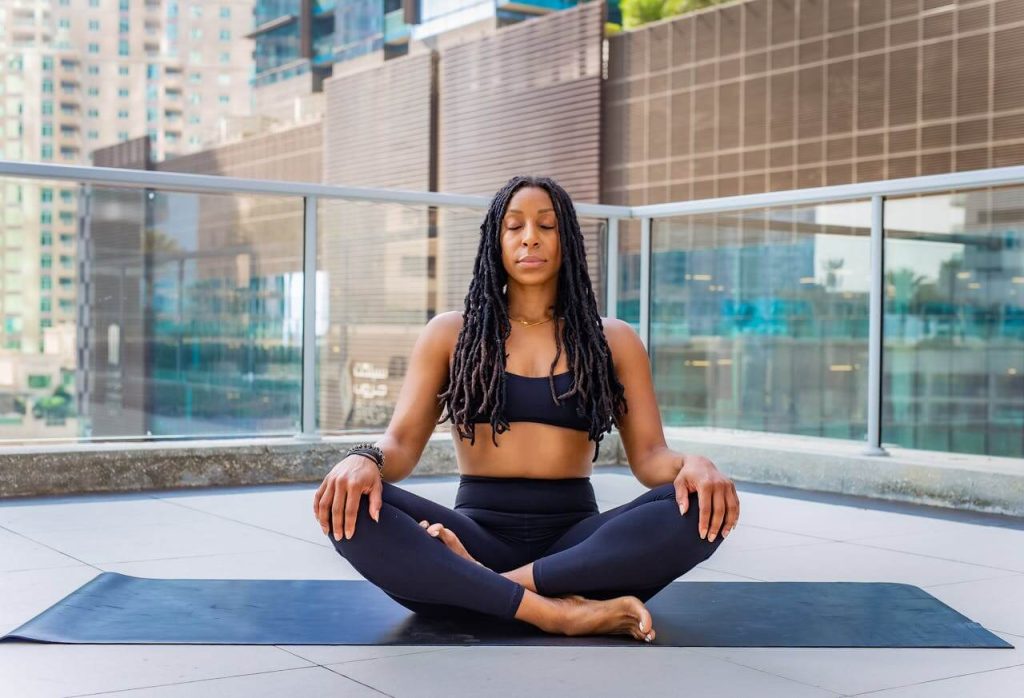
Discover the benefits of mindfulness movement exercises to enhance mental clarity, reduce stress, and improve physical health. Learn simple techniques for daily practice.
Overview
In this blog post, readers will learn about the powerful connection between mindful movement and overall well-being. By incorporating mindfulness movement exercises into daily routines, individuals can improve mental clarity, reduce stress, and enhance physical health. This guide will provide practical examples of exercises, step-by-step instructions, and tips for creating a sustainable mindful movement practice at home or work.
By the end of this article, readers will understand:
- What mindfulness movement exercises are and why they matter
- The key benefits for mental, emotional, and physical health
- Easy-to-follow exercises to start practicing immediately
- How to incorporate mindful movement into daily life for long-term wellness
What Are Mindfulness Movement Exercises?
Mindfulness movement exercises are physical activities performed with full attention and awareness of the body, breath, and surroundings. Unlike regular exercise that focuses solely on fitness, these practices combine the mental benefits of mindfulness with gentle movement.
The main principle is being present—not rushing through movements or thinking about the past or future. Every action, from lifting an arm to walking across a room, becomes a meditative experience.
Common forms of mindfulness movement include:
- Yoga—Slow, controlled postures combined with deep breathing
- Tai Chi & Qigong – Flowing, low-impact sequences that promote balance
- Walking Meditation – Mindful awareness while moving naturally
- Stretching Routines – Focusing on sensations, tension, and release
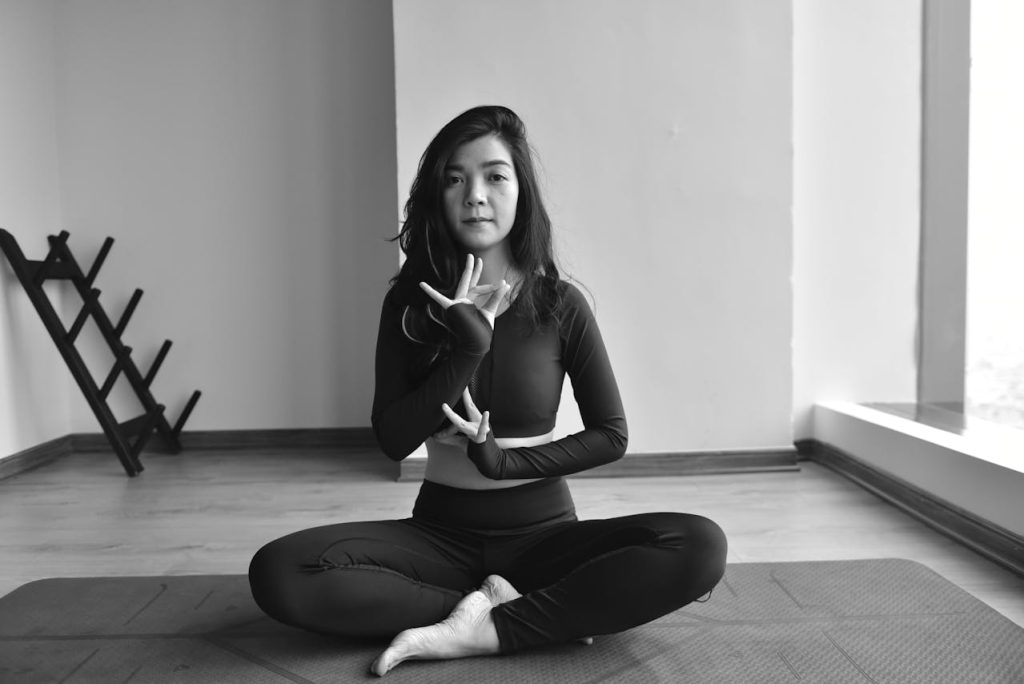
The Benefits of Mindfulness Movement Exercises
Practicing mindfulness movement exercises offers numerous physical, mental, and emotional benefits. Here’s how:
1. Reduces Stress and Anxiety
By focusing on the breath and bodily sensations, these exercises calm the nervous system and reduce cortisol levels. Even just 10–15 minutes of mindful movement can create a noticeable sense of relaxation.
2. Improves Mental Clarity and Focus
Mindful movements encourage present-moment awareness, enhancing concentration and decision-making. Regular practice can improve cognitive function and memory retention over time.
3. Enhances Physical Health
Gentle movements increase circulation, flexibility, and muscular strength without putting excessive strain on the body. This makes it accessible for all fitness levels, including beginners and older adults.
4. Promotes Emotional Balance
By connecting mind and body, mindfulness movement helps regulate emotions, reducing impulsive reactions and improving overall mood.
5. Encourages Better Posture and Body Awareness
Regular mindful movement improves alignment, strengthens postural muscles, and fosters awareness of bodily habits that may contribute to pain or tension.
Popular Mindfulness Movement Exercises You Can Try
Here are some mindfulness movement exercises that you can practice daily to enhance your wellness:
1. Mindful Walking
How to do it:
- Choose a quiet, safe path
- Walk slowly and deliberately.
- Focus on the sensation of your feet touching the ground.
- Notice your breath, the sounds, and the sights around you.
- Walk for 5–20 minutes daily
Benefits: Enhances focus, reduces stress, and connects you with your surroundings
2. Gentle Yoga Flow
How to do it:
- Begin with a seated meditation for 1–2 minutes.
- Move into slow stretches: neck rolls, shoulder openers, cat-cow pose, and gentle twists
- Sync your breath with each movement
- End with a short Savasana (resting pose)
Benefits: Improves flexibility, reduces tension, and cultivates mindfulness
3. Tai Chi or Qigong Basics
How to do it:
- Stand with feet shoulder-width apart
- Move slowly in flowing sequences of arms and legs
- Focus on balance and controlled breathing
- Repeat movements 5–10 times per session
Benefits: Increases balance, circulation, and body awareness
4. Mindful Stretching Routine
How to do it:
- Sit or stand comfortably
- Stretch each major muscle group slowly.
- Pay attention to areas of tension and consciously release them.
- Breathe deeply into tight areas for full relaxation.
Benefits: Reduces muscle stiffness, improves posture, and encourages body awareness
Tips for Incorporating Mindfulness Movement Exercises into Your Life
To get the most out of your practice, follow these strategies:
- Set a daily intention: Before starting, decide what you want to focus on—stress relief, clarity, or relaxation.
- Start small: Even 5–10 minutes of daily mindful movement is effective.
- Use guided resources: Apps, videos, or classes can help maintain consistency and proper form.
- Eliminate distractions: Turn off notifications and create a calm space for practice.
- Track your progress: Journaling feelings or physical changes can reinforce motivation.
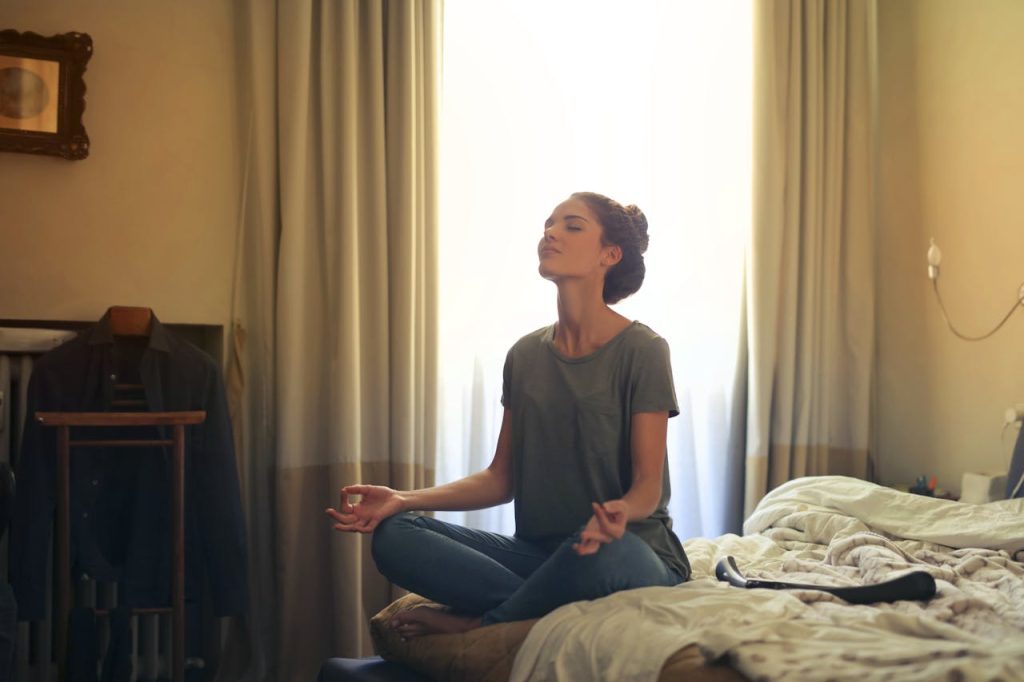
Mindfulness Movement Exercises for Different Lifestyles
Mindful movement is versatile and can be adapted to any routine:
- For office workers: Desk stretches and mini walking meditations
- For parents: Gentle yoga sessions with children or short mindful breaks
- For athletes: Integrating mindful breathing into warm-ups or cooldowns
- For seniors: Chair yoga, slow Tai Chi, or stretching sequences to maintain mobility
Common Mistakes to Avoid
Even mindful exercises require awareness to be effective. Avoid these pitfalls:
- Rushing through movements: Mindfulness requires patience. Slow down.
- Ignoring breath: Breath is central; don’t treat it as optional.
- Overcomplicating exercises: Start simple and gradually progress.
- Skipping consistency: Daily practice—even for a few minutes—builds long-term benefits.
Creating a Mindful Movement Routine at Home
Here’s a sample 15-minute daily routine for beginners:
- 2 min: Seated meditation—focus on breath
- 5 min: Gentle stretches (neck, shoulders, back)
- 5 min: Mindful walking around your home or yard
- 3 min: Closing meditation—reflect on sensations and feelings
Consistency is key. Over time, this practice strengthens the connection between body and mind, enhancing both physical and emotional health.
Final Thought
Mindfulness movement exercises are a powerful tool for improving overall wellness. They help reduce stress, improve focus, enhance physical health, and foster emotional balance. By incorporating even a few minutes of mindful movement into your daily routine, you can create a sustainable practice that nourishes both body and mind.
At Mindfulness Meditation Hub, we offer guided resources, live sessions, and expert instruction to help you start and maintain a mindful movement practice. Whether you are new to mindfulness or seeking to deepen your practice, our exercises are designed to fit seamlessly into your daily life.
Start today and experience the transformative benefits of mindful movement. Your mind and body will thank you.
FAQs for Mindfulness Movement Exercises
What are mindfulness movement exercises?
Mindfulness movement exercises are physical activities performed with full attention to your body, breath, and sensations, combining movement with meditative awareness.
How do mindfulness movement exercises reduce stress?
By focusing on breath and body awareness, these exercises calm the nervous system and help lower cortisol levels, reducing stress and anxiety.
Can mindfulness movement exercises improve focus?
Yes! Practicing mindful movements enhances concentration and mental clarity by training your brain to stay present in the moment.
Are mindfulness movement exercises suitable for beginners?
Absolutely. Most exercises like gentle yoga, Tai Chi, and mindful walking are beginner-friendly and can be adapted to any fitness level.
How often should I practice mindfulness movement exercises?
Daily practice, even for 5–15 minutes, is ideal. Consistency is more important than long durations.
Can I combine mindfulness movement exercises with other workouts?
Yes. These exercises complement regular fitness routines by improving body awareness, flexibility, and mental focus.
Do mindfulness movement exercises help with anxiety?
Yes, they promote relaxation and emotional balance, helping reduce symptoms of anxiety and improve overall mood.
What equipment do I need for mindfulness movement exercises?
Most exercises require minimal or no equipment. A yoga mat or comfortable space is helpful but not necessary.
Can children practice mindfulness movement exercises?
Yes, children can benefit from simple mindful movements, stretches, or walking meditations to improve focus and emotional awareness.
How do mindfulness movement exercises differ from regular exercise?
Unlike standard workouts that focus on fitness or strength, mindfulness movement emphasizes present-moment awareness, breath, and body sensations.
Can mindfulness movement exercises improve posture?
Yes. By increasing body awareness and strengthening postural muscles, these exercises can help correct poor posture and reduce tension.
How long does it take to see benefits from mindfulness movement exercises?
Many people feel immediate relaxation after a single session, but consistent practice over weeks enhances stress relief, focus, and physical wellness.
Are mindfulness movement exercises safe for seniors?
Yes. Gentle routines like chair yoga, Tai Chi, or slow stretches are safe and beneficial for seniors, helping with balance and flexibility.
Can mindfulness movement exercises help with sleep?
Yes. Practicing mindful movements in the evening can relax the body and mind, making it easier to fall asleep and improve sleep quality.
How can I start practicing mindfulness movement exercises at home?
Start small with 5–10 minutes of mindful walking, stretching, or gentle yoga. Focus on your breath, body sensations, and creating a consistent daily routine.
Related Topics
- Articles on Mindfulness: Power of Meditation for Daily Life
- What Does Mindfulness Mean? Understanding Its Benefits
- What Is Being Mindfulness? A Complete Guide to Mindful Living
- Walking Mindfulness Meditation: A Simple Path to Inner Peace
- Mindfulness Body Scan Meditation: A Complete Guide
- Workplace Mindfulness: Improve Focus & Productivity
- Meditation Methods for Beginners | Start Your Mindfulness Journey
- What Does Being Mindful Mean? A Complete Guide to Mindfulness
- Definition of Mindfulness? Meaning, Benefits & Practice
- Mindfulness for the Workplace: Boost Productivity & Well-being
- Breath Meditation: A Complete Guide to Mindfulness & Relaxation
- Mastering the Art of Having Patience: A Mindfulness Approach
- Mindfulness Meditation for Anxiety: Calm Your Mind
- Self Meditating: A Complete Guide to Practicing Mindfulness
- Mindfulness for Grief: Find Peace Through Mindful Awareness
- Meditation and Sounds: Boost Mindfulness & Relaxation
- Emotion Mindfulness: Techniques to Manage Your Feelings
- Daily Mindfulness: How to Transform Your Life