
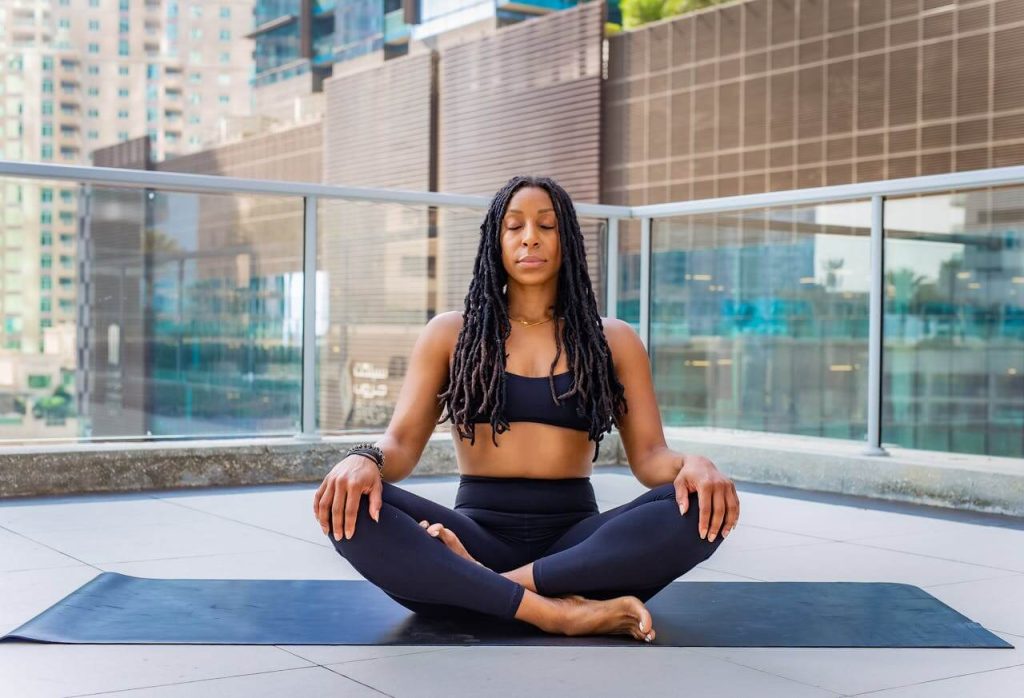
Discover how mindfulness can help you manage negative thoughts, reduce stress, and improve emotional well-being. Learn practical techniques to stay present and calm.
Overview
In this post, readers will learn how mindfulness can help manage negative thoughts, reduce self-criticism, and improve overall mental clarity. We’ll explore practical strategies, step-by-step exercises, and daily practices that anyone can implement to develop a calmer, more present-focused mindset. By the end, you’ll understand how to use mindfulness as a tool to observe negative thoughts without judgment and cultivate emotional resilience.
What Are Negative Thoughts?
Negative thoughts are automatic, often repetitive ideas or beliefs that can cause stress, anxiety, or self-doubt. Examples include:
- Thinking “I can’t do anything right”
- Worrying excessively about the future
- Reliving past mistakes or failures
While occasional negative thoughts are natural, constant negativity can affect mental health, physical well-being, and relationships.
This is where mindfulness and negative-thought techniques can make a huge difference. Mindfulness teaches us to notice these thoughts without getting caught up in them.

How Mindfulness Helps With Negative Thoughts
Mindfulness is the practice of paying attention to the present moment in a non-judgmental way. When applied to negative thoughts, mindfulness helps you:
- Recognize patterns: Become aware of recurring negative thoughts before they spiral.
- Reduce judgment: Accept thoughts as temporary events in the mind rather than facts.
- Decrease stress: Lower anxiety and emotional reactivity caused by self-critical thinking.
- Improve emotional resilience: Strengthen your ability to respond calmly to challenges.
Research shows that mindfulness practices, like meditation and mindful breathing, can significantly reduce rumination and stress, which are often fueled by negative thought cycles.
Practical Mindfulness Techniques to Manage Negative Thoughts
Here are effective strategies to apply mindfulness and negative thought practices in daily life:
1. Mindful Breathing
Focusing on your breath is one of the simplest ways to create space between you and your negative thoughts.
How to practice:
- Sit comfortably with a straight back.
- Close your eyes and take deep breaths.
- Notice the sensation of air entering and leaving your nostrils.
- If your mind wanders to negative thoughts, gently return your attention to your breath.
Tip: Start with 5–10 minutes daily and gradually increase.
2. Observe Thoughts Without Judgment
Mindfulness teaches you to treat thoughts as mental events, not as truths.
Exercise:
- When a negative thought arises, label it: “thinking” or “planning” or “judging.”
- Observe it neutrally, without trying to push it away.
- Recognize that thoughts come and go naturally.
This reduces the power of negative thoughts and prevents over-identifying with them.
3. Body Scan Meditation
Negative thoughts often trigger tension in the body. A body scan helps release that tension.
Steps:
- Lie down or sit comfortably.
- Close your eyes and focus on each part of your body, from toes to head.
- Notice sensations without judgment.
- If negative thoughts appear, return focus to the body sensation.
This practice promotes relaxation and anchors your awareness in the present moment.
4. Mindful Journaling
Writing down thoughts can clarify the mind and reduce mental clutter.
How to journal mindfully:
- Set aside 10–15 minutes daily.
- Write down negative thoughts without censoring.
- Observe patterns and triggers.
- After journaling, take a moment to acknowledge your thoughts without judgment.
Journaling paired with mindfulness increases awareness and emotional processing.
5. Labeling and Reframing
Labeling thoughts helps you detach from them, while reframing allows you to shift perspective.
Example:
- Thought: “I’ll never succeed.”
- Label: “self-doubt.”
- Reframe: “I may face challenges, but I can take small steps to improve.”
Over time, this reduces the intensity of negative thinking and encourages self-compassion.
Daily Practices to Strengthen Mindfulness
Integrating mindfulness into daily life ensures long-term benefits for mental clarity and emotional stability:
- Mindful walking: Focus on the sensation of each step.
- Mindful eating: Pay attention to the taste, texture, and smell of food.
- Pause and breathe: Before reacting to stress, take a breath and observe your thoughts.
- Gratitude practice: Note three things you are thankful for each day.
Even a few minutes a day of these practices can help reduce persistent negative thoughts and promote a positive mindset.

Who Can Benefit from Mindfulness Negative Thoughts Practices?
Mindfulness is suitable for anyone, especially those:
- Experiencing chronic stress or anxiety
- Struggling with self-criticism or low self-esteem
- Wanting to improve focus and emotional balance
- Looking for tools to manage overthinking
While mindfulness is generally safe, beginners may start with short sessions and gradually increase duration for the best results.
Why Mindfulness Works Better Than Suppressing Negative Thoughts
Suppressing or avoiding negative thoughts often makes them stronger. Mindfulness teaches acceptance and awareness, which allows the mind to process emotions naturally.
Key benefits include:
- Reduced rumination
- Lower cortisol (stress hormone) levels
- Enhanced emotional regulation
- Improved overall mental well-being
Tips for Staying Consistent With Mindfulness
Consistency is essential to manage negative thoughts effectively. Here are tips to stay committed:
- Set a daily routine, even 5–10 minutes a day.
- Use guided meditations for structure.
- Keep a mindfulness journal
- Pair mindfulness with daily activities (walking, eating, chores).
- Celebrate small victories and progress.
Final Thought
Negative thoughts are a natural part of the human experience, but they don’t have to control your life. By practicing mindfulness negative thought strategies—such as mindful breathing, observing thoughts without judgment, body scans, journaling, and reframing—you can create space between your mind and negative patterns.
Over time, these practices can reduce stress, improve focus, and promote emotional resilience, helping you live a calmer, more centered life.
Start small, stay consistent, and remember: mindfulness isn’t about eliminating negative thoughts—it’s about changing your relationship with them.
FAQs for Mindfulness Negative Thoughts
What are negative thoughts in mindfulness practice?
Negative thoughts are recurring, self-critical, or stressful ideas that can affect your mood and mental clarity. Mindfulness helps you observe them without judgment.
How can mindfulness help with negative thinking?
Mindfulness creates awareness of negative thoughts, allowing you to detach from them and reduce their emotional impact.
Can anyone practice mindfulness for negative thoughts?
Yes! Mindfulness techniques are suitable for beginners and experienced meditators alike, and can help anyone struggling with stress or self-criticism.
How long should I practice mindfulness daily?
Start with 5–10 minutes a day and gradually increase as you get comfortable with the practice.
What is the best mindfulness technique to reduce negative thoughts?
Mindful breathing and observing thoughts without judgment are highly effective for reducing negativity and mental rumination.
Can mindfulness completely eliminate negative thoughts?
No, mindfulness doesn’t eliminate thoughts but changes your relationship with them, reducing their control over your emotions.
How do I deal with persistent negative thoughts?
A combination of mindful breathing, journaling, body scans, and labeling thoughts can help manage persistent negativity.
Is mindful journaling effective for self-criticism?
Yes, writing down your thoughts mindfully allows you to observe patterns, release tension, and practice self-compassion.
Can mindfulness help with anxiety caused by negative thoughts?
Absolutely. Mindfulness reduces rumination and stress, which are major contributors to anxiety.
How does labeling thoughts work in mindfulness?
Labeling involves identifying your thoughts (e.g., “judging,” “planning”) to detach from them and observe them neutrally.
Are there apps to support mindfulness for negative thoughts?
Yes, there are several meditation and mindfulness apps, including guided practices specifically for stress and self-critical thinking.
Can mindfulness improve focus and concentration?
Yes, mindfulness strengthens attention and reduces mental clutter, allowing for better focus.
What is a body scan meditation?
A body scan is a mindfulness exercise where you focus on sensations in each part of your body, helping release tension and stay present.
How long does it take to notice benefits from mindfulness?
Many people notice small improvements within a few weeks, but consistent practice over months brings deeper emotional resilience.
Can mindfulness be combined with other therapies for negative thoughts?
Yes, mindfulness complements cognitive-behavioral therapy (CBT), counseling, and other mental health practices to manage negative thoughts effectively.
Related Topics
- Articles on Mindfulness: Power of Meditation for Daily Life
- What Does Mindfulness Mean? Understanding Its Benefits
- What Is Being Mindfulness? A Complete Guide to Mindful Living
- Walking Mindfulness Meditation: A Simple Path to Inner Peace
- Mindfulness Body Scan Meditation: A Complete Guide
- Workplace Mindfulness: Improve Focus & Productivity
- Meditation Methods for Beginners | Start Your Mindfulness Journey
- What Does Being Mindful Mean? A Complete Guide to Mindfulness
- Definition of Mindfulness? Meaning, Benefits & Practice
- Mindfulness for the Workplace: Boost Productivity & Well-being
- Breath Meditation: A Complete Guide to Mindfulness & Relaxation
- Mastering the Art of Having Patience: A Mindfulness Approach
- Mindfulness Meditation for Anxiety: Calm Your Mind
- Self Meditating: A Complete Guide to Practicing Mindfulness
- Mindfulness for Grief: Find Peace Through Mindful Awareness
- Meditation and Sounds: Boost Mindfulness & Relaxation
- Emotion Mindfulness: Techniques to Manage Your Feelings
- Daily Mindfulness: How to Transform Your Life