
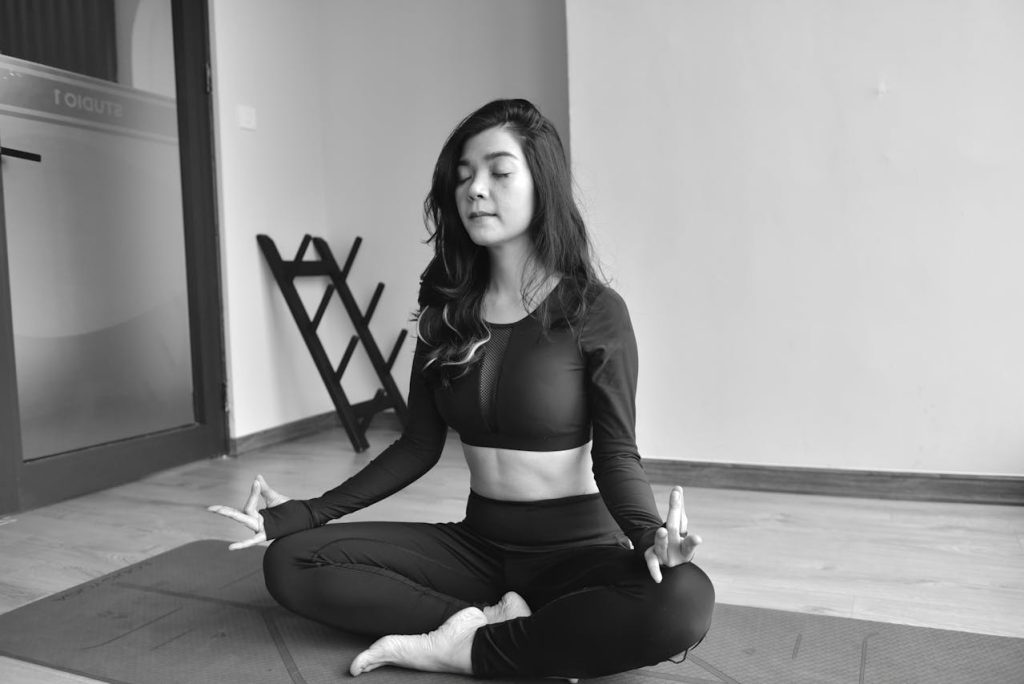
Discover the mindfulness RAIN technique to reduce stress, improve focus, and enhance emotional well-being. Learn step-by-step practices to stay present and calm in daily life.
Overview
In today’s fast-paced world, stress, anxiety, and emotional overwhelm are more common than ever. The mindfulness RAIN technique is a simple yet powerful method designed to help you observe your thoughts and emotions without judgment, allowing you to respond to challenges with clarity and calmness. In this article, you will learn what the mindfulness rain technique is, how to practice it effectively, its benefits, and how to integrate it into your daily life.
By the end of this guide, you will understand:
- The principles behind the mindfulness RAIN technique
- Step-by-step instructions to practice it
- How it can improve mental, emotional, and physical well-being
- Tips for making it a daily habit
What is the Mindfulness Rain Technique?
The mindfulness rain technique is a meditation practice developed to help you deal with negative emotions and thoughts by observing them with awareness. Unlike traditional meditation, which often focuses on concentration or breathing, this technique emphasizes acceptance and presence.
The word RAIN is an acronym that stands for
- R – Recognize your emotions and thoughts
- A – Allow them to be present without resistance
- I – Investigate the underlying causes and sensations
- N – Nurture yourself with compassion and understanding
By following these steps, you can respond to your emotions in a healthy way rather than reacting impulsively.
Why Use the Mindfulness Rain Technique?
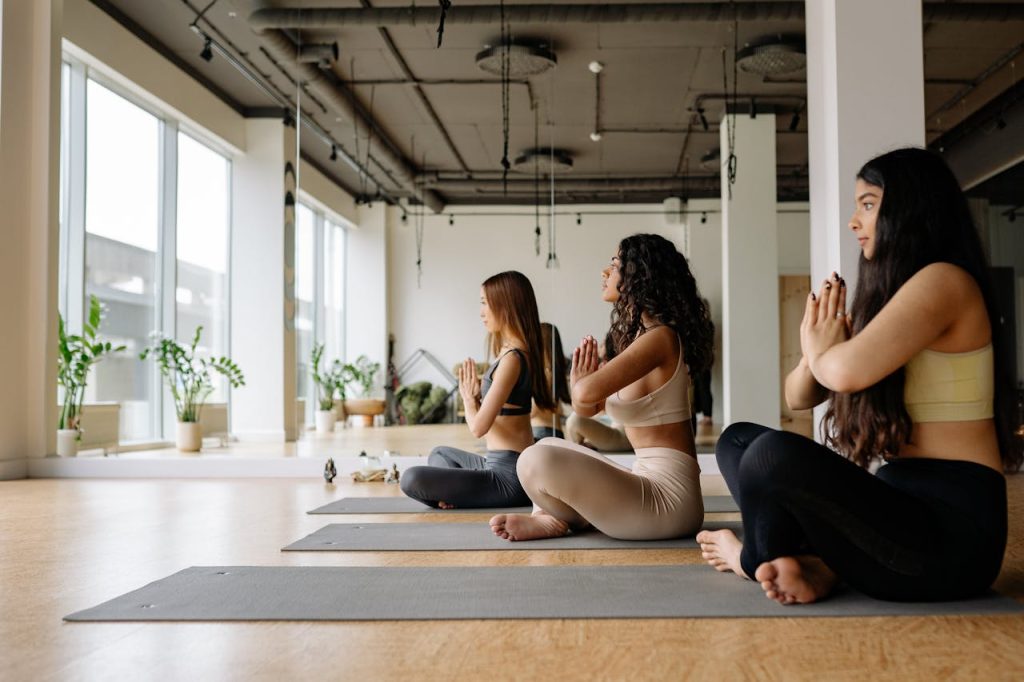
Practicing the mindfulness RAIN technique offers several benefits for mental and emotional well-being:
- Reduces stress and anxiety: By observing emotions instead of suppressing them, stress naturally decreases.
- Improves focus and clarity: You learn to stay present and avoid being consumed by distractions.
- Enhances emotional intelligence: Recognizing and nurturing emotions builds resilience and empathy.
- Promotes self-compassion: The technique encourages kindness toward yourself, reducing negative self-talk.
- Supports overall mental health: Regular practice can prevent emotional burnout and improve mood.
Step-by-Step Guide to Practicing the Mindfulness RAIN Technique
Here’s how to practice the mindfulness RAIN technique in everyday life:
1. Recognize
The first step is to recognize your emotions as they arise. Pause and identify what you are feeling. For example:
- Am I feeling anxious, angry, sad, or frustrated?
- Where do I feel this emotion in my body?
Recognition is about awareness, not judgment. You are simply noticing your experience.
2. Allow
Next, allow the emotion to exist without trying to push it away or suppress it. Accept that it is natural to feel this way. Thoughts like “I shouldn’t feel this” or “I need to get rid of this feeling” can increase tension, so gently remind yourself:
- “It’s okay to feel this right now.”
- “This feeling is temporary and will pass.”
3. Investigate
The investigation phase involves exploring your emotion with curiosity. Ask yourself:
- What triggered this feeling?
- How does this emotion manifest in my body?
- What thoughts or beliefs are associated with it?
Investing helps you understand your emotions and respond thoughtfully instead of reacting automatically.
4. Nurture
Finally, nurture yourself with compassion. Treat yourself as you would a close friend. You can say affirmations like
- “May I be kind to myself in this moment?”
- “I am doing the best I can, and it’s okay to feel this way.”
Self-compassion is essential in transforming emotional discomfort into inner calm.
Tips for Practicing Mindfulness Rain Daily
To make the mindfulness rain technique effective, consistency is key. Here are some tips:
- Start small: Begin with 5–10 minutes a day and gradually extend your practice.
- Use daily triggers: Practice RAIN whenever you feel stressed, overwhelmed, or anxious.
- Combine with breathing: Pair RAIN with deep breathing exercises to enhance relaxation.
- Journal your experiences: Writing about emotions can deepen self-awareness and insights.
- Be patient: Mastery takes time; the key is gentle, consistent practice.
Mindfulness Rain Technique in Everyday Life
This technique is not limited to meditation sessions. You can use it anytime, anywhere:
- At work: When deadlines or conflicts arise, pause and apply RAIN to manage stress.
- During arguments: Recognize and allow emotions before responding, reducing impulsive reactions.
- Before sleeping: Reflect on your day using RAIN to release emotional tension and prepare for restful sleep.
- Parenting and relationships: Stay calm and compassionate when emotions run high in interactions with loved ones.
Common Challenges and How to Overcome Them
Even simple practices like the mindfulness rain technique can have challenges:
- Difficulty staying present: If your mind wanders, gently bring attention back to your emotions.
- Feeling overwhelmed: Break down RAIN into smaller steps; focus on one at a time.
- Resistance to emotions: Practice acceptance gradually. Remind yourself that emotions are temporary.
- Lack of time: Even one minute of RAIN can be effective—short, frequent sessions are better than none.
Why the Mindfulness Rain Technique Works
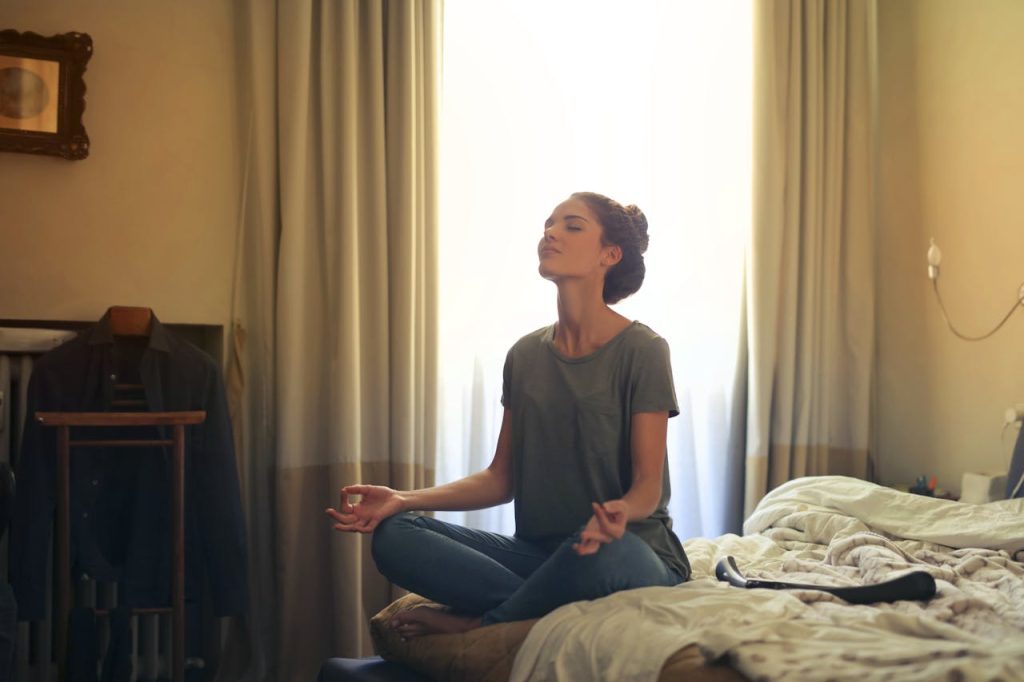
The RAIN technique is effective because it:
- Reduces emotional reactivity by promoting awareness
- Encourages self-compassion and emotional regulation
- Helps you develop resilience over time
- Builds a habit of observing rather than reacting
Studies in mindfulness show that practices like RAIN can lower cortisol levels, improve focus, and enhance emotional stability.
How Mindfulness Meditation Hub Supports You
At Mindfulness Meditation Hub, we offer guided sessions, workshops, and support to help you master techniques like mindfulness rain. By joining our platform, you can:
- Access guided RAIN meditations led by experienced instructors
- Join live sessions and connect with a supportive community
- Receive tips to integrate mindfulness into daily life
- Track progress and develop consistent practice habits
Whether you are a beginner or an experienced practitioner, our resources make it easy to incorporate the mindfulness RAIN technique into your routine.
Final Thoughts
The mindfulness RAIN technique is a practical and effective way to handle emotions, reduce stress, and cultivate inner peace. By recognizing, allowing, investigating, and nurturing your emotions, you can respond to life’s challenges with clarity and compassion.
Start small, be consistent, and embrace the journey. With regular practice, you will notice improvements in focus, emotional regulation, and overall well-being.
FAQs for Mindfulness Rain Technique
What is the mindfulness rain technique?
The mindfulness rain technique is a meditation method designed to help you observe your thoughts and emotions without judgment. It uses the acronym RAIN: Recognize, Allow, Investigate, Nurture.
How do I practice the mindfulness rain technique?
You start by recognizing your emotions, allowing them to exist, investigating their causes, and nurturing yourself with compassion. Consistency and patience are key to effective practice.
Can the mindfulness rain technique reduce stress?
Yes, this technique is effective for reducing stress by promoting awareness and preventing impulsive reactions to negative emotions.
Is the mindfulness rain technique suitable for beginners?
Absolutely! Beginners can start with short sessions of 5–10 minutes, gradually extending the practice as they become more comfortable.
How long should I practice the mindfulness rain technique each day?
Starting with 5–10 minutes daily is recommended. You can gradually increase the duration as you become more familiar with the practice.
Can I use the mindfulness rain technique at work?
Yes, you can apply RAIN anytime, including at work, during stressful situations, or in emotionally challenging moments.
Does the mindfulness rain technique help with anxiety?
Yes, it helps manage anxiety by allowing you to acknowledge and process emotions rather than avoiding or suppressing them.
How is mindfulness rain different from other meditation techniques?
Unlike other meditation techniques that focus primarily on concentration or breath, RAIN emphasizes acceptance, observation, and self-compassion for emotional processing.
Can the mindfulness rain technique improve emotional intelligence?
Yes, regularly practicing RAIN increases self-awareness, empathy, and emotional regulation, all of which contribute to higher emotional intelligence.
How can I integrate the mindfulness rain technique into daily life?
Use triggers like stressful situations, arguments, or moments of overwhelm as opportunities to practice RAIN. Pair it with journaling, breathing exercises, or guided meditations for best results.
Are there guided meditations for the mindfulness rain technique?
Yes, platforms like Mindfulness Meditation Hub provide guided RAIN meditations led by experienced instructors to support your practice.
Is mindfulness rain effective for children and teenagers?
With proper guidance, children and teenagers can benefit from RAIN by learning to recognize and manage their emotions in a healthy way.
Can mindfulness rain help improve sleep?
Yes, applying RAIN before bedtime can release emotional tension and promote relaxation, which contributes to better sleep quality.
How long does it take to see results with the mindfulness rain technique?
Some people notice improvements in emotional awareness and stress reduction within a few days, while consistent practice over weeks enhances long-term benefits.
Can the mindfulness rain technique be combined with other mindfulness practices?
Yes, it pairs well with breathing exercises, mindful walking, yoga, or other meditation practices to enhance overall well-being.
Related Topics
- Articles on Mindfulness: Power of Meditation for Daily Life
- What Does Mindfulness Mean? Understanding Its Benefits
- What Is Being Mindfulness? A Complete Guide to Mindful Living
- Walking Mindfulness Meditation: A Simple Path to Inner Peace
- Mindfulness Body Scan Meditation: A Complete Guide
- Workplace Mindfulness: Improve Focus & Productivity
- Meditation Methods for Beginners | Start Your Mindfulness Journey
- What Does Being Mindful Mean? A Complete Guide to Mindfulness
- Definition of Mindfulness? Meaning, Benefits & Practice
- Mindfulness for the Workplace: Boost Productivity & Well-being
- Breath Meditation: A Complete Guide to Mindfulness & Relaxation
- Mastering the Art of Having Patience: A Mindfulness Approach
- Mindfulness Meditation for Anxiety: Calm Your Mind
- Self Meditating: A Complete Guide to Practicing Mindfulness
- Mindfulness for Grief: Find Peace Through Mindful Awareness
- Meditation and Sounds: Boost Mindfulness & Relaxation
- Emotion Mindfulness: Techniques to Manage Your Feelings
- Daily Mindfulness: How to Transform Your Life