
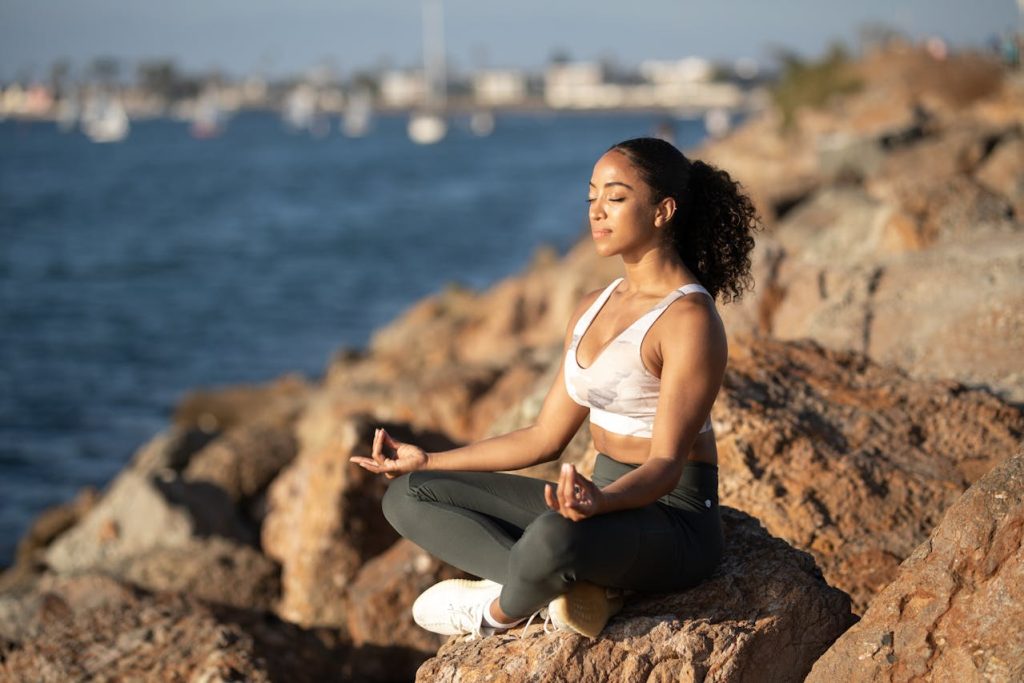
Discover how mindfulness self practices can enhance your mental clarity, emotional balance, and overall well-being. Learn practical tips, exercises, and techniques to start today.
Overview
In this article, readers will learn what mindfulness self truly means, how it can transform daily life, and actionable strategies to cultivate it. We’ll explore practical exercises, the mental and emotional benefits of mindfulness, and guidance for integrating it into routines. By the end of this post, readers will have a clear understanding of how to develop a deeper awareness of themselves and the world around them.
What is Mindfulness Self?
Mindfulness self refers to the practice of cultivating a deep, conscious awareness of your own thoughts, emotions, and actions. Unlike simple relaxation techniques, mindfulness self encourages you to observe yourself without judgment, promoting clarity and intentional living.
In essence, mindfulness self is about:
- Being aware of your present moment experiences
- Recognizing thoughts and emotions without reacting impulsively
- Understanding patterns in your behavior and making conscious choices
This practice is essential in today’s fast-paced world, where distractions and stress can make it difficult to stay grounded and connected with oneself.
The Benefits of Practicing Mindfulness Self
Incorporating mindfulness self into your daily life has scientifically proven benefits for mental, emotional, and even physical health.
By regularly observing your thoughts, you learn to filter distractions and focus on what truly matters. Mindfulness self helps reduce mental clutter, making decision-making easier and more intentional.
Mindfulness self encourages acceptance of emotions without judgment. This reduces reactive behavior, helps manage anxiety, and promotes a calmer, more balanced emotional state.
Studies show that mindful awareness can lower cortisol levels and reduce overall stress. When you observe your thoughts without attachment, everyday stressors feel less overwhelming.
Mindfulness self strengthens empathy and active listening, improving personal and professional relationships. Awareness of your own reactions allows for more meaningful interactions.
Regular mindfulness self practice can lead to lower blood pressure, improved sleep, and better immune function, contributing to overall wellness.
How to Practice Mindfulness Self: A Step-by-Step Guide
Here’s a practical guide to help you integrate mindfulness self into your daily life. These steps are beginner-friendly but also valuable for those experienced in meditation.
Step 1: Set Aside Time for Yourself
Start with 5–10 minutes daily. Find a quiet space where you won’t be disturbed. This sets the foundation for your mindfulness self practice.
Step 2: Focus on Your Breath
Breathing is the anchor of mindfulness. Try this:
- Inhale slowly for 4 counts
- Hold your breath for 2 counts
- Exhale slowly for 6 counts
Notice how your body feels with each breath. This brings your mind into the present moment.
Step 3: Observe Thoughts Without Judgment
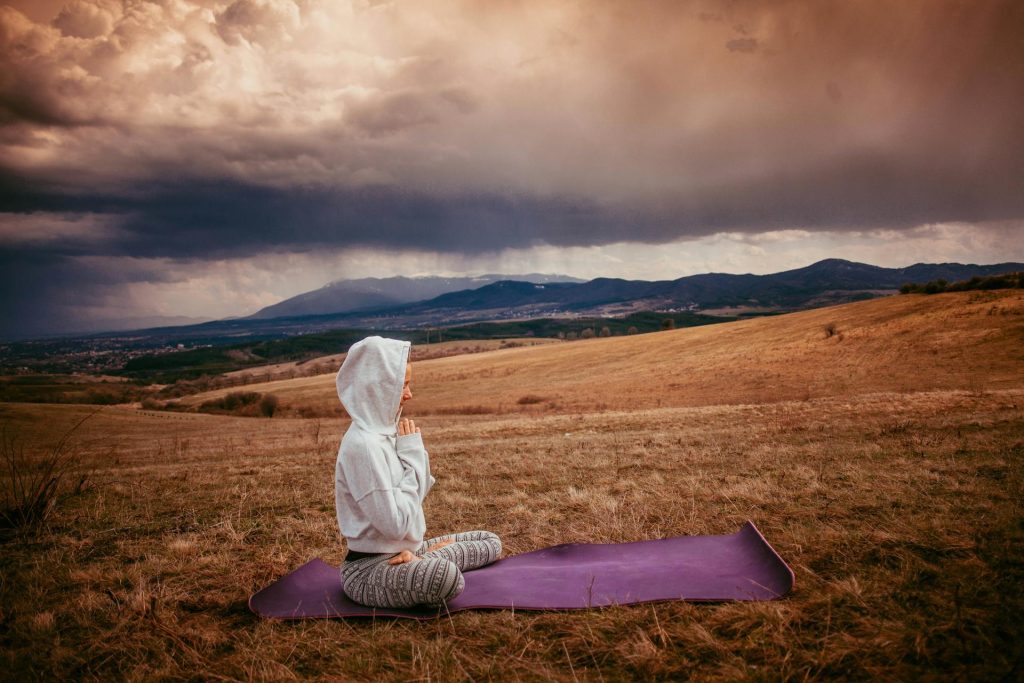
As thoughts arise, acknowledge them without reacting. Imagine your thoughts as clouds drifting across the sky. This practice trains the brain to notice patterns in your thinking without being overwhelmed.
Step 4: Body Scan Exercise
Focus attention on different parts of your body, from head to toes. Notice areas of tension or relaxation. This enhances your mindfulness self awareness and reconnects you with your physical presence.
Step 5: Journaling Your Mindfulness Self Journey
Writing down observations about thoughts, feelings, and experiences reinforces awareness. Questions to reflect on:
- What did I notice about my emotions today?
- Which moments felt fully present?
- How did I react to challenges, and what could I improve?
Step 6: Integrate Mindfulness into Daily Activities
Mindfulness self is not limited to meditation. Practice it during:
- Walking or exercising
- Eating meals slowly and attentively
- Listening actively in conversations
- Performing work tasks without distractions
Mindfulness Self Techniques for Daily Life
Here are practical techniques that make mindfulness self more accessible:
- Mindful Breathing: Short, focused breaths during stressful moments.
- Gratitude Practice: Daily reflection on things you are grateful for.
- Sensory Awareness: Notice sights, sounds, textures, and smells around you.
- Meditation Apps & Guided Practices: Use tools to guide and structure your practice.
- Mindful Pauses: Take brief pauses before reacting to situations.
By using these techniques, mindfulness self can become a habit rather than a task.
Common Challenges in Practicing Mindfulness Self
While mindfulness self offers many benefits, beginners often face challenges:
- Restless Mind: The mind wanders frequently. Solution: gently bring focus back to breath.
- Impatience: Benefits take time. Solution: practice consistently, even if only for a few minutes daily.
- Judgmental Thinking: Avoid criticizing yourself for “not doing it right.” Mindfulness is about observation, not perfection.
Remember, consistency outweighs duration. Even a few minutes daily can transform your awareness.
Mindfulness Self for Stress and Anxiety
Mindfulness self is particularly powerful for stress management and anxiety reduction:
- Observing anxious thoughts without reacting reduces their power.
- Mindful breathing triggers the parasympathetic nervous system, calming the body.
- Journaling your thoughts creates mental clarity and emotional release.
Over time, these practices can shift your response to stress, leading to calmer, more intentional living.
Mindfulness Self and Self-Compassion
An essential part of mindfulness self is cultivating self-compassion:
- Accept your imperfections and mistakes
- Practice kindness toward yourself during challenges
- Understand that self-awareness is a journey, not a destination
Self-compassion strengthens resilience, reduces anxiety, and enhances overall life satisfaction.
How Mindfulness Meditation Hub Can Help
At Mindfulness Meditation Hub, we offer tools and guidance to help you:
- Start your mindfulness self journey with guided exercises
- Access articles and tips for integrating mindfulness into daily life
- Explore retreat recommendations for deeper practice
- Learn techniques tailored to reduce stress, improve focus, and enhance well-being
Our resources are designed for beginners and seasoned practitioners alike.
Tips for Building a Sustainable Mindfulness Self Practice
- Start Small: Begin with 5–10 minutes daily
- Be Consistent: Daily practice is more effective than long, irregular sessions
- Track Your Progress: Use journals or apps to monitor growth
- Be Gentle with Yourself: Mindfulness is about noticing, not achieving
- Engage Your Senses: Bring awareness to daily experiences beyond meditation
By following these tips, mindfulness self becomes a natural part of your life, not an extra chore.
Final Thought: Embrace Mindfulness Self Today
Practicing mindfulness self is a transformative approach to mental, emotional, and physical well-being. It cultivates clarity, emotional balance, stress resilience, and self-compassion, allowing you to live more fully in the present moment.
Whether you are a beginner or experienced meditator, integrating mindfulness self into your life can bring profound, lasting benefits. Start small, stay consistent, and watch how your awareness grows—enabling a calmer, more intentional, and balanced life.
At Mindfulness Meditation Hub, we provide the guidance, tools, and support to help you on this journey. Begin today, and let mindfulness self reshape your life from the inside out.
FAQs for Mindfulness Self
What is mindfulness self?
Mindfulness self is the practice of cultivating awareness of your thoughts, emotions, and actions without judgment, helping you live in the present moment.
How can mindfulness self improve mental clarity?
By observing your thoughts without reacting, mindfulness self reduces mental clutter and helps you focus on what truly matters.
Is mindfulness self suitable for beginners?
Yes! Mindfulness self can be practiced by anyone, starting with just a few minutes of daily focused awareness.
What are the emotional benefits of mindfulness self?
It promotes emotional balance, reduces reactivity, and helps manage stress, anxiety, and negative emotions.
Can mindfulness self reduce stress and anxiety?
Absolutely. Mindful awareness lowers stress hormone levels and encourages calm, intentional responses to challenges.
How long should I practice mindfulness self each day?
Start with 5–10 minutes daily. As your comfort grows, you can gradually increase the duration.
Do I need a meditation app to practice mindfulness self?
No, while apps can guide you, mindfulness self can be practiced independently with simple breathing exercises and daily awareness.
Can mindfulness self improve relationships?
Yes. Being aware of your emotions and reactions enhances empathy, communication, and connection with others.
What is the difference between mindfulness and mindfulness self?
Mindfulness is general awareness, while mindfulness self specifically focuses on observing your own thoughts, emotions, and behaviors.
How does mindfulness self relate to self-compassion?
Mindfulness self encourages gentle observation of yourself, which naturally cultivates self-compassion and acceptance.
Can mindfulness self help with sleep?
Yes. Mindful awareness reduces mental chatter and stress, which can improve sleep quality over time.
What are some simple mindfulness self exercises?
Examples include mindful breathing, body scans, journaling, sensory awareness, and mindful pauses during daily activities.
How can I integrate mindfulness self into my daily routine?
Practice while walking, eating, listening, or performing routine tasks, turning ordinary moments into opportunities for awareness.
How long does it take to see benefits from mindfulness self?
Some benefits, like stress reduction, may appear within days, while emotional balance and mental clarity improve with consistent practice over weeks.
Can children practice mindfulness self?
Yes. Simple exercises like mindful breathing or paying attention to sensations can help children develop awareness and emotional regulation.
Related Topics
- Articles on Mindfulness: Power of Meditation for Daily Life
- What Does Mindfulness Mean? Understanding Its Benefits
- What Is Being Mindfulness? A Complete Guide to Mindful Living
- Walking Mindfulness Meditation: A Simple Path to Inner Peace
- Mindfulness Body Scan Meditation: A Complete Guide
- Workplace Mindfulness: Improve Focus & Productivity
- Meditation Methods for Beginners | Start Your Mindfulness Journey
- What Does Being Mindful Mean? A Complete Guide to Mindfulness
- Definition of Mindfulness? Meaning, Benefits & Practice
- Mindfulness for the Workplace: Boost Productivity & Well-being
- Breath Meditation: A Complete Guide to Mindfulness & Relaxation
- Mastering the Art of Having Patience: A Mindfulness Approach
- Mindfulness Meditation for Anxiety: Calm Your Mind
- Self Meditating: A Complete Guide to Practicing Mindfulness
- Mindfulness for Grief: Find Peace Through Mindful Awareness
- Meditation and Sounds: Boost Mindfulness & Relaxation
- Emotion Mindfulness: Techniques to Manage Your Feelings
- Daily Mindfulness: How to Transform Your Life