
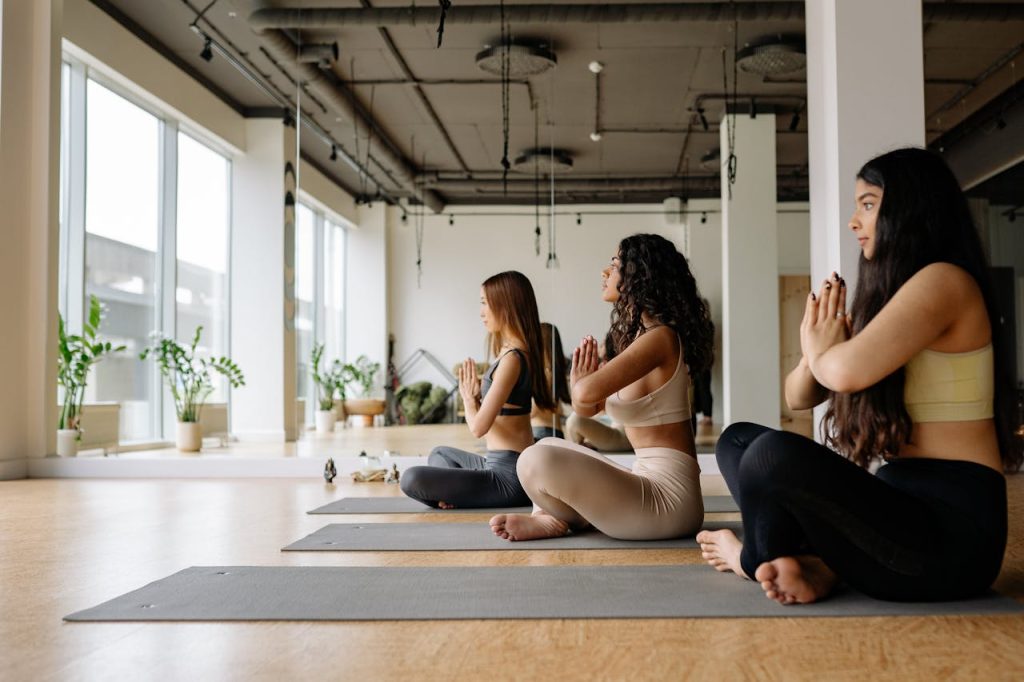
Discover how a mindfulness session can transform your mental well-being. Learn techniques, benefits, and tips to start your practice today.
Overview
In this blog post, readers will learn what a mindfulness session is, why it’s important for mental and emotional health, and how to conduct one effectively. We’ll cover the key benefits, step-by-step techniques, who can benefit the most, and practical tips for integrating mindfulness sessions into daily life. By the end of this article, readers will feel empowered to start their own mindfulness sessions and experience improved focus, reduced stress, and emotional clarity.
What is a Mindfulness Session?
A mindfulness session is a dedicated period of time in which you intentionally focus your attention on the present moment. Unlike multitasking or mindless routines, mindfulness sessions encourage awareness of your thoughts, feelings, and body sensations without judgment.
Mindfulness sessions can be conducted in various ways, such as:
The goal is to foster calmness, reduce stress, and strengthen emotional regulation. Regular practice has been linked to improvements in focus, mood, and overall well-being.
Benefits of a Mindfulness Session
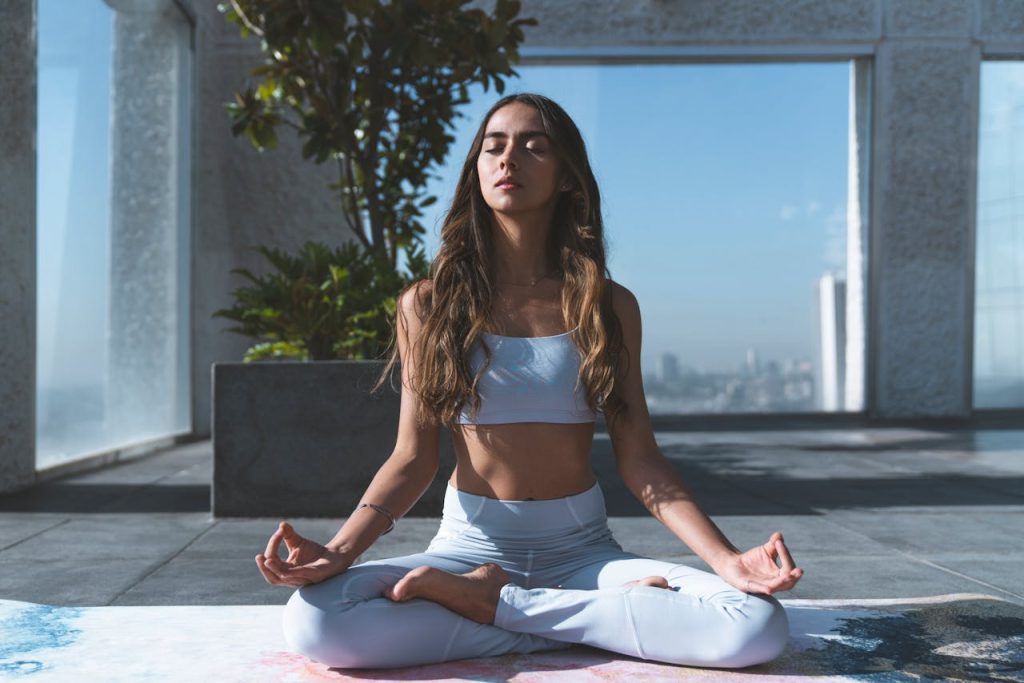
Engaging in a mindfulness session regularly can provide a wide range of mental, emotional, and physical benefits:
1. Reduces Stress and Anxiety
Mindfulness sessions activate the parasympathetic nervous system, which helps your body relax and lower cortisol levels, reducing stress and anxiety naturally.
2. Improves Focus and Productivity
By training your mind to stay present, mindfulness sessions help improve concentration, memory, and productivity in daily tasks.
3. Enhances Emotional Well-Being
Regular mindfulness sessions teach you to observe emotions without reacting impulsively, promoting emotional stability and resilience.
4. Promotes Better Sleep
Mindfulness sessions before bedtime can calm racing thoughts, helping you fall asleep faster and enjoy more restful sleep.
5. Supports Physical Health
Research shows that mindfulness sessions may help lower blood pressure, improve heart health, and reduce chronic pain.
Who Can Benefit from Mindfulness Sessions?
Mindfulness sessions are suitable for almost everyone, but they are particularly beneficial for:
- Busy Professionals: Reduce work-related stress and enhance productivity.
- Students: Improve focus, concentration, and emotional regulation during studies.
- Parents: Manage daily stress and cultivate patience and awareness.
- Individuals with Anxiety or Depression: Complementary practice for mental health support.
- Anyone Seeking Personal Growth: Enhance self-awareness and emotional intelligence.
No prior experience is necessary. Mindfulness sessions can be tailored to fit any lifestyle or schedule.
How to Conduct an Effective Mindfulness Session
Here’s a step-by-step guide to conducting a mindfulness session that maximizes its benefits:
Step 1: Choose Your Environment
- Select a quiet, comfortable space where you won’t be interrupted.
- Sit or lie down in a relaxed posture.
Step 2: Set a Time Limit
- Beginners can start with 5–10 minutes.
- Gradually increase to 20–30 minutes as you feel comfortable.
Step 3: Focus on Your Breath
- Pay attention to each inhale and exhale.
- Notice the rise and fall of your chest or the sensation at your nostrils.
Step 4: Observe Your Thoughts
- Thoughts will naturally arise.
- Instead of judging, simply notice them and let them pass.
Step 5: Body Scan
- Slowly bring awareness to different parts of your body.
- Notice tension, discomfort, or sensations without trying to change them.
Step 6: End Gently
- Slowly open your eyes if they were closed.
- Take a moment to reflect on your experience.
Tips for Making Mindfulness Sessions a Habit
To get the most out of your mindfulness sessions, consider the following tips:
- Consistency is Key: Aim for daily sessions, even if brief.
- Use Guided Sessions: Apps or online recordings can help beginners.
- Be Patient: Mindfulness is a skill that grows with practice.
- Minimize Distractions: Silence phones or notifications before starting.
- Combine with Journaling: Note your thoughts or feelings post-session to track progress.
Different Types of Mindfulness Sessions
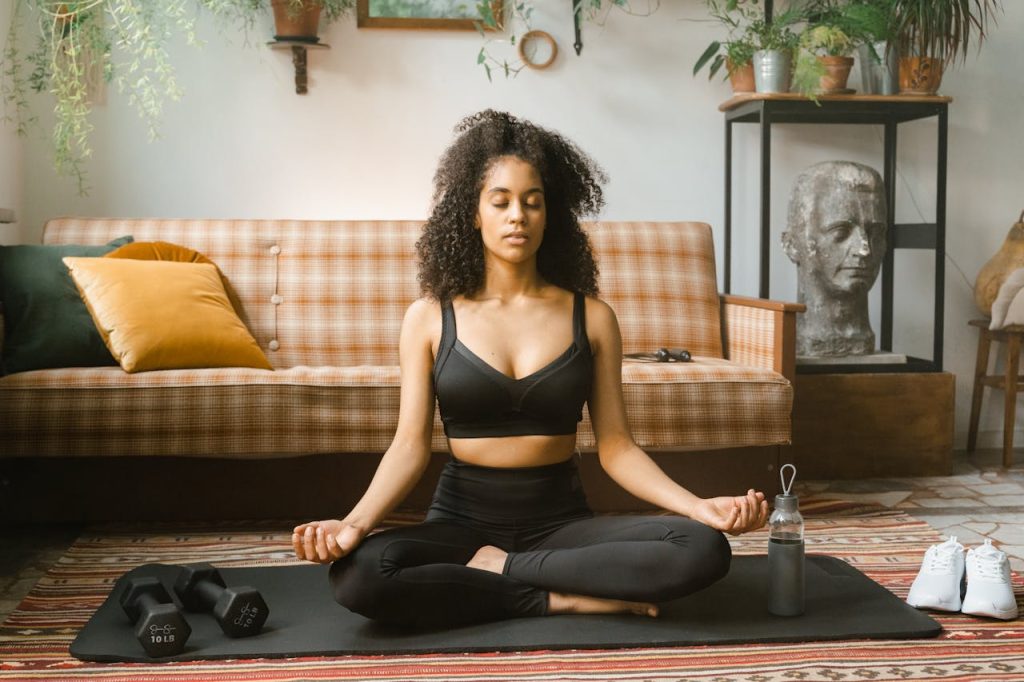
Mindfulness sessions can vary based on focus, time, and technique. Common types include:
1. Guided Meditation Sessions
Led by an instructor or audio guide, these sessions provide structure and are ideal for beginners.
2. Breath-Focused Sessions
Focus solely on your breathing to anchor your awareness in the present moment.
3. Movement-Based Sessions
Mindful yoga, walking meditation, or tai chi incorporate gentle movements while maintaining awareness.
4. Body Scan Sessions
A systematic awareness of bodily sensations from head to toe, reducing tension and increasing relaxation.
5. Loving-Kindness Sessions
Focus on cultivating compassion toward yourself and others, promoting emotional balance.
How Mindfulness Sessions Fit Into Daily Life
Integrating mindfulness sessions doesn’t require hours of practice. Here are practical ways to incorporate them:
- Morning Ritual: Start your day with a 10-minute session to set a calm tone.
- During Breaks: Take a short 5-minute mindfulness session during work or study breaks.
- Before Sleep: Reduce mental clutter and ease into restful sleep.
- On-the-Go: Practice mindful breathing or walking while commuting.
Even brief mindfulness sessions throughout the day can accumulate significant mental and emotional benefits over time.
Why Choose Professional Mindfulness Sessions?
While self-practice is effective, professional mindfulness sessions offer unique advantages:
- Guided Expertise: Trained instructors provide accurate techniques.
- Structured Program: Helps progress from beginner to advanced practices.
- Community Support: Join group sessions for motivation and shared experience.
- Personalized Guidance: Instructors can tailor sessions to individual needs and challenges.
By participating in professional mindfulness sessions, you can deepen your practice faster and experience more consistent results.
Final Thoughts
A mindfulness session is more than just sitting quietly—it’s a practice that transforms how you relate to your thoughts, emotions, and daily life. Whether your goal is stress reduction, better focus, improved sleep, or emotional resilience, integrating regular mindfulness sessions can create lasting benefits.
Start small, stay consistent, and consider professional sessions for enhanced guidance. With dedication, a mindfulness session can become a cornerstone of your mental and emotional well-being.
FAQs for Mindfulness Session
What is a mindfulness session?
A mindfulness session is a dedicated period where you focus on the present moment, observing thoughts, emotions, and bodily sensations without judgment.
How long should a mindfulness session last?
Beginners can start with 5–10 minutes, while more experienced practitioners can extend sessions to 20–30 minutes or longer.
Can anyone participate in a mindfulness session?
Yes! Mindfulness sessions are suitable for all ages and experience levels, from beginners to advanced practitioners.
What are the main benefits of a mindfulness session?
Benefits include reduced stress and anxiety, improved focus, better sleep, emotional regulation, and overall mental clarity.
Do I need special equipment for a mindfulness session?
No special equipment is required. A quiet space and comfortable seating are sufficient, though mats or cushions can enhance comfort.
Should I close my eyes during a mindfulness session?
Closing your eyes can help minimize distractions, but it is optional. You can also keep your eyes softly open while maintaining focus.
Can mindfulness sessions help with stress at work?
Yes! Regular mindfulness sessions can improve concentration, reduce work-related stress, and promote calm decision-making.
How often should I practice mindfulness sessions?
Daily practice is ideal, but even a few sessions per week can offer noticeable benefits. Consistency is more important than duration.
What is the difference between guided and unguided mindfulness sessions?
Guided sessions are led by an instructor or audio recording, providing structure. Unguided sessions are self-directed and rely on personal focus.
Can mindfulness sessions improve sleep quality?
Yes! Mindfulness sessions before bedtime help calm the mind, reduce racing thoughts, and promote deeper, more restful sleep.
Are mindfulness sessions suitable for teenagers and children?
Absolutely. Mindfulness can teach young people emotional regulation, focus, and self-awareness in a gentle and engaging way.
What should I focus on during a mindfulness session?
Focus can be on the breath, bodily sensations, thoughts, emotions, or guided visualizations, depending on the session type.
Can mindfulness sessions help with anxiety and depression?
Yes. Mindfulness sessions are proven to complement therapy by reducing symptoms of anxiety and depression and improving emotional resilience.
Is it normal for my mind to wander during a mindfulness session?
Yes, it’s completely normal. Mindfulness is about noticing when your mind wanders and gently bringing it back to the present moment.
Can I combine mindfulness sessions with other practices?
Yes! Mindfulness sessions can be combined with yoga, meditation, journaling, or even mindful walking for enhanced benefits.
Related Topics
- Articles on Mindfulness: Power of Meditation for Daily Life
- What Does Mindfulness Mean? Understanding Its Benefits
- What Is Being Mindfulness? A Complete Guide to Mindful Living
- Walking Mindfulness Meditation: A Simple Path to Inner Peace
- Mindfulness Body Scan Meditation: A Complete Guide
- Workplace Mindfulness: Improve Focus & Productivity
- Meditation Methods for Beginners | Start Your Mindfulness Journey
- What Does Being Mindful Mean? A Complete Guide to Mindfulness
- Definition of Mindfulness? Meaning, Benefits & Practice
- Mindfulness for the Workplace: Boost Productivity & Well-being
- Breath Meditation: A Complete Guide to Mindfulness & Relaxation
- Mastering the Art of Having Patience: A Mindfulness Approach
- Mindfulness Meditation for Anxiety: Calm Your Mind
- Self Meditating: A Complete Guide to Practicing Mindfulness
- Mindfulness for Grief: Find Peace Through Mindful Awareness
- Meditation and Sounds: Boost Mindfulness & Relaxation
- Emotion Mindfulness: Techniques to Manage Your Feelings
- Daily Mindfulness: How to Transform Your Life