
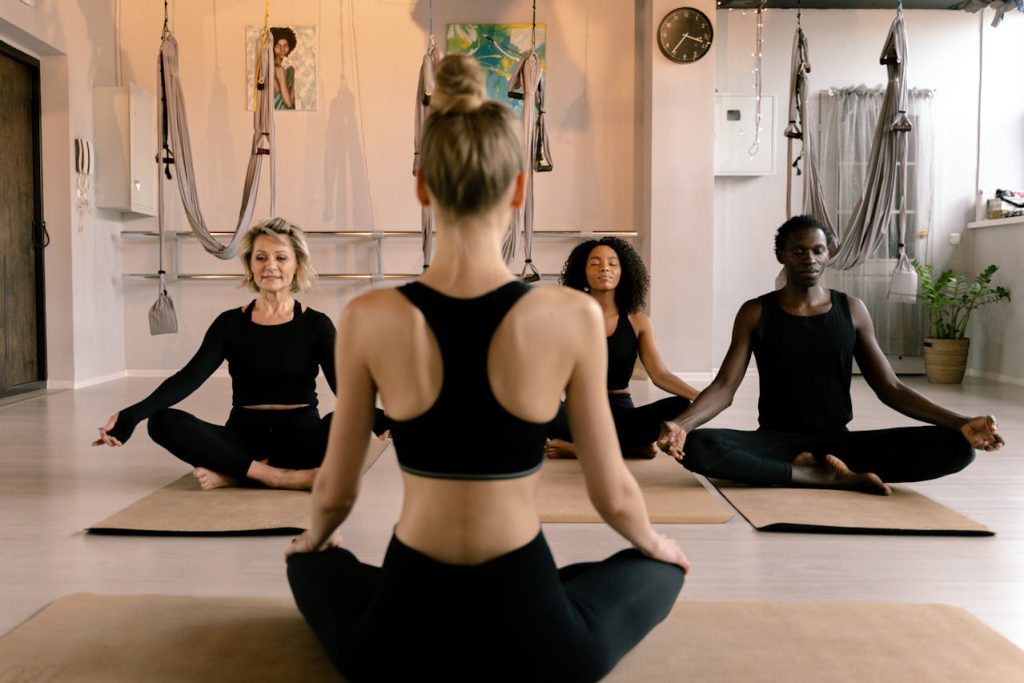
Discover powerful mindfulness stress reduction techniques to reduce anxiety, improve focus, and restore emotional balance. Learn practical steps and guided methods used in professional mindfulness programs.
Overview
This blog is designed to give you a complete, practical understanding of mindfulness stress reduction and how it can be applied in everyday life. Whether you are dealing with work pressure, anxiety, overthinking, or emotional exhaustion, this guide will help you take control of your mental well-being.
By the end of this article, you will learn:
- What mindfulness stress reduction actually means in simple terms
- How it works in the brain and body
- Proven techniques used in mindfulness-based practices
- Daily routines to reduce stress naturally
- Common mistakes people make when practicing mindfulness
- How professional mindfulness services can support your journey
Our goal is to help you build a sustainable approach to emotional balance using practical and science-backed mindfulness strategies.
What is mindfulness stress reduction?
Mindfulness stress reduction is the practice of using awareness techniques to calm the mind, regulate emotions, and reduce the physical and psychological effects of stress. It focuses on staying present in the moment instead of worrying about the past or future.
In simple terms, mindfulness stress reduction helps you
- Notice your thoughts without judgment
- Calm your nervous system
- Respond to stress instead of reacting impulsively.
- Create mental space between you and your emotions.
This approach is widely used in modern wellness programs because it is natural, non-invasive, and highly effective for long-term mental health improvement.
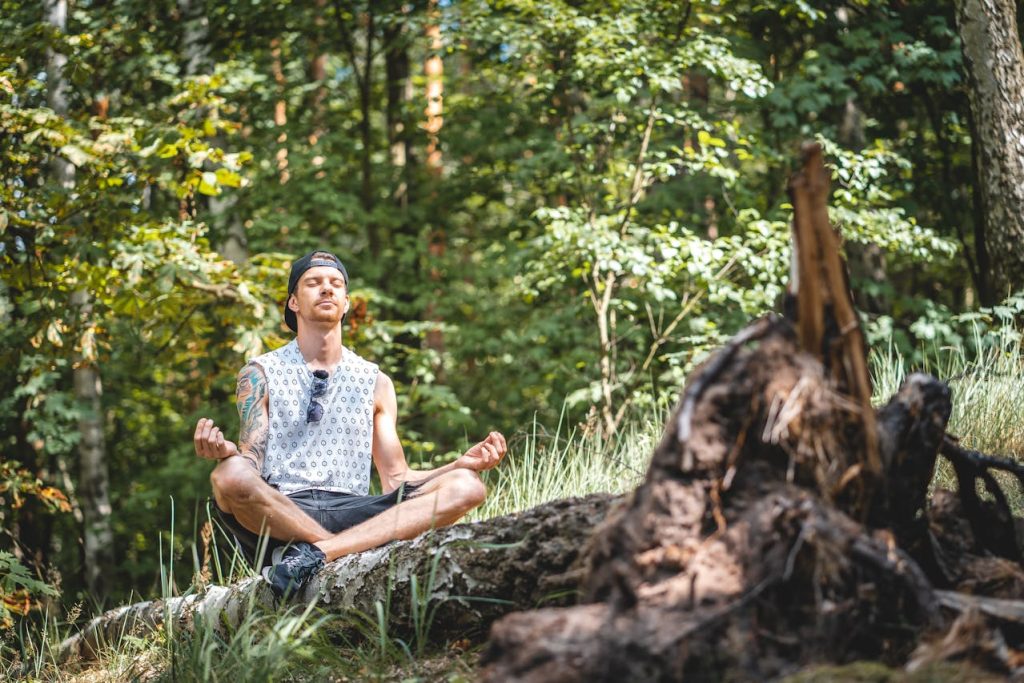
How Mindfulness Stress Reduction Works in the Body and Mind
To understand the power of mindfulness stress reduction, it’s important to see how stress affects the body.
When you are stressed:
- Your heart rate increases
- Your breathing becomes shallow.
- Your mind enters “fight or flight” mode.
- Cortisol (stress hormone) levels rise
Mindfulness interrupts this cycle.
The Science Behind It
Practicing mindfulness stress reduction activates the parasympathetic nervous system, which is responsible for:
- Relaxation
- Slower breathing
- Lower heart rate
- Emotional stability
Over time, consistent practice helps the brain rewire itself. Areas responsible for emotional regulation become stronger, while stress-response areas become less reactive.
This is why people who practice mindfulness stress reduction regularly often report the following:
- Better focus
- Reduced anxiety
- Improved sleep
- Greater emotional control
Key Benefits of Mindfulness Stress Reduction
The benefits of mindfulness stress reduction go beyond temporary relaxation. It creates long-term mental resilience.
1. Reduces Anxiety and Overthinking
One of the biggest benefits is its ability to break the cycle of overthinking. By focusing on the present moment, the mind stops replaying negative scenarios.
2. Improves Emotional Stability
You become less reactive and more aware of your emotions. This helps in handling difficult situations calmly.
3. Enhances Focus and Productivity
Regular mindfulness stress reduction improves attention span and reduces mental distractions.
4. Supports Better Sleep
By calming the nervous system, mindfulness helps you fall asleep faster and improve sleep quality.
5. Improves Physical Health
Lower stress levels can contribute to:
- Reduced blood pressure
- Stronger immunity
- Fewer stress-related headaches
Effective Techniques for Mindfulness Stress Reduction
There are many ways to practice mindfulness for stress reduction, and the best part is that most of them are simple and can be done anywhere.
1. Deep Breathing Awareness
One of the most powerful techniques involves focusing on your breath.
Steps:
- Sit comfortably
- Close your eyes.
- Inhale slowly through your nose.
- Exhale gently through your mouth.
- Focus only on the rhythm of breathing
Even 5 minutes of this practice can significantly support mindfulness stress reduction.
2. Body Scan Meditation
This technique helps release physical tension.
How it works:
- Focus your attention on each part of your body.
- Start from your head and move down to your toes.
- Notice tension without trying to change it
- Simply observe and relax
This method is widely used in professional mindfulness stress reduction programs.
3. Mindful Observation
Choose an object, sound, or environment and observe it fully.
Example:
- A cup of tea
- Birds outside
- The sound of rain
This practice strengthens present-moment awareness, which is essential for mindfulness and stress reduction.
4. Guided Meditation Practice
Guided sessions are extremely helpful for beginners. They provide structure and direction, making mindfulness stress reduction easier to follow consistently.
5. Gratitude Reflection
Each day, write or think about:
- 3 things you are grateful for
- Positive moments from the day
This shifts your focus from stress to appreciation, supporting emotional balance.
Daily Routine for Mindfulness Stress Reduction
Consistency is key when practicing mindfulness for stress reduction. Here is a simple daily routine:
Morning (5–10 minutes)
- Deep breathing practice
- Set a positive intention for the day
Afternoon (2–5 minutes)
- Short mindful pause
- Focus on breath or surroundings
Evening (10–15 minutes)
- Body scan meditation
- Gratitude reflection
Even small, consistent efforts can significantly improve your stress levels over time.
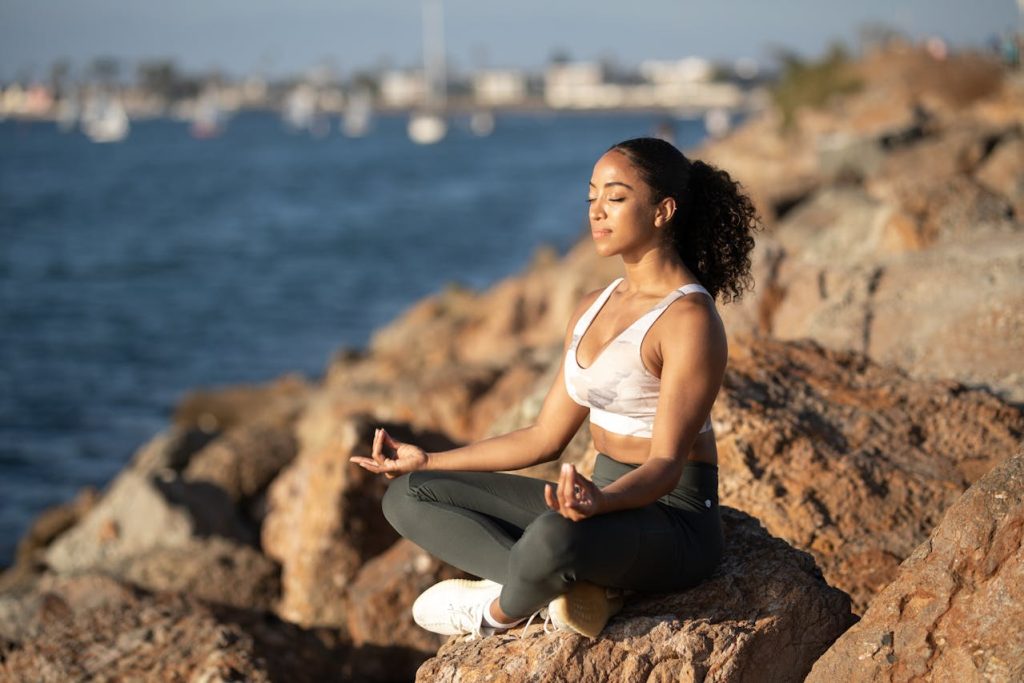
Common Mistakes in Mindfulness Stress Reduction
Many beginners struggle because they misunderstand the practice.
1. Expecting Immediate Results
Mindfulness stress reduction is a long-term practice, not a quick fix.
2. Trying to Stop Thoughts Completely
The goal is not to stop thinking but to observe thoughts without attachment.
3. Practicing Only During Stress
For best results, it should be practiced regularly, not just during stressful moments.
4. Being Too Hard on Yourself
Mindfulness requires patience. There is no “perfect” way to do it.
How Professional Mindfulness Support Can Help
While self-practice is powerful, guided support can enhance results significantly. Professional programs provide:
- Structured meditation sessions
- Expert guidance
- Personalized techniques
- Accountability and consistency
At Mindfulness Meditation Hub, we provide structured guidance and resources designed to support effective mindfulness stress reduction for beginners and advanced practitioners alike. Our approach focuses on practical tools that fit into real daily life, making mindfulness accessible and sustainable.
Why Mindfulness Stress Reduction Works Long-Term
Unlike temporary relaxation techniques, mindfulness stress reduction builds long-term mental strength. It trains your mind to:
- Respond instead of react
- Stay grounded under pressure
- Maintain emotional clarity
- Build resilience over time
With consistent practice, mindfulness becomes a natural part of your thinking pattern, not just an exercise.
Final Thoughts
In a fast-paced world filled with constant pressure, mindfulness stress reduction offers a practical and effective way to regain control of your mental well-being. It doesn’t require special tools or complicated methods—just awareness, consistency, and practice.
By integrating mindfulness stress reduction into your daily life, you can gradually reduce anxiety, improve focus, and create a more balanced emotional state.
If you are ready to take your mental wellness seriously, starting with small mindfulness practices today can create powerful long-term changes in your life.
FAQs for Mindfulness Stress Reduction
What is mindfulness stress reduction?
Mindfulness stress reduction is a practice that uses present-moment awareness techniques like meditation and breathing exercises to help reduce stress, anxiety, and emotional tension.
How does mindfulness stress reduction work?
It works by calming the nervous system, lowering stress hormones, and helping you observe thoughts without reacting emotionally.
Can mindfulness stress reduction help with anxiety?
Yes, regular mindfulness stress reduction practices can significantly reduce anxiety by improving emotional control and reducing overthinking.
How long does it take to see results from mindfulness stress reduction?
Some people feel calmer after a few sessions, but noticeable long-term benefits usually appear after a few weeks of consistent practice.
Do I need experience to start mindfulness stress reduction?
No, beginners can start easily with simple breathing exercises and short guided meditations.
What are the best techniques for mindfulness stress reduction?
Popular techniques include deep breathing, body scan meditation, mindful observation, and guided meditation.
Can mindfulness stress reduction improve sleep?
Yes, it helps relax the mind and body, making it easier to fall asleep and improving overall sleep quality.
How often should I practice mindfulness stress reduction?
Daily practice is ideal, even if it’s just 5–10 minutes per day.
Is mindfulness stress reduction scientifically proven?
Yes, research shows it can reduce stress hormones, improve focus, and support emotional regulation.
Can I do mindfulness stress reduction at work?
Yes, short breathing exercises or mindful pauses can be done at your desk anytime during work hours.
What is the difference between meditation and mindfulness stress reduction?
Meditation is a practice, while mindfulness stress reduction is a broader approach that includes meditation and everyday awareness techniques.
Do I need a teacher for mindfulness stress reduction?
Not necessarily, but guided sessions or professional support can help beginners learn faster and stay consistent.
Can mindfulness stress reduction replace therapy?
No, it is a supportive wellness practice but not a replacement for professional mental health treatment when needed.
Why is consistency important in mindfulness stress reduction?
Consistency helps train the brain to respond calmly to stress over time, making the benefits long-lasting.
Where can I learn mindfulness stress reduction professionally?
You can learn through guided programs, meditation platforms, or wellness services like Mindfulness Meditation Hub, which offers structured mindfulness resources and support.
Related Topics
- Daily Mindfulness: How to Transform Your Life
- Articles on Mindfulness: Power of Meditation for Daily Life
- What Does Mindfulness Mean? Understanding Its Benefits
- What Is Being Mindfulness? A Complete Guide to Mindful Living
- Walking Mindfulness Meditation: A Simple Path to Inner Peace
- Mindfulness Body Scan Meditation: A Complete Guide
- Workplace Mindfulness: Improve Focus & Productivity
- Meditation Methods for Beginners | Start Your Mindfulness Journey
- What Does Being Mindful Mean? A Complete Guide to Mindfulness
- Definition of Mindfulness? Meaning, Benefits & Practice
- Mindfulness for the Workplace: Boost Productivity & Well-being
- Breath Meditation: A Complete Guide to Mindfulness & Relaxation
- Mastering the Art of Having Patience: A Mindfulness Approach
- Mindfulness Meditation for Anxiety: Calm Your Mind
- Self Meditating: A Complete Guide to Practicing Mindfulness
- Mindfulness for Grief: Find Peace Through Mindful Awareness
- Meditation and Sounds: Boost Mindfulness & Relaxation
- Emotion Mindfulness: Techniques to Manage Your Feelings