

Discover powerful mindfulness techniques for sleeping that reduce stress, calm your mind, and improve sleep quality naturally. Learn expert tips to fall asleep faster and wake up refreshed.
Overview
Struggling to fall asleep or stay asleep can affect every part of your life—from your mood to your productivity. In this comprehensive guide, you’ll discover mindfulness techniques for sleeping that are simple, effective, and backed by science.
By the end of this article, you will learn:
- How mindfulness improves sleep quality
- Practical techniques to calm your mind before bed
- Step-by-step methods you can use tonight
- How to build a consistent nighttime mindfulness routine
- Tips to overcome common sleep challenges naturally
Whether you’re dealing with stress, anxiety, or an overactive mind, these mindfulness techniques for sleeping can help you create a peaceful and restorative bedtime experience.
Why Mindfulness Is So Effective for Sleep
Sleep problems often come from one core issue: a busy mind. When your thoughts keep racing, your body stays alert—even when you’re physically tired.
Mindfulness works by:
- Bringing your attention to the present moment
- Reducing mental clutter and worry
- Activating your body’s relaxation response
- Lowering stress hormones like cortisol
Practicing mindfulness techniques for sleeping helps your brain shift from “thinking mode” to “rest mode,” making it easier to drift off naturally.
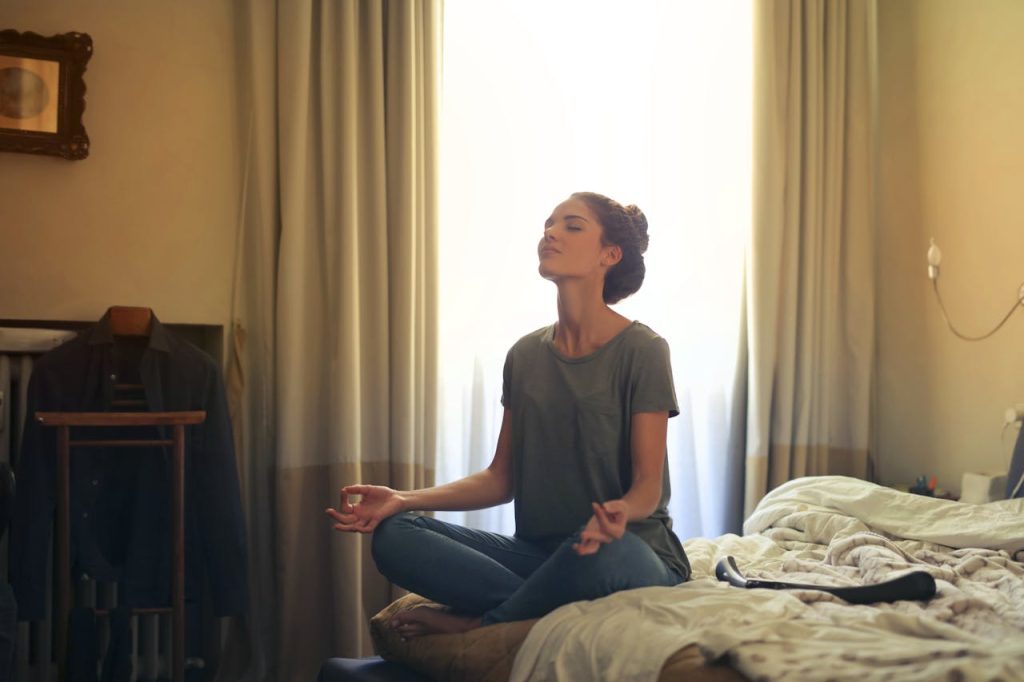
Top Mindfulness Techniques for Sleeping Better
Below are some of the most effective mindfulness techniques for sleeping that you can start using tonight.
1. Mindful Breathing
One of the simplest yet most powerful mindfulness techniques for sleeping is mindful breathing.
How to do it:
- Lie down comfortably in your bed
- Close your eyes and focus on your breath.
- Inhale slowly through your nose for 4 seconds.
- Exhale gently through your mouth for 6 seconds.
- Repeat for 5–10 minutes
Why it works:
Focusing on your breath slows your heart rate and signals your body that it’s time to relax.
2. Body Scan Meditation
Body scan meditation is a popular method among mindfulness techniques for sleeping because it helps release physical tension.
Steps:
- Start at your toes and slowly move upward.
- Notice any tension or discomfort
- Gently relax each body part as you move along
- Continue until you reach your head
Benefits:
- Relieves muscle tension
- Brings awareness to your body
- Promotes deep relaxation
3. Letting Go of Thoughts
Instead of fighting your thoughts, mindfulness teaches you to observe them without judgment.
Practice this:
- Imagine your thoughts as clouds passing in the sky.
- Acknowledge them, then let them drift away.
- Bring your focus back to your breath.
This is one of the most transformative mindfulness techniques for sleeping, especially for people who overthink at night.
4. Gratitude Reflection
Ending your day with gratitude shifts your mindset from stress to calm.
Try this simple exercise:
- Think of 3 things you’re grateful for.
- Reflect on why they matter
- Feel the positive emotion they bring
Gratitude-based mindfulness techniques for sleeping can reduce anxiety and promote a sense of peace before bedtime.
5. Guided Meditation
Guided meditations are excellent if you find it hard to focus on your own.
What to do:
- Listen to a calming voice guiding you through relaxation
- Follow along with breathing or visualization
- Let the narration lead you into sleep.
This is one of the easiest mindfulness techniques for sleeping for beginners.
6. Visualization Techniques
Visualization helps your mind create a peaceful mental environment.
Example:
- Imagine yourself on a quiet beach.
- Hear the waves and feel the breeze
- Focus on the details of the scene
These types of mindfulness techniques for sleeping distract your mind from stress and encourage relaxation.
7. Progressive Muscle Relaxation
This technique combines mindfulness with physical relaxation.
Steps:
- Tense each muscle group for 5 seconds.
- Slowly release the tension
- Move from your feet up to your head
It’s one of the most practical mindfulness techniques for sleeping, especially if your body feels restless.
How to Build a Nighttime Mindfulness Routine
Consistency is key when using mindfulness techniques for sleeping. A structured routine trains your brain to associate certain activities with sleep.
Create a Calm Environment
- Dim the lights
- Keep your bedroom cool.
- Remove distractions like phones or loud noises
Set a Fixed Sleep Schedule
Going to bed at the same time every night reinforces your body’s internal clock.
Limit Screen Time
Avoid screens at least 30–60 minutes before bed. Blue light can disrupt your sleep cycle.
Practice mindfulness daily.
The more you practice mindfulness techniques for sleeping, the more effective they become over time.
Common Mistakes to Avoid
Even the best mindfulness techniques for sleeping won’t work if certain habits get in the way.
Avoid These Pitfalls:
- Expecting instant results: Mindfulness takes practice.
- Trying too hard to sleep: This creates pressure and anxiety.
- Using your bed for work or scrolling: This confuses your brain.
- Skipping consistency: Irregular practice reduces effectiveness.
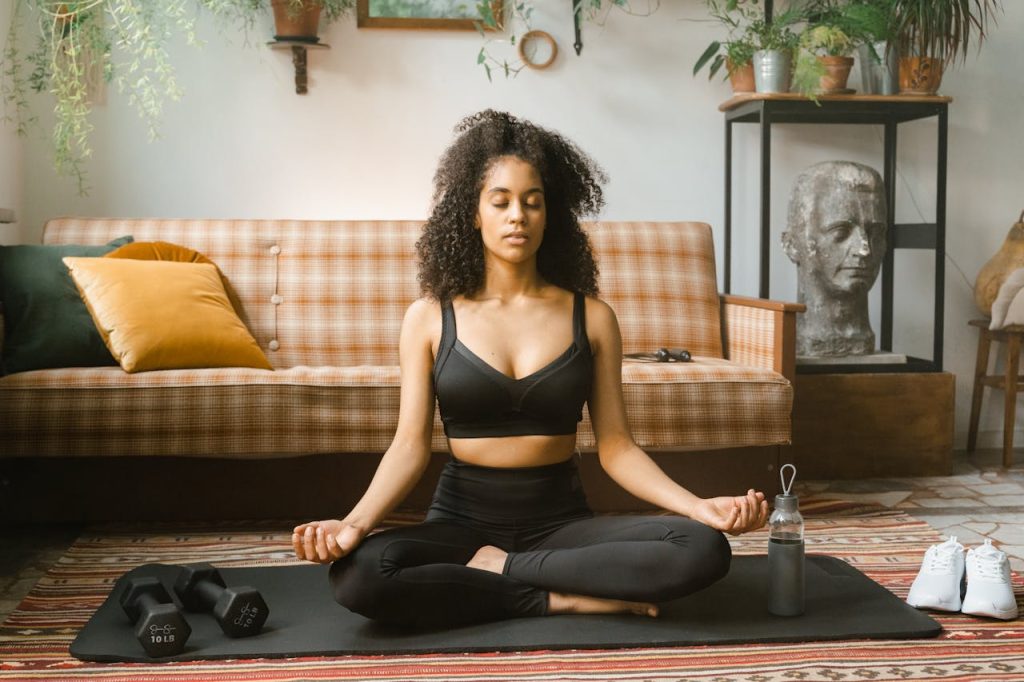
Benefits of Mindfulness for Sleep
When practiced regularly, mindfulness techniques for sleeping offer long-term benefits:
- Improved sleep quality
- Faster sleep onset
- Reduced nighttime awakenings
- Lower stress and anxiety levels
- Better overall mental health
Over time, mindfulness doesn’t just improve sleep—it enhances your overall well-being.
Who Can Benefit from Mindfulness Techniques for Sleeping?
These techniques are suitable for almost everyone, especially
- People with insomnia
- Individuals dealing with stress or anxiety
- Students or professionals with busy minds
- Anyone looking for natural sleep solutions
No medication, no complicated tools—just simple, effective mindfulness techniques for sleeping that work with your body.
How Our Mindfulness Services Can Help
At Mindfulness Meditation Hub, we specialize in helping individuals develop practical, effective mindfulness habits.
Our offerings include:
- Guided meditation sessions
- Personalized mindfulness routines
- Sleep-focused relaxation techniques
- Expert-backed resources and tools
We make it easier for you to integrate mindfulness techniques for sleeping into your daily life so you can experience deeper, more restful sleep.
Final Thoughts
Sleep is essential—but it doesn’t have to be a struggle. By practicing mindfulness techniques for sleeping, you can transform your nights from restless to restorative.
Start small. Stay consistent. And most importantly, be patient with yourself.
Your mind and body already know how to sleep—you just need to create the right conditions.
FAQs for Mindfulness Techniques for Sleeping
What are mindfulness techniques for sleeping?
Mindfulness techniques for sleeping are simple mental and physical practices that help calm your mind, reduce stress, and prepare your body for restful sleep. They focus on being present in the moment instead of overthinking or worrying at night.
How do mindfulness techniques for sleeping help with insomnia?
These techniques help reduce racing thoughts, lower stress levels, and relax the nervous system, making it easier to fall asleep naturally even if you struggle with insomnia.
How long does it take for mindfulness techniques for sleeping to work?
Some people feel relaxed after the first session, but consistent practice for 1–2 weeks usually shows noticeable improvements in sleep quality.
Can beginners use mindfulness techniques for sleeping easily?
Yes, these techniques are beginner-friendly. Most methods like breathing exercises or body scans are simple and require no prior experience.
What is the easiest mindfulness technique for sleeping?
Mindful breathing is often the easiest technique. It only requires focusing on slow, deep breaths to calm the mind and body.
Do I need any special tools for mindfulness techniques for sleeping?
No special tools are needed. You only need a quiet space, a comfortable position, and a few minutes of focus.
Can mindfulness techniques for sleeping replace sleeping pills?
In many cases, mindfulness can reduce the need for sleeping pills, but anyone on medication should consult a healthcare professional before making changes.
What time should I practice mindfulness techniques for sleeping?
The best time is 15–30 minutes before going to bed, when your body is already preparing to rest.
Can I do mindfulness techniques for sleeping while lying in bed?
Yes, most techniques like breathing exercises, body scans, and visualization are designed to be done in bed.
How often should I practice mindfulness techniques for sleeping?
Daily practice is ideal. Consistency helps train your brain to relax more easily at bedtime.
Do mindfulness techniques for sleeping work for anxiety?
Yes, they are very effective for reducing anxiety because they help shift focus away from stressful thoughts and into the present moment.
What should I do if my mind keeps wandering during practice?
It is normal. Gently bring your attention back to your breath or technique without judging yourself.
Can children use mindfulness techniques for sleeping?
Yes, simple breathing and visualization exercises can be safely used by children with guidance.
Are mindfulness techniques for sleeping scientifically proven?
Yes, multiple studies show that mindfulness can reduce stress, improve sleep quality, and help with insomnia symptoms.
Why are mindfulness techniques for sleeping better than scrolling on phone before bed?
Phone use stimulates the brain and delays sleep, while mindfulness helps calm the mind and prepare the body for rest naturally.
Related Topics
- Articles on Mindfulness: Power of Meditation for Daily Life
- What Does Mindfulness Mean? Understanding Its Benefits
- What Is Being Mindfulness? A Complete Guide to Mindful Living
- Walking Mindfulness Meditation: A Simple Path to Inner Peace
- Mindfulness Body Scan Meditation: A Complete Guide
- Workplace Mindfulness: Improve Focus & Productivity
- Meditation Methods for Beginners | Start Your Mindfulness Journey
- What Does Being Mindful Mean? A Complete Guide to Mindfulness
- Definition of Mindfulness? Meaning, Benefits & Practice
- Mindfulness for the Workplace: Boost Productivity & Well-being
- Breath Meditation: A Complete Guide to Mindfulness & Relaxation
- Mastering the Art of Having Patience: A Mindfulness Approach
- Mindfulness Meditation for Anxiety: Calm Your Mind
- Self Meditating: A Complete Guide to Practicing Mindfulness
- Mindfulness for Grief: Find Peace Through Mindful Awareness
- Meditation and Sounds: Boost Mindfulness & Relaxation
- Emotion Mindfulness: Techniques to Manage Your Feelings
- Daily Mindfulness: How to Transform Your Life