

Discover the benefits of mindfulness trainings for stress relief, focus, and emotional balance. Learn how our expert-guided programs can help you integrate mindfulness into daily life.
Overview
In this blog post, readers will learn what mindfulness trainings are, why they are essential for mental and emotional well-being, and how participating in structured programs can enhance focus, productivity, and personal growth. We will explore different types of mindfulness practices, practical tips to implement them, and how professional guidance in mindfulness trainings can transform everyday life. By the end, readers will understand why investing in mindfulness trainings is one of the most effective steps toward holistic wellness.
Mindfulness Trainings: A Path to Mental Clarity and Emotional Balance
In today’s fast-paced world, stress, distractions, and emotional overload have become common. People are seeking ways to regain focus, improve productivity, and maintain mental health. Mindfulness trainings offer a proven path to achieve these goals by teaching individuals to live fully in the present moment.
Whether you are a busy professional, student, or simply someone seeking inner peace, mindfulness trainings provide structured guidance to cultivate awareness, reduce stress, and enhance overall well-being.

What Are Mindfulness Trainings?
Mindfulness trainings are structured programs designed to help individuals practice mindfulness effectively. Mindfulness itself is the art of being present—paying attention to your thoughts, emotions, and environment without judgment.
Key Components of Mindfulness Trainings:
- Guided Meditation: Step-by-step sessions led by experienced instructors.
- Breath Awareness: Techniques to anchor attention and reduce anxiety.
- Body Scan Practices: Developing bodily awareness to relieve tension.
- Mindful Movement: Incorporating yoga or gentle stretching into practice.
- Reflection Exercises: Journaling or group discussions to enhance self-awareness.
By participating in mindfulness trainings, individuals not only learn techniques but also develop a consistent habit of mindfulness that can be integrated into daily life.
Benefits of Mindfulness Trainings
Participating in mindfulness trainings offers a wide range of physical, mental, and emotional benefits:
1. Stress Reduction
One of the most widely recognized benefits of mindfulness is stress reduction. Mindfulness trainings teach you to respond to stressors calmly rather than react impulsively. This can significantly reduce anxiety levels and improve overall mental health.
2. Improved Focus and Productivity
Mindfulness enhances attention span and cognitive clarity. Training the mind to focus on the present moment reduces distractions and boosts productivity, making mindfulness trainings highly valuable for professionals and students.
3. Emotional Regulation
Mindfulness helps individuals recognize emotional triggers and respond thoughtfully rather than reacting impulsively. Regular mindfulness trainings can lead to better emotional balance and healthier interpersonal relationships.
4. Better Sleep Quality
Stress and anxiety often interfere with sleep. Mindfulness trainings include relaxation and breathing techniques that improve sleep patterns and promote restorative rest.
5. Physical Health Benefits
Research indicates that mindfulness can reduce blood pressure, improve immune function, and alleviate chronic pain. Integrating mindfulness trainings into your routine may have long-term health benefits.
Different Types of Mindfulness Trainings
Mindfulness can be practiced in various ways, and professional trainings often offer multiple formats:
1. In-Person Workshops
In-person workshops allow participants to learn directly from certified instructors, practice alongside peers, and receive personalized guidance.
2. Online Programs
Online mindfulness trainings provide flexibility, allowing individuals to practice from home or on the go. Many programs include live sessions, recorded meditations, and interactive exercises.
3. Corporate Mindfulness Trainings
Many organizations now offer mindfulness trainings to employees to boost productivity, reduce workplace stress, and improve team dynamics.
4. Retreats
Immersive retreats offer intensive mindfulness experiences, combining meditation, mindful movement, and nature-based practices to deepen awareness.
Who Can Benefit from Mindfulness Trainings?
The beauty of mindfulness is its universal applicability. Mindfulness trainings can benefit:
- Busy Professionals: Reduce stress, improve decision-making, and enhance focus.
- Students: Enhance concentration, manage exam anxiety, and improve academic performance.
- Parents and Caregivers: Develop patience, emotional balance, and mindful parenting skills.
- Individuals with Anxiety or Stress Disorders: Learn coping strategies to manage symptoms naturally.
- Anyone Seeking Personal Growth: Increase self-awareness, mindfulness, and emotional resilience.
How Mindfulness Trainings Work
Participating in structured mindfulness trainings usually involves a combination of guided exercises, reflective practices, and consistent daily routines.
Step-by-Step Approach:
- Assessment of Needs: Instructors identify your goals, stress triggers, and lifestyle challenges.
- Introduction to Techniques: Learn basic mindfulness techniques such as meditation, breathing, and mindful awareness.
- Daily Practice: Establish short daily practices to reinforce skills learned during training sessions.
- Advanced Techniques: As the participant progresses, advanced meditation, mindful movement, and self-reflection exercises are introduced.
- Evaluation and Feedback: Trainers provide feedback and adjust techniques based on your progress and goals.
With professional guidance, mindfulness trainings ensure that participants develop a consistent and effective practice rather than practicing aimlessly.
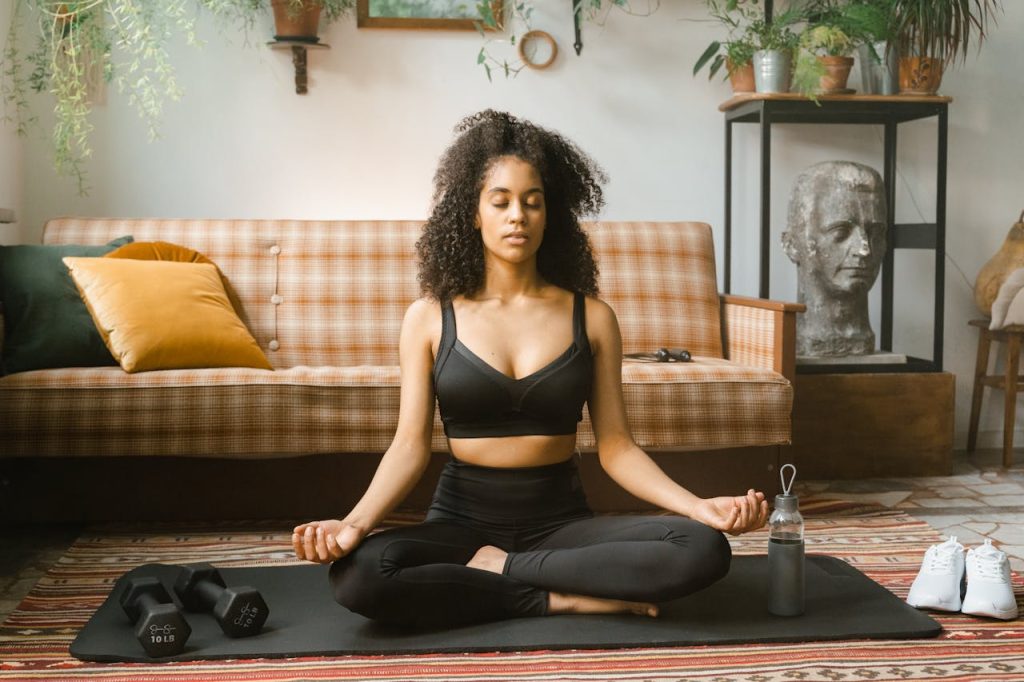
Practical Tips to Get the Most Out of Mindfulness Trainings
To fully benefit from mindfulness trainings, consider the following tips:
- Set a Daily Schedule: Even 10–15 minutes daily can have a significant impact.
- Create a Quiet Space: Find a calm environment free from distractions.
- Be Patient: Mindfulness is a gradual practice; progress may take time.
- Journal Your Experiences: Reflecting on thoughts and feelings can deepen mindfulness awareness.
- Join a Community: Participating in group trainings or online forums can provide support and motivation.
Why Choose Professional Mindfulness Trainings?
While self-guided mindfulness exercises are helpful, professional mindfulness trainings provide additional benefits:
- Expert Guidance: Learn from experienced instructors who can tailor techniques to your needs.
- Structured Curriculum: Avoid confusion with a clear, step-by-step approach.
- Accountability: Regular sessions help maintain consistency and motivation.
- Personalized Support: Trainers provide feedback and adjustments to optimize your practice.
- Comprehensive Learning: Exposure to multiple techniques and styles that self-learning may miss.
How Mindfulness Trainings Transform Daily Life
Mindfulness trainings can create long-term changes that extend beyond meditation sessions. Some examples include
- Enhanced Productivity: Improved focus and decision-making skills at work or school.
- Stronger Relationships: Mindful communication reduces misunderstandings and enhances empathy.
- Reduced Anxiety and Depression: Mindfulness promotes emotional regulation and stress management.
- Greater Self-Awareness: Helps individuals identify unproductive thought patterns and replace them with conscious choices.
- Overall Wellbeing: Mindfulness trainings cultivate a sense of peace, gratitude, and balance in daily life.
Final Thought: Invest in Your Mental Health with Mindfulness Trainings
In a world full of distractions and stress, mindfulness trainings offer a proven method to achieve mental clarity, emotional balance, and overall well-being. By learning from professionals, practicing regularly, and integrating mindfulness into daily life, individuals can experience profound benefits in both personal and professional spheres.
If you’re looking to reduce stress, improve focus, and cultivate inner peace, our mindfulness trainings provide the guidance, structure, and support to help you achieve these goals. Start your journey today and experience the transformative power of mindfulness.
FAQs for Mindfulness Trainings
What are mindfulness trainings?
Mindfulness trainings are structured programs designed to teach individuals how to practice mindfulness effectively, including meditation, breathing exercises, and mindful awareness.
Who can benefit from mindfulness trainings?
Anyone can benefit—professionals, students, parents, caregivers, or anyone seeking stress relief, focus improvement, and emotional balance.
How long does a mindfulness training program last?
Programs vary, ranging from short 1–2 hour workshops to multi-week or multi-month courses, depending on depth and structure.
Are mindfulness trainings suitable for beginners?
Yes, most mindfulness trainings are designed for beginners and gradually introduce more advanced techniques as participants progress.
What types of mindfulness trainings are available?
Common types include in-person workshops, online courses, corporate programs, and immersive retreats.
How do mindfulness trainings help with stress?
They teach participants to respond to stress calmly through meditation, breathing exercises, and mindful awareness, reducing anxiety and tension.
Can mindfulness trainings improve focus and productivity?
Yes, by training the mind to stay present, mindfulness reduces distractions and enhances concentration and productivity.
Do mindfulness trainings have physical health benefits?
Yes, practices like mindful breathing and meditation can improve sleep, lower blood pressure, reduce chronic pain, and boost overall wellbeing.
How often should I practice mindfulness after training?
Daily practice, even for 10–15 minutes, is recommended to maintain and deepen mindfulness skills learned during training.
Can children or teenagers participate in mindfulness trainings?
Yes, there are age-appropriate mindfulness programs designed for children and teens to improve focus, emotional regulation, and stress management.
What is the difference between guided meditation and self-practice?
Guided meditation provides step-by-step instruction led by an instructor, while self-practice is independent; professional trainings often combine both for best results.
Are online mindfulness trainings effective?
Absolutely. Online programs offer flexibility, guided sessions, and interactive exercises, making them accessible to participants worldwide.
How do corporate mindfulness trainings benefit employees?
They reduce workplace stress, improve focus, boost team collaboration, and enhance overall productivity.
What should I expect in a mindfulness retreat?
Retreats provide immersive meditation experiences, mindful movement practices, nature-based exercises, and opportunities for deep reflection.
How can I choose the right mindfulness training for me?
Consider your goals, schedule, learning preferences, and whether you prefer in-person guidance, online flexibility, or an immersive retreat experience.
Related Topics
- Articles on Mindfulness: Power of Meditation for Daily Life
- What Does Mindfulness Mean? Understanding Its Benefits
- What Is Being Mindfulness? A Complete Guide to Mindful Living
- Walking Mindfulness Meditation: A Simple Path to Inner Peace
- Mindfulness Body Scan Meditation: A Complete Guide
- Workplace Mindfulness: Improve Focus & Productivity
- Meditation Methods for Beginners | Start Your Mindfulness Journey
- What Does Being Mindful Mean? A Complete Guide to Mindfulness
- Definition of Mindfulness? Meaning, Benefits & Practice
- Mindfulness for the Workplace: Boost Productivity & Well-being
- Breath Meditation: A Complete Guide to Mindfulness & Relaxation
- Mastering the Art of Having Patience: A Mindfulness Approach
- Mindfulness Meditation for Anxiety: Calm Your Mind
- Self Meditating: A Complete Guide to Practicing Mindfulness
- Mindfulness for Grief: Find Peace Through Mindful Awareness
- Meditation and Sounds: Boost Mindfulness & Relaxation
- Emotion Mindfulness: Techniques to Manage Your Feelings
- Daily Mindfulness: How to Transform Your Life