
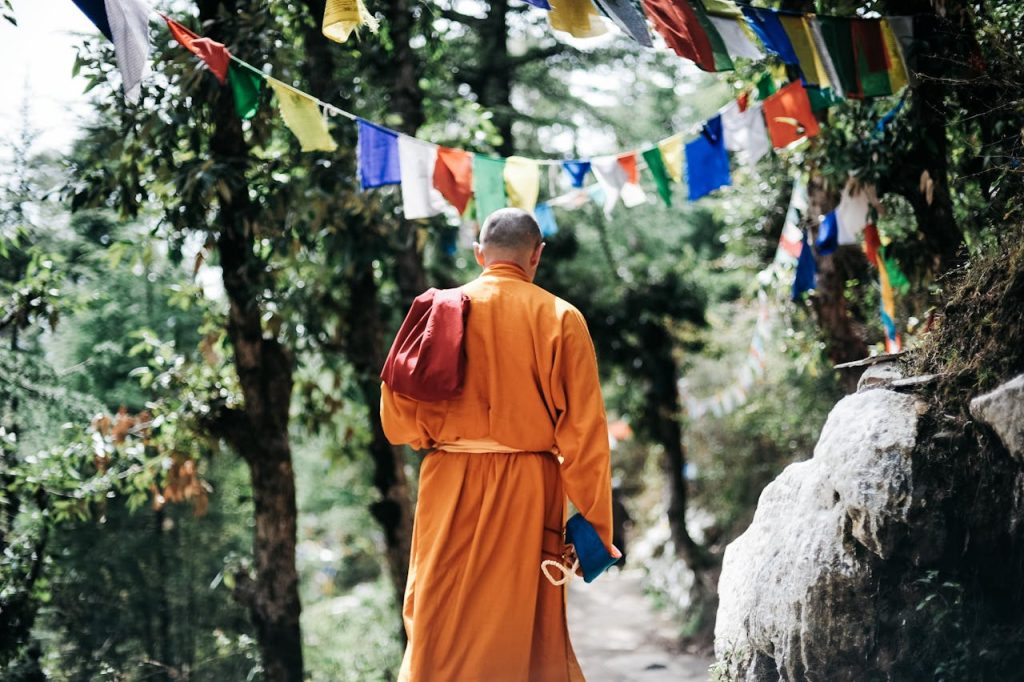
Discover how movement mindfulness can transform your daily routine. Learn simple techniques, benefits, and practical ways to practice mindful movement for better mental and physical well-being.
Overview
In today’s fast-paced world, many people spend hours sitting, scrolling, or rushing from one task to another without fully noticing how their bodies feel. This disconnection between mind and body can lead to stress, fatigue, and a lack of focus.
One powerful way to restore balance is through movement mindfulness. This practice combines intentional physical movement with present-moment awareness, helping you reconnect with your body while calming your mind.
Instead of treating movement as just exercise, movement mindfulness encourages you to notice each step, stretch, and breath. Whether you’re walking, stretching, practicing yoga, or simply moving through your day, mindful awareness can transform ordinary actions into moments of clarity and peace.
At Mindfulness Meditation Hub, we help individuals discover practical ways to integrate mindfulness into everyday life. One of the most accessible and transformative practices is mindful movement.
What Is Movement Mindfulness?
Movement mindfulness is the practice of bringing full awareness to physical movement. Instead of moving automatically or rushing through exercise, you intentionally notice how your body feels, how your breath flows, and how your mind responds.
This approach blends elements of mindfulness meditation with gentle movement practices.
Examples include:
- Mindful walking
- Yoga and mindful stretching
- Tai Chi or slow-flow movements
- Conscious breathing while moving
- Everyday activities like cooking or cleaning done with awareness
The goal of movement mindfulness is not performance or intensity. Instead, it focuses on cultivating awareness, balance, and presence.
When movement and mindfulness come together, the body becomes an anchor for attention, helping you stay grounded in the present moment.

Why Movement Mindfulness Matters in Modern Life
Modern lifestyles often create a disconnect between mind and body. Many people sit for long hours, multitask constantly, and rarely pause to check in with themselves.
This disconnect can lead to the following:
Practicing movement mindfulness helps bridge this gap by encouraging conscious awareness of your physical sensations and movements.
When you slow down and move with intention, you create space for your mind to relax and reset.
The Science Behind Mindful Movement
Research in mindfulness and neuroscience shows that mindful practices can positively affect both the brain and body.
When practicing movement mindfulness, several beneficial processes occur:
1. Reduced Stress Response
Mindful movement activates the parasympathetic nervous system, which promotes relaxation and recovery.
2. Improved Body Awareness
Focusing on movement increases proprioception—the ability to sense your body’s position and movement.
3. Enhanced Focus and Attention
Mindfulness strengthens neural pathways associated with attention and cognitive control.
4. Emotional Regulation
Slow, mindful movement helps regulate emotions and reduce anxiety.
These benefits make mindful movement a valuable practice for anyone seeking greater balance in daily life.
Key Benefits of Movement Mindfulness
Practicing mindful movement regularly can create powerful improvements in overall well-being.
Here are some of the most important benefits.
1. Reduces Stress and Anxiety
Slow, intentional movement combined with deep breathing can calm the nervous system and reduce stress levels.
Many people find that even a few minutes of movement-mindfulness helps them feel more grounded and relaxed.
2. Improves Mental Clarity
Mindful movement encourages present-moment awareness, helping clear mental clutter and improve focus.
This can be especially helpful for people who feel overwhelmed or distracted.
3. Strengthens the Mind-Body Connection
When you practice movement mindfulness, you begin to notice subtle signals from your body.
This awareness can help you:
- Prevent injuries
- Recognize tension early
- Respond to stress more effectively
4. Enhances Emotional Well-Being
Mindful movement encourages acceptance and awareness without judgment.
This supportive mindset can improve emotional resilience and overall mood.
5. Supports Physical Health
Regular mindful movement can also improve:
- Flexibility
- Posture
- Balance
- Coordination
Because movement mindfulness encourages gentle and intentional motion, it can be accessible to people of all ages and fitness levels.
Simple Movement Mindfulness Practices to Try
You don’t need special equipment or advanced training to begin practicing mindful movement. Here are a few simple techniques you can try today.
Mindful Walking
Mindful walking is one of the easiest ways to practice movement mindfulness.
Steps to try:
- Walk slowly and naturally.
- Notice how your feet touch the ground.
- Pay attention to your breathing.
- Observe the movement of your body with each step.
- If your mind wanders, gently bring your attention back to walking.
Even a five-minute mindful walk can create a sense of calm and presence.
Gentle Stretching
Stretching can become a powerful mindfulness practice when done with awareness.
Try this approach:
- Move slowly into each stretch.
- Notice sensations in your muscles.
- Coordinate movement with your breathing.
- Avoid rushing or forcing your body.
This form of movement mindfulness helps release tension and increase body awareness.
Mindful Yoga Flow
Yoga is a well-known example of movement mindfulness because it combines breath, movement, and awareness.
Focus on:
- Smooth transitions between poses
- Deep, steady breathing
- Observing sensations without judgment
Even a short mindful yoga practice can support relaxation and focus.
Everyday Mindful Movement
Mindful movement doesn’t have to be formal exercise. You can practice movement mindfulness during everyday activities such as the following:
- Washing dishes
- Cleaning your home
- Gardening
- Cooking meals
- Walking to work or school
The key is to bring your full attention to the movement itself.

How to Build a Movement-Mindfulness Routine
Consistency is important for experiencing the full benefits of mindful movement.
Here are a few practical tips.
Start Small.
Begin with just 5–10 minutes of movement mindfulness each day.
Small, consistent practices often create the most lasting results.
Choose Activities You Enjoy
You’re more likely to maintain a routine if the movement feels natural and enjoyable.
Focus on Awareness, Not Perfection
Mindfulness is not about doing movements perfectly.
Instead, focus on noticing:
- Your breathing
- Body sensations
- Thoughts and emotions
Create a Calm Environment.
Practicing in a quiet or peaceful space can make movement mindfulness easier to maintain.
How Mindfulness Meditation Hub Supports Your Journey
At Mindfulness Meditation Hub, our goal is to help people develop practical mindfulness skills that support everyday well-being.
Through our resources and guidance, you can explore:
- Mindful breathing techniques
- Guided meditation practices
- Mindful movement exercises
- Stress-reduction strategies
- Daily mindfulness routines
Whether you are new to mindfulness or deepening your existing practice, integrating movement mindfulness into your life can be a powerful step toward greater balance and clarity.
Final Thoughts
Incorporating movement mindfulness into your daily routine can transform the way you experience both movement and meditation.
Instead of rushing through exercise or daily tasks, mindful movement encourages you to slow down, breathe deeply, and fully experience each moment.
Over time, this practice can help you:
- Reduce stress
- Improve focus
- Strengthen the mind-body connection
- Cultivate emotional balance
- Enhance overall well-being
The beauty of movement mindfulness is that it can be practiced anywhere—during a walk, while stretching, or even while completing simple daily tasks.
By bringing awareness to movement, you turn ordinary actions into opportunities for mindfulness and self-care.
FAQs for Movement Mindfulness
What is movement mindfulness?
Movement mindfulness is the practice of bringing full awareness and attention to physical movement. It involves noticing how your body moves, how your breath flows, and how sensations change while performing activities such as walking, stretching, or yoga.
How does movement mindfulness differ from regular exercise?
Regular exercise often focuses on physical performance, strength, or endurance. Movement mindfulness focuses on awareness and presence during movement, helping connect the mind and body while reducing stress.
What are the benefits of movement mindfulness?
Movement mindfulness can help reduce stress, improve concentration, increase body awareness, enhance emotional balance, and support overall physical well-being.
Can beginners practice movement mindfulness?
Yes, beginners can easily start practicing movement mindfulness. Simple activities such as mindful walking, stretching, or slow breathing exercises are excellent ways to begin.
How often should I practice movement mindfulness?
Practicing movement mindfulness for even 5–10 minutes a day can be beneficial. Consistency is more important than the length of each session.
Is movement mindfulness the same as yoga?
Yoga can be a form of movement mindfulness, but movement mindfulness also includes many other activities such as walking, stretching, tai chi, and mindful daily movements.
Can movement mindfulness reduce stress and anxiety?
Yes, movement mindfulness helps calm the nervous system and encourages relaxation. By focusing on breathing and body sensations, it can significantly reduce stress and anxiety levels.
What are some simple movement mindfulness exercises?
Common exercises include mindful walking, gentle stretching, slow yoga flows, breathing while moving, and paying attention to everyday movements like cooking or cleaning.
Do I need special equipment to practice movement mindfulness?
No special equipment is required. Movement mindfulness can be practiced anywhere using simple movements and awareness of breathing and body sensations.
How does movement mindfulness improve focus?
When you focus on physical sensations and breathing during movement, your mind becomes less distracted by worries or external stimuli, improving concentration and mental clarity.
Can movement mindfulness improve body awareness?
Yes, one of the main goals of movement mindfulness is to increase awareness of how your body feels and moves. This helps you recognize tension, posture, and physical signals more clearly.
Is movement mindfulness suitable for all ages?
Movement mindfulness is suitable for people of all ages because the movements can be gentle and adapted to different physical abilities.
Can movement mindfulness be practiced during daily activities?
Yes, everyday actions like walking, cleaning, cooking, or even stretching at your desk can become forms of movement mindfulness when done with awareness and intention.
How long does it take to see the benefits of movement mindfulness?
Many people notice reduced stress and improved focus after just a few sessions. Long-term benefits usually develop with consistent practice over several weeks.
Where can I learn more about movement mindfulness?
You can explore helpful guides, meditation techniques, and mindful movement practices on Mindfulness Meditation Hub to deepen your understanding and build a daily mindfulness routine.
Related Topics
- Articles on Mindfulness: Power of Meditation for Daily Life
- What Does Mindfulness Mean? Understanding Its Benefits
- What Is Being Mindfulness? A Complete Guide to Mindful Living
- Walking Mindfulness Meditation: A Simple Path to Inner Peace
- Mindfulness Body Scan Meditation: A Complete Guide
- Workplace Mindfulness: Improve Focus & Productivity
- Meditation Methods for Beginners | Start Your Mindfulness Journey
- What Does Being Mindful Mean? A Complete Guide to Mindfulness
- Definition of Mindfulness? Meaning, Benefits & Practice
- Mindfulness for the Workplace: Boost Productivity & Well-being
- Breath Meditation: A Complete Guide to Mindfulness & Relaxation
- Mastering the Art of Having Patience: A Mindfulness Approach
- Mindfulness Meditation for Anxiety: Calm Your Mind
- Self Meditating: A Complete Guide to Practicing Mindfulness
- Mindfulness for Grief: Find Peace Through Mindful Awareness
- Meditation and Sounds: Boost Mindfulness & Relaxation
- Emotion Mindfulness: Techniques to Manage Your Feelings
- Daily Mindfulness: How to Transform Your Life