
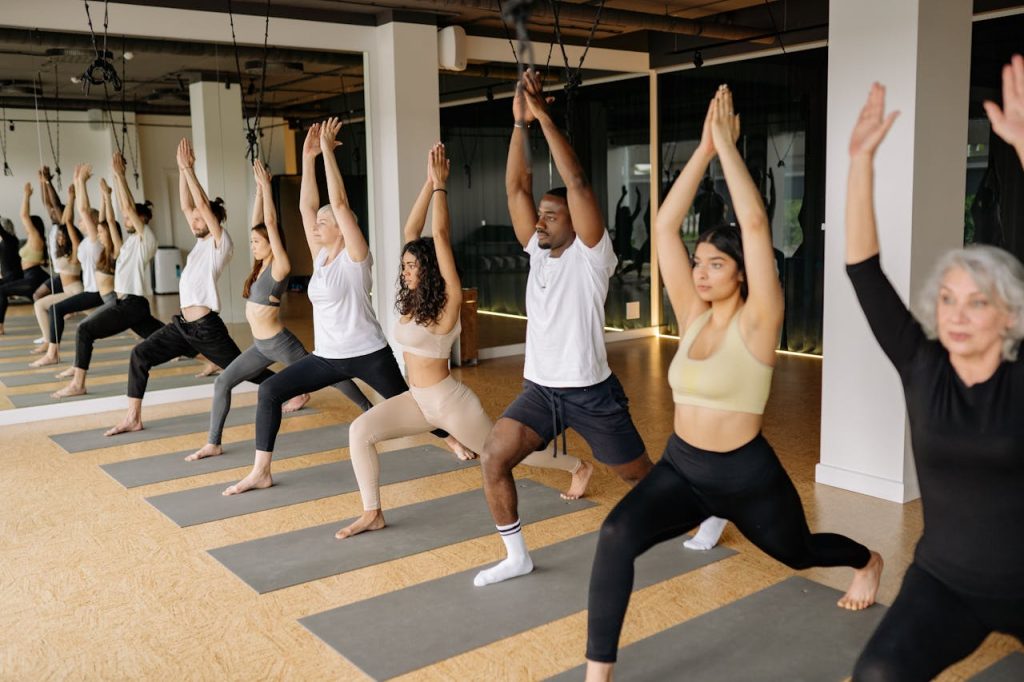
Discover how moving and mindfulness can transform your daily routine. Learn simple techniques to reduce stress, improve focus, and connect your mind and body through movement.
Overview
In this blog post, you will explore the powerful concept of moving mindfulness and how it can help you feel more present, calm, and connected in your everyday life. You’ll learn:
- What moving mindfulness is and how it differs from traditional meditation
- The benefits of combining movement with mindfulness
- Simple techniques to start practising today
- Real-life examples of mindful movement
- Tips to build a consistent routine
- Common mistakes and how to avoid them
By the end of this guide, you’ll understand how to incorporate moving mindfulness into your daily activities and use it as a tool for long-term mental and physical well-being.
What Is Moving Mindfulness?
Moving mindfulness is the practice of bringing full awareness to your body and actions while you move. Unlike seated meditation, where stillness is the focus, moving mindfulness encourages you to stay present during physical activities.
This can include:
- Walking
- Stretching
- Yoga
- Everyday tasks like cleaning or cooking
The goal of moving mindfully is to connect your mind and body, allowing you to fully experience each movement without distraction.
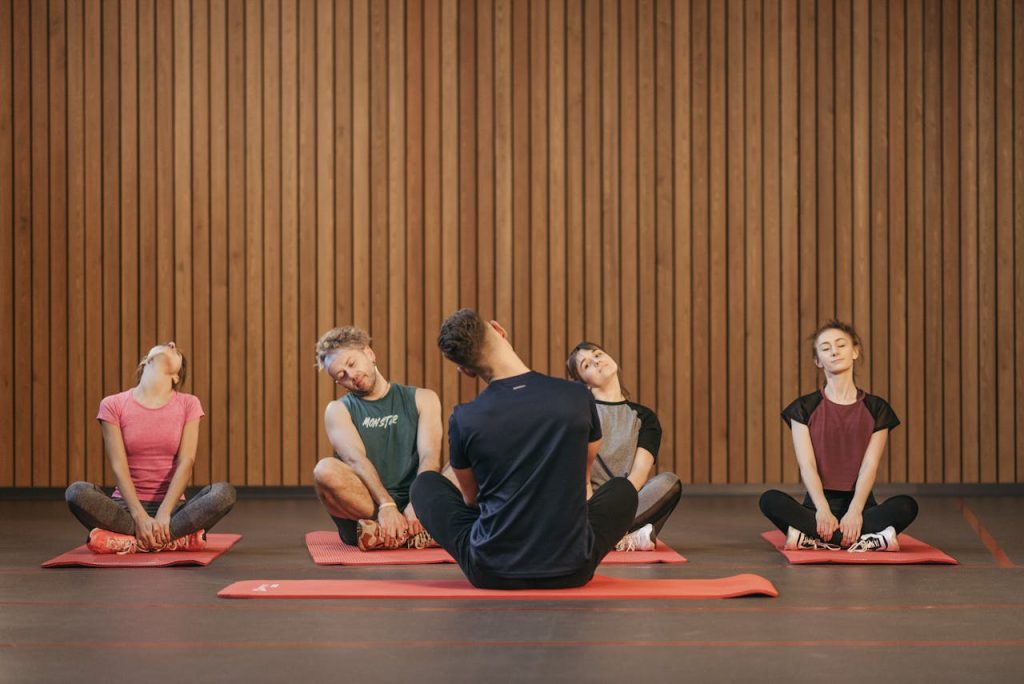
Why Moving and Mindfulness Matter
In a world full of distractions, many people go through their day on autopilot. Moving mindfulness helps break that cycle by encouraging conscious awareness.
Key Reasons to Practise Moving Mindfulness
- Reduces stress: Focused movement calms the nervous system.
- Improves focus: Trains your attention to stay in the present moment
- Enhances body awareness: Helps you understand how your body feels and moves
- Boosts emotional balance: Encourages a calm and steady mindset
By practising moving mindfulness, you begin to transform ordinary activities into meaningful experiences.
The Science Behind Moving Mindfulness
Research shows that combining movement with mindfulness can have powerful effects on both the brain and body.
Benefits Supported by Research
- Lower levels of cortisol (stress hormone)
- Improved brain function and focus
- Enhanced mood and reduced symptoms of anxiety
- Better physical coordination and balance
When you engage in moving mindfulness, your brain shifts away from overthinking and into present-moment awareness.
Types of Moving Mindfulness Practices
There are many ways to practise moving mindfulness, depending on your lifestyle and preferences.
1. Mindful Walking
One of the simplest forms of moving mindfulness.
- Walk slowly and pay attention to each step
- Notice how your feet touch the ground.
- Focus on your breath as you move
2. Yoga and Gentle Stretching
Yoga naturally combines breath, movement, and awareness.
- Focus on how your body feels in each pose
- Move slowly and intentionally
- Stay present with each transition
3. Tai Chi or Flow-Based Movement
These practices involve slow, controlled movements that promote deep awareness.
4. Everyday Activities
You can practise moving mindfully during:
- Washing dishes
- Cooking meals
- Cleaning your room
- Brushing your teeth
The key is to stay fully present during the activity.
How to Practise Moving Mindfulness (Step-by-Step)
Starting a moving mindfulness practice is simple and doesn’t require any special equipment.
Step 1: Choose an Activity
Pick a movement you already do daily, like walking or stretching.
Step 2: Slow Down
Move more slowly than usual to increase awareness.
Step 3: Focus on Sensations
Pay attention to:
- Body movements
- Muscle tension
- Breathing patterns
Step 4: Stay Present
If your mind wanders, gently bring it back to the movement.
Step 5: Breathe Naturally
Let your breath guide your rhythm.
Practising moving mindfulness for even a few minutes a day can create noticeable changes.
Simple Techniques to Deepen Your Practice
To get the most out of moving mindfully, try these techniques:
1. Body Scan in Motion
As you move, mentally scan your body from head to toe.
2. Breath synchronisation
Match your breath with your movements.
3. Sensory Awareness
Notice sounds, textures, and surroundings while moving.
4. Intentional Movement
Set an intention before you begin, such as calmness or focus.
These methods make your moving mindfulness practice more engaging and effective.
Common Mistakes to Avoid
While moving mindfully is simple, there are a few common mistakes:
Moving Too Fast
Slowing down is essential for awareness.
Multitasking
Avoid distractions like phones or conversations.
Judging Yourself
There’s no “perfect” way to practise—just stay present.
Inconsistency
Regular practice is key to seeing benefits.
Avoiding these mistakes will help you build a stronger, moving mindfulness routine.
Benefits of Moving Mindfulness in Daily Life
The impact of moving with mindfulness goes beyond the practice itself.
Mental Benefits
Physical Benefits
Emotional Benefits
- Greater sense of calm
- Improved mood
- Stronger connection to yourself
With regular practice, mindful moving becomes a natural part of how you experience life.

How to Build a Daily Moving Mindfulness Routine
Consistency is what transforms moving mindfulness into a lasting habit.
Tips for Success
- Start small: Begin with 5–10 minutes daily.
- Choose familiar activities: Use movements already in your routine
- Set reminders: Schedule time for your practice.
- Stay patient: Progress takes time.
Sample Daily Routine
Morning:
- 5-minute mindful stretching
- Focus on breath and body awareness
Afternoon:
- Mindful walking for 5–10 minutes
Evening:
- Gentle movement or yoga with full awareness
By following a simple routine, moving mindfully becomes effortless over time.
Who Can Benefit from Moving Mindfulness?
The beauty of moving mindfully is that it’s accessible to everyone.
Ideal For:
- Beginners who find seated meditation difficult
- Busy individuals looking for practical mindfulness
- People dealing with stress or anxiety
- Anyone seeking better mind-body connection
No matter your lifestyle, moving mindfully can be adapted to fit your needs.
Final Thoughts
Moving mindfulness is a powerful yet simple way to bring awareness into your everyday life. By combining movement with mindfulness, you create a deeper connection between your body and mind.
You don’t need extra time, special tools, or advanced skills—just the willingness to slow down and be present.
Start small; stay consistent; and let moving mindfulness transform the way you move, think, and live.
FAQs for Moving Mindfulness
What is moving mindfulness?
Moving mindfulness is the practice of bringing full awareness to your body and movements while performing physical activities like walking, stretching, or daily tasks.
How is moving mindfulness different from traditional meditation?
Unlike traditional meditation, which is usually done in stillness, moving mindfulness involves staying present while your body is in motion.
Can beginners practice moving mindfulness?
Yes, moving mindfulness is very beginner-friendly and can be practiced during simple daily activities without any prior experience.
What are the benefits of moving mindfulness?
It helps reduce stress, improve focus, enhance body awareness, and create a stronger connection between mind and body.
How long should I practice moving mindfulness each day?
You can start with just 5–10 minutes daily and gradually increase the duration as it becomes part of your routine.
What activities can I use for moving mindfulness?
You can practice moving mindfulness while walking, doing yoga, stretching, cleaning, cooking, or even brushing your teeth.
Is moving mindfulness effective for stress relief?
Yes, moving mindfulness helps calm the nervous system and reduces stress by keeping your attention in the present moment.
Can moving mindfulness improve focus and concentration?
Yes, regular practice trains your brain to stay present, which can significantly improve focus and mental clarity.
Do I need any special equipment for moving mindfulness?
No, moving mindfulness does not require any equipment—just your body and your awareness.
Can I combine moving mindfulness with exercise?
Yes, you can incorporate moving mindfulness into workouts, yoga sessions, or any physical activity by focusing on your movements and breath.
What should I focus on during moving mindfulness?
Focus on your body sensations, breathing, and the way your body moves during each activity.
Is moving mindfulness suitable for busy people?
Absolutely, it’s perfect for busy individuals because it can be practiced during everyday tasks without needing extra time.
Can children practice moving mindfulness?
Yes, moving mindfulness is simple and can help children develop better focus, awareness, and emotional balance.
How long does it take to see results from moving mindfulness?
Many people notice improved calmness and focus within a few days, but consistent practice brings long-term benefits.
What are common mistakes in moving mindfulness?
Common mistakes include moving too quickly, multitasking, getting distracted, and not practicing consistently.
Related Topics
- Articles on Mindfulness: Power of Meditation for Daily Life
- What Does Mindfulness Mean? Understanding Its Benefits
- What Is Being Mindfulness? A Complete Guide to Mindful Living
- Walking Mindfulness Meditation: A Simple Path to Inner Peace
- Mindfulness Body Scan Meditation: A Complete Guide
- Workplace Mindfulness: Improve Focus & Productivity
- Meditation Methods for Beginners | Start Your Mindfulness Journey
- What Does Being Mindful Mean? A Complete Guide to Mindfulness
- Definition of Mindfulness? Meaning, Benefits & Practice
- Mindfulness for the Workplace: Boost Productivity & Well-being
- Breath Meditation: A Complete Guide to Mindfulness & Relaxation
- Mastering the Art of Having Patience: A Mindfulness Approach
- Mindfulness Meditation for Anxiety: Calm Your Mind
- Self Meditating: A Complete Guide to Practicing Mindfulness
- Mindfulness for Grief: Find Peace Through Mindful Awareness
- Meditation and Sounds: Boost Mindfulness & Relaxation
- Emotion Mindfulness: Techniques to Manage Your Feelings
- Daily Mindfulness: How to Transform Your Life