
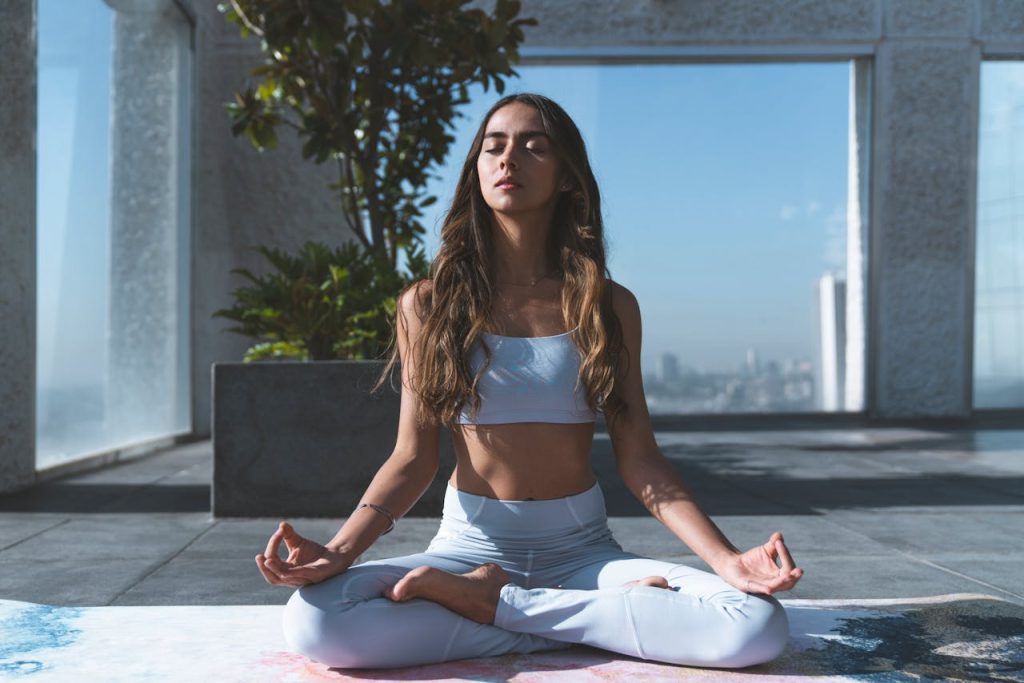
Discover the power of pause mindfulness. Learn practical techniques to reduce stress, improve focus, and bring calm into your daily routine. Start your mindful journey today.
Overview
In this blog post, readers will learn the meaning and benefits of pause mindfulness, how it differs from traditional meditation, and actionable techniques to integrate mindful pauses into everyday life. We will explore the science behind the practice, practical tips, and the impact it can have on mental clarity, emotional regulation, and overall well-being. By the end, readers will understand how to create intentional pauses to reset their mind, manage stress, and enhance focus.
What is Pause Mindfulness?
Pause mindfulness is the intentional act of stopping briefly during your day to bring awareness to the present moment. Unlike formal meditation sessions that may require a set time and quiet space, pause mindfulness is flexible and can be practiced anytime—even during work, while commuting, or in between tasks.
Key characteristics of pause mindfulness include:
- A brief mental reset to reconnect with your thoughts and emotions.
- Increased awareness of the present moment.
- Reduced reactivity to stressors.
- Enhanced clarity and decision-making.
The essence of pause mindfulness is not about doing nothing, but about doing everything with conscious awareness. Even a 30-second pause can significantly improve mental focus and emotional balance.
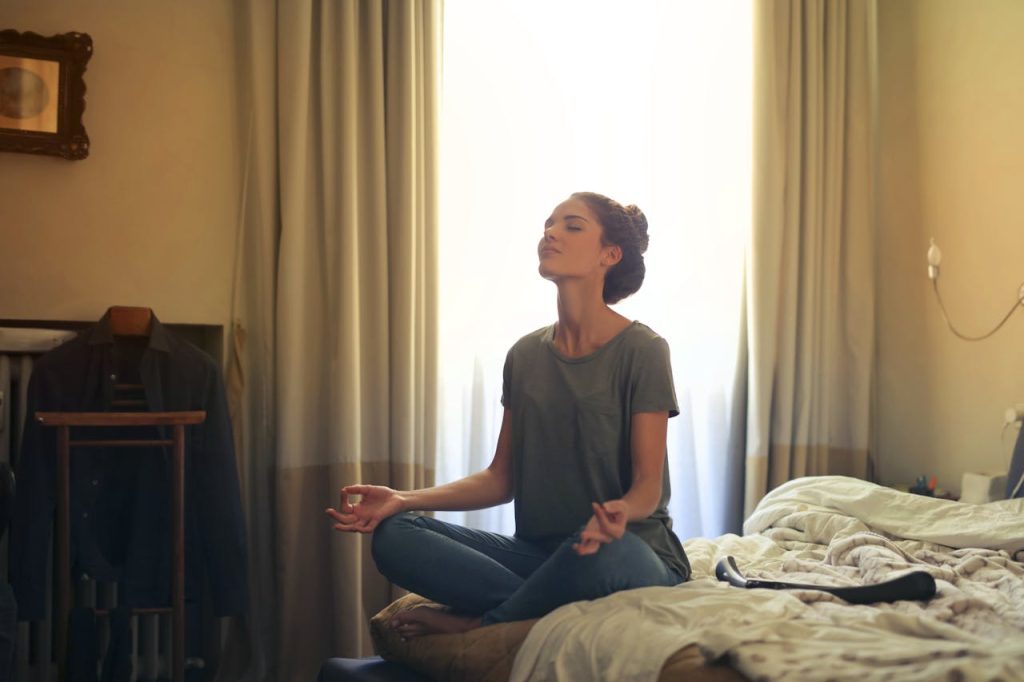
Why Pause Mindfulness Matters
Modern life is fast-paced, filled with constant notifications, deadlines, and distractions. This can lead to:
Pause mindfulness helps counter these challenges by creating intentional moments of awareness. When practiced regularly, it can:
- Reduce stress levels: Pausing interrupts the stress cycle, allowing your nervous system to reset.
- Enhance focus: Brief mindful breaks improve concentration and prevent cognitive overload.
- Promote emotional regulation: Being aware of your thoughts and feelings prevents impulsive reactions.
- Improve overall well-being: Regular practice fosters calmness, patience, and mental clarity.
Scientific studies also support these benefits. Research in mindfulness-based practices shows that even short, intentional pauses can lower cortisol levels, increase self-awareness, and improve emotional resilience.
How Pause Mindfulness Differs from Traditional Meditation
While traditional meditation often involves sitting quietly for 10–30 minutes or more, pause mindfulness is designed to be integrated into daily life with minimal disruption. Here’s a comparison:
| Feature | Traditional Meditation | Pause Mindfulness |
|---|---|---|
| Duration | 10–30+ minutes | 10–60 seconds per pause |
| Location | Quiet, dedicated space | Anywhere, anytime |
| Focus | Breath, mantra, or guided meditation | Immediate awareness of the present moment |
| Flexibility | Less flexible, structured | Highly flexible, adaptable to daily life |
| Goal | Deep relaxation, long-term stress reduction | Quick mental reset, moment-to-moment awareness |
Pause mindfulness complements traditional meditation. Those who already meditate can use pause mindfulness to extend mindfulness into everyday activities.
Practical Techniques for Pause Mindfulness
Implementing pause mindfulness is simple but requires consistency. Here are effective techniques you can start today:
1. The One-Minute Breathing Pause
- Take a deep breath and focus entirely on your inhalation and exhalation.
- Observe the rise and fall of your chest or abdomen.
- Let go of distracting thoughts and bring attention back to your breath.
Even a one-minute pause can calm the mind, reduce tension, and improve focus.
2. Body Scan Pause
- Close your eyes briefly and scan your body from head to toe.
- Notice areas of tension, discomfort, or relaxation.
- Release tightness consciously, even if only for a few seconds.
This technique increases bodily awareness and reduces stress accumulation.
3. Mindful Observation Pause
- Pick an object nearby—a plant, a cup, or even your hands.
- Observe it fully: its shape, color, texture, and details.
- Focus on this observation for 30–60 seconds.
This sharpens attention and encourages presence in the moment.
4. Gratitude Pause
- Pause and think of one thing you are grateful for at that moment.
- Reflect on why it matters to you.
- Smile, breathe, and carry the feeling forward.
Gratitude pauses can enhance emotional positivity and mental resilience.
5. Mindful Transition Pause
- Before moving from one task to another, pause for 5–10 seconds.
- Take a breath and consciously set your intention for the next activity.
- This helps you stay organized, focused, and less reactive to distractions.
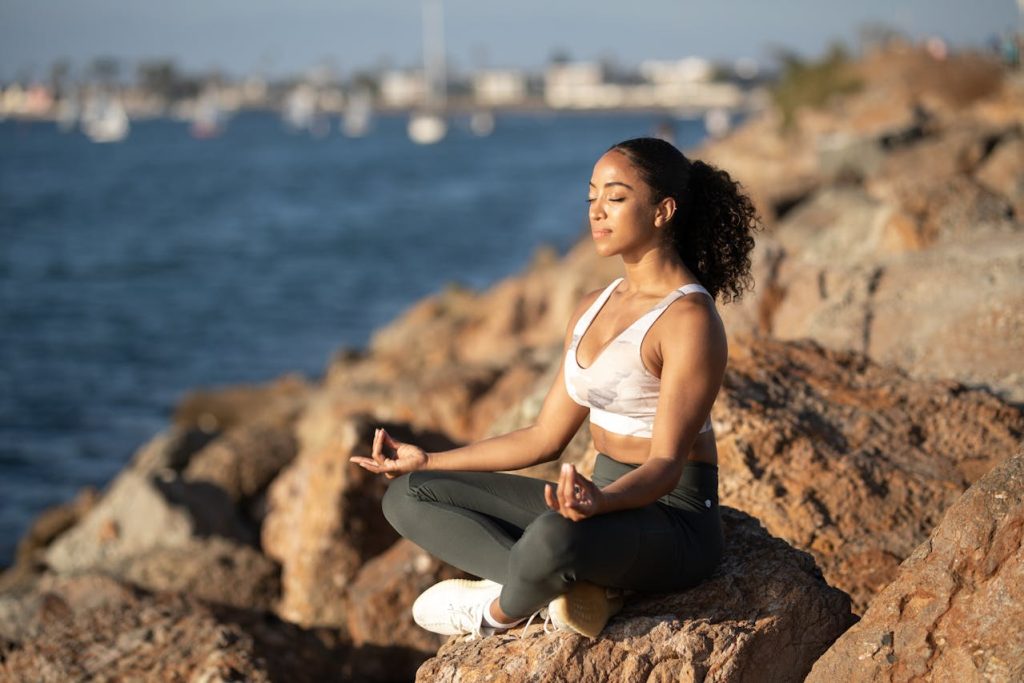
Integrating Pause Mindfulness into Daily Life
To make pause mindfulness a habit, consistency and awareness are key. Here’s how:
- Use reminders: Set phone alarms or calendar notifications to take mini pauses.
- Link pauses to routines: Take a pause before meals, meetings, or phone calls.
- Start small: Begin with one or two pauses a day and gradually increase.
- Track progress: Reflect on how each pause affects your stress and focus levels.
- Combine with other mindfulness practices: Use it alongside meditation, journaling, or yoga.
Even with a busy schedule, pause mindfulness is achievable and doesn’t require extra time—it simply enhances the moments already in your day.
Benefits of Pause Mindfulness in Work and Personal Life
In the Workplace:
- Improves decision-making and problem-solving.
- Reduces workplace stress and burnout.
- Enhances focus during meetings and tasks.
- Encourages mindful communication with colleagues.
In Personal Life:
- Strengthens relationships by improving patience and listening skills.
- Enhances emotional awareness and self-control.
- Reduces anxiety and promotes relaxation before sleep.
- Encourages a more balanced, present-focused lifestyle.
How Mindfulness Meditation Hub Can Help You Practice Pause Mindfulness
At Mindfulness Meditation Hub, we offer resources, guidance, and training to help you make pause mindfulness a natural part of your life. Our services include:
- Step-by-step guides to incorporate pauses into your day.
- Guided meditations tailored for short, mindful breaks.
- Articles and tips to build sustainable mindfulness habits.
- Recommendations for retreats and workshops for deeper practice.
By following our expert guidance, you can start small and gradually cultivate a practice that enhances your mental clarity, emotional resilience, and overall well-being.
Final Thoughts
Pause mindfulness is a simple yet powerful way to regain control over your mental state, even in the busiest of days. By integrating intentional pauses, you can:
- Reduce stress instantly
- Enhance focus and productivity
- Improve emotional awareness
- Foster a greater sense of calm and balance
Remember, mindfulness doesn’t require hours of meditation. Even a few seconds of conscious awareness, taken regularly, can transform your day and your life.
Start your journey today—pause, breathe, and live fully in the present moment.
FAQs for Pause Mindfulness
What is pause mindfulness?
Pause mindfulness is the practice of taking intentional, brief moments during the day to focus on the present moment, reset your mind, and reduce stress.
How long should a pause mindfulness session last?
Sessions can range from 10 seconds to a few minutes. Even a short pause can bring mental clarity and calm.
Can pause mindfulness replace traditional meditation?
No, it complements meditation. Pause mindfulness is quick and flexible, while traditional meditation involves longer, structured practice.
What are the main benefits of pause mindfulness?
It reduces stress, improves focus, enhances emotional regulation, and promotes mental clarity in daily life.
How often should I practice pause mindfulness?
Start with 1–2 pauses per day and gradually increase. Ideally, integrate them during transitions, before tasks, or during stressful moments.
Can I practice pause mindfulness at work?
Yes, it’s perfect for work. Short mindful pauses before meetings or tasks improve focus, decision-making, and stress management.
Do I need a quiet space to practice pause mindfulness?
No, pause mindfulness can be practiced anywhere—at your desk, commuting, or even while waiting in line.
Is pause mindfulness suitable for beginners?
Absolutely. Its simplicity and flexibility make it ideal for anyone, even those new to mindfulness or meditation.
What techniques are commonly used in pause mindfulness?
Common techniques include mindful breathing, body scans, gratitude pauses, mindful observation, and mindful transitions.
Can pause mindfulness reduce anxiety?
Yes, regular mindful pauses help interrupt stress cycles, reduce anxiety, and foster emotional calm.
How does pause mindfulness improve focus?
By taking a conscious pause, you reset your attention, prevent mental overload, and return to tasks with better clarity.
Can I combine pause mindfulness with other mindfulness practices?
Yes, it works well alongside meditation, journaling, yoga, or mindful walking to enhance overall mindfulness.
How can I remember to practice pause mindfulness?
Set phone reminders, link pauses to daily routines, or use visual cues in your environment to prompt mindful moments.
Are there scientific studies supporting pause mindfulness?
Yes, research shows even short mindfulness practices can reduce stress, improve cognitive performance, and enhance emotional regulation.
How quickly can I see results from practicing pause mindfulness?
Some benefits, like reduced tension and improved focus, can be felt immediately, while long-term benefits like emotional resilience develop with consistent practice.
Related Topics
- Articles on Mindfulness: Power of Meditation for Daily Life
- What Does Mindfulness Mean? Understanding Its Benefits
- What Is Being Mindfulness? A Complete Guide to Mindful Living
- Walking Mindfulness Meditation: A Simple Path to Inner Peace
- Mindfulness Body Scan Meditation: A Complete Guide
- Workplace Mindfulness: Improve Focus & Productivity
- Meditation Methods for Beginners | Start Your Mindfulness Journey
- What Does Being Mindful Mean? A Complete Guide to Mindfulness
- Definition of Mindfulness? Meaning, Benefits & Practice
- Mindfulness for the Workplace: Boost Productivity & Well-being
- Breath Meditation: A Complete Guide to Mindfulness & Relaxation
- Mastering the Art of Having Patience: A Mindfulness Approach
- Mindfulness Meditation for Anxiety: Calm Your Mind
- Self Meditating: A Complete Guide to Practicing Mindfulness
- Mindfulness for Grief: Find Peace Through Mindful Awareness
- Meditation and Sounds: Boost Mindfulness & Relaxation
- Emotion Mindfulness: Techniques to Manage Your Feelings
- Daily Mindfulness: How to Transform Your Life