

Discover how embracing present moments can reduce stress, improve focus, and transform your life. Learn practical mindfulness techniques to stay grounded and fully present every day.
Overview
In today’s fast-paced world, it’s easy to feel overwhelmed, distracted, and disconnected. This blog will guide you through the power of present moments and how embracing them can transform your mental, emotional, and even physical well-being.
By the end of this article, you will learn:
- What present moments truly mean
- Why staying present is essential for mental health
- The science-backed benefits of mindfulness
- Practical techniques to stay grounded in daily life
- How to overcome distractions and overthinking
- Ways to build a long-term habit of mindful living
What Are Present Moments?
“Present moments” refer to the experience of being fully aware and engaged in what is happening right now—without distraction, judgment, or attachment to the past or future.
Instead of worrying about what already happened or what might happen next, you focus entirely on:
- Your thoughts
- Your surroundings
- Your emotions
- Your physical sensations
Living in present moments means truly experiencing life as it unfolds, rather than missing it while lost in your mind.
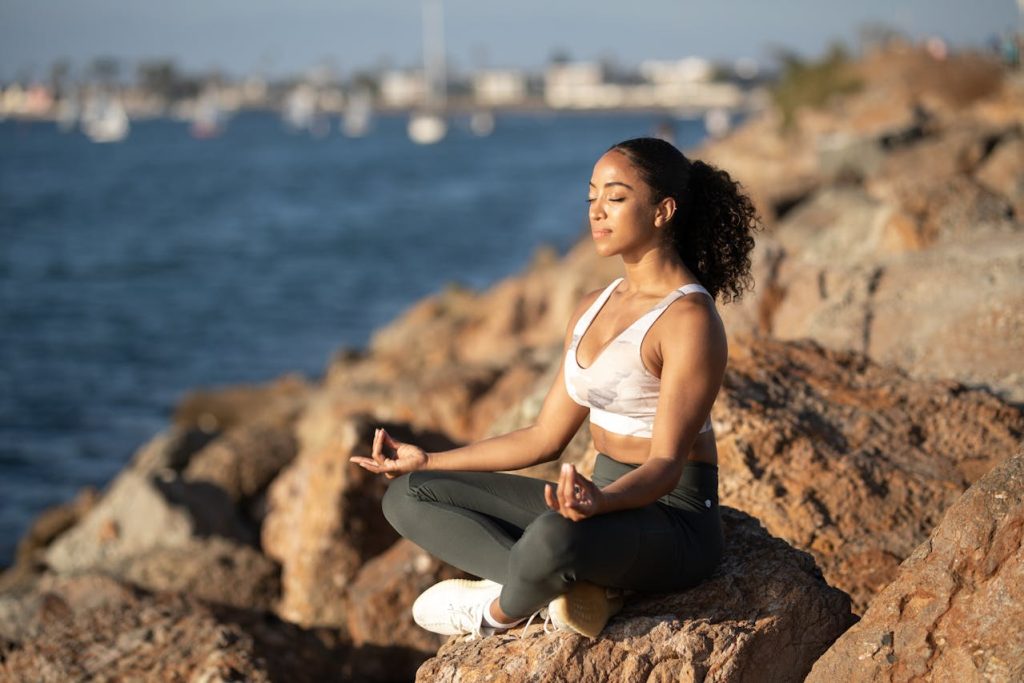
Why Present Moments Matter More Than Ever
Modern life constantly pulls us away from present moments. Social media, work stress, and endless notifications keep our minds busy and fragmented.
When you are not present, you may:
- Overthink past mistakes
- Worry about future uncertainties
- Feel anxious or stressed
- Miss meaningful experiences
On the other hand, embracing present moments helps you:
- Feel calmer and more grounded
- Improve focus and productivity
- Build stronger relationships
- Experience genuine happiness
The Science Behind Present Moments
Research in psychology and neuroscience shows that practicing mindfulness and focusing on present moments can significantly improve mental health.
Key benefits include the following:
- Reduced stress and anxiety levels
- Improved emotional regulation
- Better concentration and memory
- Lower risk of depression
- Enhanced overall well-being
When your mind stays in present moments, your brain shifts away from stress-driven thinking and toward a more balanced, relaxed state.
Signs You Are Not Living in the Present
Before you can embrace present moments, it’s important to recognize when you are disconnected from them.
Common signs include:
- Constant worrying about the future
- Replaying past events repeatedly
- Feeling distracted during conversations
- Struggling to focus on simple tasks
- Always rushing without awareness
If you notice these patterns, it’s a clear signal that your attention is not anchored in present moments.
Simple Techniques to Stay in Present Moments
Learning to live in present moments doesn’t require drastic life changes. Small, consistent practices can make a big difference.
1. Focus on Your Breath
Your breath is a powerful anchor to present moments.
Try this:
- Inhale slowly for 4 seconds
- Hold for 2 seconds
- Exhale for 6 seconds
Repeat this for a few minutes to calm your mind and return to the present.
2. Practice Mindful Observation
Pause and notice your surroundings.
Ask yourself:
- What can I see?
- What can I hear?
- What can I feel?
This simple exercise brings your awareness back to present moments instantly.
3. Limit Multitasking
Multitasking pulls you away from present moments and reduces efficiency.
Instead:
- Focus on one task at a time
- Give it your full attention
- Complete it before moving on.
This improves both productivity and mindfulness.
4. Engage Fully in Daily Activities
Turn ordinary routines into mindful experiences.
For example:
- While eating, focus on taste and texture.
- While walking, notice each step
- While talking, truly listen.
These practices help you reconnect with present moments throughout the day.
5. Use Grounding Techniques
When you feel overwhelmed, grounding exercises can quickly bring you back to present moments.
Try the 5-4-3-2-1 method:
- 5 things you see
- 4 things you feel
- 3 things you hear
- 2 things you smell
- 1 thing you taste
How Present Moments Improve Mental Health
Living in present moments has a profound impact on your emotional well-being.
Benefits include:
- Reduced anxiety from future worries
- Less regret about past mistakes
- Increased emotional stability
- Greater self-awareness
When you stay present, you give your mind a break from unnecessary stress and create space for clarity and peace.
Present Moments and Relationships
Being present doesn’t just benefit you—it improves your relationships as well.
When you focus on present moments:
- You listen more attentively
- You respond with empathy.
- You connect more deeply with others.
People feel valued and understood when you are fully present with them.
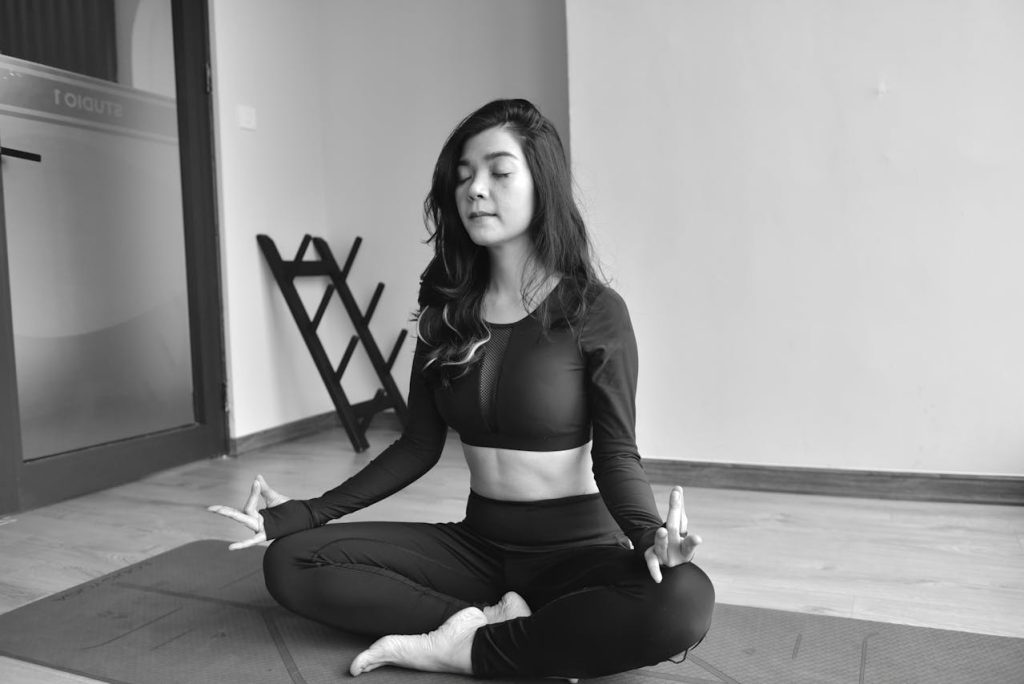
Overcoming Challenges in Staying Present
Staying in present moments is not always easy. Your mind naturally wanders.
Common challenges:
- Overthinking
- Digital distractions
- Stress and anxiety
- Habitual worrying
How to overcome them:
- Set boundaries with technology
- Practice daily mindfulness exercises
- Accept that distractions will happen
- Gently bring your focus back without judgment.
Consistency is key when building the habit of living in present moments.
Building a Daily Habit of Living in Present Moments
Creating a mindful lifestyle requires intentional effort.
Start with these habits:
- Spend 5–10 minutes meditating daily
- Take mindful breaks during work
- Practice gratitude each day
- Reflect on your awareness before sleeping.
Over time, these habits make living in present moments feel natural and effortless.
The Long-Term Impact of Living in Present Moments
When you consistently focus on present moments, your entire life begins to shift.
You may notice:
- Increased happiness and satisfaction
- Greater clarity in decision-making
- Stronger emotional resilience
- A deeper sense of purpose
Instead of rushing through life, you begin to truly experience it.
Final Thoughts
Life happens in the now—not in the past or the future. By embracing present moments, you unlock a more peaceful, focused, and fulfilling way of living.
It doesn’t require perfection—just awareness and practice.
Start small. Stay consistent. And gradually, you will discover the beauty and power of living fully in the present.
FAQs for Present Moments
What are present moments in simple terms?
Present moments refer to being fully aware and engaged in what is happening right now, without thinking about the past or worrying about the future.
Why are present moments important for mental health?
Focusing on present moments helps reduce stress, anxiety, and overthinking while improving emotional balance and overall well-being.
How can I train my mind to stay in present moments?
You can train your mind through mindfulness practices like meditation, breathing exercises, and focusing on your surroundings.
Is mindfulness the same as living in present moments?
Mindfulness is the practice that helps you stay in present moments, but they are closely connected concepts.
How often should I practice being in present moments?
You should practice daily, even if it’s just for a few minutes, to gradually build the habit of staying present.
Can present moments help reduce anxiety?
Yes, focusing on present moments can significantly reduce anxiety by preventing your mind from worrying about the future.
What is the easiest way to return to present moments quickly?
Focusing on your breath is one of the quickest and most effective ways to return to present moments.
Do present moments improve focus and productivity?
Yes, being present helps you concentrate better, complete tasks efficiently, and avoid distractions.
Why is it hard to stay in present moments?
It’s difficult because the human mind naturally tends to wander between past memories and future concerns.
Can present moments improve relationships?
Yes, being fully present allows you to listen better and connect more deeply with others.
How long does it take to get used to living in present moments?
It varies, but with consistent practice, many people notice improvements within a few weeks.
Are present moments helpful for sleep problems?
Yes, mindfulness and staying present can calm your mind, making it easier to fall asleep.
Can I practice present moments while working?
Absolutely. You can stay present by focusing on one task at a time and avoiding multitasking.
What are common distractions from present moments?
Common distractions include smartphones, social media, stress, and constant worrying.
Is meditation necessary to experience present moments?
Meditation is helpful but not required. You can experience present moments through simple awareness in daily activities.
Related Topics
- Daily Mindfulness: How to Transform Your Life
- Articles on Mindfulness: Power of Meditation for Daily Life
- What Does Mindfulness Mean? Understanding Its Benefits
- What Is Being Mindfulness? A Complete Guide to Mindful Living
- Walking Mindfulness Meditation: A Simple Path to Inner Peace
- Mindfulness Body Scan Meditation: A Complete Guide
- Workplace Mindfulness: Improve Focus & Productivity
- Meditation Methods for Beginners | Start Your Mindfulness Journey
- What Does Being Mindful Mean? A Complete Guide to Mindfulness
- Definition of Mindfulness? Meaning, Benefits & Practice
- Mindfulness for the Workplace: Boost Productivity & Well-being
- Breath Meditation: A Complete Guide to Mindfulness & Relaxation
- Mastering the Art of Having Patience: A Mindfulness Approach
- Mindfulness Meditation for Anxiety: Calm Your Mind
- Self Meditating: A Complete Guide to Practicing Mindfulness
- Mindfulness for Grief: Find Peace Through Mindful Awareness
- Meditation and Sounds: Boost Mindfulness & Relaxation
- Emotion Mindfulness: Techniques to Manage Your Feelings