
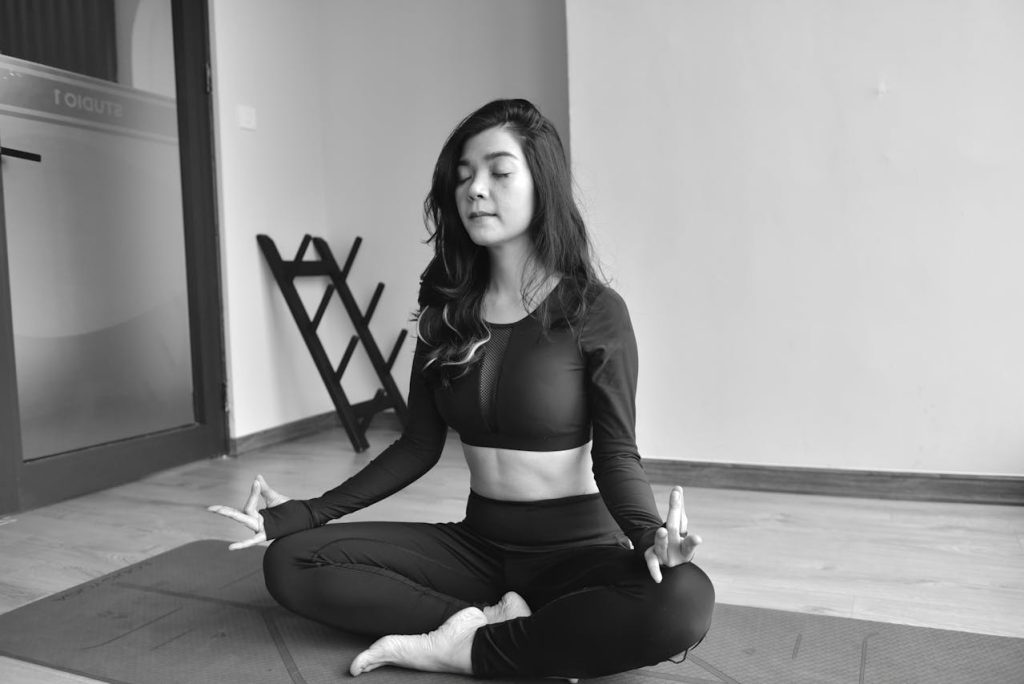
Discover the power of a thankfulness exercise to reduce stress, improve relationships, and enhance emotional well-being. Learn practical ways to practise gratitude daily.
Overview
In this blog post, readers will learn how a thankfulness exercise can transform their daily mindset, reduce stress, improve mental health, and strengthen relationships. We will provide practical steps, examples, and tips for integrating gratitude practices into daily life. By the end of this post, readers will feel equipped to start their own gratitude routine and experience the positive impact of thankfulness in real life.
What is a Thankfulness Exercise?
A thankfulness exercise is a practice designed to help individuals consciously focus on the positive aspects of their life. While gratitude may seem simple, the deliberate act of acknowledging and reflecting on what you are thankful for can have profound effects on emotional well-being.
Unlike a casual “thank you”, a thankfulness exercise is intentional, structured, and repeated regularly. It encourages mindfulness, awareness, and a deeper appreciation for both small and significant moments in life.
Key benefits of thankfulness exercises include:
- Reducing stress and anxiety
- Improving sleep quality
- Boosting self-esteem and overall happiness
- Enhancing relationships and empathy
- Encouraging a positive mindset
Why Practising Gratitude Matters
Science consistently shows that gratitude practices improve emotional, mental, and even physical health. When you engage in a thankfulness exercise, your brain releases dopamine and serotonin, the “feel-good” chemicals that promote happiness.
Gratitude can also
- Strengthen your immune system
- Promote healthier habits
- Foster resilience during challenges
- Increase emotional intelligence
By prioritising gratitude through thankfulness exercises, you are not only nurturing your own well-being but also positively impacting those around you.
How to Perform a Thankfulness Exercise
There are many ways to practise gratitude, but the most effective thankfulness exercises share certain key principles: consistency, mindfulness, and sincerity. Below are actionable steps you can follow:
1. Keep a Gratitude Journal.
Writing down what you are thankful for is one of the simplest and most effective thankfulness exercises.
- Dedicate 5–10 minutes daily to jot down 3–5 things you are grateful for.
- Focus on both small details (a delicious meal) and big achievements (a promotion at work).
- Reflect on why each item makes you grateful.
2. Practice Mindful Appreciation
Mindfulness and gratitude go hand-in-hand. Take a moment to fully appreciate the present moment:
- Notice the beauty around you, such as the sun shining or birds singing.
- Pay attention to your body and sensations, appreciating the simple act of breathing.
- Acknowledge the people who support you in daily life.
3. Express Your Gratitude to Others
Another powerful thankfulness exercise is sharing gratitude with others:
- Write a thank-you note or message to someone who has positively impacted your life.
- Verbally acknowledge acts of kindness in daily interactions.
- Express appreciation even for small gestures; it strengthens your relationships and encourages a positive environment.
4. Gratitude Meditation
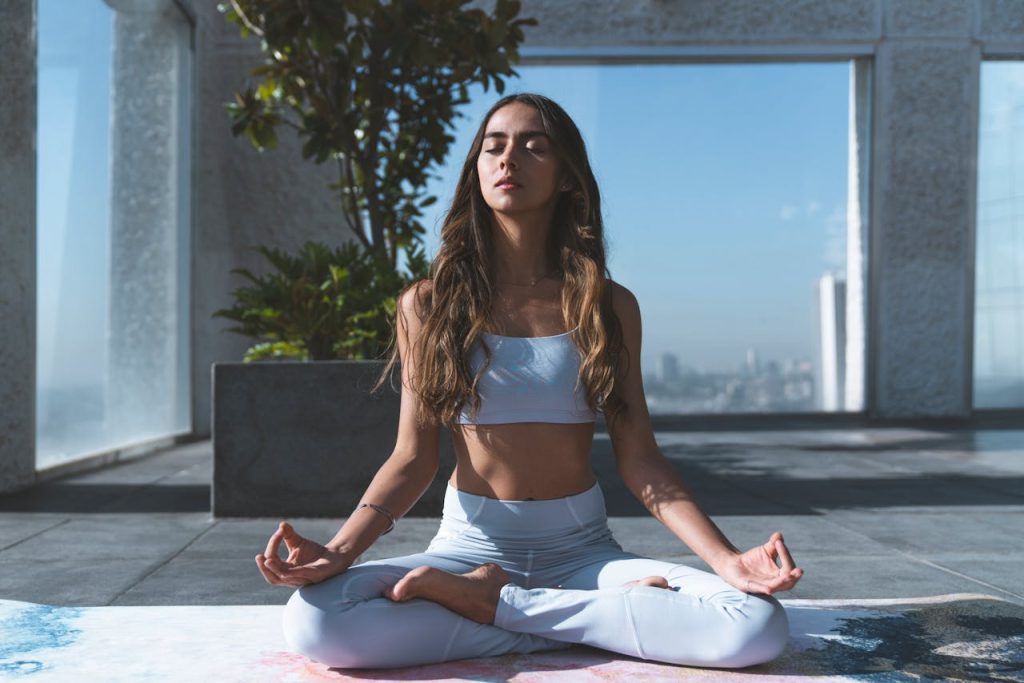
Meditation focused on thankfulness can help calm the mind and create a deep sense of appreciation:
- Sit quietly in a comfortable space.
- Reflect on moments, people, or experiences you are grateful for.
- Allow yourself to feel the emotions associated with these thoughts.
5. Create a Gratitude Ritual
Ritualising gratitude ensures that it becomes a consistent habit:
- Start or end your day with a thankfulness exercise.
- Pair it with other routines like morning coffee or bedtime reading.
- Make it visually appealing, such as writing in a colourful journal or using a gratitude jar.
Real-Life Examples of Thankfulness Exercises
Example 1: Morning Gratitude List
- Upon waking, write three things you are grateful for.
- Reflect on why they are meaningful.
- This sets a positive tone for the day.
Example 2: Gratitude Walk
- Take a 10–15 minute walk outdoors.
- Mentally list the things you appreciate: nature, health, loved ones.
- Focus on sensory details: the sound of leaves, the feel of sunlight, the aroma of flowers.
Example 3: Evening Reflection
- Before bed, write down one challenge you faced and one positive outcome.
- Thankfulness exercises at night promote restful sleep and reduce stress.
Tips for Making Your Thankfulness Exercise Effective
- Be Specific: Instead of saying, “I’m grateful for my friends,” write, “I’m grateful for my friend Alex, who called me yesterday to cheer me up.”
- Focus on Feelings: Include how the gratitude makes you feel.
- Avoid Comparison: Gratitude is personal; avoid comparing yourself to others.
- Consistency is Key: Daily practice produces the best results.
- Mix It Up: Rotate different exercises—journaling, meditation, and verbal thanks—to keep the practice engaging.
How Thankfulness Exercises Improve Mental Health
Engaging in a thankfulness exercise regularly can produce lasting changes in the brain:
- Reduced Negative Thinking: Gratitude shifts focus from what’s lacking to what is present and positive.
- Enhanced Mood: Focusing on positive aspects increases serotonin and dopamine.
- Stress Reduction: Mindful gratitude reduces cortisol levels, helping your body relax.
- Improved Sleep: Reflecting on positive experiences can reduce anxiety before bedtime.
By integrating thankfulness exercises into your daily life, you are actively rewiring your brain to seek and appreciate positivity.
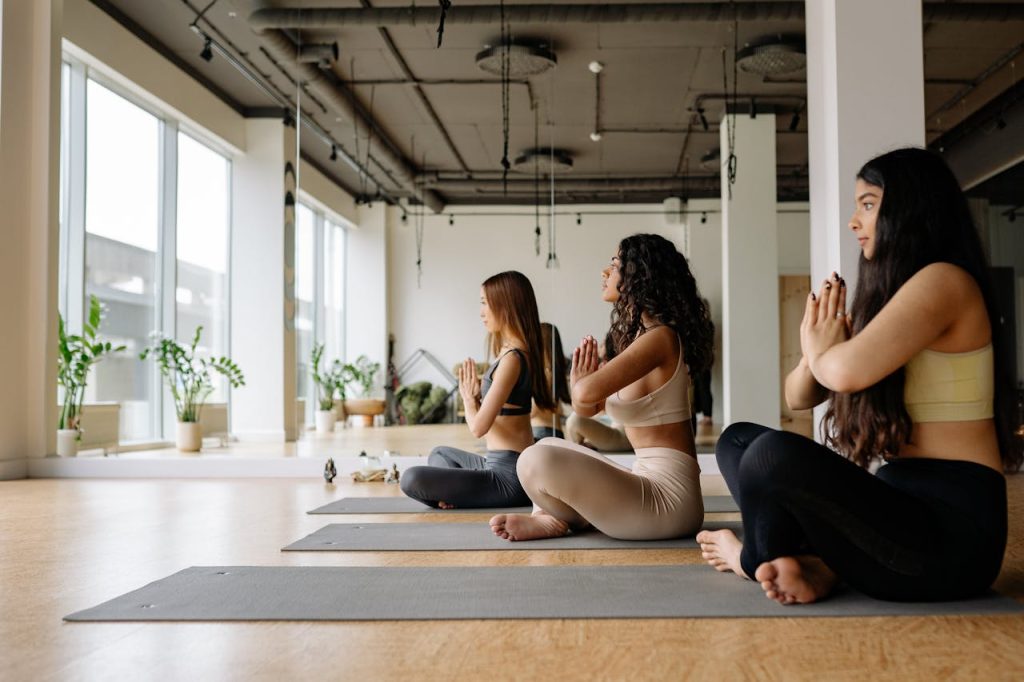
Thankfulness Exercises for Families and Groups
Gratitude isn’t just beneficial individually; it also strengthens family bonds and community relationships:
- Family Gratitude Jar: Each member writes something they’re thankful for and adds it to a jar. Review weekly.
- Group Gratitude Circle: At the end of a meeting or gathering, have everyone share one thing they appreciate.
- Thank-You Chain: Encourage children or coworkers to write thank-you notes to each other, creating a positive chain reaction.
These activities make gratitude visible and foster an environment of positivity.
Common Mistakes to Avoid
While practising gratitude is simple, some mistakes can reduce its effectiveness:
- Being Vague: Generic gratitude lacks emotional impact.
- Practising Only in Tough Times: Gratitude is more effective when practised consistently, not just during challenges.
- Focusing on Material Things Only: Include experiences, relationships, personal growth, and emotions.
- Neglecting Action: Pairing gratitude with action (like thanking someone) amplifies the benefits.
Avoiding these pitfalls ensures your thankfulness exercise is meaningful and impactful.
Why You Should Start Today
Starting a thankfulness exercise is free, simple, and life-changing. Even dedicating just five minutes a day can:
- Boost your overall happiness
- Strengthen your relationships
- Enhance resilience during stressful times
- Foster a sense of fulfilment and purpose
Remember, gratitude is not about ignoring challenges—it’s about cultivating balance by acknowledging what is positive amidst life’s ups and downs.
Final Thought
A thankfulness exercise is more than a simple habit—it’s a mindset shift that can transform your mental, emotional, and social well-being. By integrating journaling, mindful reflection, verbal expressions, or meditation into your daily routine, you create a powerful tool for happiness and personal growth.
Start small, stay consistent, and watch how your perspective—and your life—changes.
At Mindfulness Meditation Hub, we provide guided techniques and exercises to help you integrate gratitude into your everyday life. Begin your journey today and discover the profound benefits of a thankfulness exercise.
FAQs for Thankfulness Exercise
What is a thankfulness exercise?
A thankfulness exercise is a deliberate practice of reflecting on and acknowledging things you are grateful for, which helps boost happiness and emotional well-being.
How often should I do a thankfulness exercise?
For best results, practice daily, even for 5–10 minutes, to build consistency and reinforce a positive mindset.
Can children practice thankfulness exercises?
Yes! Children benefit greatly from gratitude practices, which can improve empathy, emotional awareness, and social skills.
What are some simple thankfulness exercises for beginners?
Simple exercises include keeping a gratitude journal, expressing thanks verbally, or doing a gratitude meditation for a few minutes each day.
How does a thankfulness exercise improve mental health?
Gratitude practices reduce stress, increase positive emotions, enhance resilience, and promote better sleep and emotional regulation.
Can thankfulness exercises improve relationships?
Yes. Expressing gratitude strengthens bonds, encourages kindness, and fosters trust and appreciation in personal and professional relationships.
How long does it take to see benefits from a thankfulness exercise?
Many people notice mood improvements and reduced stress within a few days, but consistent practice over weeks produces long-term benefits.
What is the difference between a thankfulness exercise and journaling?
Journaling is one form of thankfulness exercise, but gratitude practices can also include meditation, verbal appreciation, or mindful reflection.
Can I do a thankfulness exercise at work?
Absolutely. You can take a few moments to reflect on achievements, positive interactions, or coworkers’ support, boosting focus and morale.
Is thankfulness exercise only about big achievements?
No. Effective gratitude practices focus on both small daily moments and major life events to cultivate mindfulness and appreciation.
Can thankfulness exercises help with anxiety?
Yes. Focusing on positive experiences and appreciation shifts attention away from worry, lowering anxiety and stress levels.
Should I combine a thankfulness exercise with meditation?
Combining the two can be very effective, as mindfulness meditation helps you fully experience and internalize feelings of gratitude.
Can I practice gratitude if I’m going through difficult times?
Yes. Gratitude is most powerful during challenges, as it helps build resilience and balance negative emotions with positive awareness.
How do I make a thankfulness exercise a daily habit?
Set a specific time each day, use prompts or journals, and start small to gradually integrate gratitude into your daily routine.
Are there group thankfulness exercises?
Yes. Activities like gratitude circles, family gratitude jars, or team appreciation sessions can help groups cultivate collective positivity.
Related Topics
- Articles on Mindfulness: Power of Meditation for Daily Life
- What Does Mindfulness Mean? Understanding Its Benefits
- What Is Being Mindfulness? A Complete Guide to Mindful Living
- Walking Mindfulness Meditation: A Simple Path to Inner Peace
- Mindfulness Body Scan Meditation: A Complete Guide
- Workplace Mindfulness: Improve Focus & Productivity
- Meditation Methods for Beginners | Start Your Mindfulness Journey
- What Does Being Mindful Mean? A Complete Guide to Mindfulness
- Definition of Mindfulness? Meaning, Benefits & Practice
- Mindfulness for the Workplace: Boost Productivity & Well-being
- Breath Meditation: A Complete Guide to Mindfulness & Relaxation
- Mastering the Art of Having Patience: A Mindfulness Approach
- Mindfulness Meditation for Anxiety: Calm Your Mind
- Self Meditating: A Complete Guide to Practicing Mindfulness
- Mindfulness for Grief: Find Peace Through Mindful Awareness
- Meditation and Sounds: Boost Mindfulness & Relaxation
- Emotion Mindfulness: Techniques to Manage Your Feelings
- Daily Mindfulness: How to Transform Your Life