
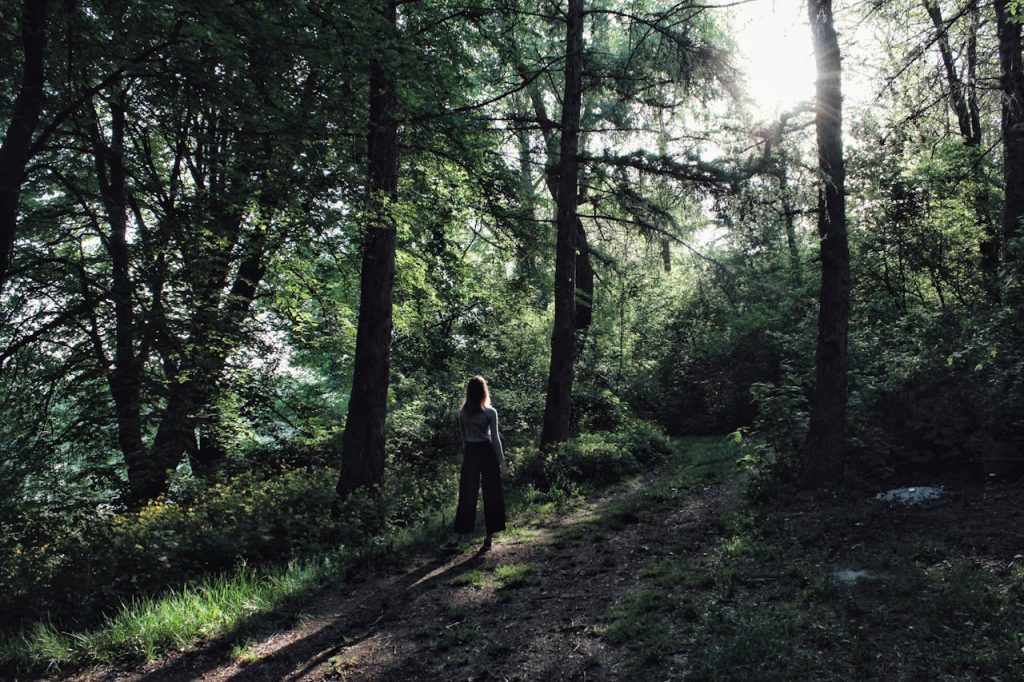
Discover how walking mindfulness meditation can reduce stress, improve focus, and deepen inner awareness. Learn the benefits, steps, tips, and why our guided walking mindfulness meditation sessions help transform your mental and emotional well-being.
Overview
In this in-depth guide, you’ll learn everything you need to know about walking mindfulness meditation—a powerful yet simple practice that blends movement with awareness. Readers will discover:
- What walking mindfulness meditation is
- How it benefits mental, emotional, and physical well-being
- Step-by-step instructions for beginners
- How to combine breath, body, and attention while walking
- Common mistakes and how to avoid them
- Why guided sessions can accelerate your progress
- How our organization supports your mindfulness journey with professional, accessible sessions
By the end of this article, you’ll know exactly how to start practicing walking mindfulness meditation in your daily routine—and how it can transform your life.
Walking Mindfulness Meditation: A Simple Path to Inner Peace and Everyday Awareness
Mindfulness doesn’t have to take place on a cushion, in silence, or inside a meditation room. One of the most accessible and grounding practices today is walking mindfulness meditation—a technique that helps you tune into your breath, body, senses, and environment while in motion.
Whether you’re walking in a park, your home, your office hallway, or a neighborhood street, this practice brings intention and awareness to every step. Because it is easy, natural, and adaptable, many people find walking mindfulness meditation more enjoyable and sustainable than seated meditation.
At our organization, we proudly offer guided walking mindfulness meditation sessions designed to help you reconnect with the present moment, reduce stress, and support mental clarity—no prior experience required.
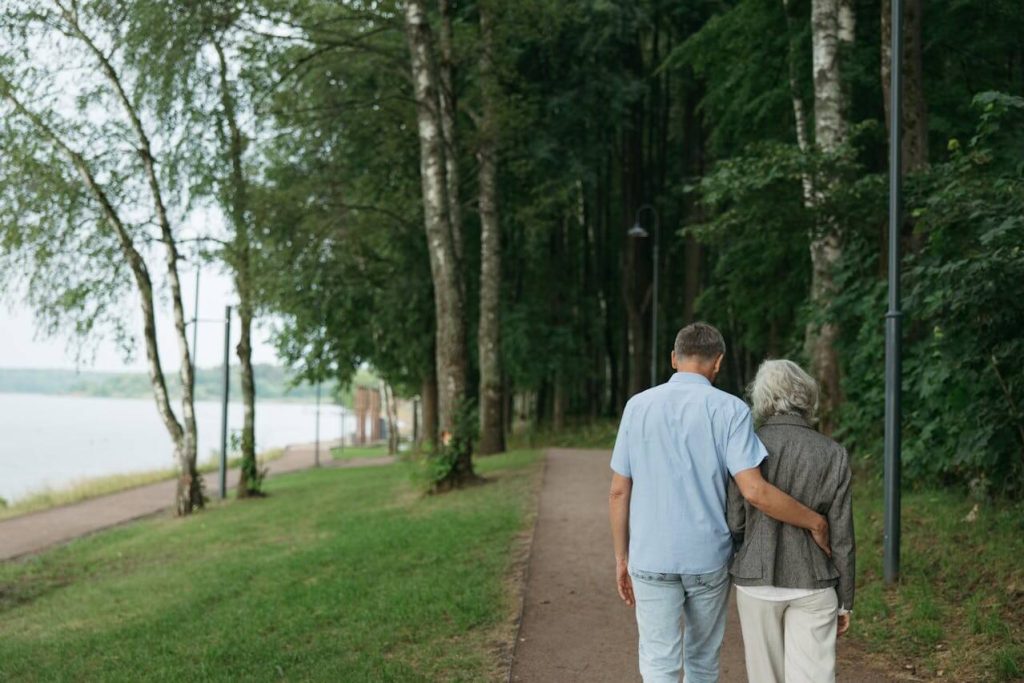
What Is Walking Mindfulness Meditation?
Walking mindfulness meditation is the practice of walking with deliberate awareness—paying close attention to your breathing, body movements, sensations, and surroundings. Unlike ordinary walking, where the mind often wanders or jumps from thought to thought, this practice invites you to stay grounded in the present.
Instead of rushing or moving automatically, each step becomes a meditation.
It bridges the gap between stillness and movement, allowing even busy individuals to practice mindfulness without carving out long periods of silence or solitude.
Why Walking Mindfulness Meditation Matters
In the fast-paced world we live in, stress, distraction, and emotional overwhelm can easily take over. Walking meditation provides a healthy, simple, and effective way to reset your mind and reconnect with your body.
Key Benefits of Walking Mindfulness Meditation
By focusing on your steps and breath, walking mindfulness meditation helps calm the nervous system. Research shows that mindful movement reduces cortisol levels and improves emotional balance.
2. Improves Focus and Mental Clarity
While walking, you train the mind to return to the present moment. This strengthens your ability to concentrate during work, study, or daily tasks.
When done regularly, this practice supports cardiovascular health, enhances mobility, and improves posture—all while giving your mind a chance to unwind.
4. Enhances Emotional Awareness
Walking with mindfulness makes it easier to observe emotions without reacting impulsively. You learn to respond thoughtfully rather than react quickly.
5. Makes Mindfulness Accessible
Not everyone enjoys sitting still. Walking mindfulness meditation gives you a practical alternative you can practice anywhere—even for just five minutes.
How Walking Mindfulness Meditation Works
Walking becomes a meditation when you:
- Slow down
- Notice each step
- Coordinate breath with movement
- Tune into sensations
- Acknowledge thoughts without judgment
- Refocus your attention gently.
The goal is not perfection—it’s presence. You don’t have to walk slowly or dramatically change your natural pace; the key is awareness.
How to Practice Walking Mindfulness Meditation (Step-by-Step)
1. Choose Your Path
Find a comfortable walkway—indoors or outdoors. It can be:
- A garden
- A nature trail
- A quiet sidewalk
- Your living room
- A hallway
The location doesn’t matter. Consistent awareness does.
2. Begin Standing Still
Before taking your first step:
- Feel your feet on the ground
- Take a deep breath.
- Allow your shoulders to relax.
- Set an intention (e.g., “I am here,” “I am walking with awareness”).
3. Start Walking Slowly
Move at a natural pace or slightly slower. Pay attention to:
- Heel touching the ground
- Weight shifting
- Toes lifting
- Muscles engaging
4. Sync Your Breath and Steps
You may choose:
- One step per inhale
- One step per exhale
- Or simply breathe naturally
Don’t force anything. Let breath guide your rhythm.
5. Observe Your Surroundings
Notice:
- Sounds
- Colors
- Movement
- Light
- Temperature
- Scents
This keeps you grounded in the present moment.
6. Redirect Attention When the Mind Wanders
It will wander—this is normal. When it happens:
- Gently bring focus back to your steps.
- Avoid judgment or frustration
- Treat each new moment as a fresh start.
7. Close the Practice
End with a few moments of stillness. Take a deep breath and acknowledge the clarity or calm you feel.
Common Mistakes in Walking Mindfulness Meditation (and How to Avoid Them)
Mistake #1: Walking Too Fast
Fast walking engages autopilot mode. Slow down enough to notice sensations.
Mistake #2: Trying to “Clear the Mind”
Mindfulness isn’t about stopping thoughts—it’s about noticing them and returning to awareness.
Mistake #3: Being Overly Self-Critical
Treat the practice with kindness. Every step is a new opportunity.
Mistake #4: Ignoring the Environment
Walking meditation includes observing sounds and surroundings—not shutting them out.

Why Guided Walking Mindfulness Meditation Helps You Progress Faster
While you can practice alone, guided sessions make the experience deeper and more transformative. Our guided walking mindfulness meditation sessions provide:
- Professional guidance tailored to your pace
- A structure to help you stay focused
- Cues and prompts to enhance awareness
- Breathwork integration
- Supportive instructions for emotional grounding
- A safe environment for beginners
Practicing with a guide often produces faster and more meaningful results—especially for those new to mindfulness.
When Is the Best Time for Walking Mindfulness Meditation?
You can practice at any time, but these moments work especially well:
- Morning walks—set a calm tone for the day
- During work breaks—reset your focus
- After stressful moments—release tension
- Evening walks—help your mind unwind
- Before meditation—prepare your body and mind
Consistency is more important than timing. Even 5–10 minutes daily can make a difference.
How Often Should You Practice?
For beginners, aim for:
- 5–10 minutes daily, or
- 20–30 minutes a few times per week
The more consistently you practice, the stronger your mindfulness becomes.
Why Walking Mindfulness Meditation Is Perfect for Today’s World
In a society overloaded with screens, noise, and constant stimulation, walking mindfulness meditation offers a natural way to step out of mental chaos and into clarity.
It empowers you to:
- Find peace without needing silence
- Feel connected to your body
- Reduce stress while moving
- Experience presence in everyday activities
It’s meditation for real life.
Our Walking Mindfulness Meditation Services
We provide structured, supportive, and accessible sessions for individuals of all experience levels. Our sessions include:
- Guided walking practices
- Breathing techniques
- Body awareness cues
- Emotional grounding strategies
- Nature-based mindfulness
- Personalized guidance for beginners
Whether you’re seeking stress relief, emotional clarity, or deeper mindfulness, our service helps you build a sustainable practice.
Final Thoughts
Walking mindfulness meditation is a powerful yet simple practice that blends movement with awareness, helping you reduce stress, improve focus, and reconnect with the present moment. With just a few intentional steps, you can turn any path into a space for healing and reflection.
By practicing regularly—and with the help of our guided sessions—you can experience mental clarity, emotional balance, and a deeper sense of peace in your daily life.
If you’re ready to experience mindfulness in motion, our team is here to support your journey.
Related Topics
- Articles on Mindfulness: Power of Meditation for Daily Life
- What Does Mindfulness Mean? Understanding Its Benefits
- What Is Being Mindfulness? A Complete Guide to Mindful Living
- Walking Mindfulness Meditation: A Simple Path to Inner Peace
- Mindfulness Body Scan Meditation: A Complete Guide
- Workplace Mindfulness: Improve Focus & Productivity
- Meditation Methods for Beginners | Start Your Mindfulness Journey
- What Does Being Mindful Mean? A Complete Guide to Mindfulness
- Definition of Mindfulness? Meaning, Benefits & Practice
- Mindfulness for the Workplace: Boost Productivity & Well-being
- Breath Meditation: A Complete Guide to Mindfulness & Relaxation
- Mastering the Art of Having Patience: A Mindfulness Approach
- Mindfulness Meditation for Anxiety: Calm Your Mind
- Self Meditating: A Complete Guide to Practicing Mindfulness
- Mindfulness for Grief: Find Peace Through Mindful Awareness
- Meditation and Sounds: Boost Mindfulness & Relaxation
- Emotion Mindfulness: Techniques to Manage Your Feelings
- Daily Mindfulness: How to Transform Your Life