

Discover what the 5 basics of mindfulness practice are and how to apply them daily. Learn techniques to reduce stress, improve focus, and cultivate emotional balance through mindfulness.
Overview
In today’s fast-paced world, cultivating mindfulness is more important than ever. Many beginners ask, “What are the 5 basics of mindfulness practice?” This guide will answer that question while offering actionable tips to incorporate mindfulness into your daily life. By the end of this post, you will learn:
- The five essential principles of mindfulness practice
- How to implement them in everyday situations
- Practical exercises to strengthen your mindfulness skills
- The benefits of consistent mindfulness practice
Whether you are new to meditation or looking to refine your practice, understanding these basics will help you foster calm, focus, and emotional well-being.
What is Mindfulness?
Mindfulness is the art of paying attention—intentionally, in the present moment, and without judgment. It allows you to become fully aware of your thoughts, emotions, bodily sensations, and environment.
Unlike multitasking or mindless routines, mindfulness emphasizes being present, not dwelling on the past or worrying about the future. Practicing mindfulness has been shown to reduce stress, improve concentration, enhance emotional regulation, and boost overall well-being.
Before diving into the five basics, it’s crucial to understand that mindfulness is a skill that develops gradually with regular practice.

The 5 Basics of Mindfulness Practice
When people ask, “What are the 5 basics of mindfulness practice?” they refer to foundational principles that guide your approach to mindfulness. Let’s break them down in detail.
1. Awareness of Breath
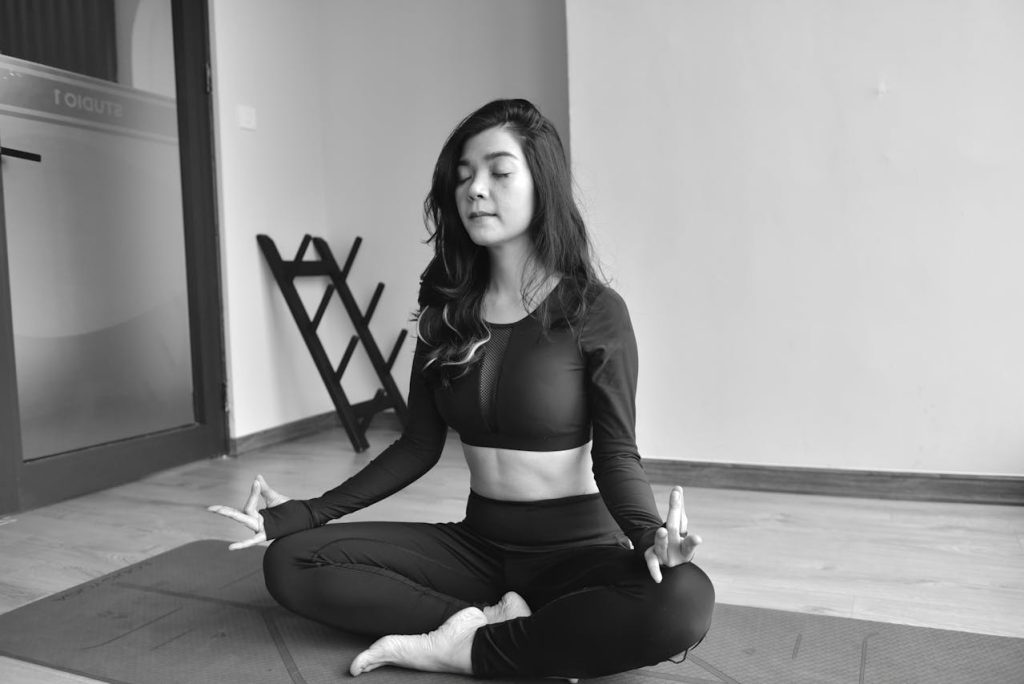
The first basic of mindfulness practice is cultivating awareness of your breath. Breath is a natural anchor that keeps you grounded in the present moment.
How to practice:
- Sit comfortably and close your eyes.
- Notice the natural rhythm of your breathing—inhale and exhale without changing it.
- Focus on the sensation of air entering and leaving your nostrils or the rise and fall of your chest and abdomen.
- If your mind wanders, gently bring your attention back to your breath.
Benefits:
- Reduces stress and anxiety
- Enhances concentration
- Provides a simple way to return to the present moment
2. Body Awareness
The second basic is awareness of your body. Mindfulness involves noticing bodily sensations without judgment, whether they are comfortable or uncomfortable.
How to practice:
- Perform a body scan: slowly bring attention from your toes to your head, noticing areas of tension, warmth, or relaxation.
- Observe sensations during daily activities like walking, eating, or stretching.
- Avoid labeling sensations as “good” or “bad”; just notice them.
Benefits:
- Helps release physical tension
- Increases self-awareness
- Encourages acceptance of the present experience
3. Awareness of Thoughts
The third basic focuses on observing your thoughts without getting caught up in them. Mindfulness teaches you that thoughts are temporary and do not define you.
How to practice:
- Sit quietly and notice your thoughts as they arise.
- Imagine your thoughts as clouds drifting across the sky or leaves floating down a stream.
- Avoid analyzing or judging your thoughts—just acknowledge them and let them pass.
Benefits:
4. Awareness of Emotions
The fourth basic involves recognizing your emotions without reacting impulsively. Mindfulness helps you observe feelings, whether they are positive or negative, and respond thoughtfully.
How to practice:
- Name your emotion when it arises: “I am feeling anxious” or “I am feeling happy.”
- Notice where you feel this emotion in your body.
- Take deep breaths and allow the emotion to exist without judgment.
Benefits:
5. Non-Judgmental Awareness
The fifth and final basic is practicing non-judgmental awareness. Mindfulness is not about forcing yourself to feel a certain way; it’s about accepting your experience as it is.
How to practice:
- Observe your thoughts, emotions, and sensations without labeling them as “right” or “wrong.”
- Avoid self-criticism if your mind wanders during meditation.
- Cultivate curiosity and openness to each moment.
Benefits:
- Fosters self-compassion
- Reduces negative self-talk
- Strengthens resilience
How to Integrate the 5 Basics of Mindfulness Into Daily Life
Knowing what the 5 basics of mindfulness practice are is only the first step. Applying them consistently is key. Here are some practical tips:
1. Start Small:
- Begin with 5–10 minutes of mindfulness meditation daily.
- Gradually increase your practice as you feel comfortable.
2. Use Mindful Cues:
- Choose daily activities like brushing teeth, drinking tea, or walking as opportunities to practice mindfulness.
- Focus entirely on the present moment during these activities.
3. Combine Breath, Body, and Mind Awareness:
- During daily meditation, incorporate awareness of breath, bodily sensations, and thoughts.
- This holistic approach strengthens all five basics simultaneously.
4. Keep a Mindfulness Journal:
- Note experiences, insights, or patterns in your thoughts and emotions.
- Reflecting helps you recognize growth and areas to improve.
5. Attend a Mindfulness Class or Retreat:
- If possible, consider guided sessions or retreats.
- Learning from experts can accelerate your understanding of mindfulness principles.
Benefits of Practicing the 5 Basics of Mindfulness
Regularly applying these five basics can lead to profound benefits:
- Stress Reduction: Lower cortisol levels and improved relaxation
- Better Focus: Enhanced attention and concentration
- Emotional Balance: Improved mood regulation and resilience
- Self-Awareness: Greater understanding of thoughts, emotions, and behaviors
- Improved Relationships: Being fully present improves communication and empathy.
Common Challenges and How to Overcome Them
1. Wandering Mind:
- It’s normal for thoughts to drift. Gently redirect attention to your breath or body.
2. Impatience:
- Mindfulness is a skill that develops over time. Start small and celebrate incremental progress.
3. Overthinking Practice:
- Focus on observing, not analyzing. Mindfulness is about experiencing the moment as it is.
Final Thoughts
Answering the question “What are the 5 basics of mindfulness practice?” provides a clear framework for anyone looking to start or deepen their meditation journey. By cultivating awareness of your breath, body, thoughts, and emotions—and practicing non-judgmental awareness—you can bring mindfulness into every area of your life.
Remember, mindfulness is not about perfection; it’s about consistent practice and gentle self-awareness. Start with small steps, integrate mindfulness into daily activities, and gradually experience the transformative benefits of living in the present moment.
FAQs for What Are the 5 Basics of Mindfulness Practice
What are the 5 basics of mindfulness practice?
The five basics are: awareness of breath, awareness of body, awareness of thoughts, awareness of emotions, and non-judgmental awareness. These form the foundation of effective mindfulness practice.
How do I practice mindfulness every day?
You can practice mindfulness daily by focusing on your breath, observing bodily sensations, noting thoughts and emotions, and maintaining a non-judgmental attitude throughout routine activities.
Can beginners learn the 5 basics of mindfulness practice easily?
Yes, beginners can start with small sessions, focusing on one basic at a time, and gradually integrating all five basics into daily meditation or mindful living practices.
How long should I meditate to practice the 5 basics of mindfulness?
Start with 5–10 minutes daily and gradually increase to 20–30 minutes. Consistency is more important than duration in building a mindfulness habit.
What are the benefits of the 5 basics of mindfulness practice?
Benefits include reduced stress, improved focus, emotional balance, increased self-awareness, and enhanced overall well-being.
How does breath awareness help in mindfulness practice?
Breath awareness anchors your mind to the present moment, reduces stress, and enhances concentration, making it one of the most fundamental mindfulness techniques.
What is body awareness in mindfulness practice?
Body awareness involves observing sensations in your body without judgment. It helps release tension, promotes relaxation, and increases self-awareness.
Why is observing thoughts important in mindfulness?
Observing thoughts allows you to notice mental patterns without getting caught up in them, reducing overthinking and improving mental clarity.
How can I practice non-judgmental awareness daily?
Practice non-judgmental awareness by observing your experiences, emotions, and thoughts without labeling them as good or bad, and by cultivating curiosity toward each moment.
Can mindfulness help reduce anxiety?
Yes, practicing the five basics of mindfulness has been shown to lower stress and anxiety levels by promoting calm, focused awareness and emotional regulation.
What is the difference between thoughts and emotions in mindfulness?
Thoughts are mental processes, while emotions are feelings in response to experiences. Mindfulness teaches you to observe both without reacting impulsively.
Is it necessary to meditate to practice mindfulness?
Meditation is helpful but not mandatory. Mindfulness can be practiced during everyday activities by staying present and aware of breath, body, thoughts, and emotions.
How do I stay consistent with the 5 basics of mindfulness practice?
Set aside regular time daily, use mindful cues during routine tasks, and start with short sessions. Journaling and guided meditation can also reinforce consistency.
Can children learn the 5 basics of mindfulness practice?
Yes, mindfulness can be adapted for children using simple breathing exercises, guided imagery, and body awareness techniques appropriate for their age.
How long does it take to see results from practicing the 5 basics of mindfulness?
Many people notice reduced stress and improved focus within a few weeks of consistent practice, while emotional balance and deeper self-awareness develop over months.
Related Topics
- Articles on Mindfulness: Power of Meditation for Daily Life
- What Does Mindfulness Mean? Understanding Its Benefits
- What Is Being Mindfulness? A Complete Guide to Mindful Living
- Walking Mindfulness Meditation: A Simple Path to Inner Peace
- Mindfulness Body Scan Meditation: A Complete Guide
- Workplace Mindfulness: Improve Focus & Productivity
- Meditation Methods for Beginners | Start Your Mindfulness Journey
- What Does Being Mindful Mean? A Complete Guide to Mindfulness
- Definition of Mindfulness? Meaning, Benefits & Practice
- Mindfulness for the Workplace: Boost Productivity & Well-being
- Breath Meditation: A Complete Guide to Mindfulness & Relaxation
- Mastering the Art of Having Patience: A Mindfulness Approach
- Mindfulness Meditation for Anxiety: Calm Your Mind
- Self Meditating: A Complete Guide to Practicing Mindfulness
- Mindfulness for Grief: Find Peace Through Mindful Awareness
- Meditation and Sounds: Boost Mindfulness & Relaxation
- Emotion Mindfulness: Techniques to Manage Your Feelings
- Daily Mindfulness: How to Transform Your Life