
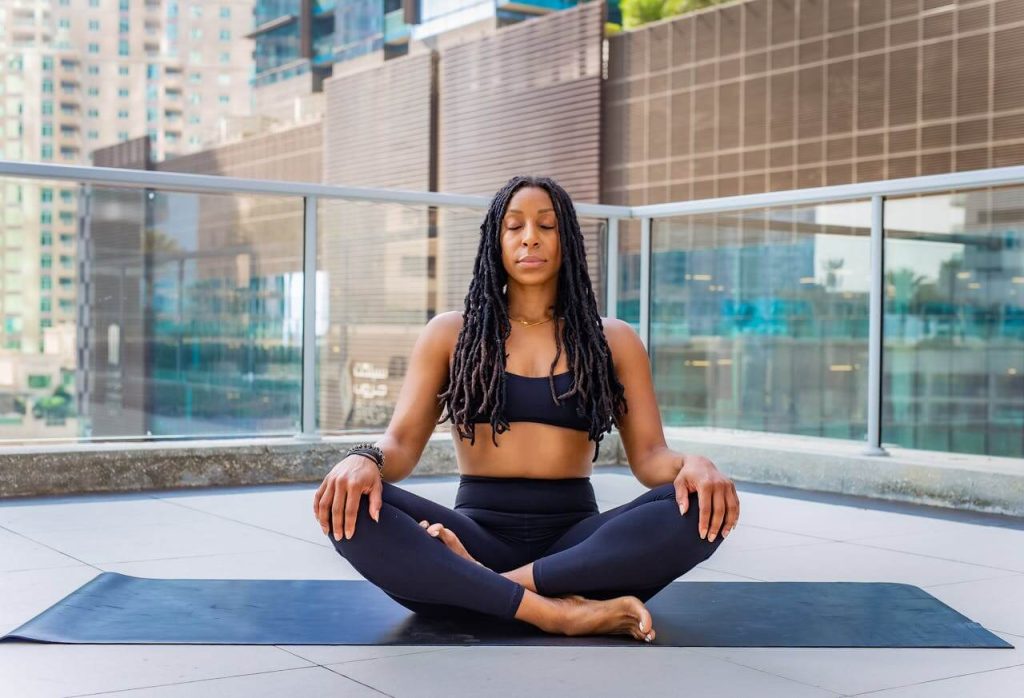
What does it mean to practice mindfulness? Learn the true meaning of mindfulness, its benefits, techniques, and how to practice mindfulness daily for a calmer, more focused life.
Overview
In today’s fast-paced, always-connected world, many people feel overwhelmed, distracted, and emotionally drained. That’s why mindfulness has become more than just a trend—it’s a life skill. But a common question still remains: what does it mean to practice mindfulness, really?
Mindfulness isn’t about emptying your mind, escaping reality, or becoming “perfectly calm.” It’s about learning how to be fully present with your thoughts, emotions, and experiences—without judgment. Practicing mindfulness helps you build awareness, emotional balance, and a deeper connection with everyday life.
In this in-depth guide, we’ll explore what it truly means to practice mindfulness, how it works, why it matters, and how you can start integrating it into your daily routine using proven, practical techniques.
What Does It Mean to Practice Mindfulness?
At its core, practicing mindfulness means intentionally paying attention to the present moment with openness, curiosity, and without judgment.
Instead of replaying the past or worrying about the future, mindfulness teaches you to notice what’s happening right now—your thoughts, emotions, physical sensations, and surroundings.
In simple terms, mindfulness means:
- Being aware of your thoughts without getting lost in them
- Observing emotions without suppressing or exaggerating them
- Experiencing life as it unfolds, moment by moment
- Responding thoughtfully rather than reacting automatically
When people ask, what does it mean to practice mindfulness, the answer is not about achieving a special state—it’s about developing a healthier relationship with your inner and outer experiences.
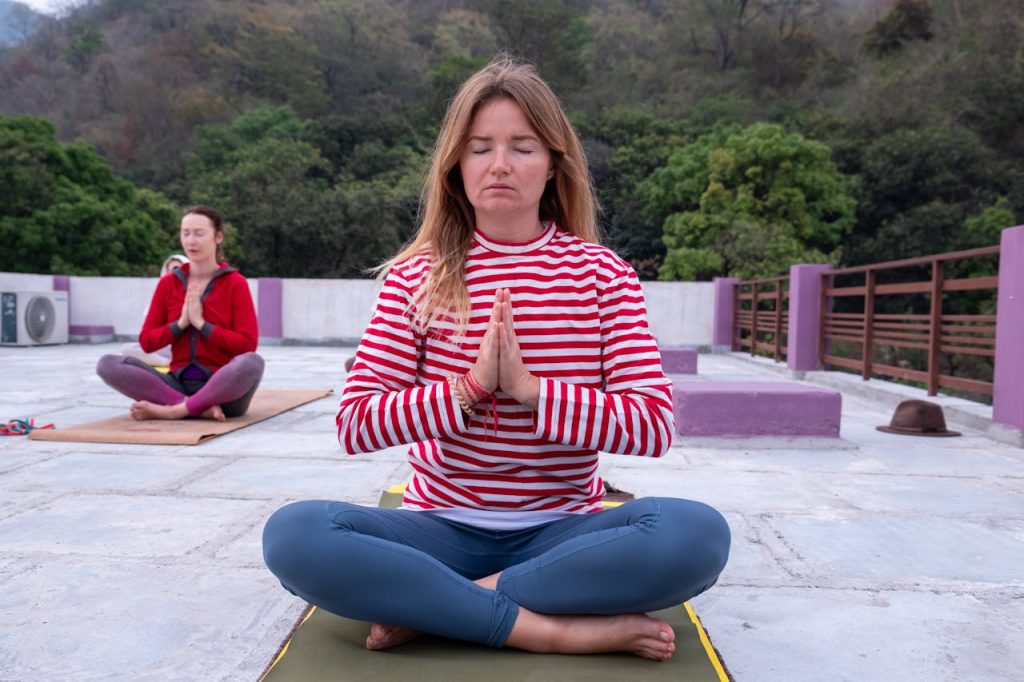
The Core Principles of Mindfulness Practice
To fully understand what it means to practice mindfulness, it helps to know the foundational principles that guide it.
1. Present-Moment Awareness
Mindfulness focuses your attention on the here and now—your breath, body, thoughts, or environment.
2. Non-Judgment
Instead of labeling experiences as “good” or “bad,” mindfulness encourages neutral observation.
3. Acceptance
You allow thoughts and emotions to exist without trying to change or resist them.
4. Intention
Mindfulness is a conscious choice to be aware, not something that happens automatically.
Together, these principles form the backbone of what it truly means to practice mindfulness in daily life.
Mindfulness vs. Meditation: What’s the Difference?
Many people confuse mindfulness with meditation. While related, they are not the same.
Mindfulness
- A way of being and living
- Can be practiced anytime, anywhere
- Applies to daily activities like eating, walking, or listening
Meditation
- A formal practice or technique
- Usually done in a set time and space
- Often used to train mindfulness
Meditation is one way to practice mindfulness, but mindfulness itself extends far beyond sitting quietly. Understanding this distinction helps clarify what it means to practice mindfulness as a lifestyle rather than just an exercise.
Why Practicing Mindfulness Matters
Mindfulness is not just philosophical—it’s practical and backed by research. Regular mindfulness practice has been shown to improve mental, emotional, and physical well-being.
Benefits of Practicing Mindfulness
- Reduced stress and anxiety
- Improved focus and concentration
- Better emotional regulation
- Enhanced self-awareness
- Improved sleep quality
- Greater resilience during challenging situations
By learning what it means to practice mindfulness, you give yourself tools to navigate life more skillfully instead of being overwhelmed by it.
How Practicing Mindfulness Changes the Brain
Scientific studies show that mindfulness practice can lead to measurable changes in the brain.
Mindfulness supports:
- Increased activity in areas linked to attention and emotional control
- Reduced reactivity in the stress response system
- Improved memory and cognitive flexibility
This explains why understanding what it means to practice mindfulness goes beyond theory—it directly influences how your brain processes stress, focus, and emotions.
Simple Mindfulness Practices for Beginners
If you’re new and wondering how to begin, mindfulness doesn’t require complicated techniques.
1. Mindful Breathing
- Focus on the natural rhythm of your breath
- Notice the inhale and exhale.
- Gently bring attention back when the mind wanders.
2. Body Scan Awareness
- Bring attention to different parts of your body
- Observe sensations without judgment
- Helps release tension and increase awareness
3. Mindful Observation
- Choose an object (a candle, plant, or sound).
- Observe it fully with curiosity
- Stay present without analysis.
These practices help you experience firsthand what it means to practice mindfulness.
How to Practice Mindfulness in Daily Life
Mindfulness isn’t limited to meditation sessions. In fact, its true power shows up in daily moments.
Everyday Mindfulness Examples
- Eating without distractions and noticing taste and texture
- Listening fully during conversations
- Walking while feeling each step
- Pausing before reacting emotionally
When you bring awareness to ordinary activities, you embody what it means to practice mindfulness as a way of living, not just a technique.
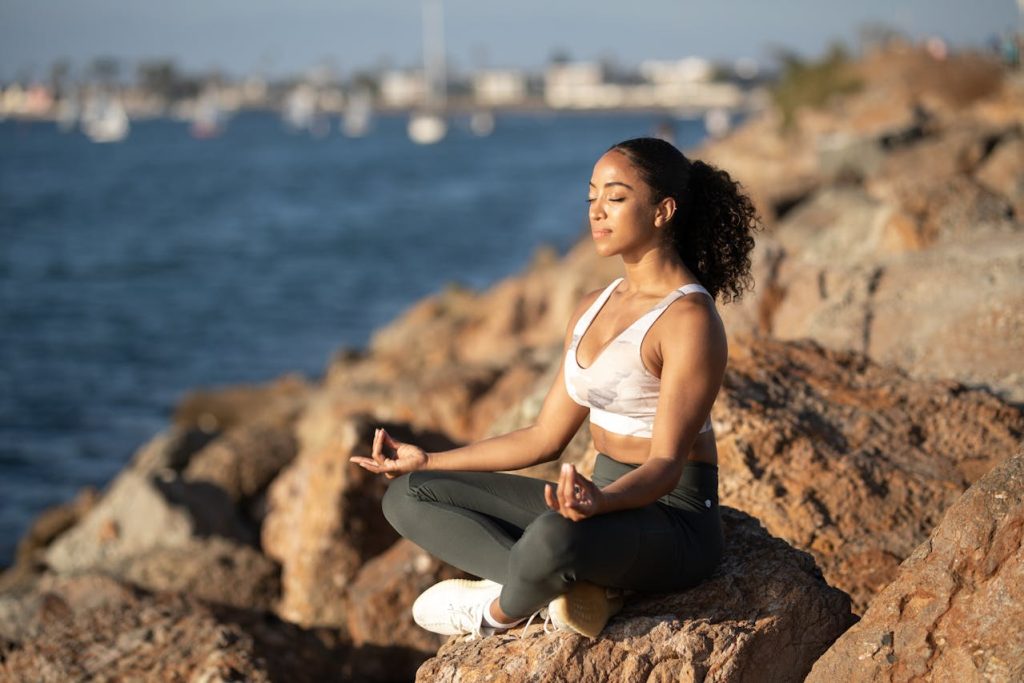
Common Myths About Mindfulness Practice
Understanding what mindfulness isn’t can be just as helpful.
Myth 1: “My mind has to be empty.”
Truth: Mindfulness notices thoughts—it doesn’t eliminate them.
Myth 2: “Mindfulness means being calm all the time.”
Truth: Mindfulness allows all emotions, not just calm ones.
Myth 3: “I don’t have time to practice.”
Truth: Even 1–5 minutes of mindful awareness makes a difference.
Clearing these misconceptions helps people better understand what it means to practice mindfulness realistically.
How Long Does It Take to See Results?
Mindfulness is a skill, and like any skill, it improves with consistency.
- Short-term benefits: calmness, awareness, mental clarity
- Long-term benefits: emotional balance, resilience, improved well-being
You don’t need perfection—just regular practice. Even small daily efforts reinforce what it means to practice mindfulness effectively.
Why Guided Mindfulness Practices Help
For beginners especially, guided mindfulness sessions can make practice easier and more consistent.
Guided practices help by:
- Providing structure and direction
- Reducing confusion or self-doubt
- Keeping attention focused
- Supporting habit formation
At Mindfulness Meditation Hub, we offer guided mindfulness practices designed for all levels—making it easier to understand and experience what it means to practice mindfulness in real life.
Final Thoughts: What Does It Mean to Practice Mindfulness?
So, what does it mean to practice mindfulness?
It means choosing awareness over autopilot.
It means meeting each moment with curiosity instead of judgment.
And It means responding to life with clarity rather than reacting from habit.
Mindfulness is not about changing who you are—it’s about becoming more aware of how you live, think, and feel. With regular practice, mindfulness becomes a powerful tool for inner balance, emotional resilience, and deeper presence.
If you’re ready to begin or deepen your mindfulness journey, consistent practice—supported by guided sessions and mindful awareness—can truly transform the way you experience life.
FAQs for What Does It Mean to Practice Mindfulness
What does it mean to practice mindfulness?
Practicing mindfulness means paying attention to the present moment with awareness and without judgment. It involves noticing your thoughts, emotions, body sensations, and surroundings as they are, rather than reacting automatically or getting lost in distractions.
Is mindfulness the same as meditation?
No, mindfulness and meditation are related but not the same. Meditation is a structured practice, while mindfulness is a state of awareness that can be practiced during everyday activities like eating, walking, or listening.
How do beginners start practicing mindfulness?
Beginners can start practicing mindfulness by focusing on their breath for a few minutes, observing thoughts without reacting, or bringing awareness to simple daily activities such as eating or walking.
How long should I practice mindfulness each day?
You can start with just 5–10 minutes a day. Consistency matters more than duration, and even short mindfulness practices can deliver noticeable benefits over time.
Can mindfulness help reduce stress and anxiety?
Yes, mindfulness helps reduce stress and anxiety by calming the nervous system, increasing emotional awareness, and helping you respond to challenges rather than reacting impulsively.
What are the benefits of practicing mindfulness regularly?
Regular mindfulness practice can improve focus, emotional balance, stress management, sleep quality, self-awareness, and overall mental well-being.
Do I need a quiet place to practice mindfulness?
While a quiet place can help, mindfulness can be practiced anywhere. You can practice mindfulness at work, at home, or even during busy moments by simply bringing awareness to your breath or body.
What if my mind keeps wandering during mindfulness practice?
A wandering mind is normal. Mindfulness practice involves gently noticing when your mind wanders and bringing your attention back without frustration or self-criticism.
Can mindfulness be practiced without meditation?
Yes, mindfulness can be practiced without formal meditation. Activities like mindful eating, mindful walking, or mindful listening are all effective ways to practice mindfulness in daily life.
How long does it take to see results from mindfulness?
Some people notice benefits within a few days, while deeper changes usually appear after a few weeks of consistent practice. Mindfulness works gradually and strengthens over time.
Is mindfulness supported by science?
Yes, scientific research shows that mindfulness can positively affect brain function, emotional regulation, stress reduction, and overall mental health.
Can mindfulness help with emotional regulation?
Mindfulness helps you recognize emotions without being overwhelmed by them, allowing you to respond thoughtfully instead of reacting impulsively.
Is guided mindfulness better for beginners?
Guided mindfulness practices are especially helpful for beginners because they provide structure, clear instructions, and support during the learning process.
Can mindfulness be practiced by anyone?
Yes, mindfulness is suitable for people of all ages and backgrounds. It does not require special beliefs, physical ability, or prior experience.
How does mindfulness improve daily life?
Mindfulness improves daily life by increasing awareness, enhancing focus, improving relationships, reducing stress, and helping you feel more present and balanced throughout the day.
Related Topics
- Articles on Mindfulness: Power of Meditation for Daily Life
- What Does Mindfulness Mean? Understanding Its Benefits
- What Is Being Mindfulness? A Complete Guide to Mindful Living
- Walking Mindfulness Meditation: A Simple Path to Inner Peace
- Mindfulness Body Scan Meditation: A Complete Guide
- Workplace Mindfulness: Improve Focus & Productivity
- Meditation Methods for Beginners | Start Your Mindfulness Journey
- What Does Being Mindful Mean? A Complete Guide to Mindfulness
- Definition of Mindfulness? Meaning, Benefits & Practice
- Mindfulness for the Workplace: Boost Productivity & Well-being
- Breath Meditation: A Complete Guide to Mindfulness & Relaxation
- Mastering the Art of Having Patience: A Mindfulness Approach
- Mindfulness Meditation for Anxiety: Calm Your Mind
- Self Meditating: A Complete Guide to Practicing Mindfulness
- Mindfulness for Grief: Find Peace Through Mindful Awareness
- Meditation and Sounds: Boost Mindfulness & Relaxation
- Emotion Mindfulness: Techniques to Manage Your Feelings
- Daily Mindfulness: How to Transform Your Life