
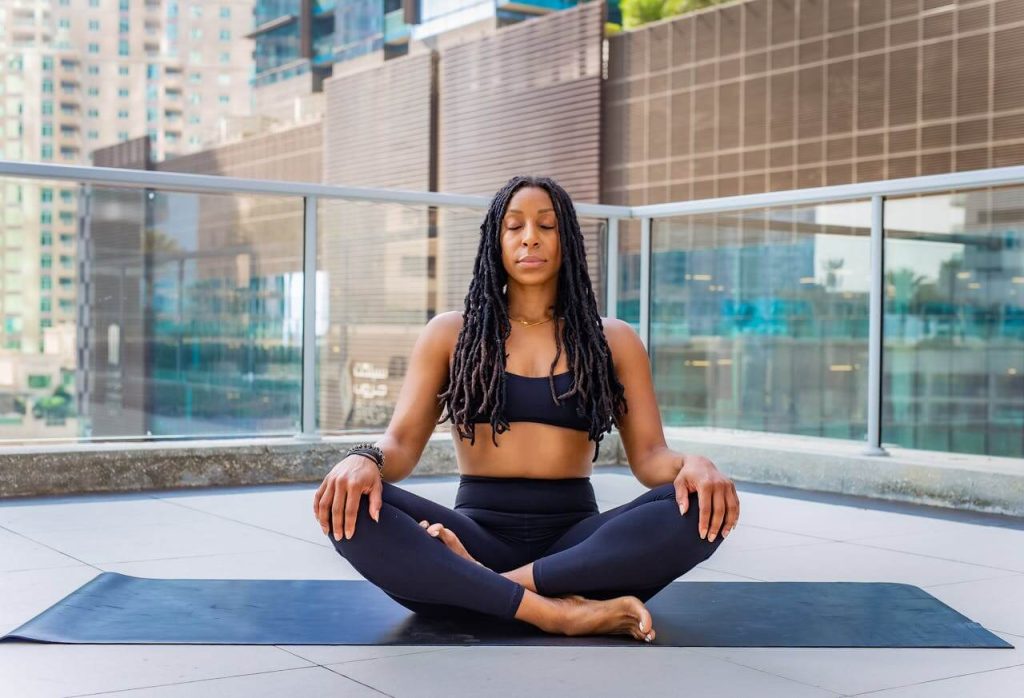
Discover the true meaning of mindfulness. Learn the mindfulness definition, how it works, real-life benefits, and simple daily practices. Start your mindfulness journey today with our guided tools and services.
Overview
In this comprehensive guide, readers will learn:
- The clear and accurate mindfulness definition
- How mindfulness works in the mind and body
- Why mindfulness is important for emotional well-being
- How mindfulness reduces stress, anxiety, and overwhelm
- Simple steps to practice mindfulness every day
- Common mistakes people make and how to avoid them
- How our mindfulness services can support your journey
This post is designed to fully answer what mindfulness is, explain the mindfulness definition, and offer practical tools so beginners and experienced practitioners can deepen their practice.
What Is Mindfulness? Definition, Meaning & How You Can Practice It Every Day
Understanding what the mindfulness definition is essential in today’s fast-paced world, where stress, distraction, and emotional burnout are more common than ever. Whether you’re new to mindfulness or seeking to strengthen your practice, this guide will help you understand the foundations and give you tools to begin your journey.

What Is Mindfulness? Definition Explained Clearly
The simplest mindfulness definition is this:
Mindfulness is the practice of paying full, nonjudgmental attention to the present moment.
It involves being aware of your thoughts, emotions, physical sensations, and environment exactly as they are, without trying to change or fight them.
A More Complete Mindfulness Definition
Mindfulness can also be defined as
- A mental state of conscious awareness
- A skill that helps you stay grounded in the now
- A therapeutic technique used to reduce stress
- A lifestyle approach centered on presence and clarity
- A tool for emotional and mental well-being
When someone asks, “What is the mindfulness definition?”, it goes beyond a dictionary meaning—it is both a practice and a way of living.
Why Understanding the Mindfulness Definition Matters
Knowing the mindfulness definition is not just helpful—it’s transformational. Many people misunderstand mindfulness as “thinking about nothing” or “being calm all the time.” In reality, mindfulness is about:
- Observing what you feel
- Allowing your emotions to exist
- Staying present instead of being pulled into the past or future
- Responding instead of reacting impulsively
Mindfulness empowers you to create space between stimulus and response, which is where personal growth truly happens.
The Science Behind Mindfulness
Modern neuroscience has confirmed that mindfulness is not just a spiritual practice—it has measurable, scientific benefits. Studies show that consistent mindfulness practice:
- Lowers cortisol (stress hormone)
- Strengthens the prefrontal cortex (decision-making)
- Increases gray matter in areas related to empathy and memory
- Reduces overactivity in the amygdala (fear center)
- Improves emotional resilience
Because of this, many therapists, wellness practitioners, and physicians now recommend integrating mindfulness into daily routines.
The Benefits of Practicing Mindfulness Daily
Understanding the mindfulness definition is only the beginning—its benefits are what make it life-changing.
Emotional Benefits
- Reduced anxiety and stress
- Better ability to regulate emotions
- Increased self-awareness
- Enhanced patience and compassion
- Improved mood and emotional balance
Mental Benefits
- Improved focus and concentration
- Sharper mental clarity
- Better memory retention
- Reduced overthinking and mental fatigue
Physical Benefits
Spiritual & Lifestyle Benefits
- Greater sense of inner peace
- Better connection with yourself and others
- More meaningful, intentional living
These benefits support why people ask, “What is the mindfulness definition?” —because understanding it leads to powerful transformation.
How to Practice Mindfulness: A Simple Step-By-Step Guide
Now that we’ve defined what mindfulness is, here’s how you can begin practicing it:
1. Start With Your Breath
Breathing is the foundation of mindfulness practice.
Try This Simple Exercise:
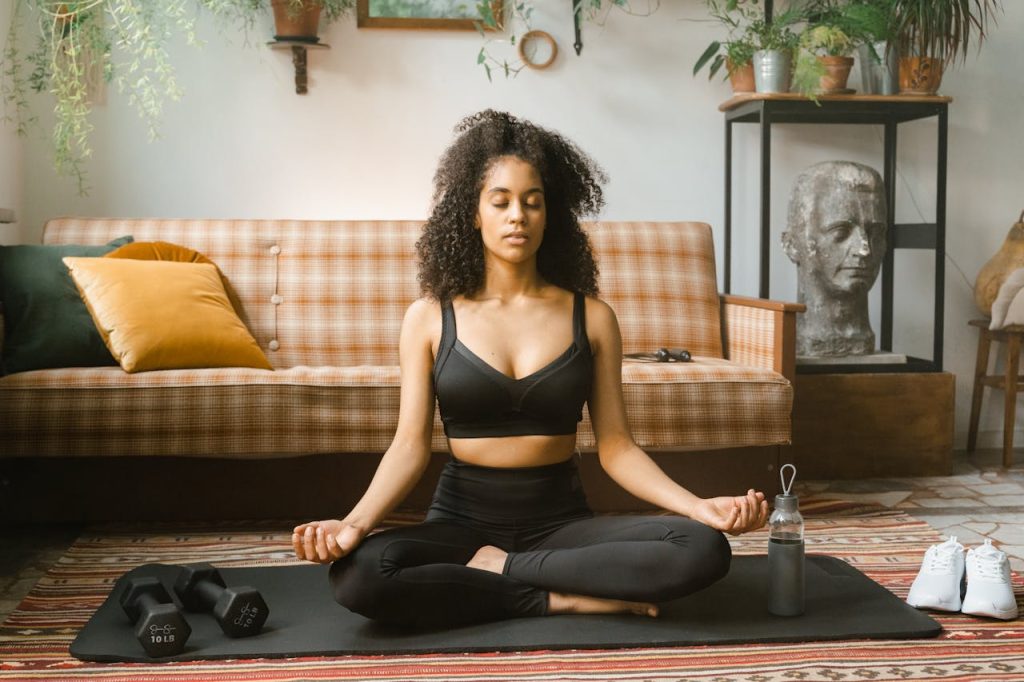
- Sit comfortably
- Breathe in slowly through your nose.
- Exhale gently through your mouth.
- Focus on the feeling of your breath
- Repeat for 2–5 minutes
This practice brings your awareness back to the present moment.
2. Observe Your Thoughts Without Judgment
Mindfulness is not about emptying your mind.
It’s about observing your thoughts like clouds passing in the sky.
- Don’t cling to them.
- Don’t push them away.
- Just notice them
This teaches emotional detachment and clarity.
3. Use Mindfulness in Daily Activities
Mindfulness can be practiced anytime, not just during meditation.
Examples:
- Mindful walking
- Mindful eating
- Mindful listening
- Mindful working
- Mindful conversations
These practices help ground your mind during everyday life.
4. Return to the Present Moment Throughout the Day
Whenever you feel stressed or distracted, gently ask:
“Where is my attention right now?”
Then breathe and bring yourself back to the now.
5. Try Guided Mindfulness Sessions
For beginners, guided sessions are extremely helpful.
Our platform offers structured, calming, and effective mindfulness sessions for:
- Stress relief
- Better sleep
- Anxiety reduction
- Emotional balance
- Deep relaxation
This helps users apply the mindfulness definition in real life.
Common Misconceptions About Mindfulness
Because many people misinterpret what the definition of mindfulness is, let’s clear up common myths.
Myth 1: You must stop thinking completely.
No—mindfulness is observing thoughts, not eliminating them.
Myth 2: You must sit perfectly still.
Walking and movement can be mindful too.
Myth 3: Mindfulness is only for spiritual people.
Mindfulness is widely used in psychology, healthcare, and corporate wellness.
Myth 4: Mindfulness takes years to master.
Even 5 minutes a day can make a difference.
How Mindfulness Improves Stress and Anxiety
Stress comes from being caught in the past or future.
Mindfulness brings you back to now—the only moment you can control.
By understanding the mindfulness definition, you learn to:
- Pause before reacting
- Calm your nervous system
- Reduce emotional overwhelm
- Create mental space
- Shift from chaos to clarity
When practiced consistently, mindfulness becomes a natural part of your emotional and mental hygiene.
Why Mindfulness Is Becoming a Global Wellness Practice
Mindfulness is growing rapidly worldwide because it offers:
- Low-cost mental health support
- High effectiveness
- Easy integration into daily life
- A non-judgmental approach to healing
Workplaces, schools, and wellness programs now use mindfulness to improve community well-being.
How We Can Support Your Mindfulness Journey
As part of our service offerings, we provide:
- Guided mindfulness practices
- Meditation sessions
- Breathwork exercises
- Personalized mindfulness coaching
- Tools for stress relief and emotional healing
Our mission is to help you move from overwhelm to inner peace using proven mindfulness techniques.
If you’re ready to experience the true meaning behind “what is the mindfulness definition,” our guided programs are the perfect place to start.
Final Thoughts
The question “What is the definition of mindfulness?” opens the door to understanding a life-changing practice. Mindfulness is more than a term—it is a powerful approach to emotional stability, mental clarity, and a more peaceful lifestyle.
Through awareness, presence, and non-judgment, mindfulness teaches us to live fully and intentionally. Whether you are a beginner or returning to your practice, mindfulness can transform your daily life—one breath at a time.
FAQs for What Is Mindfulness Definition
What is mindfulness in simple terms?
Mindfulness is the practice of being fully present in the moment without judgment, observing your thoughts, emotions, and surroundings with awareness.
How do I start practicing mindfulness?
Start with 5–10 minutes of mindful breathing or guided meditation each day, focusing on the present moment and observing thoughts without judgment.
Can mindfulness reduce stress?
Yes, mindfulness helps reduce stress by calming the nervous system and improving your ability to respond thoughtfully rather than react impulsively.
Is mindfulness the same as meditation?
Not exactly. Meditation is a practice that often incorporates mindfulness, but mindfulness can be applied throughout daily life beyond formal meditation sessions.
How long does it take to see results from mindfulness?
Many people notice reduced stress and improved focus within a few days to weeks, but consistent daily practice yields the best long-term benefits.
Can children practice mindfulness?
Absolutely! Mindfulness can be adapted for children through simple breathing exercises, guided stories, or mindful play.
What are the physical benefits of mindfulness?
Mindfulness can lower blood pressure, improve sleep, reduce tension, boost energy levels, and support overall physical health.
Can mindfulness improve mental clarity?
Yes, regular mindfulness practice strengthens focus, memory, and decision-making skills, enhancing mental clarity and productivity.
How is mindfulness different from relaxation?
Relaxation focuses on calming the body, while mindfulness focuses on awareness and presence, which may naturally lead to relaxation.
Can mindfulness help with anxiety and depression?
Yes, mindfulness helps regulate emotions, reduce overthinking, and create mental space, which can alleviate symptoms of anxiety and depression.
What are common mistakes in mindfulness practice?
Common mistakes include trying to “empty the mind,” expecting immediate results, being self-critical, or practicing inconsistently.
How often should I practice mindfulness?
Even 5–10 minutes daily is effective, but longer or more frequent sessions can deepen benefits over time.
Can I practice mindfulness while working?
Yes, mindfulness can be applied while working by taking mindful breaks, focusing on tasks fully, and pausing before reacting to stress.
Are there guided mindfulness resources available?
Yes, many online platforms, apps, and meditation centers offer guided mindfulness sessions suitable for beginners and advanced practitioners.
What is the ultimate goal of mindfulness?
The ultimate goal of mindfulness is to live with awareness, emotional balance, and clarity, responding to life thoughtfully rather than reacting automatically.
Related Topics
- Articles on Mindfulness: Power of Meditation for Daily Life
- What Does Mindfulness Mean? Understanding Its Benefits
- What Is Being Mindfulness? A Complete Guide to Mindful Living
- Walking Mindfulness Meditation: A Simple Path to Inner Peace
- Mindfulness Body Scan Meditation: A Complete Guide
- Workplace Mindfulness: Improve Focus & Productivity
- Meditation Methods for Beginners | Start Your Mindfulness Journey
- What Does Being Mindful Mean? A Complete Guide to Mindfulness
- Definition of Mindfulness? Meaning, Benefits & Practice
- Mindfulness for the Workplace: Boost Productivity & Well-being
- Breath Meditation: A Complete Guide to Mindfulness & Relaxation
- Mastering the Art of Having Patience: A Mindfulness Approach
- Mindfulness Meditation for Anxiety: Calm Your Mind
- Self Meditating: A Complete Guide to Practicing Mindfulness
- Mindfulness for Grief: Find Peace Through Mindful Awareness
- Meditation and Sounds: Boost Mindfulness & Relaxation
- Emotion Mindfulness: Techniques to Manage Your Feelings
- Daily Mindfulness: How to Transform Your Life