
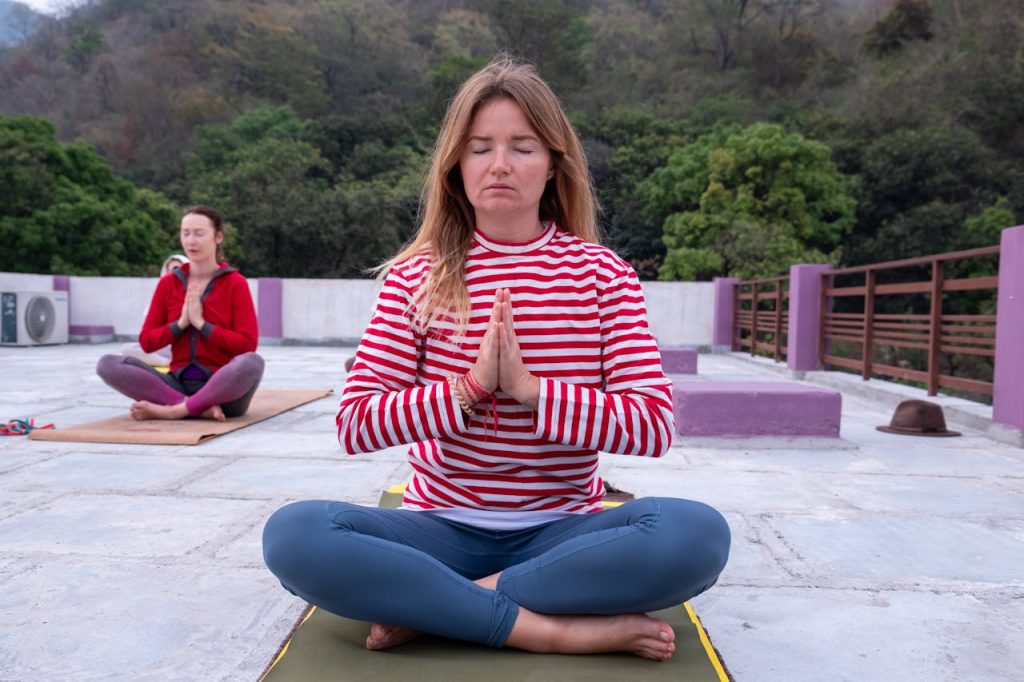
What does “mindfulness” mean, and why does it matter? Discover the true meaning of mindfulness, its benefits, and how to practice it daily with expert guidance from Mindfulness Meditation Hub.
Overview
If you’ve ever paused and asked yourself, “What does mindfulness mean?” you’re not alone. The word “mindfulness” is everywhere—on social media, in wellness blogs, in therapy sessions, and even in corporate boardrooms. But what does it really mean? And more importantly, how can it transform your daily life?
At Mindfulness Meditation Hub, we specialize in helping individuals understand and practice mindfulness in a way that is practical, approachable, and deeply transformative. In this guide, we’ll break down the meaning of mindfulness, explore its benefits, and show you how to begin your own practice.
What Does Mindfulness Mean?
So, what does mindfulness mean exactly?
Mindfulness means paying attention to the present moment on purpose, without judgment. It is the practice of being fully aware of your thoughts, emotions, bodily sensations, and surroundings in real time.
Instead of dwelling on the past or worrying about the future, mindfulness anchors you in the here and now.
In simple terms:
- It’s noticing your thoughts without getting carried away by them.
- It’s observing your emotions without reacting automatically.
- It’s experiencing life as it unfolds, moment by moment.
When people ask, “What does mindfulness mean in everyday life? ” The answer is this: it means living consciously rather than on autopilot.
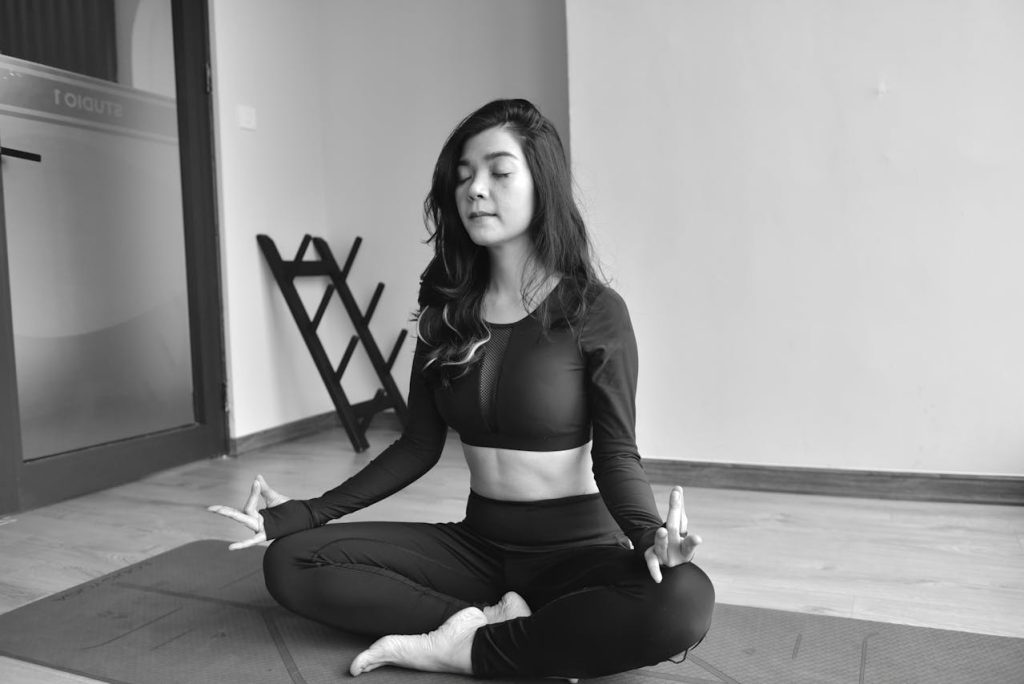
The Core Elements of Mindfulness
To truly understand what mindfulness means, you need to understand its core components.
1. Present-Moment Awareness
Mindfulness is about focusing on what is happening right now. That could be:
- The sensation of your breath
- The taste of your food
- The feeling of your feet on the ground
- The sound of traffic outside
You are not replaying yesterday’s mistakes or planning tomorrow’s meeting. You are here.
2. Non-Judgment
Mindfulness does not mean “thinking positive.” It means observing without labeling experiences as good or bad.
For example:
- Instead of “I’m terrible at this,” you notice, “I’m feeling frustrated.”
- Instead of “This anxiety is awful,” you recognize, “Anxiety is present.”
That shift changes everything.
3. Acceptance
Acceptance doesn’t mean you like everything. It means you acknowledge reality as it is before deciding how to respond.
When people search online asking what mindfulness means, they often discover that acceptance is one of its most powerful aspects.
The Origins of Mindfulness
Mindfulness has roots in ancient contemplative traditions, particularly Buddhist meditation practices. However, modern mindfulness has been adapted into secular programs for stress reduction, mental health, and personal growth.
In the late 20th century, mindfulness entered mainstream psychology and healthcare. Today, it is widely used in therapy, coaching, education, and workplace training.
At Mindfulness Meditation Hub, we present mindfulness in a practical, accessible way that fits into modern American lifestyles—no religious background required.
Why Understanding “What Does Mindfulness Mean” Matters
Many people use the term loosely. But understanding what mindfulness means at a deeper level can transform how you approach stress, relationships, and even your own thoughts.
When you truly understand mindfulness:
- You stop fighting your inner experience.
- You gain emotional regulation.
- You reduce reactive behavior.
- You improve focus and productivity.
Mindfulness is not about escaping life. It’s about engaging with it more fully.
The Science-Backed Benefits of Mindfulness
Research continues to support mindfulness as a powerful mental health and wellness tool. When people understand what mindfulness means and practice it consistently, they often experience:
Reduced Stress
Mindfulness lowers cortisol levels and helps regulate the nervous system. Instead of reacting instantly to stress, you pause and respond thoughtfully.
Improved Focus and Concentration
Mindfulness trains your attention. Over time, this strengthens your ability to stay focused on tasks without constant distraction.
Better Emotional Regulation
When you observe your emotions without judgment, they lose some of their intensity. You gain control rather than being controlled.
Improved Sleep
Mindfulness reduces rumination and racing thoughts, two major contributors to insomnia.
Enhanced Relationships
When you are present in conversations, you listen more deeply and respond more compassionately.
Understanding what mindfulness means is the first step toward unlocking these benefits.
Common Misconceptions About Mindfulness
Let’s clear up a few myths.
Myth 1: Mindfulness Means Emptying Your Mind
False. Mindfulness is not about stopping thoughts. It’s about noticing them.
Myth 2: Mindfulness Is Only for “Spiritual” People
Not true. Mindfulness is used in schools, hospitals, corporate settings, and therapy offices across the United States.
Myth 3: You Need Hours to Practice
Even five minutes a day can make a difference.
When people ask what mindfulness means, they often assume it’s complicated. In reality, it’s simple—but not always easy.
How to Practice Mindfulness Daily
Now that you understand what mindfulness means, let’s look at how to apply it.
Step 1: Start with the Breath
- Sit comfortably.
- Close your eyes.
- Notice your breathing.
- When your mind wanders, gently return to the breath.
That’s it.
Step 2: Practice Mindful Observation
Pick an everyday activity:
- Drinking coffee
- Walking
- Washing dishes
Bring full attention to the experience.
Step 3: Notice Your Thoughts
Instead of identifying with thoughts (“I am anxious”), label them (“There is anxiety”).
This subtle shift creates space.
Step 4: Use Guided Meditations
If you’re new, guided sessions can help you stay focused and consistent. At Mindfulness Meditation Hub, we offer structured guidance to support beginners and experienced practitioners alike.
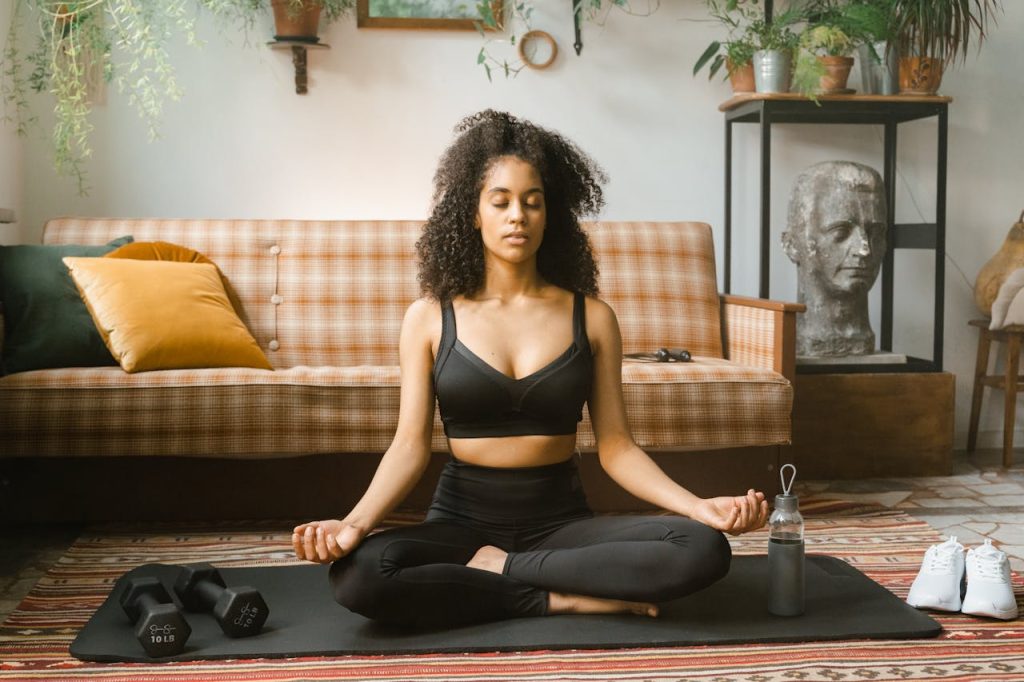
Bringing Mindfulness Into Everyday Life
Mindfulness is not just something you do on a meditation cushion. It’s a way of living.
Here are practical ways to integrate mindfulness daily:
- Pause before responding in conversations.
- Take three deep breaths before opening email.
- Notice physical sensations during stressful moments.
- Eat one meal per day without distractions.
- Put your phone away during meaningful conversations.
When people ask what mindfulness means in real life, this is the answer: it’s awareness woven into ordinary moments.
How Our Services Support Your Mindfulness Journey
At Mindfulness Meditation Hub, we don’t just explain what mindfulness means—we help you embody it.
Our services are designed to:
- Guide beginners through foundational practices.
- Offer structured meditation programs
- Provide stress-reduction techniques
- Help build consistent daily routines.
- Deepen awareness through advanced exercises.
Whether you’re struggling with overwhelm, lack of focus, or emotional stress, mindfulness training can make a measurable difference.
We meet you where you are and provide practical, easy-to-follow guidance tailored to modern life.
Signs You May Benefit from Mindfulness Practice
You might benefit from exploring mindfulness if you:
- Feel constantly distracted
- Struggle with stress or anxiety
- React emotionally and regret it later
- Have trouble sleeping
- Feel disconnected from the present moment
If you’ve been searching online asking what mindfulness means, that curiosity alone is a powerful first step.
Final Thoughts: What Does Mindfulness Mean for You?
So, what does mindfulness mean at its core?
It means choosing awareness over autopilot.
It means responding instead of reacting.
Ant it means being present for your own life.
Mindfulness is not about becoming someone different. It’s about fully experiencing who you already are, without judgment.
At Mindfulness Meditation Hub, we are committed to helping you understand and practice mindfulness in a way that feels natural, supportive, and sustainable. If you’re ready to experience less stress, more clarity, and deeper emotional balance, mindfulness may be exactly what you’ve been searching for.
FAQs for What Is Mindfulness Mean
What is mindfulness mean in simple words?
Mindfulness means paying attention to the present moment on purpose, without judging your thoughts, feelings, or surroundings.
What does mindfulness mean in everyday life?
In everyday life, mindfulness means being fully present during daily activities like eating, walking, working, or talking, instead of operating on autopilot.
Is mindfulness the same as meditation?
Mindfulness and meditation are closely related, but not identical. Meditation is a formal practice, while mindfulness can be practiced anytime throughout the day.
How do beginners start practicing mindfulness?
Beginners can start by focusing on their breath for 5 minutes a day, gently bringing attention back whenever the mind wanders.
What are the main benefits of mindfulness?
Mindfulness can reduce stress, improve focus, support emotional balance, enhance sleep quality, and strengthen relationships.
How often should I practice mindfulness?
Consistency matters more than duration. Practicing mindfulness daily—even for 5–10 minutes—can produce noticeable benefits over time.
Can mindfulness help with stress and anxiety?
Yes. Mindfulness helps regulate the nervous system and teaches you to observe anxious thoughts without becoming overwhelmed by them.
Do I need special training to practice mindfulness?
No special equipment or experience is required. However, guided support from professionals can help you deepen and maintain your practice.
What is the difference between awareness and mindfulness?
Awareness is simply noticing something. Mindfulness includes awareness combined with non-judgment and intentional focus on the present moment.
Can mindfulness improve concentration?
Yes. Regular mindfulness practice strengthens attention control, making it easier to focus on tasks without distraction.
Is mindfulness connected to religion?
While mindfulness has roots in ancient traditions, modern mindfulness practice is widely taught in secular settings and does not require religious beliefs.
How long does it take to see results from mindfulness?
Some people notice benefits within a few days, while deeper emotional and mental shifts often develop over several weeks of consistent practice.
Can mindfulness improve relationships?
Yes. Being present and emotionally aware helps you listen better, respond calmly, and communicate more effectively.
Is mindfulness suitable for children and teenagers?
Yes. Mindfulness techniques can be adapted for younger age groups and can help improve emotional regulation and focus.
Why is understanding what is mindfulness mean important before practicing?
Understanding what mindfulness means helps you approach the practice correctly, preventing frustration and ensuring you apply it effectively in daily life.
Related Topics
- Articles on Mindfulness: Power of Meditation for Daily Life
- What Does Mindfulness Mean? Understanding Its Benefits
- What Is Being Mindfulness? A Complete Guide to Mindful Living
- Walking Mindfulness Meditation: A Simple Path to Inner Peace
- Mindfulness Body Scan Meditation: A Complete Guide
- Workplace Mindfulness: Improve Focus & Productivity
- Meditation Methods for Beginners | Start Your Mindfulness Journey
- What Does Being Mindful Mean? A Complete Guide to Mindfulness
- Definition of Mindfulness? Meaning, Benefits & Practice
- Mindfulness for the Workplace: Boost Productivity & Well-being
- Breath Meditation: A Complete Guide to Mindfulness & Relaxation
- Mastering the Art of Having Patience: A Mindfulness Approach
- Mindfulness Meditation for Anxiety: Calm Your Mind
- Self Meditating: A Complete Guide to Practicing Mindfulness
- Mindfulness for Grief: Find Peace Through Mindful Awareness
- Meditation and Sounds: Boost Mindfulness & Relaxation
- Emotion Mindfulness: Techniques to Manage Your Feelings
- Daily Mindfulness: How to Transform Your Life