
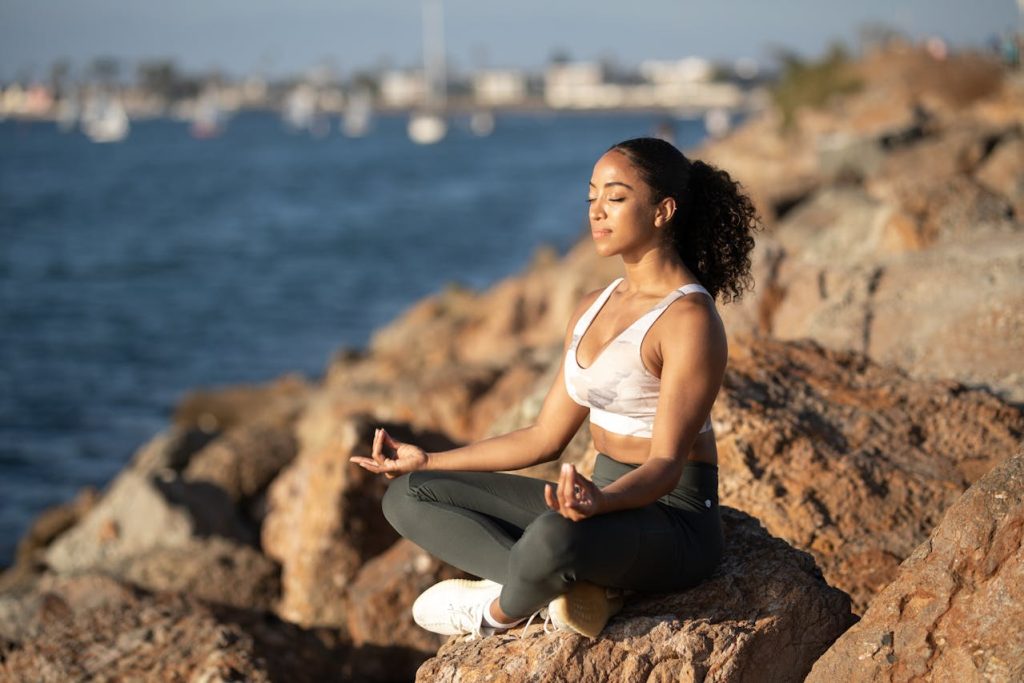
Meditation facts have become increasingly important as more people seek natural ways to improve their mental, emotional, and physical well-being. Once considered a spiritual practice reserved for monks and yogis, meditation is now embraced by millions of people worldwide, including healthcare professionals, athletes, business leaders, educators, and individuals simply looking for greater peace of mind.
Scientific research continues to validate what ancient traditions have taught for centuries—regular meditation can positively influence how we think, feel, and respond to life’s challenges. Whether you’re curious about meditation or looking to deepen your existing practice, understanding the facts behind this powerful habit can help you make informed decisions about your wellness journey.
At Mindfulness Meditation Hub, we provide expert guidance, meditation resources, and practical techniques designed to help people experience the lasting benefits of mindfulness and meditation in everyday life.
Why Meditation Has Become So Popular
Meditation has evolved from an ancient spiritual discipline into a widely accepted wellness practice.
Today’s fast-paced lifestyle exposes people to constant stress, digital distractions, and emotional pressure. As a result, more individuals are searching for sustainable ways to improve focus, reduce anxiety, and create better work-life balance.
One reason meditation continues to grow in popularity is that it requires very little to get started. You don’t need expensive equipment, advanced training, or special abilities. All you need is a willingness to slow down and become more aware of the present moment.
Many of the most interesting meditation facts reveal just how accessible and effective this practice can be.
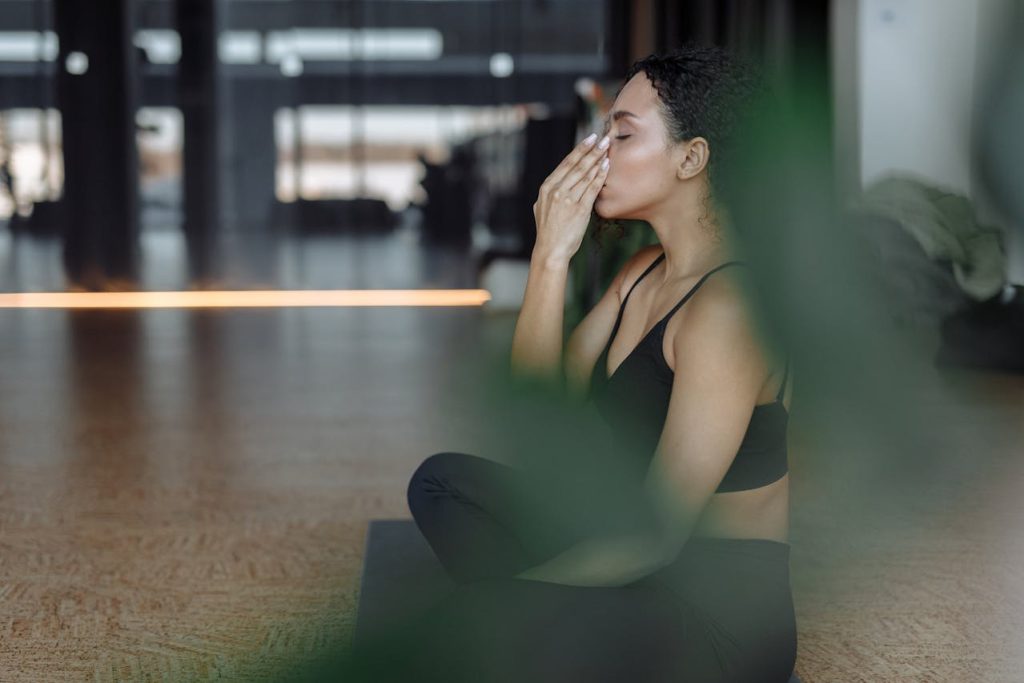
What Meditation Actually Does
Contrary to popular belief, meditation is not about forcing your mind to become completely empty.
Instead, meditation trains your attention and awareness. During practice, you learn to observe your thoughts without becoming controlled by them. Rather than reacting automatically, you begin responding with greater intention and emotional balance.
This simple shift often leads to remarkable improvements in overall well-being.
Meditation supports:
- Emotional regulation
- Mental clarity
- Improved concentration
- Greater self-awareness
- Better stress management
- Enhanced resilience
These benefits continue to grow with consistent practice.
Science-Backed Meditation Facts You Should Know
Modern neuroscience has helped researchers understand how meditation influences both the brain and the body.
Here are some fascinating meditation facts supported by scientific research.
Meditation Can Reduce Stress
Regular meditation may lower cortisol levels, helping reduce the body’s stress response.
This often results in greater relaxation and improved emotional stability.
Meditation Improves Focus
Studies suggest meditation strengthens attention and concentration by training the brain to remain present rather than becoming distracted.
Meditation Supports Better Sleep
Many people experience improved sleep quality because meditation helps calm racing thoughts before bedtime.
Meditation Can Improve Emotional Health
Meditation encourages greater awareness of emotions without becoming overwhelmed by them.
This can contribute to reduced anxiety and improved mood.
Meditation Benefits Physical Health
Research indicates meditation may help lower blood pressure, reduce muscle tension, and support overall wellness when combined with healthy lifestyle habits.
Common Myths About Meditation
Many misconceptions prevent people from starting a meditation practice.
Let’s separate fact from fiction.
Myth: Meditation Stops All Thoughts
Reality: Thoughts continue to arise naturally.
Meditation teaches you to notice them without judgment.
Myth: You Must Meditate for Hours
Reality: Even five to ten minutes of daily practice can produce meaningful benefits.
Myth: Meditation Is Only Spiritual
Reality: Meditation can be practiced for mental wellness, stress reduction, emotional balance, or personal growth regardless of religious beliefs.
Myth: Beginners Can’t Meditate
Reality: Everyone begins as a beginner.
Like any skill, meditation improves with practice.
Understanding these meditation facts helps remove unnecessary barriers.
Different Types of Meditation
Not every meditation practice looks the same.
Popular approaches include:
Mindfulness Meditation
Focuses on present-moment awareness.
Guided Meditation
Uses spoken instructions to help practitioners remain focused.
Loving-Kindness Meditation
Encourages compassion toward yourself and others.
Body Scan Meditation
Builds awareness of physical sensations throughout the body.
Breath Awareness Meditation
Uses natural breathing as the primary point of focus.
Exploring different styles allows individuals to discover what works best for them.
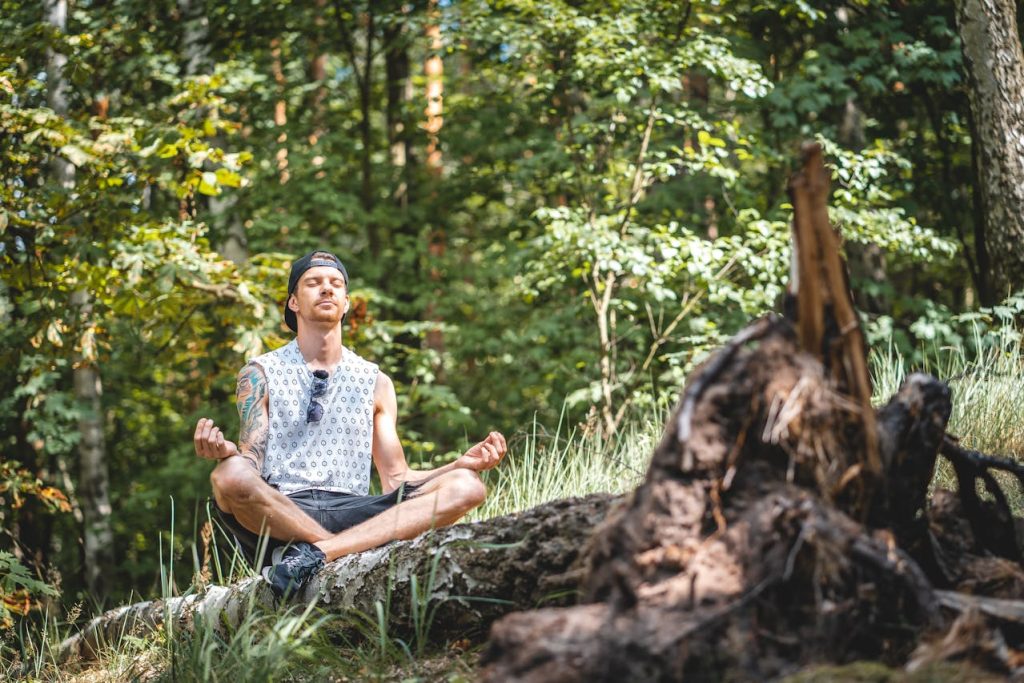
How Meditation Changes Daily Life
One of the most surprising meditation facts is that its greatest benefits often appear outside formal meditation sessions.
Consistent practitioners frequently notice improvements in everyday situations.
These may include:
- Responding calmly during conflict
- Making better decisions
- Improving relationships
- Becoming more patient
- Feeling less emotionally reactive
- Increasing productivity
Meditation becomes a practical life skill rather than simply a relaxation exercise.
Tips for Starting a Meditation Practice
Beginning meditation does not need to feel overwhelming.
Consider these simple steps:
Start Small
Begin with five minutes each day.
Choose a Consistent Time
Morning or evening routines often work well.
Find a Comfortable Space
Quiet environments reduce distractions.
Focus on Your Breath
Allow breathing to anchor your attention.
Be Patient
Progress develops gradually through consistency rather than perfection.
These habits create a strong foundation for long-term success.
Common Challenges Beginners Face
Nearly everyone experiences obstacles while learning meditation.
Some of the most common include:
The good news is that these experiences are completely normal.
Many meditation facts emphasize that noticing distractions is actually part of the practice rather than evidence of failure.
Each time you gently return your attention, you’re strengthening your mindfulness skills.
How Guided Meditation Can Help
Many beginners find guided meditation easier than practicing independently.
Guided sessions provide:
- Clear instructions
- Gentle reminders
- Structured exercises
- Consistent support
- Greater confidence
At Mindfulness Meditation Hub, we offer guided meditation resources suitable for every experience level.
Whether your goal is reducing stress, improving focus, enhancing emotional resilience, or building healthier daily habits, our guided practices can help you establish a sustainable meditation routine.
Making Meditation Part of Your Lifestyle
The most successful meditators don’t view meditation as another task on their to-do list.
Instead, they integrate mindfulness into everyday activities.
Simple examples include:
- Mindful breathing while waiting in line
- Walking without distractions
- Eating with full awareness
- Taking short pauses during work
- Practicing gratitude before bedtime
These small habits reinforce the larger benefits of meditation throughout the day.
As you continue practicing, you’ll discover that many of the most meaningful meditation facts become personal experiences rather than concepts you simply read about.
Why Consistency Matters More Than Perfection
Many people worry they’re not “good” at meditation.
The truth is that there is no perfect meditation session.
Some days feel calm.
Others feel distracted.
Both experiences contribute to growth.
Consistency creates lasting transformation because the brain gradually develops healthier patterns of attention, awareness, and emotional regulation.
Rather than chasing perfection, focus on simply showing up each day.
Experience the Benefits for Yourself
Reading about meditation facts is valuable, but the greatest understanding comes through personal practice.
Every meditation session strengthens your ability to respond thoughtfully, manage stress more effectively, and cultivate greater inner peace.
At Mindfulness Meditation Hub, we’re committed to helping you build a sustainable meditation practice through expert guidance, practical resources, and supportive instruction designed for real life.
Whether you’re just beginning or looking to deepen your existing practice, we’re here to support every step of your mindfulness journey.
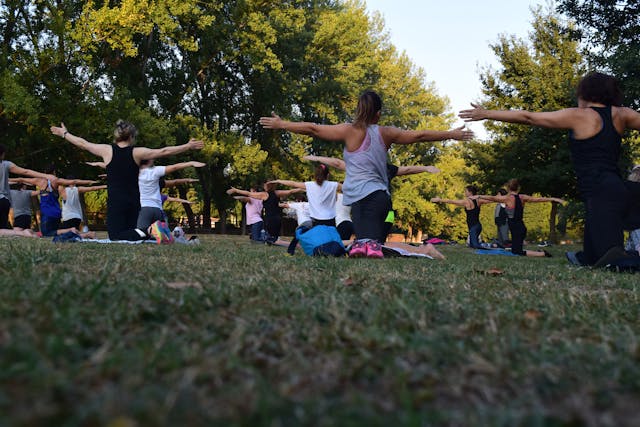
Start Your Meditation Journey Today
The most powerful meditation facts aren’t just found in research—they’re experienced through consistent practice.
Explore the guided meditations, educational resources, and mindfulness programs available at Mindfulness Meditation Hub and discover how meditation can help you build greater resilience, clarity, emotional balance, and lasting well-being.
Related Topics
- Meditation for Stress Management: Find Calm in a Busy Life
- Meditation for Severe Anxiety: Find Lasting Calm & Relief
- Jon Kabat Zinn Meditation: Transform Stress Into Lasting Calm
- Loving Kindness Meditation Script for Deep Healing & Peace
- What Is Mindfulness Meditation? Unlock Calm, Focus & Joy
- Scripts for Meditation: Powerful Guides for Inner Peace
- Love and Kindness Meditation Script for Deep Inner Peace
- Loving Compassion Meditation: Cultivate Peace & Kindness
- Loving Kindness Meditation: A Practical Guide to a Kinder Mind
- Short Body Scan Meditation: A Simple Practice to Reduce Stress