
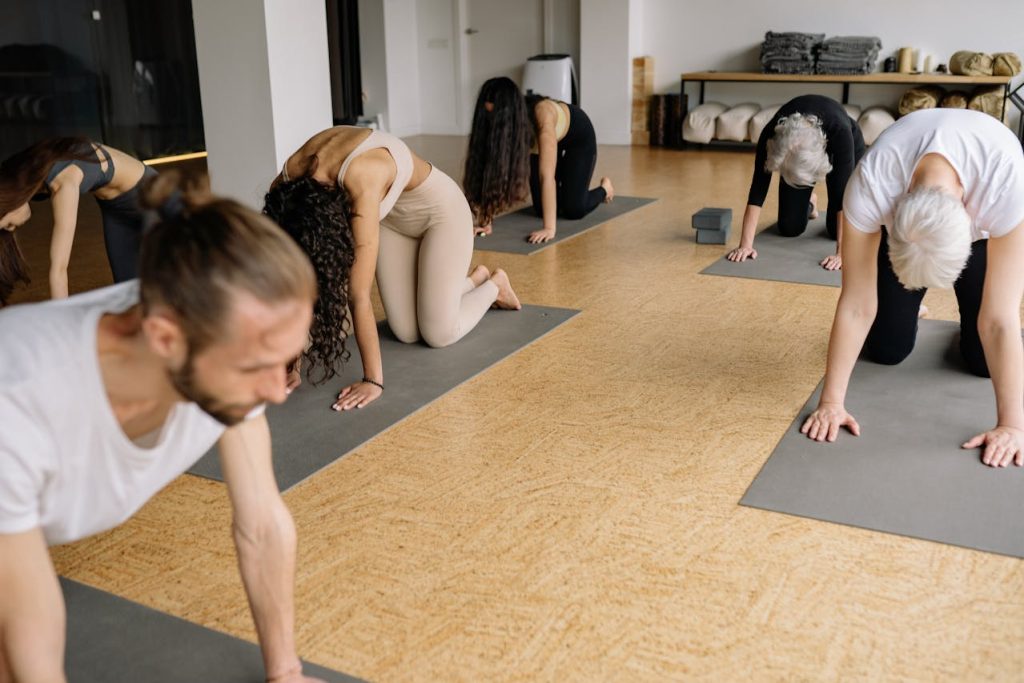
Meditation for stress management has become one of the most effective and accessible tools for improving mental and emotional well-being. In today’s world, stress has become a constant companion for many people. Work deadlines, financial concerns, family responsibilities, and endless digital distractions can leave us feeling overwhelmed and emotionally drained.
While stress itself is a natural response to life’s challenges, chronic stress can negatively impact physical health, emotional balance, relationships, and overall quality of life. Fortunately, meditation offers a practical solution that helps individuals manage stress in a healthy and sustainable way.
Rather than trying to eliminate every stressful situation, meditation teaches us how to respond more calmly and intentionally. Through regular practice, we can develop greater awareness, emotional resilience, and inner peace.
At Mindfulness Meditation Hub, we help individuals discover meditation practices that fit naturally into daily life, creating long-term benefits for mental clarity, emotional balance, and personal growth.
Understanding Stress and Its Impact
Stress affects both the mind and body.
When faced with perceived threats or challenges, the nervous system activates the “fight-or-flight” response. While this reaction can be useful in emergencies, prolonged activation often creates problems.
Common symptoms of chronic stress include:
- Difficulty concentrating
- Irritability
- Anxiety
- Sleep disturbances
- Muscle tension
- Fatigue
- Emotional overwhelm
- Reduced productivity
Over time, unmanaged stress can interfere with overall well-being.
This is why many individuals are turning to meditation for stress management as a natural and effective way to restore balance.
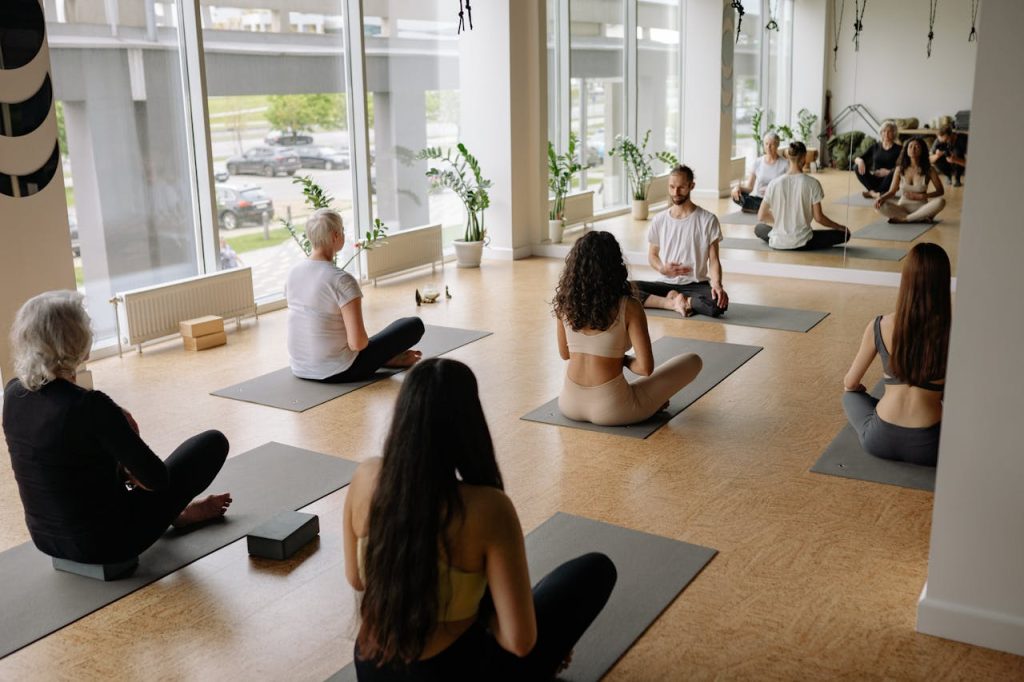
What Is Meditation?
Meditation is a practice that trains attention and awareness.
Although there are many different meditation styles, most share a common goal: helping individuals become more present and less reactive to thoughts, emotions, and external circumstances.
Meditation does not require special equipment, advanced skills, or hours of free time.
Instead, it involves intentionally focusing attention while cultivating a sense of awareness and acceptance.
Popular meditation approaches include:
- Mindfulness meditation
- Breath awareness meditation
- Guided meditation
- Loving-kindness meditation
- Body scan meditation
- Visualization meditation
Each offers unique benefits while supporting stress reduction and emotional well-being.
Why Meditation Helps Reduce Stress
One reason meditation for stress management is so effective is that it changes how we relate to stressful experiences.
Many people automatically react to challenges with worry, frustration, or fear.
Meditation creates space between the experience and the reaction.
Instead of becoming overwhelmed, practitioners learn to observe thoughts and emotions without immediately responding to them.
This shift often results in:
- Improved emotional regulation
- Greater self-awareness
- Reduced anxiety
- Enhanced focus
- Better decision-making
- Increased resilience
Over time, meditation helps transform habitual stress responses into healthier, more balanced reactions.
The Science Behind Meditation and Stress Relief
Scientific research continues to demonstrate the positive effects of meditation on mental and physical health.
Studies suggest meditation may help:
Lower Stress Hormones
Regular meditation practice may help reduce cortisol, often referred to as the body’s primary stress hormone.
Calm the Nervous System
Meditation activates the relaxation response, helping counteract the effects of chronic stress.
Improve Emotional Regulation
Meditation strengthens the ability to manage difficult emotions more effectively.
Enhance Attention and Focus
Consistent practice improves concentration and cognitive flexibility.
Support Better Sleep
Many individuals report improved sleep quality after incorporating meditation into their routine.
These benefits explain why meditation is increasingly recommended by healthcare providers, wellness professionals, and mental health experts.
Essential Benefits of Meditation
A consistent meditation practice offers benefits that extend far beyond temporary relaxation.
Emotional Benefits
Meditation may help:
- Reduce anxiety
- Improve mood
- Increase self-awareness
- Enhance emotional resilience
- Promote inner peace
Mental Benefits
Practitioners often experience:
- Greater mental clarity
- Improved concentration
- Better decision-making
- Increased productivity
Physical Benefits
Many individuals report:
- Reduced muscle tension
- Better sleep quality
- Lower perceived stress levels
- Improved overall well-being
These benefits make meditation a valuable component of a healthy lifestyle.

How to Start a Meditation Practice
Beginning a meditation routine does not need to be complicated.
In fact, simplicity often leads to greater consistency.
Step 1: Choose a Quiet Space
Find a comfortable environment with minimal distractions.
Step 2: Focus on Your Breath
Pay attention to the sensation of breathing in and out.
Allow the breath to flow naturally.
Step 3: Notice Wandering Thoughts
When your mind drifts, gently bring your attention back to your breath.
Step 4: Practice Regularly
Even five minutes per day can produce meaningful results over time.
A simple routine often becomes the foundation for successful meditation for stress management.
Effective Meditation Techniques for Stress Reduction
Different meditation styles resonate with different individuals.
Exploring various approaches can help you find what works best.
Mindfulness Meditation
This practice focuses on observing thoughts, emotions, and sensations without judgment.
It strengthens present-moment awareness and reduces mental overwhelm.
Guided Meditation
Guided sessions provide verbal instruction, making them especially helpful for beginners.
Body Scan Meditation
This technique involves directing attention throughout the body to identify and release tension.
Loving-Kindness Meditation
Practitioners cultivate compassion and positive emotions toward themselves and others.
Breath Awareness Meditation
Simple breath-focused meditation remains one of the most effective stress reduction tools available.
Creating a Sustainable Daily Routine
Consistency is more important than duration.
A strong meditation for stress management routine can fit into even the busiest schedule.
Morning Practice
Begin the day with five to ten minutes of meditation.
This helps establish a calm and focused mindset.
Midday Reset
Pause during the day for a brief breathing exercise or mindfulness practice.
Evening Reflection
Use meditation to unwind and release accumulated tension before bedtime.
These small habits can create lasting improvements in emotional well-being.

Common Obstacles and How to Overcome Them
Many beginners encounter challenges when starting meditation.
“I Don’t Have Time”
Even short sessions can be highly beneficial.
Start with just a few minutes.
“My Mind Won’t Stop Thinking”
Thoughts are normal.
Meditation is about noticing them, not eliminating them.
“I’m Not Doing It Right”
There is no perfect meditation experience.
Awareness itself is the practice.
“I Forget to Practice”
Pair meditation with an existing habit, such as morning coffee or bedtime routines.
Consistency develops gradually.
Meditation in the Workplace
Workplace stress has become increasingly common.
Fortunately, meditation for stress management can be particularly effective in professional environments.
Benefits may include:
- Improved concentration
- Better emotional control
- Enhanced productivity
- Reduced burnout
- Stronger communication skills
Simple workplace practices such as mindful breathing before meetings or short meditation breaks can significantly improve daily performance.
Why Guided Support Makes a Difference
Although self-guided meditation can be valuable, many individuals benefit from structured instruction.
A guided approach provides:
- Clear direction
- Accountability
- Expert support
- Personalized recommendations
- Consistent motivation
At Mindfulness Meditation Hub, we offer guided meditations, educational resources, and mindfulness programs designed to help individuals develop sustainable meditation habits that support long-term stress reduction and emotional wellness.
Whether you’re completely new to meditation or looking to deepen your practice, guided support can accelerate progress and improve results.
Long-Term Transformation Through Meditation
The most meaningful benefits of meditation for stress management often emerge through consistent practice over time.
As awareness grows, many individuals notice positive changes in:
- Relationships
- Emotional balance
- Self-confidence
- Focus
- Decision-making
- Overall life satisfaction
Meditation becomes more than a stress-reduction tool—it becomes a way of approaching life with greater presence and intention.
Take the First Step Toward Greater Calm
If stress is affecting your quality of life, now is the perfect time to explore the benefits of meditation for stress management.
At Mindfulness Meditation Hub, we provide the guidance, resources, and support needed to build a sustainable meditation practice that fits your lifestyle.
Explore our guided meditations and mindfulness resources today and begin creating greater calm, clarity, and resilience in your everyday life.

Related Topics
- Meditation for Severe Anxiety: Find Lasting Calm & Relief
- Jon Kabat Zinn Meditation: Transform Stress Into Lasting Calm
- Loving Kindness Meditation Script for Deep Healing & Peace
- What Is Mindfulness Meditation? Unlock Calm, Focus & Joy
- Scripts for Meditation: Powerful Guides for Inner Peace
- Love and Kindness Meditation Script for Deep Inner Peace
- Loving Compassion Meditation: Cultivate Peace & Kindness
- Loving Kindness Meditation: A Practical Guide to a Kinder Mind
- Short Body Scan Meditation: A Simple Practice to Reduce Stress
- Love Meditation: How to Open Your Heart, & Reduce Stress