
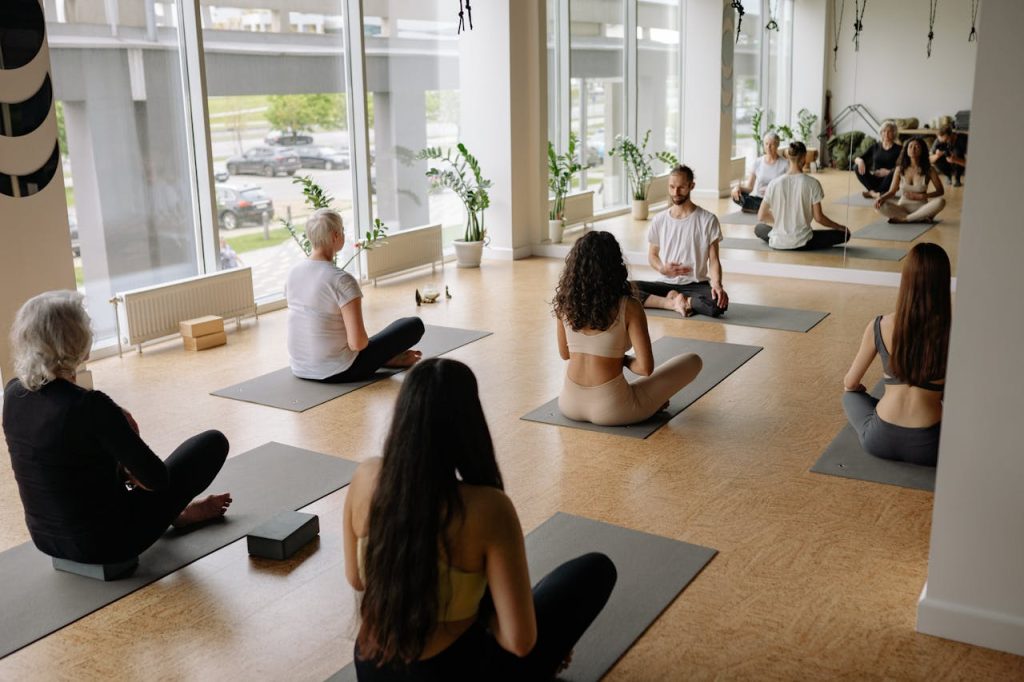
Meditation for severe anxiety has become an increasingly valuable tool for people seeking natural ways to manage overwhelming stress, racing thoughts, and persistent worry. While anxiety is a normal human response to challenges and uncertainty, severe anxiety can interfere with daily life, relationships, work performance, and overall well-being.
Many individuals feel trapped in cycles of fear, tension, and mental exhaustion. Fortunately, mindfulness and meditation practices offer practical techniques that can help calm the mind, regulate emotions, and improve resilience over time.
Although meditation is not a replacement for professional medical or mental health treatment, it can serve as a powerful complementary practice that supports emotional wellness and stress management.
At Mindfulness Meditation Hub, we help individuals develop sustainable mindfulness habits that encourage greater peace, self-awareness, and emotional balance. In this guide, you’ll learn how meditation works, why it can help with anxiety, and practical strategies for building a consistent practice.
Understanding Severe Anxiety
Before exploring meditation for severe anxiety, it’s important to understand what severe anxiety can look like.
Anxiety affects everyone differently, but common symptoms may include:
- Excessive worry
- Racing thoughts
- Difficulty concentrating
- Restlessness
- Muscle tension
- Sleep disturbances
- Increased heart rate
- Feelings of dread or panic
For some individuals, anxiety can become so intense that it impacts daily functioning.
When symptoms are persistent or severe, seeking support from qualified healthcare or mental health professionals is essential.
Meditation works best as part of a comprehensive wellness approach.
Why Meditation Helps Anxiety
Many people wonder how meditation can influence anxiety.
The answer lies in awareness and nervous system regulation.
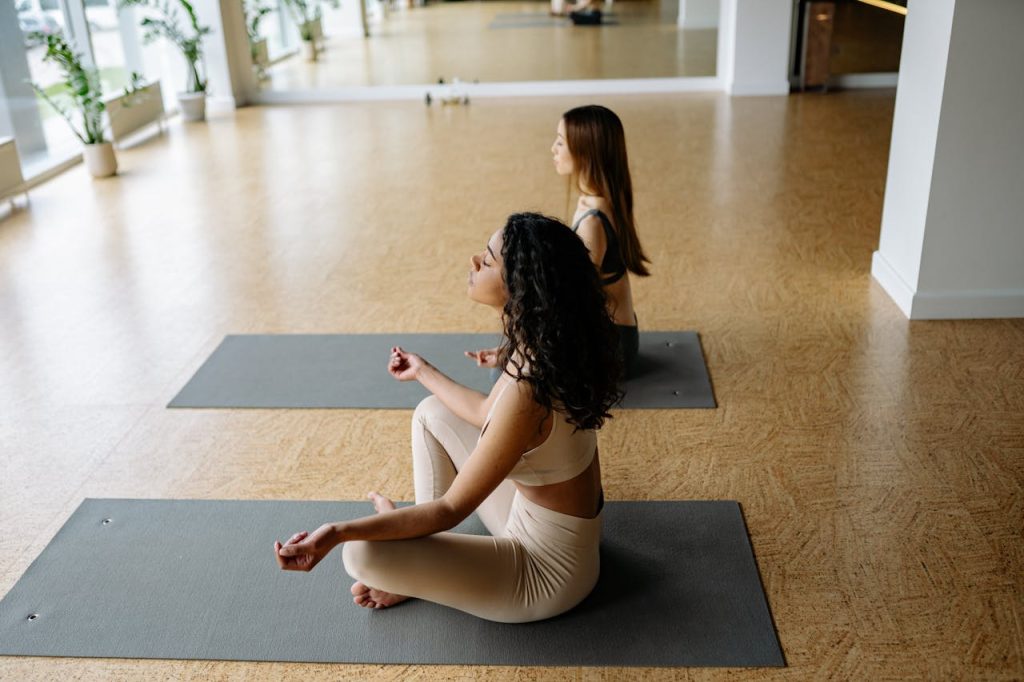
Anxiety often pulls attention toward future-focused worries and worst-case scenarios. Meditation encourages individuals to redirect attention to the present moment.
This shift helps interrupt cycles of rumination and fear.
Over time, regular practice may help:
- Reduce stress reactivity
- Improve emotional regulation
- Enhance self-awareness
- Increase resilience
- Promote relaxation
These benefits make mindfulness a valuable tool for managing anxiety symptoms.
The Science Behind Meditation and Anxiety
Researchers have spent decades studying mindfulness and meditation.
Studies suggest that regular meditation practice may support:
Reduced Stress Response
Meditation encourages activation of the body’s relaxation response, helping counter chronic stress.
Improved Emotional Regulation
Practitioners often become more aware of emotions without becoming overwhelmed by them.
Better Focus and Attention
Meditation trains the mind to gently return attention to the present moment.
Increased Self-Compassion
Mindfulness helps reduce self-judgment and encourages healthier responses to difficult emotions.
While results vary from person to person, consistent practice often leads to meaningful improvements in emotional well-being.
How Meditation Changes Your Relationship With Anxiety
One of the greatest benefits of meditation for severe anxiety is that it changes how individuals relate to anxious thoughts.
Many people try to fight anxiety.
Unfortunately, resisting thoughts often makes them feel stronger.
Meditation teaches a different approach.
Instead of struggling against thoughts, practitioners learn to:
- Observe them
- Acknowledge them
- Let them pass naturally
This creates space between thoughts and reactions.
As awareness grows, anxiety often loses some of its power.
Best Types of Meditation for Anxiety Relief
Several meditation styles may support anxiety management.
Mindfulness Meditation
Mindfulness focuses on present-moment awareness.
Practitioners observe thoughts, emotions, and sensations without judgment.
Breathing Meditation
Attention remains anchored on the breath.
This simple technique can calm the nervous system and reduce mental overwhelm.
Body Scan Meditation
Body scans involve gradually bringing awareness to different areas of the body.
This practice can help release tension and improve relaxation.
Loving-Kindness Meditation
Compassion-focused practices encourage kindness toward oneself and others.
Many individuals find this approach helpful when anxiety is linked to self-criticism.
A Simple Meditation Practice for Severe Anxiety
The easiest way to experience meditation for severe anxiety is through a brief daily exercise.
Five-Minute Grounding Meditation
Find a comfortable seated position.
Close your eyes or soften your gaze.
Take a slow breath in.
Exhale gently.
Focus your attention on your breathing.
Notice:
- Air entering your nose
- Air leaving your body
- The rise and fall of your chest
If thoughts arise, simply acknowledge them.
Gently return your attention to your breath.
Continue for five minutes.
Remember that the goal is not to eliminate anxiety but to develop awareness and calm.
What to Expect When Starting Meditation
Beginners often have unrealistic expectations.
Understanding what to expect can help maintain motivation.
Your Mind Will Wander
This is completely normal.
Every time you return attention to the present moment, you strengthen mindfulness skills.
Anxiety May Still Appear
Meditation does not instantly remove anxiety.
Instead, it helps create a healthier relationship with anxious thoughts and feelings.
Progress Takes Time
Consistency matters more than perfection.
Small daily sessions often produce better results than occasional long practices.
Practical Tips for Success
Building a sustainable meditation habit requires patience.
Start Small
Begin with five minutes daily.
Gradually increase your practice as comfort grows.
Create a Routine
Meditate at the same time each day whenever possible.
Use Guided Meditations
Guided sessions can help maintain focus and structure.
Be Kind to Yourself
Avoid judging your meditation experience.
Every session is valuable regardless of how calm or distracted you feel.
Common Mistakes People Make
When practicing meditation for severe anxiety, some habits can interfere with progress.
Expecting Immediate Results
Meditation is a skill that develops gradually.
Forcing Relaxation
Trying too hard to feel calm can create additional tension.
Judging Thoughts
Thoughts are a normal part of meditation.
The goal is awareness, not mental silence.
Practicing Only During Crisis
Consistent practice builds resilience that supports emotional balance during difficult moments.
Combining Meditation With Healthy Lifestyle Habits
Meditation is most effective when combined with other wellness practices.
Helpful habits include:
- Regular exercise
- Healthy sleep routines
- Balanced nutrition
- Social connection
- Time in nature
- Stress management techniques
- Professional support when needed
Together, these strategies create a strong foundation for emotional well-being.
When to Seek Professional Support
While meditation for severe anxiety can be highly beneficial, it should not replace professional care when symptoms become overwhelming.
Consider seeking professional help if anxiety:
- Interferes with daily functioning
- Causes panic attacks
- Affects relationships
- Disrupts sleep consistently
- Leads to significant emotional distress
Mental health professionals can provide personalized support and treatment options.
Meditation works best as part of a comprehensive wellness plan.
Why Guided Mindfulness Programs Can Help
Many individuals struggle to maintain meditation habits on their own.
Guided mindfulness programs provide:
- Structure
- Expert instruction
- Accountability
- Practical tools
- Ongoing encouragement
At Mindfulness Meditation Hub, we offer guided meditations, mindfulness resources, and wellness programs designed to help individuals develop sustainable practices that support emotional resilience and inner peace.
Whether you’re managing everyday stress or exploring ways to complement professional treatment, mindfulness can become a valuable part of your wellness journey.
Building Long-Term Emotional Resilience
The goal of meditation for severe anxiety is not to eliminate every anxious thought.
Rather, it is to develop greater awareness, balance, and confidence in your ability to navigate life’s challenges.
Over time, mindfulness helps individuals:
- Respond rather than react
- Build emotional flexibility
- Improve self-awareness
- Cultivate inner calm
- Strengthen resilience
These skills can create lasting positive changes that extend far beyond meditation sessions.
Final Thoughts
Meditation for severe anxiety offers a practical and accessible way to support emotional wellness, reduce stress, and improve present-moment awareness. While meditation is not a cure-all, it can be a powerful complement to professional care and healthy lifestyle habits.
With patience, consistency, and self-compassion, mindfulness can help individuals create a more balanced and peaceful relationship with anxiety.
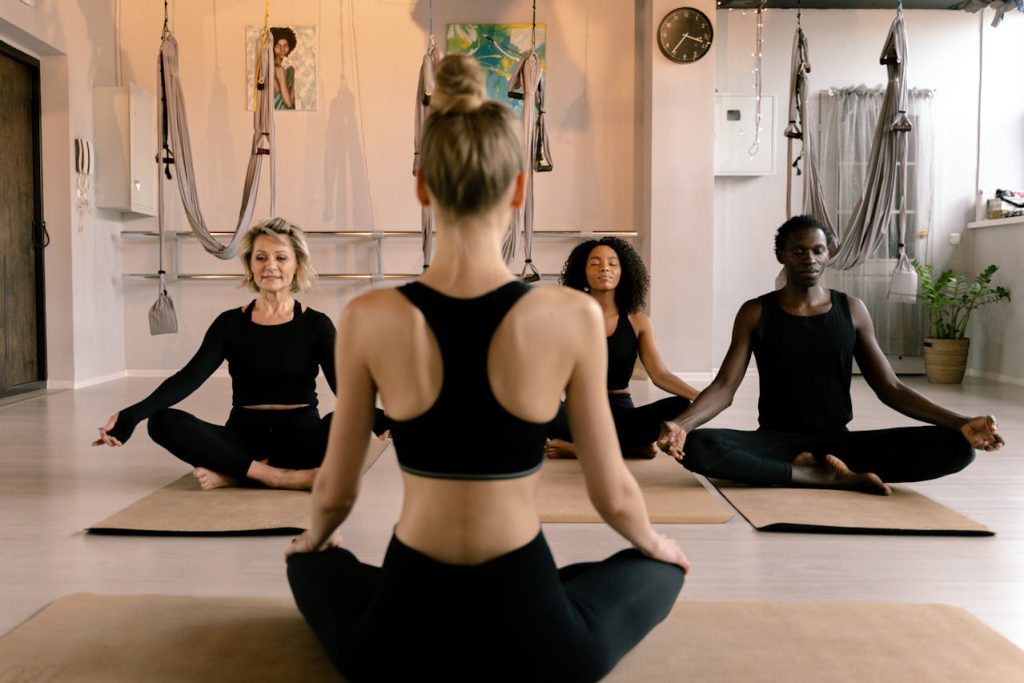
Start Your Mindfulness Journey Today
If you’re ready to experience the benefits of meditation for severe anxiety, explore the guided mindfulness resources and meditation programs available at Mindfulness Meditation Hub.
Our supportive tools and expert guidance can help you build lasting habits that promote calm, resilience, self-awareness, and long-term emotional well-being.
Related Topics
- Jon Kabat Zinn Meditation: Transform Stress Into Lasting Calm
- Loving Kindness Meditation Script for Deep Healing & Peace
- What Is Mindfulness Meditation? Unlock Calm, Focus & Joy
- Scripts for Meditation: Powerful Guides for Inner Peace
- Love and Kindness Meditation Script for Deep Inner Peace
- Loving Compassion Meditation: Cultivate Peace & Kindness
- Loving Kindness Meditation: A Practical Guide to a Kinder Mind
- Short Body Scan Meditation: A Simple Practice to Reduce Stress
- Love Meditation: How to Open Your Heart, & Reduce Stress
- How to Meditation at Home: A Beginner’s Guide to Finding Peace