
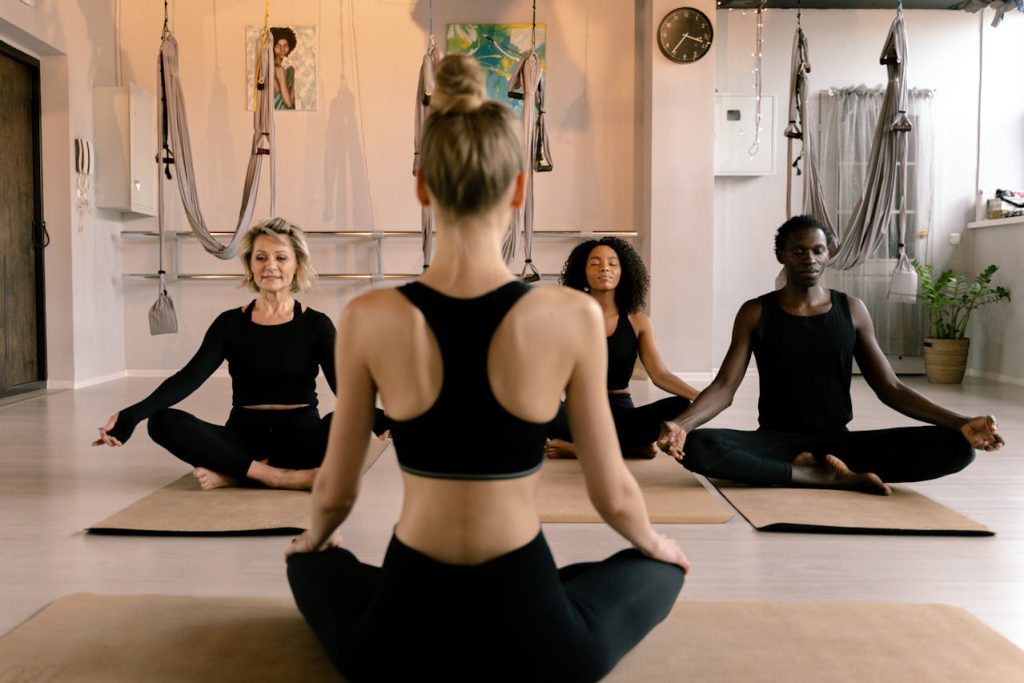
What is mindfulness meditation is one of the most common questions people ask when exploring personal growth, stress management, and emotional wellness. As modern life becomes increasingly fast-paced and demanding, more individuals are turning to mindfulness practices to find balance, clarity, and inner peace.
Mindfulness meditation is a simple yet powerful practice that involves paying attention to the present moment with openness, curiosity, and without judgment. Rather than dwelling on the past or worrying about the future, mindfulness encourages you to fully experience what is happening right now.
While the concept may sound straightforward, its impact can be profound. Regular mindfulness practice can improve emotional resilience, reduce stress, enhance focus, and support overall well-being.
At Mindfulness Meditation Hub, we help individuals discover practical mindfulness techniques that can be integrated into everyday life. Whether you’re completely new to meditation or looking to deepen your practice, understanding the fundamentals is the first step toward lasting transformation.
Understanding the Meaning of Mindfulness Meditation
To answer the question what is mindfulness meditation, it helps to break the concept into two parts.
What Is Mindfulness?
Mindfulness is the practice of paying attention to your thoughts, emotions, bodily sensations, and surroundings in the present moment.
It involves:
- Awareness without judgment
- Acceptance of current experiences
- Focus on the present
- Intentional observation
Mindfulness teaches us to notice what is happening without immediately reacting or becoming overwhelmed.
What Is Meditation?
Meditation is a structured practice that trains attention and awareness.
Through meditation, individuals learn to:
- Improve concentration
- Reduce mental clutter
- Develop emotional balance
- Strengthen self-awareness
When combined, mindfulness and meditation create a powerful tool for personal growth and mental wellness.
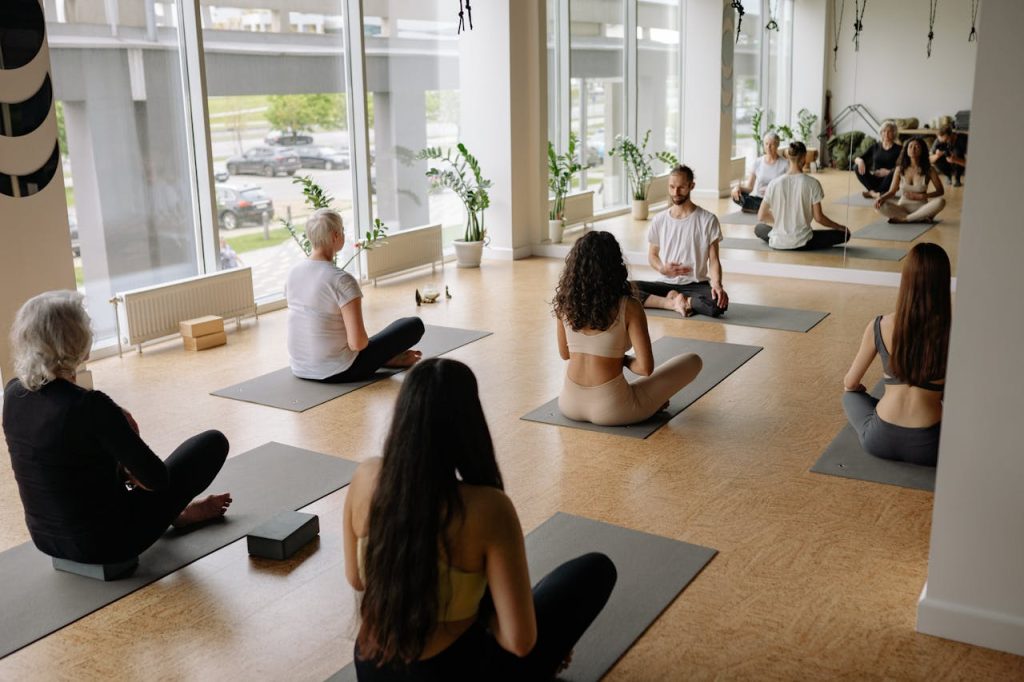
The Origins of Mindfulness Meditation
Mindfulness meditation has roots in ancient contemplative traditions that have been practiced for thousands of years.
While mindfulness originated within Buddhist teachings, modern mindfulness practices are often presented in a secular and accessible format suitable for people from all backgrounds.
Today, mindfulness is widely used in:
- Healthcare settings
- Corporate wellness programs
- Educational institutions
- Mental health treatment plans
- Personal development programs
Its widespread adoption reflects growing recognition of its benefits for both mental and physical well-being.
How Mindfulness Meditation Works
Many people wonder exactly how mindfulness meditation creates positive changes.
The answer lies in awareness.
When practicing mindfulness, individuals intentionally observe their thoughts, emotions, and sensations without becoming attached to them.
Instead of automatically reacting to every experience, mindfulness creates space for thoughtful responses.
This process helps strengthen emotional regulation and mental clarity.
The Basic Process
A simple mindfulness session typically involves:
- Sitting comfortably.
- Focusing on the breath.
- Observing thoughts as they arise.
- Gently returning attention to the present moment.
- Maintaining a non-judgmental attitude.
The goal is not to stop thinking but to become more aware of your thinking.
The Benefits of Mindfulness Meditation
Understanding what is mindfulness meditation becomes easier when you experience its benefits firsthand.
Regular practice may contribute to improvements in several areas of life.
Reduced Stress
Mindfulness helps individuals recognize stress triggers and respond more calmly.
Many practitioners report feeling less overwhelmed by daily challenges.
Improved Focus and Concentration
Training attention strengthens the ability to stay focused on tasks without becoming distracted.
This benefit can be valuable in both professional and personal settings.
Enhanced Emotional Well-Being
Mindfulness encourages awareness of emotions without judgment.
As a result, individuals often develop greater emotional balance and resilience.
Better Sleep Quality
Mindfulness practices can help quiet mental activity and promote relaxation before bedtime.
Increased Self-Awareness
Regular meditation encourages deeper understanding of personal habits, behaviors, and thought patterns.
A Simple Mindfulness Meditation Practice for Beginners
One of the easiest ways to understand what is mindfulness meditation is to try it yourself.
Five-Minute Mindfulness Exercise
Find a comfortable place to sit.
Close your eyes or soften your gaze.
Take a slow breath in and exhale gently.
Bring your attention to the sensation of breathing.
Notice:
- Air entering your nose
- The rise and fall of your chest
- The rhythm of each breath
When thoughts arise, acknowledge them and gently return your attention to your breathing.
Continue for five minutes.
This simple exercise can help cultivate present-moment awareness.
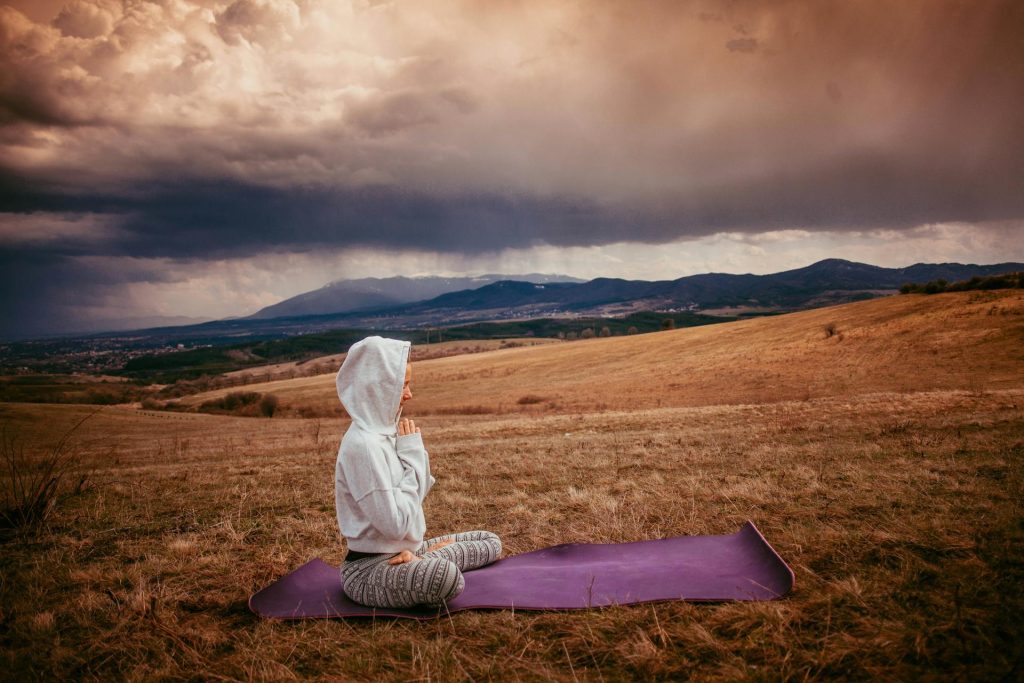
Common Misconceptions About Mindfulness Meditation
Despite its growing popularity, mindfulness is often misunderstood.
You Must Empty Your Mind
One of the biggest myths is that meditation requires eliminating all thoughts.
In reality, thoughts are natural.
Mindfulness involves observing them without becoming attached.
It Takes Hours Every Day
Many people benefit from sessions lasting just five to fifteen minutes.
Consistency is often more important than duration.
Mindfulness Is Only for Relaxation
While relaxation can occur, mindfulness also develops awareness, focus, emotional intelligence, and resilience.
You Must Sit Perfectly Still
Mindfulness can be practiced while walking, eating, working, or performing everyday activities.
Different Types of Mindfulness Meditation
There are several approaches to mindfulness practice.
Breath Awareness Meditation
This technique focuses attention on breathing patterns.
It is one of the most widely practiced forms of mindfulness.
Body Scan Meditation
Participants slowly move awareness throughout different areas of the body.
This practice helps increase body awareness and relaxation.
Walking Meditation
Mindfulness is applied to the experience of walking.
Attention is directed toward movement, breathing, and physical sensations.
Loving-Kindness Meditation
This practice focuses on compassion, kindness, and positive intentions toward oneself and others.
Bringing Mindfulness Into Everyday Life
Many people assume mindfulness only happens during formal meditation sessions.
In reality, mindfulness can become part of daily routines.
Mindful Eating
Pay attention to flavors, textures, and sensations while eating.
Mindful Listening
Focus fully on conversations without planning responses in advance.
Mindful Walking
Notice each step, your surroundings, and your breathing.
Mindful Work Habits
Pause periodically to check in with your thoughts and energy levels.
These small practices help strengthen awareness throughout the day.
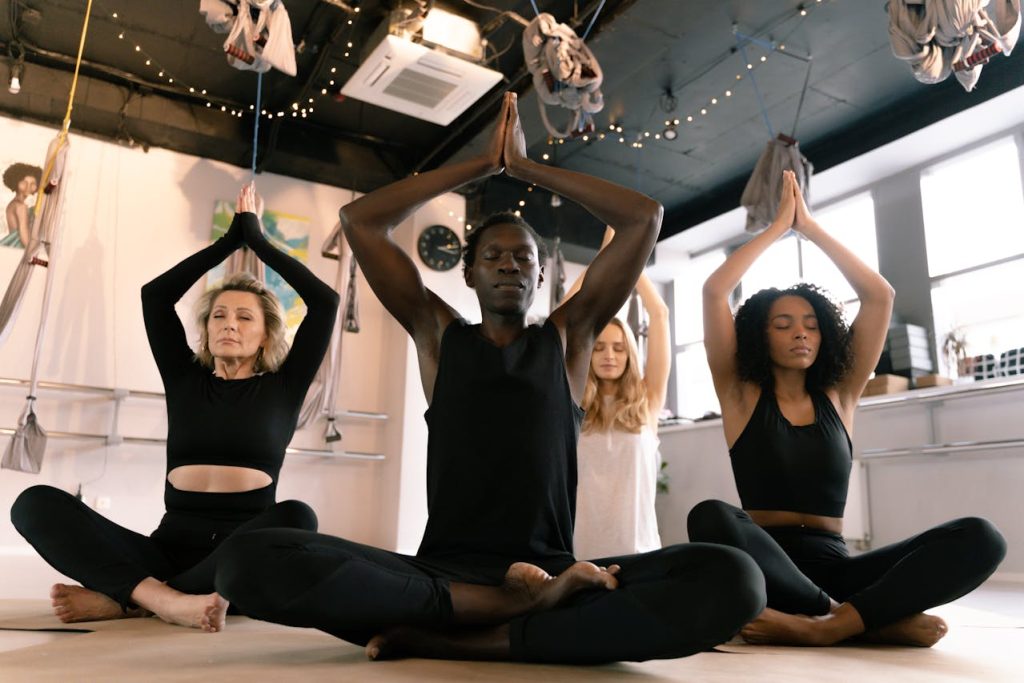
Challenges Beginners Often Face
Learning mindfulness is a skill that develops gradually.
Common challenges include:
Restlessness
Many people feel uncomfortable sitting quietly at first.
This is normal and typically improves with practice.
Wandering Thoughts
The mind naturally drifts.
The key is gently returning attention without frustration.
Impatience
Some expect immediate results.
Mindfulness is a long-term practice that becomes more effective over time.
Self-Criticism
There is no perfect meditation session.
Approaching practice with curiosity and self-compassion is essential.
Why Guided Mindfulness Training Helps
Although mindfulness can be practiced independently, many individuals benefit from structured guidance.
Professional instruction provides:
At Mindfulness Meditation Hub, we offer guided meditations, mindfulness resources, and practical training programs designed to help individuals build sustainable habits and experience meaningful results.
Whether your goal is stress reduction, personal growth, improved focus, or emotional well-being, guided support can make your journey more effective and enjoyable.
Building a Long-Term Mindfulness Practice
Developing mindfulness does not require perfection.
It requires consistency.
Helpful strategies include:
- Setting aside dedicated practice time
- Starting with short sessions
- Using guided meditations
- Keeping a mindfulness journal
- Practicing patience
Small daily efforts often create significant long-term benefits.
The most important step is simply showing up regularly.
Final Thoughts
The question what is mindfulness meditation goes far beyond a simple definition. It represents a powerful approach to living with greater awareness, balance, and intention.
By learning to focus on the present moment, individuals can reduce stress, strengthen emotional resilience, and cultivate a deeper connection with themselves and the world around them.
Mindfulness is not about escaping life. It is about fully experiencing it with clarity and compassion.
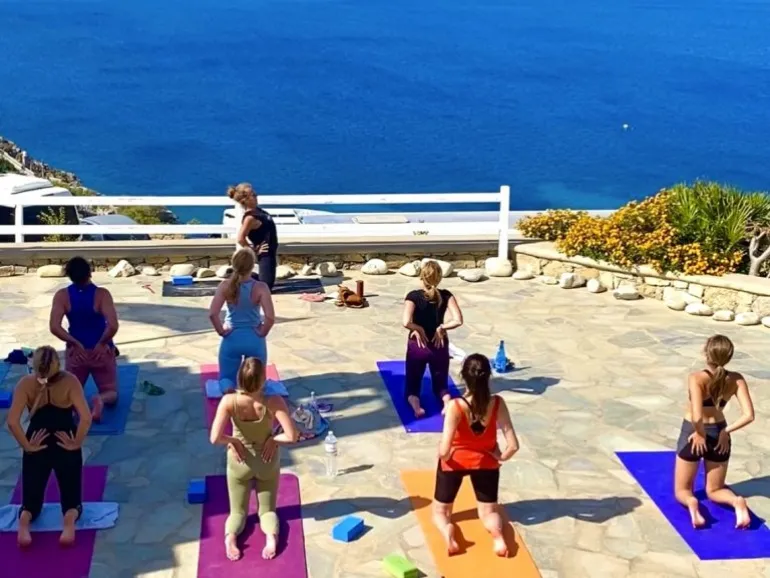
Start Your Mindfulness Journey Today
Ready to discover firsthand what is mindfulness meditation and how it can transform your daily life?
Explore the guided meditations, mindfulness programs, and wellness resources available at Mindfulness Meditation Hub. Our expert support can help you develop lasting mindfulness habits that promote calm, focus, resilience, and long-term well-being.
Related Topics
- Mindfulness Techniques Anxiety: Proven Ways to Calm Your Mind
- Mindfulness Examples That Bring Calm Into Daily Life
- What Is Mindfulness? A Complete Guide to Inner Peace and Focus
- Meditate Correctly: A Beginner-Friendly Guide to Mindfulness
- Mindfulness Stress Reduction Techniques to Calm Anxiety
- Living with Mindfulness: A Practical Guide to Daily Peace & Balance
- Mindfulness for Overthinking: How to Calm Your Mind
- Mindfulness Stress Relief: Reduce Anxiety and Find Inner Calm
- Mindfulness Daily Life: Simple Habits to Reduce Stress
- Teach Mindfulness Meditation: A Complete Guide