
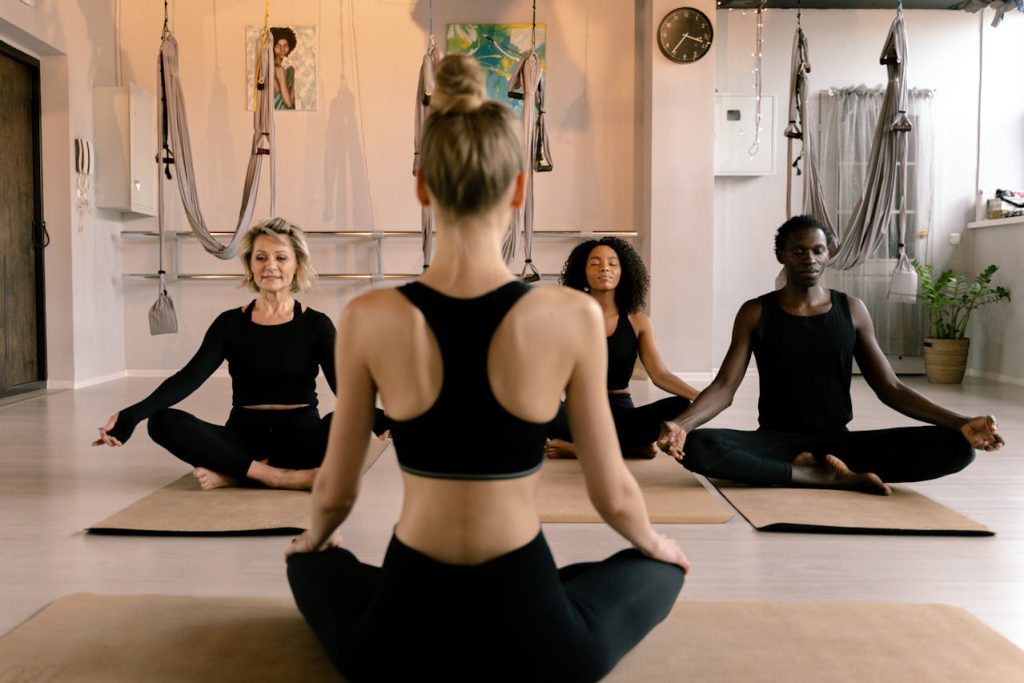
Discover calm peace with practical mindfulness, meditation, breathing, and daily habits that help you create more stillness, balance, and clarity.
What Does Calm Peace Really Mean?
In a world filled with notifications, deadlines, responsibilities, and constant stimulation, finding calm peace can feel surprisingly difficult. Many people assume peace means having no problems, but genuine inner calm is not about creating a perfectly quiet life.
Instead, it is about learning how to respond to life’s experiences without allowing every thought, emotion, or outside distraction to control your attention.
Mindfulness can help develop this ability. By becoming more aware of your thoughts, breathing, emotions, and surroundings, you can gradually create more space between what happens and how you respond.
At MindfulnessMeditationHub.com, we provide practical resources, exercises, and mindfulness techniques to help you explore these practices and incorporate them into your daily life. Whether you’re new to meditation or have been practicing for years, you’ll find resources designed to support your personal mindfulness journey.

Why Inner Peace Can Be Difficult to Find
Modern life rarely encourages stillness.
Even when your body is resting, your mind may be reviewing yesterday’s conversation, planning tomorrow’s responsibilities, checking social media, or worrying about something that has not happened yet.
This constant mental activity can make relaxation feel impossible.
Some common obstacles include:
- Overthinking and repetitive thoughts
- Constant digital stimulation
- Work-related stress
- Difficulty setting boundaries
- Fear about the future
- Dwelling on the past
- Emotional exhaustion
- Lack of quality sleep
- Trying to control things outside your control
The goal isn’t to eliminate every difficult thought. That would be unrealistic.
Instead, mindfulness teaches you to notice what is happening without immediately reacting to it.
That small shift can have a meaningful effect on how you experience everyday life.
10 Practical Ways to Cultivate Calm Peace
1. Begin With Three Minutes of Mindful Breathing
You don’t need an hour-long meditation session to begin developing greater awareness.
Start with three minutes.
Sit comfortably and allow your shoulders to relax. Close your eyes if that feels comfortable, then bring your attention to your natural breathing.
Notice:
- The sensation of air entering your nose
- The movement of your chest
- The expansion of your abdomen
- The feeling of each exhale
Your mind will probably wander.
That’s normal.
When you notice that you’ve become distracted, gently return your attention to your breathing. Every return is part of the practice.
2. Stop Fighting Every Thought
One of the biggest misconceptions about meditation is that successful practice requires an empty mind.
It doesn’t.
Thoughts naturally appear. Some may be useful, while others may be repetitive, uncomfortable, or completely random.
Rather than fighting them, try observing them.
You might silently say:
“I’m noticing a worried thought.”
Then return your attention to your breath or another anchor.
This approach can reduce the struggle surrounding unwanted thoughts and help you develop greater mental flexibility.
3. Create a Mindful Morning Routine
The first part of your day can influence how you approach everything that follows.
Instead of immediately reaching for your phone, consider creating a simple morning ritual.
For example:
- Sit quietly for one minute.
- Take five slow breaths.
- Notice how your body feels.
- Think of one thing you’re grateful for.
- Set one realistic intention for the day.
Your intention could be:
- “I will listen before reacting.”
- “I will focus on one task at a time.”
- “I will give myself permission to slow down.”
- “I will pay attention to the present moment.”
A mindful morning doesn’t have to be complicated to be effective.
4. Practice Mindful Walking
Meditation doesn’t always require sitting still.
Walking can become a mindfulness exercise when you intentionally pay attention to the experience.
As you walk, notice the movement of your legs, the contact between your feet and the ground, your breathing, and the environment around you.
If your mind starts planning or worrying, gently redirect your attention to your surroundings.
Even a five-minute walk can become an opportunity to step away from mental noise.
5. Use the STOP Technique During Stress
When emotions begin escalating, try a simple mindfulness technique called STOP.
S — Stop.
Pause whatever you’re doing.
T — Take a breath.
Take one or two slow, comfortable breaths.
O — Observe.
Notice your thoughts, emotions, physical sensations, and surroundings.
P — Proceed.
Choose your next action intentionally rather than automatically.
This technique can be particularly useful before responding to a stressful message, entering a difficult conversation, or making an emotional decision.
The pause creates space for a more thoughtful response.
How Meditation Supports Emotional Balance
Meditation isn’t about forcing yourself to feel positive all the time.
Instead, regular meditation can help you become more familiar with your internal experience.
You may begin noticing patterns such as:
“When I’m tired, I become more reactive.”
“When I’m worried, I start imagining worst-case scenarios.”
“When I feel criticized, I immediately become defensive.”
This awareness matters because you cannot intentionally change a pattern you don’t recognize.
Over time, mindfulness can encourage greater self-awareness and help you respond to emotions with curiosity instead of immediate judgment.
6. Build a Digital Quiet Zone
Technology can be useful, but constant connectivity can make mental rest difficult.
Consider creating specific periods during the day when you disconnect from unnecessary digital stimulation.
For example, you could:
- Keep your phone away during meals
- Turn off nonessential notifications
- Avoid scrolling immediately before bed
- Take short screen-free breaks
- Leave your phone in another room during meditation
- Designate one quiet period each evening
You don’t need to abandon technology.
The objective is simply to make sure technology doesn’t automatically control your attention.
7. Practice Gratitude Without Forcing Positivity
Gratitude can help shift attention toward what is present rather than constantly focusing on what is missing.
However, gratitude should not become a way of dismissing genuine difficulties.
You can acknowledge that something is hard while still recognizing something meaningful within your life.
At the end of the day, write down three things you appreciated.
They don’t need to be extraordinary.
They might include:
- A meaningful conversation
- A good meal
- Time outside
- A moment of laughter
- A comfortable bed
- Completing an important task
- Five quiet minutes alone
The practice works best when you make it specific rather than simply writing the same general statements every day.
8. Learn to Sit With Silence
Silence can initially feel uncomfortable.
When external stimulation disappears, thoughts that were previously hidden beneath activity can become more noticeable.
Instead of immediately reaching for entertainment, experiment with short periods of quiet.
Sit somewhere comfortable for five minutes.
You don’t have to accomplish anything.
Listen to the sounds around you. Feel your breathing. Notice your body. Let thoughts come and go.
With regular practice, silence can become less uncomfortable and more restorative.
9. Develop an Evening Wind-Down Practice
Your mind needs a transition between daytime activity and nighttime rest.
A simple evening mindfulness routine might include:
- Turning down bright lights
- Putting away unnecessary screens
- Taking several slow breaths
- Stretching gently
- Writing down tomorrow’s priorities
- Practicing a short body scan
- Reading something calming
Writing down unfinished tasks can be particularly helpful if your mind repeatedly reminds you about them.
You don’t have to solve everything before bed.
Sometimes the most useful action is simply acknowledging that something can wait until tomorrow.
10. Make Mindfulness Part of Ordinary Life
You don’t have to separate mindfulness completely from everyday activities.
In fact, one of the most sustainable approaches is integrating awareness into things you already do.
Try practicing mindfulness while:
- Drinking coffee or tea
- Taking a shower
- Washing dishes
- Eating lunch
- Driving
- Walking the dog
- Gardening
- Cleaning
- Listening to music
Choose one ordinary activity and perform it without multitasking.
Notice the sights, sounds, textures, smells, and physical sensations involved.
This turns mindfulness from something you “do” into something you gradually learn to embody.
Calm Peace vs. Avoiding Problems
| Calm Peace | Avoiding Problems |
|---|---|
| Accepts difficult thoughts and emotions | Tries to push difficult thoughts away |
| Allows you to acknowledge uncomfortable feelings | Avoids uncomfortable feelings or situations |
| Creates space to respond thoughtfully | Encourages automatic reactions or withdrawal |
| Focuses on awareness and acceptance | Focuses on distraction or suppression |
| Recognizes that challenges are part of life | Assumes peace means having no problems |
| Encourages healthy coping and self-awareness | Can leave underlying concerns unresolved |
| Helps you stay present during difficult moments | Keeps your attention focused on escaping discomfort |

A Simple 7-Day Mindfulness Challenge
If you’re unsure where to begin, try this one-week plan.
Day 1: Breathing
Practice three minutes of mindful breathing.
Day 2: Walking
Take a five-minute mindful walk.
Day 3: Digital Break
Spend 20 minutes without unnecessary screens.
Day 4: Gratitude
Write down three specific things you’re grateful for.
Day 5: Body Awareness
Complete a five-minute body scan and notice areas of tension.
Day 6: Silence
Spend five minutes sitting quietly without entertainment.
Day 7: Reflection
Write down what you noticed throughout the week.
Ask yourself:
- When did I feel most relaxed?
- What distracted me most?
- Which practice felt natural?
- What practice would I like to continue?
Don’t judge your answers.
The purpose is to discover what works for you.
How to Make the Practice Sustainable
Consistency matters more than intensity.
A common mistake is starting with an ambitious routine and abandoning it after a few days.
Instead, make your practice easy enough to repeat.
For example, commit to five minutes rather than thirty.
Once the habit becomes established, you can increase the duration naturally.
It can also help to connect mindfulness with an existing habit.
For example:
After I brush my teeth → I will take five mindful breaths.
After lunch → I will walk mindfully for five minutes.
Before bed → I will spend two minutes noticing my breathing.
Habit stacking makes mindfulness easier to remember because it becomes connected to something you already do.
What If You Can’t Feel Calm?
This is an important question.
Sometimes you may meditate and still feel restless. Other days, your thoughts may seem louder than usual.
That doesn’t mean you’re failing.
Meditation isn’t a performance where you receive a score for having a quiet mind.
The practice is the process of noticing.
If you sit for five minutes and realize that your mind wandered 50 times, you’ve still practiced awareness 50 times when you noticed and returned.
Be patient with yourself.
Progress may appear gradually through small changes in how you respond to stressful situations, how quickly you notice tension, or how comfortably you can pause before reacting.
Build Your Personal Mindfulness Journey
There is no single meditation technique that works identically for everyone.
Some people enjoy breathing meditation. Others connect more with walking meditation, body scans, gratitude practices, loving-kindness meditation, or mindful movement.
Experimentation is part of the journey.
At MindfulnessMeditationHub.com, our goal is to make that exploration practical and accessible. Our resources are designed to help you understand mindfulness, explore meditation exercises, and discover realistic ways to bring greater awareness into everyday routines.
Whether you’re taking your first step or looking to deepen an established practice, you can explore different approaches and choose the techniques that fit your lifestyle.

Start Creating More Calm Today
Developing calm peace isn’t about waiting for life to become perfect.
It’s about learning how to create moments of awareness within the life you already have.
Start small. Take three conscious breaths. Put your phone down for a few minutes. Walk without rushing. Notice your surroundings. Give yourself permission to pause.
Most importantly, don’t expect instant transformation.
Mindfulness is a practice, and like any practice, its benefits can develop through patience and consistency.
Related Topics
- Calm Coloring: Simple Mindfulness for Stress Relief
- Teaching Mindfulness: Transform Lives with Simple Practices
- Mindfulness Tip: 10 Simple Habits for a Calmer Mind
- Emotional Mindfulness: Master Your Emotions with Ease
- Mindfulness Journey: Transform Your Life with Inner Peace
- Mindfulness Emotion: Transform Your Emotional Well-Being
- Mindfulness and Stress Management: Your Path to Lasting Calm
- Mindfulness Strategy: Transform Stress Into Lasting Calm
- Mindfulness for Stress and Anxiety: Reclaim Calm Naturally
- What Is Mindfulness Meditation? Unlock Calm, Focus & Joy