

Mindfulness journey begins with a single intentional moment. It doesn’t require a dramatic life change or years of experience. Instead, it starts by paying attention to the present with openness, curiosity, and acceptance. While many people believe mindfulness is simply meditation, it is actually a way of living that transforms how we think, feel, and respond to everyday experiences.
In today’s fast-paced world, distractions are constant. Work demands, digital overload, and personal responsibilities often leave us feeling overwhelmed. Mindfulness offers a practical solution by helping us reconnect with ourselves and the present moment. Rather than dwelling on the past or worrying about the future, mindfulness teaches us to experience life as it unfolds.
Whether you’re completely new to mindfulness or looking to deepen your practice, understanding what this journey involves can help you build habits that support emotional resilience, mental clarity, and overall well-being.
At Mindfulness Meditation Hub, we believe everyone deserves access to practical mindfulness tools that fit naturally into daily life. Through guided meditations, educational resources, and mindful living practices, we’re committed to helping individuals create meaningful and lasting personal growth.

Why Mindfulness Matters More Than Ever
Modern life often rewards multitasking, constant productivity, and endless stimulation. Unfortunately, these habits frequently come at the expense of our mental and emotional health.
Stress has become a common part of everyday living. Many people struggle with anxiety, poor concentration, emotional exhaustion, and difficulty sleeping. While there is no instant solution to life’s challenges, mindfulness provides an effective way to change how we respond to them.
Research continues to demonstrate that regular mindfulness practice can support:
- Reduced daily stress
- Improved emotional regulation
- Better concentration
- Increased self-awareness
- Healthier relationships
- Greater resilience during difficult situations
- Enhanced overall well-being
Rather than trying to eliminate every stressful event, mindfulness helps you develop the ability to navigate those experiences with greater calm and confidence.
Understanding the Meaning of a Mindfulness Journey
Every person’s mindfulness journey looks different because each individual brings unique experiences, goals, and challenges.
For some, it begins with learning to manage stress more effectively.
For others, it involves healing emotional wounds, improving focus, or simply creating more peace in everyday life.
Regardless of where you begin, mindfulness is less about reaching a destination and more about embracing continuous growth.
A genuine mindfulness journey encourages you to:
- Become aware of your thoughts without judgment.
- Observe emotions instead of reacting impulsively.
- Develop compassion for yourself and others.
- Build healthier responses to life’s challenges.
- Create greater appreciation for ordinary moments.
Over time, these small changes begin influencing every area of life.
The Core Principles of Mindfulness
Although mindfulness can be practiced in many different ways, several foundational principles remain consistent.
Present-Moment Awareness
The heart of mindfulness is learning to focus on what is happening right now.
Instead of replaying yesterday’s mistakes or worrying about tomorrow’s uncertainties, you intentionally return your attention to the present experience.
This simple habit often creates remarkable improvements in emotional stability.
Acceptance Without Judgment
Mindfulness does not ask you to suppress emotions or pretend everything is perfect.
Instead, it teaches you to acknowledge thoughts and feelings without labeling them as good or bad.
Acceptance creates space for healthier decision-making.
Curiosity
Approaching each experience with curiosity allows you to learn from situations rather than immediately reacting to them.
Curiosity transforms challenges into opportunities for growth.
Compassion
Mindfulness naturally develops greater kindness toward both yourself and others.
This compassion becomes an important foundation for emotional resilience.

Common Misconceptions About Mindfulness
Many people hesitate to begin practicing mindfulness because they misunderstand what it actually involves.
Let’s clear up a few common myths.
Myth 1: Mindfulness Means Emptying Your Mind
One of the biggest misconceptions is believing your mind should become completely silent.
In reality, thoughts naturally arise.
Mindfulness teaches you to notice them without becoming controlled by them.
Myth 2: You Need Hours Every Day
Many beginners assume they need long meditation sessions.
In truth, even five to ten minutes of consistent daily practice can produce meaningful benefits over time.
Myth 3: Mindfulness Is Only Meditation
Meditation is one way to practice mindfulness, but mindfulness can also be incorporated into eating, walking, working, exercising, and conversations.
It becomes a way of living rather than a scheduled activity.
Myth 4: Only Calm People Can Practice Mindfulness
Many people begin mindfulness precisely because they feel stressed, anxious, or overwhelmed.
You don’t need to be calm before starting—the practice helps you become calmer.
The Stages of a Mindfulness Journey
Although everyone’s experience differs, many practitioners notice similar stages as they continue growing.
Stage One: Awareness
Initially, you simply begin noticing your thoughts, emotions, habits, and reactions.
Many people are surprised by how often their attention wanders.
This awareness is actually the beginning of meaningful change.
Stage Two: Observation
Instead of reacting automatically, you learn to pause.
You begin observing emotions with greater objectivity rather than immediately acting on them.
This creates emotional freedom.
Stage Three: Intentional Response
As mindfulness develops, you become less reactive.
Instead of responding impulsively during stressful situations, you pause, breathe, and choose thoughtful actions.
Relationships often improve dramatically during this stage.
Stage Four: Integration
Eventually, mindfulness extends beyond meditation sessions.
You naturally become more present while working, driving, eating, exercising, and interacting with others.
At this point, mindfulness becomes part of your lifestyle rather than simply another wellness habit.
Overcoming Common Challenges
Every mindfulness journey includes obstacles. Experiencing challenges does not mean you’re failing—it means you’re learning.
A Busy Mind
Many beginners worry because their thoughts constantly wander.
In reality, noticing distractions and gently returning your attention is the practice itself.
Inconsistency
Missing a day or two is normal.
Instead of feeling discouraged, simply return to your practice with curiosity rather than criticism.
Impatience
Many people expect immediate transformation.
Mindfulness is similar to physical fitness. Small daily improvements create lasting results over time.
Self-Judgment
People often believe they are “bad” at meditation.
There is no perfect meditation session. Every practice strengthens awareness, regardless of how distracted you may feel.
The Connection Between Mindfulness and Emotional Well-Being
One of the greatest benefits of mindfulness is improved emotional intelligence.
Rather than suppressing emotions, mindfulness teaches you to recognize, understand, and respond to them with greater wisdom.
As your awareness grows, you may notice:
- Less emotional reactivity
- Increased patience
- Greater compassion
- Improved confidence
- Better decision-making
Instead of allowing emotions to control your actions, you learn to create space between your feelings and your responses.
How Guided Meditation Supports Your Growth
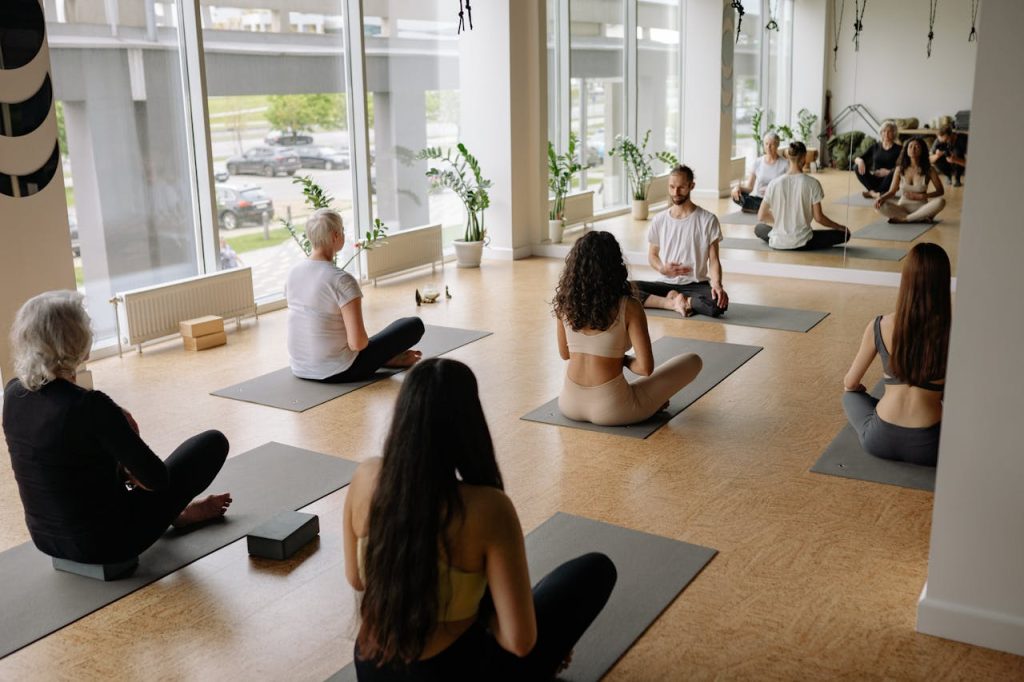
Although mindfulness can be practiced independently, guided meditation often makes the learning process easier.
Professional guidance helps you:
Build Consistency
Structured sessions remove uncertainty and make it easier to develop a daily habit.
Improve Focus
Gentle guidance keeps your attention anchored when your mind begins to wander.
Learn New Techniques
Guided meditations introduce breathing exercises, body scans, visualization, loving-kindness practices, and mindful awareness exercises.
Increase Confidence
Many beginners feel more comfortable knowing someone is leading the practice.
Over time, guided meditation builds the confidence needed for independent mindfulness practice.
Mindfulness in Relationships
An authentic mindfulness journey extends beyond personal well-being—it also strengthens relationships.
Mindful communication encourages you to:
- Listen with full attention.
- Respond instead of reacting.
- Express empathy.
- Reduce unnecessary conflict.
- Become more patient with loved ones.
When people feel heard and understood, trust naturally grows.
Mindfulness also helps you recognize your own emotional patterns, making it easier to communicate honestly and respectfully.
Mindfulness at Work
The workplace often presents constant deadlines, meetings, and distractions.
Mindfulness offers practical tools for managing these demands more effectively.
Professionals who practice mindfulness frequently report improvements in:
- Productivity
- Creativity
- Decision-making
- Stress management
- Leadership skills
- Team collaboration
Simple habits such as taking mindful breathing breaks or focusing on one task at a time can significantly improve workplace performance.
Signs Your Mindfulness Practice Is Working
Sometimes the benefits appear so gradually that people overlook them.
You may notice positive changes such as:
- Feeling calmer during stressful situations.
- Becoming less reactive.
- Sleeping more peacefully.
- Improving concentration.
- Feeling more grateful.
- Developing greater self-awareness.
- Experiencing healthier relationships.
- Recovering more quickly from emotional setbacks.
These small improvements often become life-changing over months and years.
Your Next Step Begins Today
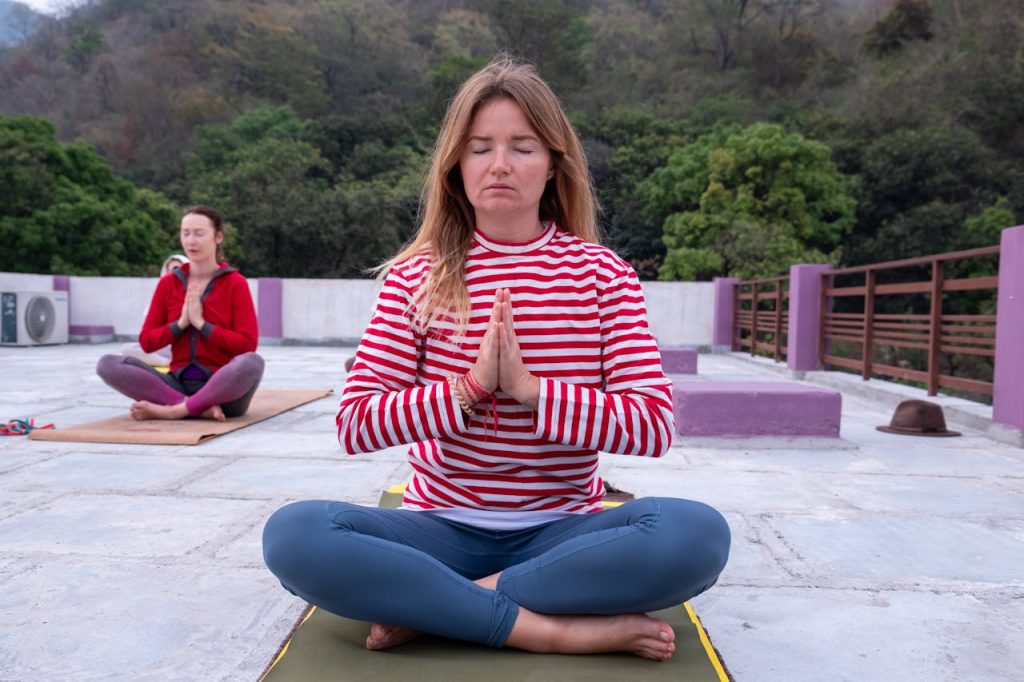
Every meaningful mindfulness journey starts with a single mindful breath.
You don’t need to wait for the perfect circumstances or master every technique before beginning. Progress is created through small, consistent actions repeated over time.
Each moment of awareness strengthens your ability to manage stress, improve relationships, make wiser decisions, and experience greater peace.
At Mindfulness Meditation Hub, we’re committed to helping you develop a sustainable mindfulness practice through expert guidance, practical meditation techniques, and trusted educational resources.
Whether you’re taking your very first mindful breath or looking to deepen an established practice, we’re here to support you every step of the way.
Related Topics
- Mindfulness Emotion: Transform Your Emotional Well-Being
- Mindfulness and Stress Management: Your Path to Lasting Calm
- Mindfulness Strategy: Transform Stress Into Lasting Calm
- Mindfulness for Stress and Anxiety: Reclaim Calm Naturally
- What Is Mindfulness Meditation? Unlock Calm, Focus & Joy
- Mindfulness in Work: Boost Focus, Reduce Stress & Thrive
- Mindfulness Techniques Anxiety: Proven Ways to Calm Your Mind
- Mindfulness Examples That Bring Calm Into Daily Life
- What Is Mindfulness? A Complete Guide to Inner Peace and Focus
- Meditate Correctly: A Beginner-Friendly Guide to Mindfulness