

Mindfulness emotion is the foundation of developing greater emotional awareness, resilience, and inner peace. Our emotions influence how we think, make decisions, communicate, and respond to life’s everyday challenges. Yet many people struggle to understand or manage their feelings in healthy ways. Instead of recognizing emotions as valuable signals, they often suppress them, become overwhelmed, or react impulsively.
This is where mindfulness can make a profound difference. Rather than trying to eliminate uncomfortable feelings, mindfulness teaches you to observe your emotions with curiosity, compassion, and acceptance. By becoming more aware of your inner experiences, you can respond thoughtfully instead of reacting automatically.
Whether you’re navigating daily stress, workplace pressure, relationship conflicts, or simply seeking better emotional balance, cultivating mindfulness can help you regulate your emotions, reduce anxiety, and build lasting mental well-being. In this guide, you’ll discover practical strategies to understand your emotions, strengthen emotional resilience, and create a healthier, more mindful life.
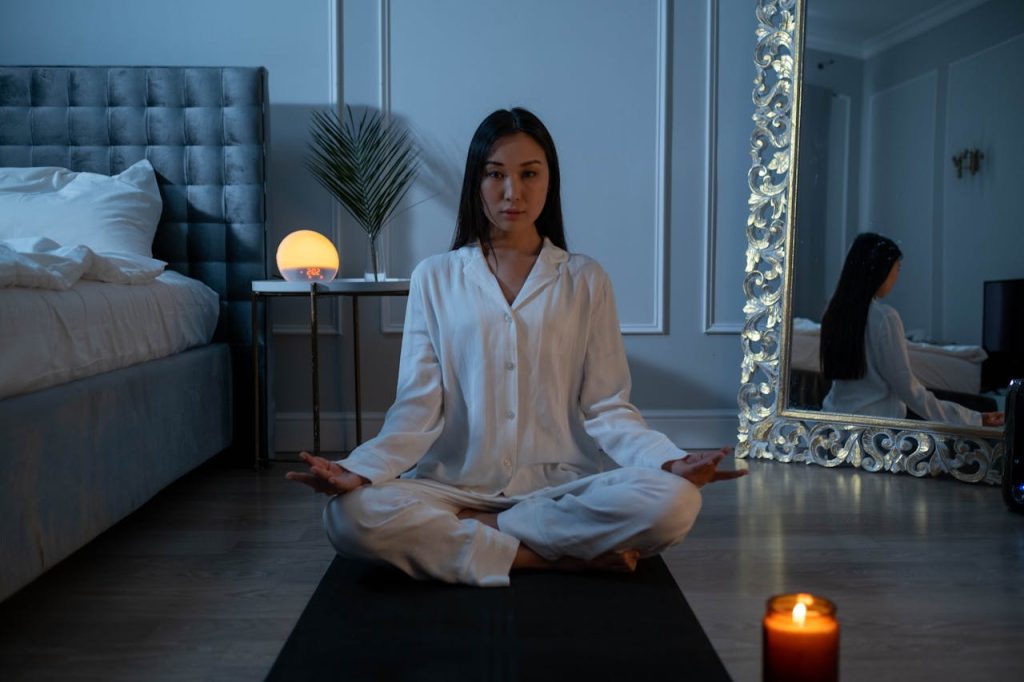
What Is Mindfulness?
Mindfulness is the practice of intentionally paying attention to the present moment without judgment. Instead of dwelling on the past or worrying about the future, mindfulness encourages you to become fully aware of your thoughts, physical sensations, surroundings, and emotions exactly as they are.
This simple yet powerful practice has its roots in ancient meditation traditions and has since become widely recognized through modern psychology and neuroscience. Today, healthcare professionals, therapists, educators, and wellness experts recommend mindfulness to improve mental health, reduce stress, and enhance emotional well-being.
Regular mindfulness practice can help you:
- Develop greater self-awareness
- Improve concentration and focus
- Reduce stress and anxiety
- Increase emotional resilience
- Build healthier relationships
- Sleep better
- Make more thoughtful decisions
The goal isn’t to stop thinking or avoid difficult emotions. Instead, mindfulness teaches you how to experience life’s ups and downs with greater clarity and calm.
Understanding the Connection Between Emotions and Mindfulness
Every emotion serves a purpose. Fear can warn us of danger. Joy encourages connection. Sadness often signals loss or the need for healing. Anger may indicate that our boundaries have been crossed.
Problems arise when we automatically react to emotions without understanding them.
Through mindfulness emotion, you learn to recognize emotional experiences before they become overwhelming. Instead of immediately acting on frustration or anxiety, you pause, observe what you’re feeling, and respond with greater awareness.
Imagine receiving critical feedback at work. Without mindfulness, you might instantly become defensive or discouraged. With mindfulness, you notice the physical sensations—perhaps a racing heart or tense shoulders—acknowledge the emotion, and choose a calmer, more constructive response.
That brief moment of awareness often changes the entire outcome.
Why Emotional Awareness Matters
Many people move through life on autopilot, rarely noticing their emotions until they become intense. Emotional awareness helps interrupt this pattern by creating space between an emotional trigger and your response.
When you become more emotionally aware, you begin to:
Recognize Emotional Patterns
You start noticing recurring situations that trigger stress, frustration, or worry. Understanding these patterns allows you to prepare for them more effectively.
Improve Decision-Making
Strong emotions can cloud judgment. Mindfulness encourages thoughtful reflection before taking action, leading to wiser personal and professional decisions.
Strengthen Relationships
Being aware of your own emotions makes it easier to communicate openly and empathize with others. This often leads to healthier conversations and stronger connections.
Reduce Emotional Reactivity
Instead of reacting impulsively, you develop the ability to pause, breathe, and choose responses that align with your values.
How Mindfulness Helps Regulate Emotions
Many people mistakenly believe emotional regulation means suppressing feelings. In reality, healthy regulation involves acknowledging emotions while managing how we respond to them.
Practicing mindfulness emotion supports emotional regulation in several important ways.
It Creates Space Before Reacting
Mindfulness encourages a pause between an emotional trigger and your response. Even a few mindful breaths can interrupt automatic habits and reduce impulsive reactions.
It Builds Self-Compassion
Instead of criticizing yourself for feeling anxious, angry, or sad, mindfulness teaches you to approach your emotions with kindness.
Self-compassion may sound like:
- “It’s okay to feel overwhelmed.”
- “This emotion will pass.”
- “I’m experiencing something difficult, and that’s part of being human.”
This compassionate mindset reduces emotional suffering and promotes healing.
It Improves Emotional Flexibility
Mindful individuals are often better equipped to adapt to changing circumstances because they recognize emotions as temporary experiences rather than permanent realities.

Practical Mindfulness Techniques for Emotional Balance
Learning mindfulness doesn’t require hours of meditation each day. Small, consistent practices often produce meaningful results.
1. Mindful Breathing
Focus your attention on your breathing for five minutes.
Notice:
When your mind wanders, gently return your attention to your breath without judgment.
2. Body Scan Meditation
Sit comfortably or lie down.
Slowly move your awareness through your body from head to toe.
Notice areas of:
- Tension
- Warmth
- Tingling
- Relaxation
- Tightness
Simply observe these sensations without trying to change them.
3. Name Your Emotions
Research suggests that labeling emotions can reduce their intensity.
Instead of saying:
“I feel terrible.”
Try identifying the specific emotion:
- I feel disappointed.
- I feel frustrated.
- I feel anxious.
- I feel embarrassed.
This simple practice increases emotional clarity and supports healthier responses.
4. Practice Non-Judgment
One of the core principles of mindfulness is observing experiences without labeling them as good or bad.
Instead of thinking:
“I shouldn’t feel this way.”
Try saying:
“I’m noticing sadness right now.”
This shift reduces resistance and encourages emotional acceptance.
Common Emotional Challenges That Mindfulness Can Help With
Mindfulness is not a cure-all, but it offers practical tools for navigating many common emotional experiences.
Stress
Daily responsibilities can quickly become overwhelming. Mindful breathing and present-moment awareness help calm the nervous system and reduce the effects of chronic stress.
Anxiety
Anxiety often stems from worrying about future events. Mindfulness gently redirects attention to the present, where many imagined fears lose their intensity.
Anger
Mindfulness allows you to recognize the early signs of anger before emotions escalate, making it easier to respond constructively rather than react impulsively.
Sadness
Rather than resisting sadness, mindfulness encourages gentle acceptance, allowing emotions to move through you naturally instead of becoming prolonged through avoidance.
Final Thoughts
Developing mindfulness emotion is not about avoiding difficult feelings or striving for constant happiness. Instead, it’s about building the awareness and emotional resilience needed to respond to life’s challenges with greater clarity, patience, and self-compassion. By practicing mindfulness consistently, you can better understand your emotions, reduce stress, improve relationships, and make healthier decisions that support your overall well-being.
Remember that emotional growth is a journey, not a destination. Even a few minutes of mindful breathing, meditation, or self-reflection each day can create meaningful, lasting changes over time. The key is consistency rather than perfection.
If you’re ready to deepen your mindfulness practice and strengthen your emotional well-being, Mindfulness Meditation Hub is here to support you. Explore our expert-guided meditation resources, practical mindfulness techniques, and wellness insights designed to help you cultivate inner peace, emotional balance, and a healthier, more fulfilling life. Start your mindfulness journey today and discover how small daily practices can lead to profound emotional transformation.

Related Topics
- Mindfulness and Stress Management: Your Path to Lasting Calm
- Mindfulness Strategy: Transform Stress Into Lasting Calm
- Mindfulness for Stress and Anxiety: Reclaim Calm Naturally
- What Is Mindfulness Meditation? Unlock Calm, Focus & Joy
- Mindfulness in Work: Boost Focus, Reduce Stress & Thrive
- Mindfulness Techniques Anxiety: Proven Ways to Calm Your Mind
- Mindfulness Examples That Bring Calm Into Daily Life
- What Is Mindfulness? A Complete Guide to Inner Peace and Focus
- Meditate Correctly: A Beginner-Friendly Guide to Mindfulness
- Mindfulness Stress Reduction Techniques to Calm Anxiety