
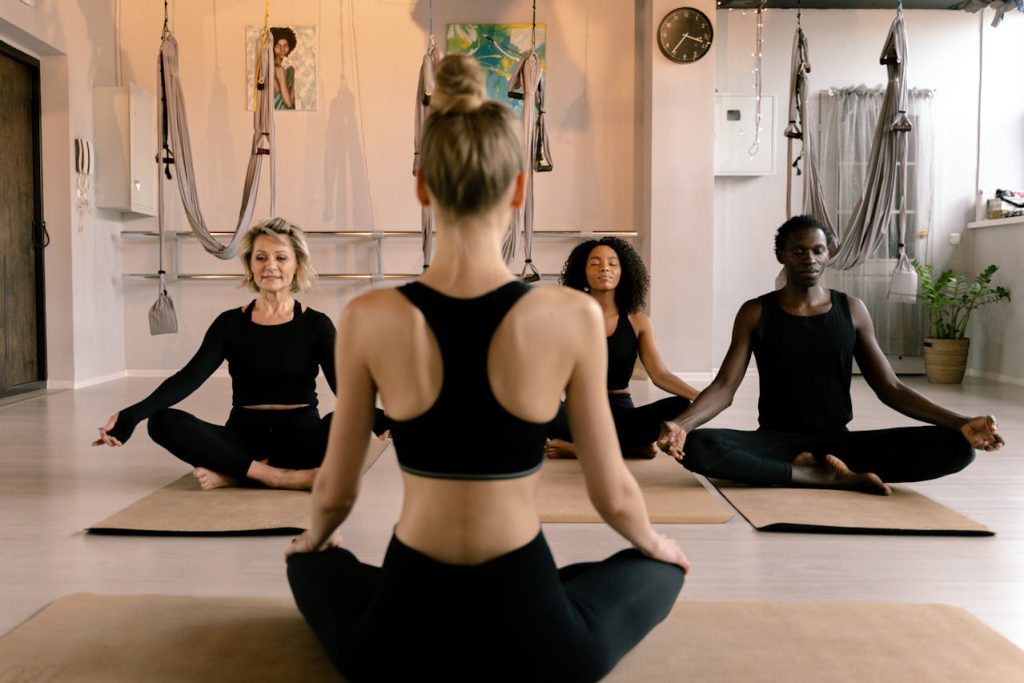
Mindfulness for stress and anxiety has become one of the most trusted and effective wellness practices for people seeking greater calm, emotional balance, and mental clarity. In today’s fast-paced world, it’s easy to feel overwhelmed by endless responsibilities, constant notifications, and the pressure to always stay productive.
When stress becomes chronic and anxiety starts affecting daily life, many people search for natural ways to regain control of their thoughts and emotions. Mindfulness offers a practical solution that doesn’t require complicated techniques or major lifestyle changes.
Rather than trying to eliminate difficult emotions, mindfulness teaches us how to observe them with awareness and compassion. Over time, this simple shift can transform how we respond to challenges, helping us navigate life with greater resilience and confidence.
At Mindfulness Meditation Hub, we help individuals develop sustainable mindfulness practices that support emotional well-being, self-awareness, and long-term personal growth.
Understanding Stress and Anxiety
Before exploring how mindfulness can help, it’s important to understand the difference between stress and anxiety.
Stress is typically a response to external pressures or challenges. It may arise from work deadlines, financial concerns, relationship issues, or major life transitions.
Anxiety, on the other hand, often involves persistent worry, fear, or nervousness that may continue even when a specific stressor is no longer present.
Common symptoms include:
- Racing thoughts
- Difficulty concentrating
- Irritability
- Muscle tension
- Fatigue
- Restlessness
- Sleep disturbances
- Feelings of overwhelm
While occasional stress and anxiety are normal, chronic symptoms can negatively impact physical and emotional health.

What Is Mindfulness?
The foundation of mindfulness for stress and anxiety is present-moment awareness.
Mindfulness involves paying attention to your thoughts, emotions, bodily sensations, and surroundings without judgment.
Instead of becoming trapped in worries about the future or regrets about the past, mindfulness encourages you to focus on what is happening right now.
This awareness creates space between experiences and reactions, allowing for more intentional responses rather than automatic habits.
Mindfulness can be practiced formally through meditation or informally during everyday activities such as walking, eating, or working.
Why Mindfulness Works for Stress and Anxiety
One of the primary reasons mindfulness for stress and anxiety is so effective is that it changes your relationship with difficult thoughts and emotions.
Many people instinctively resist stress or attempt to suppress anxious thoughts.
Unfortunately, this often increases emotional discomfort.
Mindfulness teaches a different approach.
Instead of fighting emotions, practitioners learn to:
- Notice them
- Accept their presence
- Observe them without judgment
- Allow them to pass naturally
This process helps reduce emotional reactivity and promotes greater psychological flexibility.
The Science Behind Mindfulness
Researchers have spent decades studying mindfulness and its effects on mental health.
Numerous studies suggest mindfulness practices may support:
Reduced Stress Levels
Mindfulness activates the body’s relaxation response and helps regulate the nervous system.
Improved Emotional Regulation
Practitioners often become better equipped to manage intense emotions without becoming overwhelmed.
Enhanced Focus and Attention
Mindfulness strengthens concentration by training the brain to remain present.
Better Sleep Quality
Reduced mental chatter often contributes to improved sleep and recovery.
Increased Self-Compassion
Mindfulness encourages kindness toward oneself during difficult experiences.
These benefits explain why mindfulness programs are now widely used in healthcare, education, and workplace wellness initiatives.
Practical Mindfulness Techniques You Can Use Today
Developing a mindfulness practice doesn’t have to be complicated.
Here are several effective techniques.
Mindful Breathing
Breathing awareness is one of the simplest mindfulness exercises.
Take a comfortable seat and focus on the natural rhythm of your breath.
Notice:
- The inhale
- The exhale
- Physical sensations associated with breathing
When your attention wanders, gently return it to your breath.
Body Scan Meditation
A body scan involves directing attention through different areas of the body.
This practice helps identify tension and promotes relaxation.
Mindful Observation
Choose an object and observe it carefully for a few minutes.
Pay attention to details you would normally overlook.
This exercise strengthens present-moment awareness.
Walking Meditation
Focus on the sensations of movement while walking.
Notice each step, your breathing, and the environment around you.
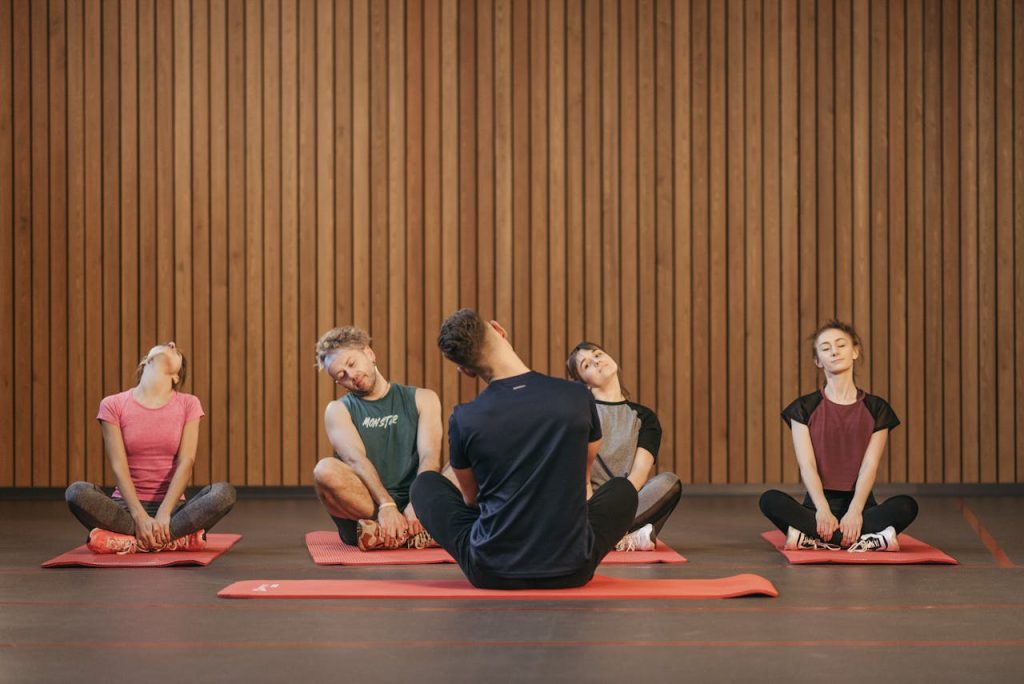
A Simple Daily Practice
One of the easiest ways to experience mindfulness for stress and anxiety is through a short daily exercise.
Five-Minute Mindfulness Meditation
Sit comfortably.
Close your eyes gently.
Take a slow breath in.
Exhale naturally.
Bring your attention to your breathing.
Notice each inhale and exhale without trying to control it.
When thoughts arise, simply acknowledge them and return your focus to your breath.
Practice for five minutes.
Consistency matters more than duration.
Even brief daily sessions can produce meaningful benefits over time.
Common Challenges Beginners Face
Many people encounter obstacles when starting mindfulness.
“I Can’t Stop Thinking”
This is perhaps the most common misconception.
Mindfulness is not about eliminating thoughts.
The goal is becoming aware of them.
Restlessness
It’s normal to feel uncomfortable sitting still initially.
With practice, the mind often becomes more settled.
Impatience
Many individuals expect immediate results.
Mindfulness develops gradually through consistent effort.
Self-Judgment
Avoid criticizing yourself when your attention wanders.
Returning your focus is part of the practice itself.
Bringing Mindfulness Into Everyday Life
The true power of mindfulness for stress and anxiety extends beyond meditation sessions.
You can incorporate mindfulness into daily activities.
Mindful Eating
Pay attention to flavors, textures, and sensations while eating.
Mindful Listening
Focus completely on conversations without planning your response.
Mindful Work
Pause periodically throughout the day to reconnect with your breathing.
Mindful Transitions
Take a few conscious breaths between tasks to reset your attention.
These simple habits help create a more mindful lifestyle.
Long-Term Benefits of Mindfulness Practice
Consistent mindfulness practice often produces benefits that extend far beyond stress management.
Over time, practitioners frequently report:
- Greater emotional resilience
- Improved relationships
- Enhanced self-awareness
- Better decision-making
- Increased patience
- Stronger focus
- Greater life satisfaction
These improvements often emerge gradually but can significantly enhance overall quality of life.
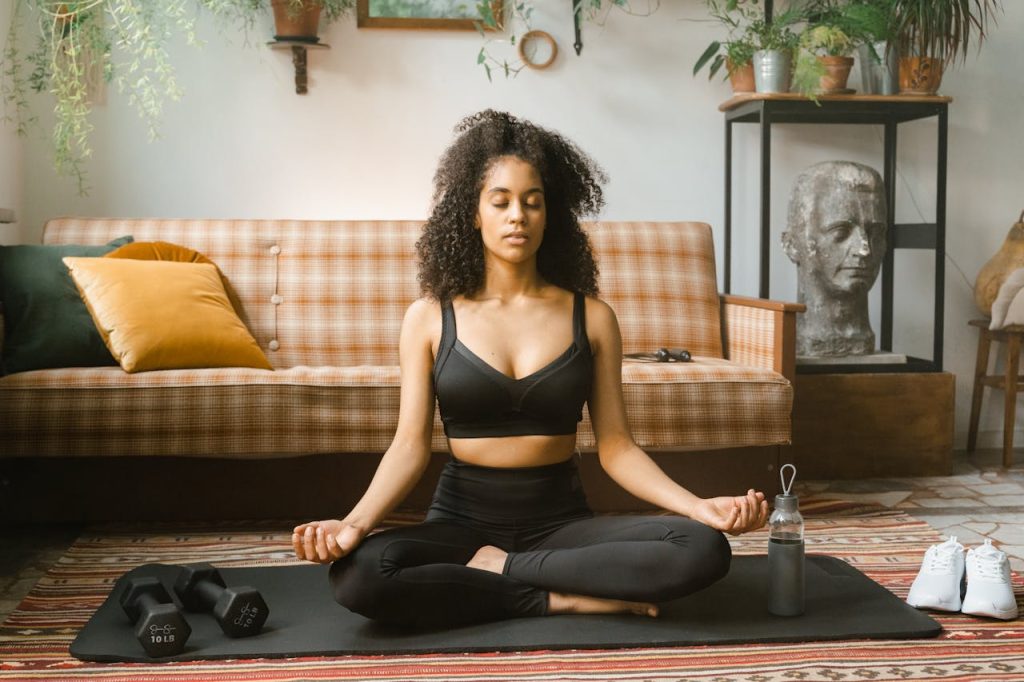
When Mindfulness Should Be Combined With Professional Support
While mindfulness for stress and anxiety can be highly effective, it is not a replacement for professional healthcare.
If symptoms become severe or interfere with daily functioning, seeking support from a qualified healthcare or mental health professional is essential.
Mindfulness works best as part of a comprehensive wellness strategy that may include:
Combining multiple approaches often produces the best outcomes.
Why Guided Mindfulness Programs Can Accelerate Results
Many individuals begin practicing mindfulness but struggle with consistency.
Guided programs provide:
- Structured learning
- Expert instruction
- Accountability
- Ongoing motivation
- Practical tools for daily life
At Mindfulness Meditation Hub, we offer resources designed to help people develop sustainable mindfulness habits that support emotional well-being and personal growth.
Whether you’re new to meditation or looking to deepen your practice, guided support can make the journey more effective and enjoyable.
Building a Sustainable Mindfulness Habit
Success with mindfulness often comes down to consistency rather than perfection.
Consider these strategies:
Start Small
Begin with five minutes per day.
Create a Routine
Practice at the same time each day.
Track Progress
Keep a journal to record observations and insights.
Stay Patient
Mindfulness is a lifelong skill that develops gradually.
Small efforts practiced consistently often produce the most meaningful results.
Final Thoughts
Mindfulness for stress and anxiety offers a practical and evidence-informed approach to navigating life’s challenges with greater awareness and resilience. Rather than eliminating difficult emotions, mindfulness teaches individuals how to respond thoughtfully instead of reacting automatically.
With regular practice, mindfulness can help reduce overwhelm, improve emotional balance, strengthen focus, and cultivate a greater sense of inner peace.
Start Your Mindfulness Journey Today
If you’re ready to experience the benefits of mindfulness for stress and anxiety, explore the guided meditations, mindfulness resources, and wellness programs available through Mindfulness Meditation Hub.
Our tools and expert guidance can help you build a sustainable practice that supports calm, resilience, emotional well-being, and lasting personal growth.
Related Topics
- What Is Mindfulness Meditation? Unlock Calm, Focus & Joy
- Mindfulness in Work: Boost Focus, Reduce Stress & Thrive
- Mindfulness Techniques Anxiety: Proven Ways to Calm Your Mind
- Mindfulness Examples That Bring Calm Into Daily Life
- What Is Mindfulness? A Complete Guide to Inner Peace and Focus
- Meditate Correctly: A Beginner-Friendly Guide to Mindfulness
- Mindfulness Stress Reduction Techniques to Calm Anxiety
- Living with Mindfulness: A Practical Guide to Daily Peace & Balance
- Mindfulness for Overthinking: How to Calm Your Mind
- Mindfulness Stress Relief: Reduce Anxiety and Find Inner Calm