
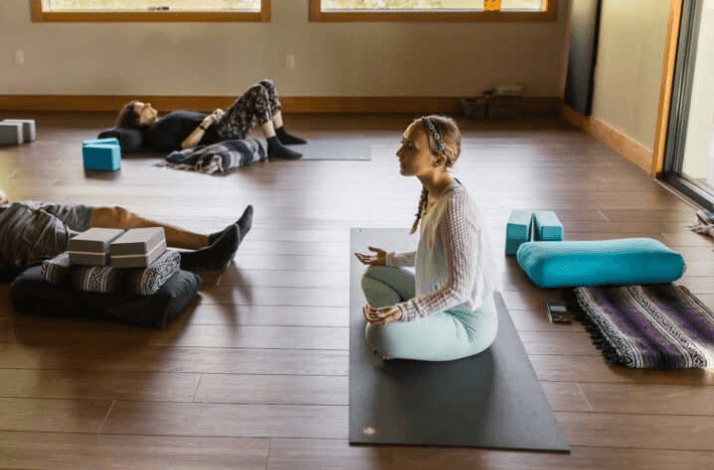
Teaching mindfulness is one of the most meaningful ways to help others improve their mental, emotional, and physical well-being. In today’s fast-paced world, people of all ages face constant distractions, increasing stress, and emotional overload. By introducing simple mindfulness practices, you can help children, students, employees, clients, or family members develop greater focus, emotional resilience, and inner calm.
Mindfulness isn’t about emptying the mind or avoiding life’s challenges. Instead, it teaches people how to become fully present, recognize their thoughts and emotions without judgment, and respond with greater awareness. These skills improve decision-making, strengthen relationships, and support long-term mental wellness.
At Mindfulness Meditation Hub, we believe mindfulness is a practical life skill that everyone can learn. Whether you’re an educator, coach, parent, healthcare professional, or simply someone who wants to support others, this guide will help you teach mindfulness with confidence and compassion.
What Is Teaching Mindfulness?
Teaching mindfulness involves guiding individuals to develop present-moment awareness through simple, intentional practices.
Rather than telling people how to think, mindfulness encourages them to observe their thoughts, emotions, and physical sensations with curiosity and acceptance.
The goal is to help people:
- Increase self-awareness.
- Improve emotional regulation.
- Reduce stress and anxiety.
- Strengthen concentration.
- Develop healthier relationships.
- Respond thoughtfully instead of reacting impulsively.
Mindfulness is a skill that improves with regular practice, making consistency more valuable than perfection.
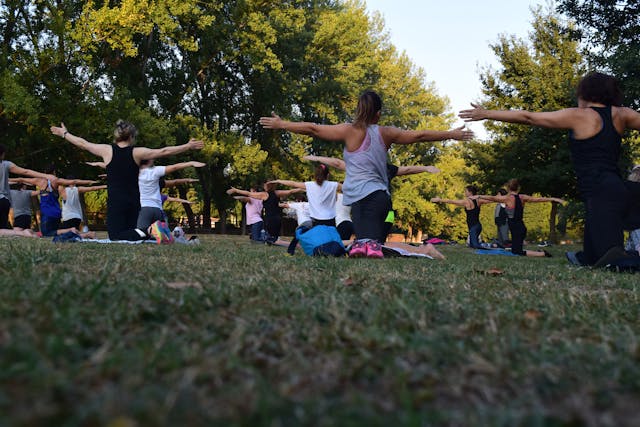
Why Mindfulness Education Matters
Modern life places enormous demands on attention and emotional health.
Many people spend their days multitasking, worrying about the future, or replaying past experiences.
Mindfulness provides practical tools for breaking this cycle.
When people practice mindfulness consistently, they often experience:
- Better emotional balance.
- Improved focus.
- Lower stress levels.
- Increased resilience.
- Healthier communication.
- Greater empathy.
- Stronger decision-making abilities.
These benefits make mindfulness valuable in schools, workplaces, healthcare settings, and everyday family life.
The Core Principles of Mindfulness
Before introducing techniques, it’s important to understand the foundations that support every mindfulness practice.
Present-Moment Awareness
Mindfulness teaches people to focus on what’s happening now instead of becoming trapped in past regrets or future worries.
The present moment is where meaningful change happens.
Non-Judgment
Many people criticize themselves whenever difficult thoughts or emotions appear.
Mindfulness encourages observation without labeling experiences as good or bad.
This compassionate approach reduces self-criticism while promoting emotional growth.
Acceptance
Acceptance doesn’t mean giving up.
It means recognizing reality before deciding how to respond.
People who practice acceptance often handle challenges with greater confidence and flexibility.
Curiosity
Approaching each experience with curiosity transforms learning.
Instead of asking, “Why am I failing?” mindfulness encourages questions like:
“What can I learn from this moment?”
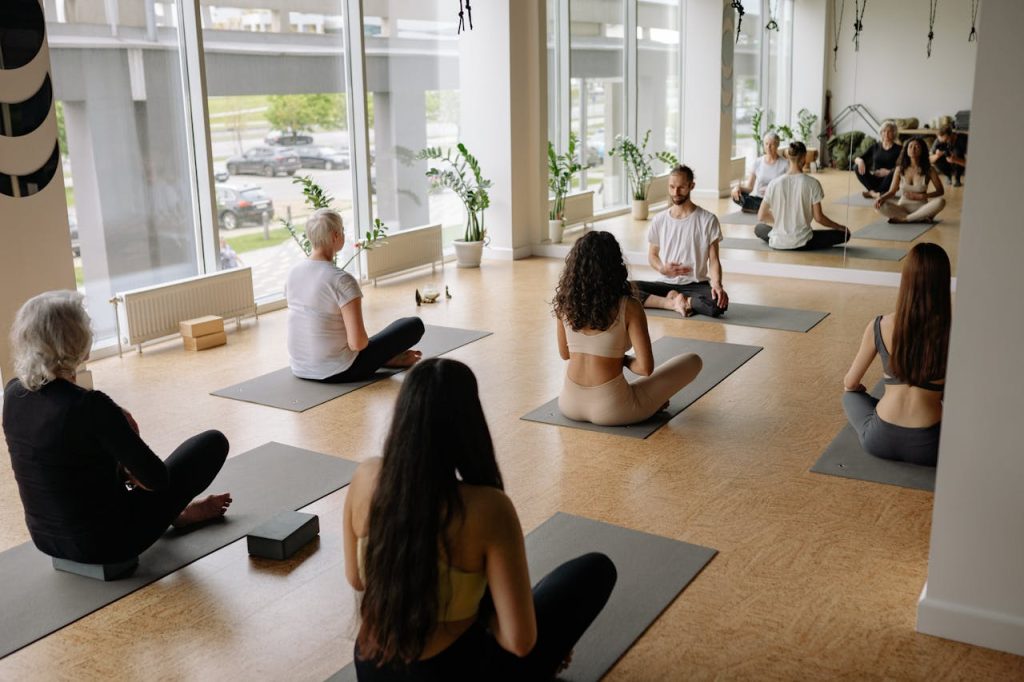
Effective Strategies for Teaching Mindfulness
Every learner is different.
The best instructors adapt mindfulness practices to individual needs while keeping exercises simple and engaging.
Begin with Mindful Breathing
Breathing exercises provide an easy starting point for beginners.
Guide participants to:
- Sit comfortably.
- Breathe slowly.
- Notice each inhale and exhale.
- Gently return attention whenever the mind wanders.
Even a few minutes can improve focus and relaxation.
Encourage Observation Without Judgment
Many beginners believe they’re failing because their minds wander.
Reassure them that wandering thoughts are completely normal.
The practice isn’t about stopping thoughts.
It’s about noticing them and gently returning attention.
Use Everyday Activities
Mindfulness doesn’t require sitting quietly for long periods.
Encourage mindful awareness during:
- Walking.
- Eating meals.
- Drinking tea or coffee.
- Washing dishes.
- Stretching.
- Listening to others.
These everyday experiences make mindfulness feel practical and achievable.
Keep Sessions Interactive
People learn best when they actively participate.
Invite discussions about:
- Emotional experiences.
- Personal observations.
- Daily challenges.
- Small successes.
- Practical applications.
Interactive learning builds confidence and encourages long-term practice.
Adapting Mindfulness for Different Groups
One of mindfulness’ greatest strengths is its flexibility.
Teaching Children
Children often respond well to playful exercises.
Examples include:
- Belly breathing.
- Mindful coloring.
- Nature observation.
- Listening games.
- Gratitude activities.
Keep sessions short, positive, and engaging.
Teaching Teenagers
Teenagers benefit from mindfulness techniques that help manage academic pressure, social stress, and emotional challenges.
Encourage journaling, breathing exercises, and mindful technology use.
Teaching Adults
Adults often appreciate practical applications they can immediately use.
Focus on:
- Workplace stress.
- Parenting challenges.
- Emotional regulation.
- Better communication.
- Work-life balance.
Connecting mindfulness to real-life situations increases motivation.

Common Challenges When Teaching Mindfulness
Every instructor encounters obstacles.
Understanding them helps create more successful learning experiences.
Expecting Immediate Results
Mindfulness develops gradually.
Encourage learners to celebrate consistency instead of perfection.
Overcomplicating the Practice
Simple instructions are often the most effective.
Avoid overwhelming beginners with too many techniques at once.
Judging Progress
Every person’s mindfulness journey is unique.
Avoid comparing learners or expecting identical experiences.
Inconsistent Practice
Mindfulness only becomes effective through regular repetition.
Encourage small daily habits rather than occasional long sessions.
Creating a Safe Learning Environment
Successful teaching mindfulness begins with creating an atmosphere where participants feel comfortable, respected, and supported.
Encourage openness without forcing anyone to share personal experiences.
Allow silence when needed, welcome questions, and remind learners that there is no “perfect” way to practice mindfulness.
When people feel psychologically safe, they become more willing to explore their thoughts, emotions, and experiences with honesty and curiosity.
Advanced Techniques for Teaching Mindfulness
Once learners become comfortable with basic breathing and awareness exercises, you can gradually introduce more advanced mindfulness practices. Expanding the variety of exercises keeps participants engaged while helping them deepen their understanding.
Body Scan Meditation
A body scan encourages individuals to bring gentle awareness to different parts of the body, noticing sensations without trying to change them.
This practice helps participants:
- Release physical tension.
- Improve body awareness.
- Reduce stress.
- Strengthen concentration.
It is especially effective at the beginning or end of a mindfulness session.
Mindful Walking
Walking meditation demonstrates that mindfulness isn’t limited to sitting quietly.
Invite learners to slow their pace and notice:
- The feeling of each foot touching the ground.
- Their breathing rhythm.
- Sounds in the environment.
- Physical sensations.
- The movement of their body.
This exercise makes mindfulness more accessible for people who struggle with seated meditation.
Loving-Kindness Meditation
Encourage participants to silently repeat compassionate phrases toward themselves and others.
For example:
- May I be happy.
- May I be healthy.
- May I live with peace.
Then gradually extend those wishes to family, friends, coworkers, and even people they find difficult.
This practice nurtures empathy, patience, and emotional resilience.
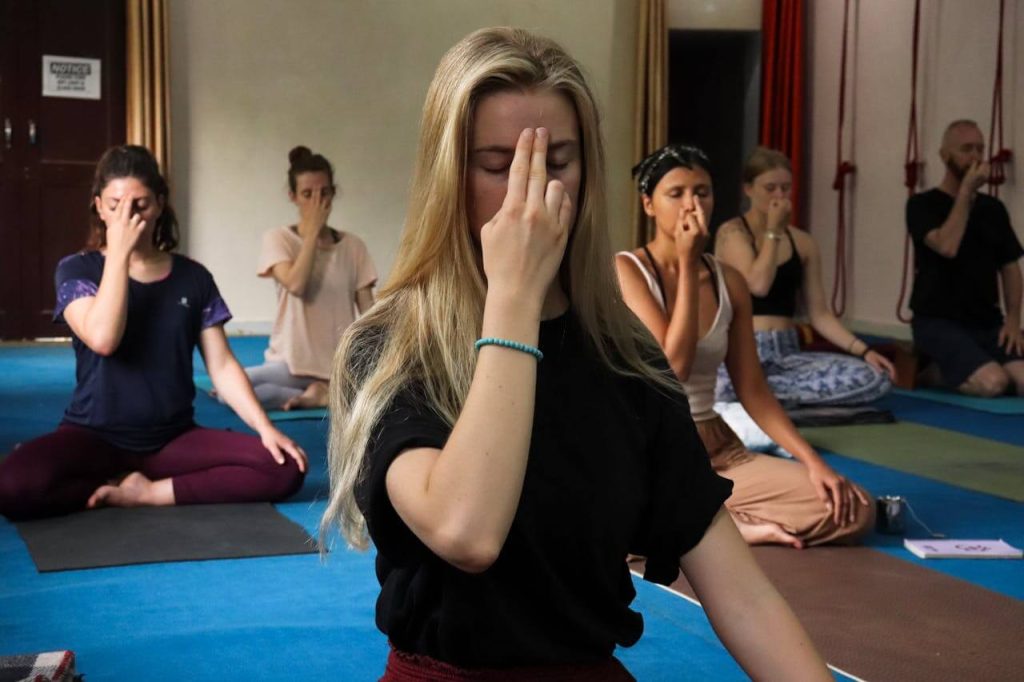
Helping Learners Build Consistency
One of the greatest challenges isn’t learning mindfulness—it’s maintaining the habit.
Encourage participants to start small.
Five to ten minutes each day is far more sustainable than committing to an hour and quickly giving up.
Helpful strategies include:
- Practicing at the same time every day.
- Setting calendar reminders.
- Pairing mindfulness with existing habits.
- Keeping a journal to track progress.
- Celebrating consistency rather than perfection.
These simple routines make teaching mindfulness more effective because learners experience steady improvement over time.
Measuring Progress Without Pressure
Unlike many other skills, mindfulness isn’t measured by grades or scores.
Instead, progress is reflected in daily life.
Encourage learners to notice changes such as:
- Feeling calmer during stressful situations.
- Recovering more quickly from setbacks.
- Listening more attentively.
- Becoming less reactive.
- Sleeping better.
- Feeling more emotionally balanced.
These real-world improvements are often the clearest signs of successful practice.
Common Myths About Mindfulness
Misunderstandings often discourage people from beginning mindfulness.
Myth 1: Mindfulness Means Emptying Your Mind
The goal isn’t to stop thinking.
Mindfulness teaches you to notice thoughts without becoming controlled by them.
Myth 2: Only Certain People Can Practice Mindfulness
Mindfulness benefits people of all ages and backgrounds.
Children, students, professionals, parents, and retirees can all develop this valuable skill.
Myth 3: Mindfulness Requires Hours Every Day
Even brief, consistent practice can produce meaningful long-term benefits.
Myth 4: Mindfulness Is Only for Stress Relief
While stress reduction is an important benefit, mindfulness also improves focus, communication, creativity, emotional intelligence, and decision-making.
Bringing Mindfulness into Everyday Life
The most effective mindfulness programs encourage learners to practice beyond structured sessions.
Simple everyday opportunities include:
- Eating meals without distractions.
- Listening fully during conversations.
- Taking mindful breathing breaks at work.
- Walking without checking a phone.
- Pausing before responding during disagreements.
- Reflecting on daily experiences before bed.
These habits gradually transform mindfulness from an occasional activity into a sustainable lifestyle.
How Mindfulness Meditation Hub Can Help
At Mindfulness Meditation Hub, we believe that mindfulness education should be practical, engaging, and accessible for everyone.
Whether you’re introducing mindfulness in a classroom, workplace, coaching practice, healthcare setting, or at home, our resources provide reliable guidance for every stage of the learning journey.
Our platform offers:
- Guided meditation sessions.
- Educational articles.
- Mindfulness exercises.
- Breathing techniques.
- Personal growth resources.
- Practical strategies for building lifelong habits.
Through expert guidance and evidence-informed practices, we help both instructors and learners develop confidence while making teaching mindfulness more effective and enjoyable.

Empower Others Through Mindfulness
Learning mindfulness has the power to transform lives, but sharing it with others can create an even greater impact. Every breathing exercise, mindful conversation, and moment of awareness helps individuals build healthier relationships with themselves and the world around them.
Successful teaching mindfulness is not about delivering perfect lessons. It is about creating supportive environments where people feel encouraged to slow down, observe their experiences, and develop lasting emotional resilience. By keeping your approach simple, compassionate, and consistent, you empower learners to apply mindfulness far beyond the classroom or meditation session.
At Mindfulness Meditation Hub, we’re committed to helping educators, coaches, professionals, and individuals build meaningful mindfulness practices that last. Through expert guidance, practical tools, and accessible resources, we make it easier to inspire positive change in every stage of life.
If you’re ready to deepen your own practice or confidently begin teaching mindfulness to others, explore our resources today. Together, we can help create calmer minds, healthier relationships, and more mindful communities—one moment of awareness at a time.
Related Topics
- Mindfulness Journey: Transform Your Life with Inner Peace
- Mindfulness Emotion: Transform Your Emotional Well-Being
- Mindfulness and Stress Management: Your Path to Lasting Calm
- Mindfulness Strategy: Transform Stress Into Lasting Calm
- Mindfulness for Stress and Anxiety: Reclaim Calm Naturally
- What Is Mindfulness Meditation? Unlock Calm, Focus & Joy
- Mindfulness in Work: Boost Focus, Reduce Stress & Thrive
- Mindfulness Techniques Anxiety: Proven Ways to Calm Your Mind
- Mindfulness Examples That Bring Calm Into Daily Life
- What Is Mindfulness? A Complete Guide to Inner Peace and Focus