
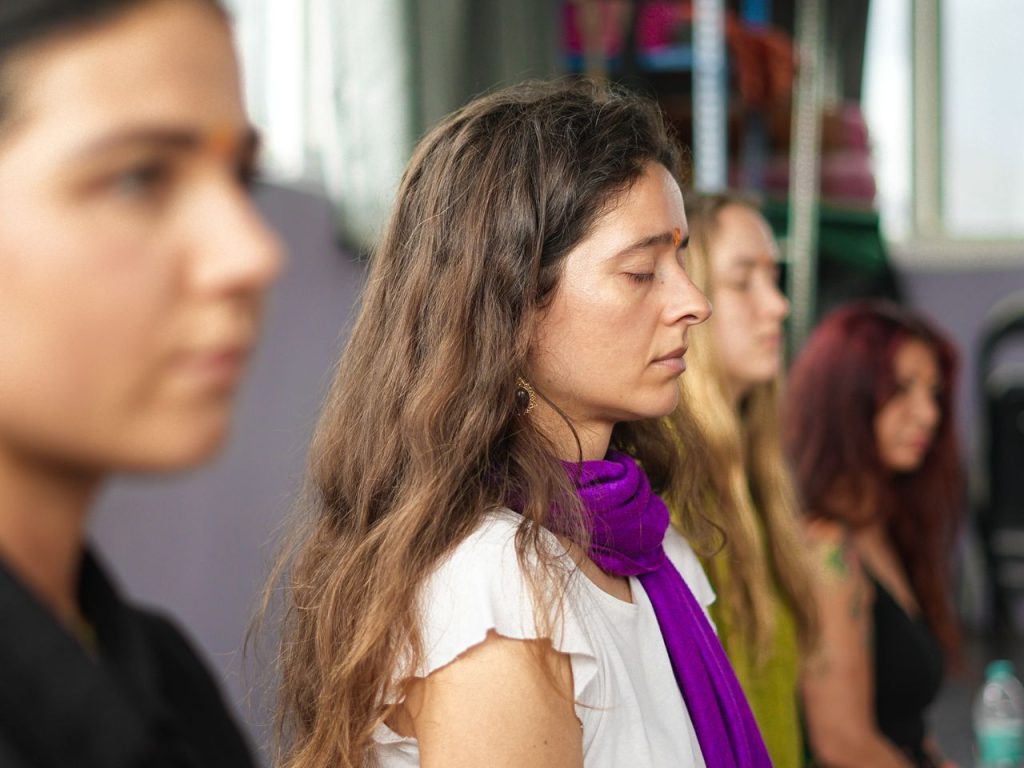
Discover how grieving meditation can help you process loss, calm overwhelming emotions, and find moments of peace during your healing journey.
Understanding Grief and the Need for Stillness
Loss can change everything in an instant. Whether you are grieving the death of someone you love, the end of a relationship, a major life change, or another deeply personal loss, grief can affect your thoughts, emotions, body, and daily routines.
There is no single correct way to grieve.
Some days may feel manageable, while others can bring waves of sadness, anger, confusion, guilt, loneliness, or even numbness. Many people also discover that grief does not move in a straight line. Instead, emotions may come and go unexpectedly.
This is where grieving meditation can become a gentle and supportive practice.
Meditation cannot remove loss or make painful emotions disappear. However, it can create a quiet space where you can acknowledge what you are feeling without immediately trying to fix, suppress, or escape it.
At MindfulnessMeditationHub.com, we provide practical resources, exercises, and mindfulness techniques to help you explore these practices and incorporate them into your daily life. Whether you are new to meditation or have been practicing for years, you will find resources designed to support your personal mindfulness journey.
The purpose is not to “get over” grief. Instead, mindfulness can help you learn how to sit with difficult emotions with greater awareness, compassion, and patience.

What Is Grieving Meditation?
Grieving meditation is a mindfulness-based practice designed to create space for the emotions and experiences connected to loss.
Rather than forcing yourself to feel positive or trying to stop painful thoughts, the practice encourages you to notice what is happening within you in the present moment.
You might observe:
- Sadness or tears
- Anger or frustration
- Feelings of emptiness
- Physical tension
- Memories of the person or situation
- Fear about the future
- Feelings of love and longing
- Moments of peace or gratitude
All of these experiences can be part of the grieving process.
Meditation offers an opportunity to pause and become aware of these emotions without judging yourself for having them. You do not need to meditate perfectly, remain calm the entire time, or feel peaceful when you begin.
Sometimes, meditation during grief simply means sitting quietly and acknowledging, “This is what I am feeling right now.”
That awareness alone can be meaningful.
Why Meditation Can Support the Grieving Process
Grief often creates mental and emotional overload. Thoughts may repeat constantly. Memories may appear unexpectedly. Sleep can become difficult, and everyday responsibilities can feel overwhelming.
Mindfulness practices may help create small moments of stability during emotionally challenging periods.
Meditation Encourages Emotional Awareness
Many people instinctively try to avoid painful emotions. This response is understandable. However, constantly resisting sadness, fear, or anger can sometimes create additional emotional tension.
Meditation encourages observation rather than immediate resistance.
For example, instead of thinking:
“I should not be feeling this way.”
You might gently recognize:
“I am experiencing sadness right now.”
This small shift can reduce self-judgment and create more emotional acceptance.
It Creates Space Between Thoughts and Reactions
Grief can trigger powerful thoughts and emotional reactions.
You may find yourself replaying conversations, questioning past decisions, or worrying about what life will look like in the future.
Mindfulness teaches you to notice thoughts without automatically believing every thought or reacting immediately.
This does not mean ignoring reality. Instead, it can help you develop a calmer relationship with your internal experience.
It Encourages Self-Compassion
People who are grieving are often surprisingly hard on themselves.
You may believe you should be healing faster, functioning better, or handling your emotions differently.
Meditation can become a reminder that grief is a human experience.
Self-compassion practices may include silently repeating phrases such as:
- May I be patient with myself.
- May I allow myself to feel what I feel.
- May I find strength during difficult moments.
- May I give myself permission to heal in my own time.
These statements are not designed to eliminate grief. They are reminders that you deserve kindness while moving through it.
How Grief Affects the Mind and Body
Grief is not only emotional. It can also affect the body.
During periods of loss, some people experience:
- Difficulty sleeping
- Changes in appetite
- Fatigue
- Muscle tension
- Restlessness
- Difficulty concentrating
- Headaches or physical discomfort
- Changes in energy levels
Everyone experiences grief differently, and there is no universal timeline.
Mindfulness meditation may help you become more aware of the connection between your emotional state and physical sensations.
For example, sadness might feel like heaviness in your chest. Anxiety may feel like tightness in your stomach. Stress may appear as tension in your shoulders.
Simply noticing these sensations can help you reconnect with your body in a compassionate way.

A Simple Grieving Meditation Practice for Beginners
You do not need a special meditation room, expensive equipment, or years of experience to begin.
Try the following simple practice when you have a few quiet minutes.
Step 1: Find a Comfortable Space
Sit in a chair, on the floor, or somewhere you feel physically supported.
You do not need to sit in a perfect meditation position. Comfort is more important than posture.
If closing your eyes feels uncomfortable, keep them softly focused on a point in front of you.
Step 2: Take a Few Natural Breaths
Do not force your breathing.
Simply notice the natural rhythm of each inhale and exhale.
You might quietly observe:
“Inhaling.”
“Exhaling.”
Allow your breathing to remain natural.
Step 3: Notice What You Are Feeling
Bring gentle awareness to your emotional experience.
Ask yourself:
“What am I feeling right now?”
You may notice sadness, anger, numbness, confusion, or several emotions at once.
There is no need to change the answer.
Just notice.
Step 4: Name the Emotion Gently
If it feels helpful, silently name the emotion.
For example:
“This is sadness.”
“This is longing.”
“This is pain.”
“This is uncertainty.”
Naming emotions can sometimes make overwhelming feelings feel more understandable and less chaotic.
Step 5: Offer Yourself Compassion
Place a hand over your heart or somewhere that feels comforting.
Then repeat a gentle phrase:
“It is okay to feel this.”
“I do not have to rush my healing.”
“I can take this one moment at a time.”
Stay with your experience for several breaths.
Step 6: Return Slowly to the Present
When you are ready, notice your surroundings.
Feel your feet on the floor.
Listen to the sounds around you.
Take one deeper breath and gently continue with your day.
This practice may take five minutes or twenty minutes. There is no required duration.
When Grief Feels Too Overwhelming During Meditation
Meditation is not always relaxing.
Sometimes sitting quietly can make emotions feel more intense because there are fewer distractions.
If that happens, it is okay to stop.
You can try grounding yourself by:
- Opening your eyes
- Looking around the room
- Taking a short walk
- Holding a comforting object
- Drinking water
- Listening to calming sounds
- Talking with someone you trust
- Focusing on physical sensations around you
A mindfulness practice should never become another reason to pressure yourself.
You are allowed to adjust the practice based on what you need.
Using Breath Awareness During Loss
The breath is often one of the simplest anchors available during difficult moments.
You do not need to control it.
Instead, simply notice it.
Try this exercise:
- Notice the beginning of an inhale.
- Feel the breath move through your body.
- Notice the natural pause.
- Follow the exhale.
- Repeat for several breaths.
When your mind moves toward painful memories or future worries, gently return your attention to breathing.
The goal is not to stop thinking.
Thoughts will continue to appear.
Meditation simply gives you something steady to return to.

Loving-Kindness Meditation for Grief
Loving-kindness meditation can be particularly meaningful when you are experiencing loss.
This practice focuses on compassion, care, and emotional connection.
You can begin by directing kind wishes toward yourself.
Try repeating:
“May I be gentle with myself.”
“May I find moments of peace.”
“May I have the strength to move through this difficult time.”
If appropriate and comfortable, you may also direct loving thoughts toward the person you are grieving.
For example:
“May you be at peace.”
“Thank you for the love we shared.”
“May I carry the meaningful memories with me.”
There is no right way to personalize these phrases.
The most important thing is that the words feel emotionally authentic to you.
Can Meditation Help You Feel Connected to Someone You Lost?
For many people, memories and emotional connections remain an important part of the grieving experience.
Meditation can provide quiet time to reflect on meaningful memories, feelings of love, gratitude, and the impact someone had on your life.
You might remember:
- A meaningful conversation
- A shared experience
- Something they taught you
- A moment that made you laugh
- A quality you admired
This type of reflection does not require you to avoid sadness.
Love and grief often exist together.
You may feel gratitude and pain at the same time.
That emotional complexity is completely human.
Creating a Daily Meditation Routine While Grieving
Consistency can sometimes provide a sense of stability when life feels unpredictable.
However, avoid putting pressure on yourself to meditate for long periods every day.
Start small.
A Simple Daily Routine Could Look Like This:
Morning:
Spend five minutes noticing your breath before starting the day.
Afternoon:
Take a short mindful pause and notice how you are feeling.
Evening:
Practice a few minutes of reflection, gratitude, or self-compassion.
Some days, you may feel ready to meditate.
Other days, you may not.
Both are okay.
A sustainable mindfulness practice is flexible.
Common Misconceptions About Meditation and Grief
“Meditation Should Make Me Stop Feeling Sad”
Meditation is not designed to erase emotions.
Instead, it can help you develop a healthier relationship with difficult emotions.
Feeling sadness does not mean you are doing meditation incorrectly.
“I Need to Clear My Mind”
You do not need to stop thinking.
Meditation involves noticing when your mind wanders and gently returning your attention to the present moment.
“I Should Feel Peaceful Every Time”
Some meditation sessions may feel calming.
Others may feel emotional, restless, or difficult.
Every experience is different.
“I Have to Meditate for a Long Time”
Even five minutes can be meaningful.
Short practices are often easier to maintain, especially during emotionally demanding periods.
Additional Mindfulness Practices That May Support Healing
Meditation is only one mindfulness tool.
You may also benefit from combining it with other gentle practices.
Mindful Walking
Walk slowly and pay attention to:
- Your footsteps
- The feeling of the ground beneath you
- The movement of your body
- Sounds around you
- The air against your skin
Mindful walking can be helpful when sitting still feels difficult.
Journaling After Meditation
After meditating, write down what you noticed.
You might ask:
- What emotions came up?
- What thoughts repeated themselves?
- What does my body need today?
- What would self-compassion look like right now?
You do not need to write perfectly.
The goal is honest reflection.
Mindful Breathing Breaks
Throughout the day, pause for three slow, natural breaths.
These small moments can help bring your attention back to the present.
How to Make Grieving Meditation Part of Your Healing Journey
Grieving meditation works best when viewed as a supportive practice rather than a solution that promises to remove pain.
Grief has its own rhythm.
There may be progress, setbacks, quiet days, and emotionally intense moments.
Meditation can become one place where you allow yourself to be present without demanding that you feel differently.
Start with realistic expectations.
Try five minutes.
Choose a comfortable environment.
Use guided meditation if silence feels difficult.
Most importantly, practice patience with yourself.
Healing is rarely about forgetting. Often, it involves learning how to continue living while carrying love, memories, and experiences forward in a new way.
When to Seek Additional Support
Mindfulness can be a valuable personal wellness practice, but it is not a replacement for professional mental health care.
If grief feels overwhelming or significantly affects your ability to function, consider reaching out to a qualified healthcare or mental health professional.
Additional support may also be helpful if you are experiencing persistent distress or feel unable to cope safely on your own.
Seeking support is not a sign of weakness.
It can be an important part of caring for yourself.
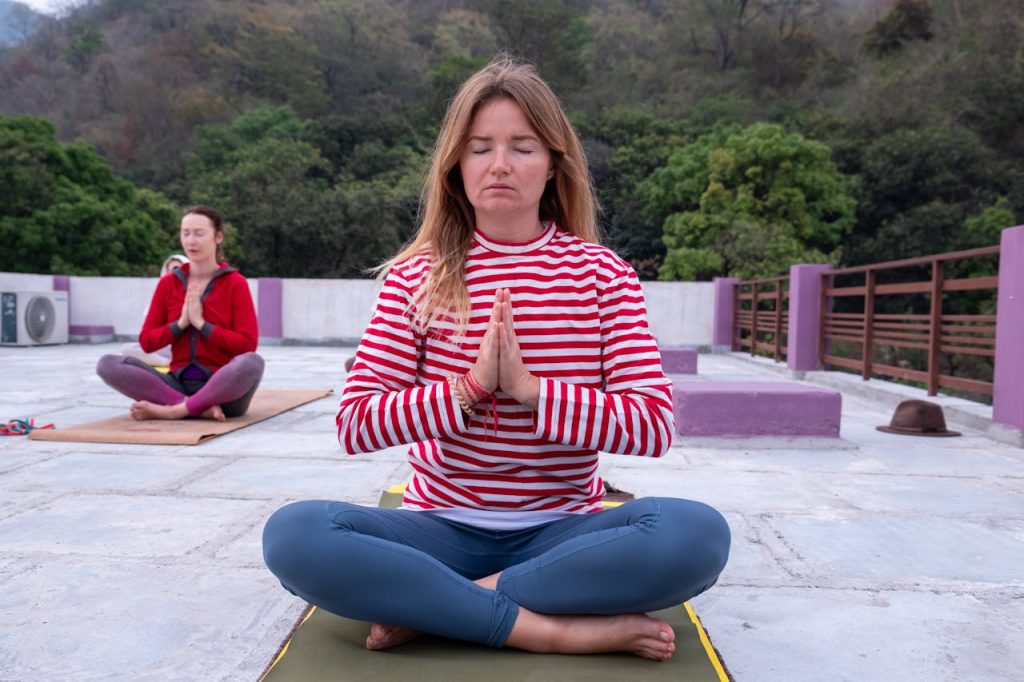
Finding Small Moments of Peace, One Breath at a Time
Grieving meditation is not about rushing through loss or pretending painful emotions do not exist.
It is about creating moments of awareness in the middle of a difficult experience.
Some days, that may mean sitting quietly for ten minutes.
Other days, it may simply mean taking one conscious breath and reminding yourself that you are allowed to feel what you feel.
At MindfulnessMeditationHub.com, we believe mindfulness should be practical, approachable, and adaptable to real life. Our resources, exercises, and meditation techniques are designed to help you explore mindfulness in ways that feel meaningful and sustainable.
Whether you are beginning your meditation journey or looking to deepen an existing practice, you can explore practical mindfulness tools that support greater awareness, self-compassion, and presence.
Take your healing one moment at a time.
You do not have to have all the answers today.
Sometimes, the next breath is enough.
Related Topics
- Calm Coloring: Simple Mindfulness for Stress Relief
- Teaching Mindfulness: Transform Lives with Simple Practices
- Mindfulness Tip: 10 Simple Habits for a Calmer Mind
- Emotional Mindfulness: Master Your Emotions with Ease
- Mindfulness Journey: Transform Your Life with Inner Peace
- Mindfulness Emotion: Transform Your Emotional Well-Being
- Mindfulness and Stress Management: Your Path to Lasting Calm
- Mindfulness Strategy: Transform Stress Into Lasting Calm
- Mindfulness for Stress and Anxiety: Reclaim Calm Naturally
- What Is Mindfulness Meditation? Unlock Calm, Focus & Joy