
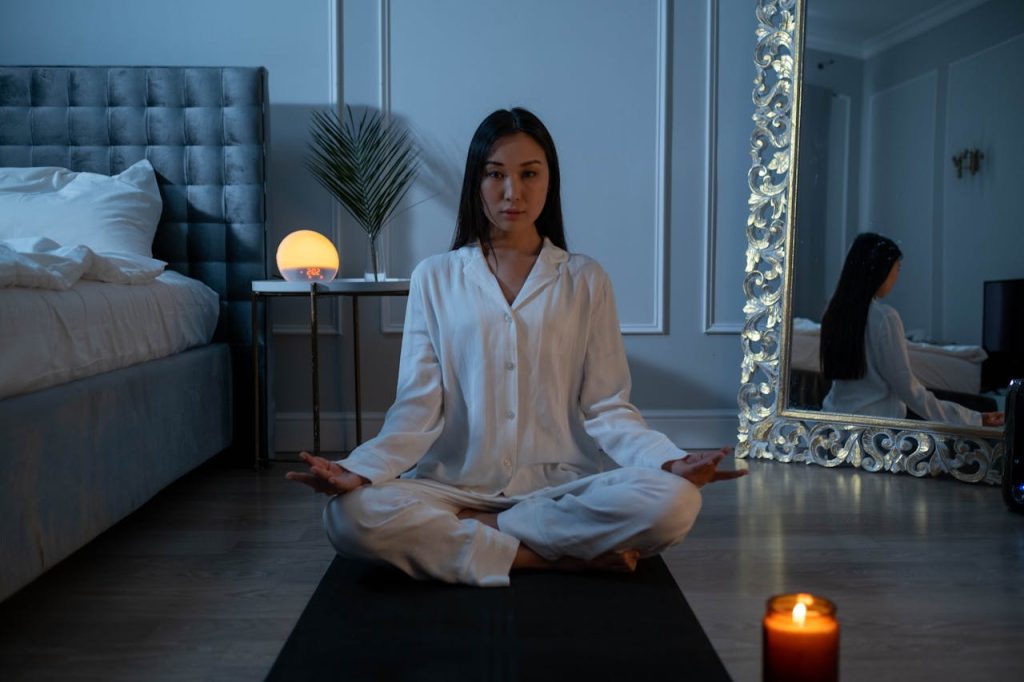
Guided body scan meditation is one of the most effective mindfulness practices for reducing stress, improving body awareness, and promoting deep relaxation. Unlike other meditation techniques that focus solely on the breath or thoughts, this practice gently brings attention to each part of the body, helping you reconnect with physical sensations and release built-up tension.
In a world where stress is constant and many people live disconnected from their bodies, this practice offers a simple yet powerful way to slow down and reset. Whether you’re struggling with anxiety, poor sleep, or everyday tension, learning this technique can help restore balance to both mind and body.
At Mindfulness Meditation Hub, we guide individuals through practical mindfulness techniques designed to support emotional well-being, stress reduction, and inner calm. This practice is one of the foundational tools we recommend for beginners and experienced practitioners alike.
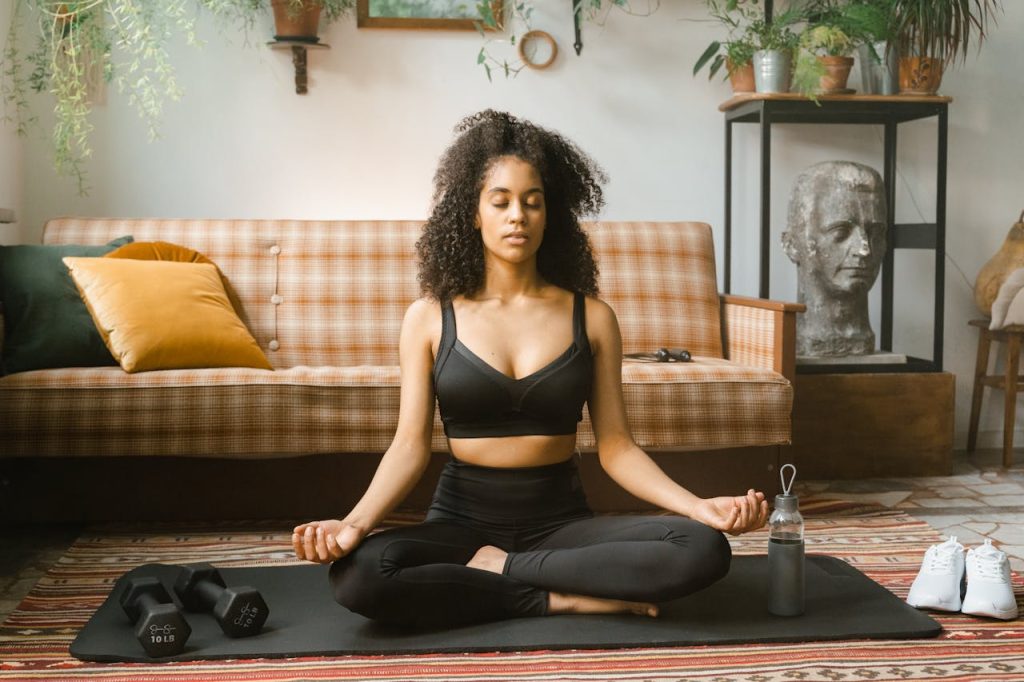
What Is Guided Body Scan Meditation?
Guided body scan meditation is a mindfulness technique where attention is systematically moved through different parts of the body. You may start at the head and slowly move down to the toes, or vice versa, noticing sensations without judgment.
The purpose is not to change anything, but to observe:
- Areas of tension
- Physical discomfort
- Warmth or relaxation
- Tingling or pressure
- Natural breathing rhythms
By observing the body with awareness, you begin to release stress stored in muscles and develop a deeper mind-body connection.
Why This Practice Matters More Than Ever
Modern lifestyles often disconnect us from physical awareness. Long hours of sitting, screen exposure, and mental overload make it easy to ignore how the body actually feels.
Practicing guided body scan meditation helps restore that connection.
Benefits include:
- Reduced physical tension
- Improved emotional regulation
- Better stress management
- Increased body awareness
- Enhanced sleep quality
- Lower anxiety levels
- Greater mindfulness in daily life
This makes it one of the most accessible and scientifically supported mindfulness practices available today.
How Guided Body Scan Meditation Works
The process is simple but deeply effective. During a guided body scan meditation, you are led through a structured awareness journey across your body.
Here’s how it typically works:
Step 1: Find a Comfortable Position
You can lie down or sit in a relaxed position where your body feels supported.
Step 2: Focus on Your Breath
Begin by taking slow, deep breaths to settle your mind.
Step 3: Move Attention Slowly
A guide will direct your awareness to different areas:
- Head and face
- Neck and shoulders
- Arms and hands
- Chest and abdomen
- Legs and feet
Step 4: Observe Without Judgment
You simply notice sensations without trying to fix or analyze them.
Step 5: Release Tension
With awareness, your body naturally begins to relax.
Key Benefits of Guided Body Scan Meditation
This practice offers both physical and mental health benefits.
Physical Benefits
- Releases muscle tension
- Reduces headaches and fatigue
- Improves sleep quality
- Supports nervous system balance
Mental Benefits
- Reduces stress and anxiety
- Improves focus and clarity
- Encourages emotional stability
- Helps manage overthinking
Emotional Benefits
- Builds self-awareness
- Encourages self-compassion
- Supports emotional healing
- Enhances mindfulness in daily life
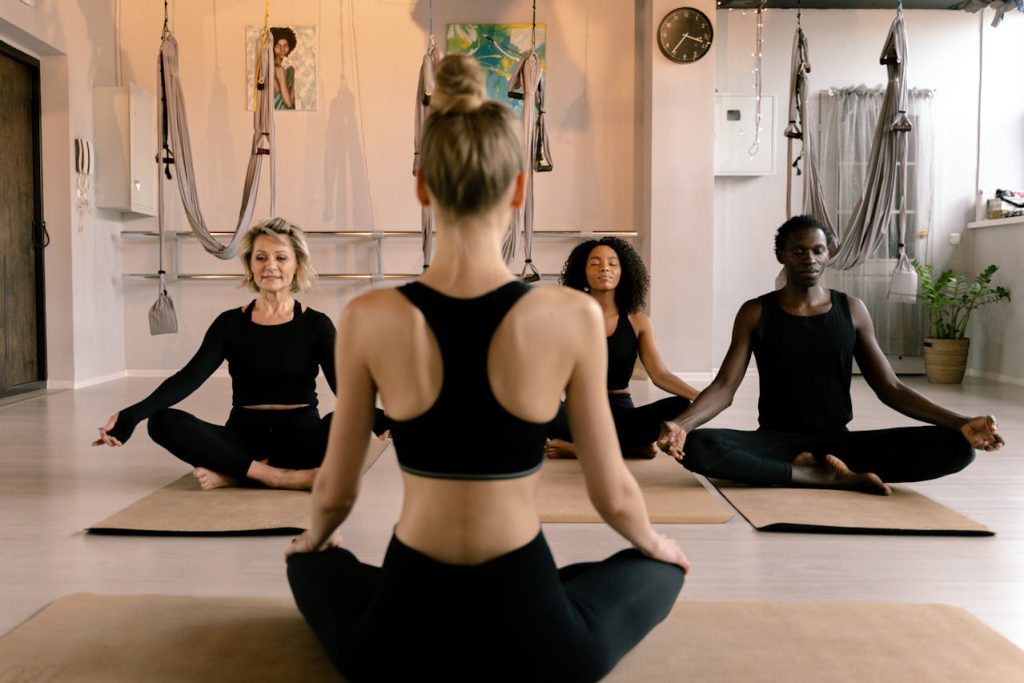
Common Mistakes Beginners Should Avoid
Many beginners think they are “doing it wrong” when practicing meditation. In reality, there is no perfect way to experience mindfulness.
Here are common mistakes to avoid:
- Trying to force relaxation
- Judging sensations as good or bad
- Expecting instant results
- Getting frustrated with distractions
- Rushing through the practice
A guided body scan meditation is not about perfection—it is about awareness.
Best Times to Practice
You can practice anytime, but certain moments are especially effective:
- Before going to sleep
- After waking up
- During stressful breaks at work
- After physical exercise
- During anxiety or overwhelm
Even 10–20 minutes can create noticeable improvements in relaxation and focus.
How It Supports Stress Relief
One of the main reasons people practice guided body scan meditation is stress reduction. Stress often accumulates in the body as tight muscles, shallow breathing, and restlessness.
This practice helps by:
- Activating the relaxation response
- Slowing heart rate and breathing
- Reducing cortisol levels
- Releasing physical tension
- Creating mental space from stressors
Over time, your body learns to return to calm more easily.
Guided vs Self-Practice Body Scanning
There are two main ways to practice:
Guided Practice
- Led by a teacher or audio recording
- Easier for beginners
- Helps maintain focus
- Provides structure and support
Self-Guided Practice
- Done independently
- Requires experience and focus
- Allows flexibility
- Deepens personal mindfulness skills
Most beginners benefit from starting with guided body scan meditation before moving into independent practice.
How Mindfulness Meditation Hub Supports Your Practice
At Mindfulness Meditation Hub, we specialize in helping individuals build sustainable mindfulness habits through guided practices, educational content, and meditation resources.
Our guided body scan meditation sessions are designed to:
- Reduce stress and anxiety
- Improve sleep and relaxation
- Strengthen emotional awareness
- Build long-term mindfulness habits
We focus on simple, accessible techniques that anyone can integrate into daily life, regardless of experience level.
Tips for a Deeper Experience
To get the most out of your practice:
- Practice in a quiet environment
- Use headphones for better focus
- Keep your body relaxed and supported
- Avoid multitasking during meditation
- Be consistent rather than perfect
- Stay patient with your progress
Consistency is what transforms this simple technique into a powerful lifestyle habit.
Integrating It Into Daily Life
You don’t need a formal meditation session every time. You can bring awareness into everyday moments:
- Notice tension while working
- Check in with your body during breaks
- Relax shoulders while walking
- Observe breathing during stress
These micro-practices extend the benefits of guided body scan meditation throughout your entire day.
When You Start Noticing Results
Most people begin noticing benefits within a few days or weeks of consistent practice. These changes may include:
- Feeling calmer under pressure
- Better sleep quality
- Reduced physical tension
- Increased awareness of emotions
- Improved focus and patience
The effects grow stronger over time with regular practice.
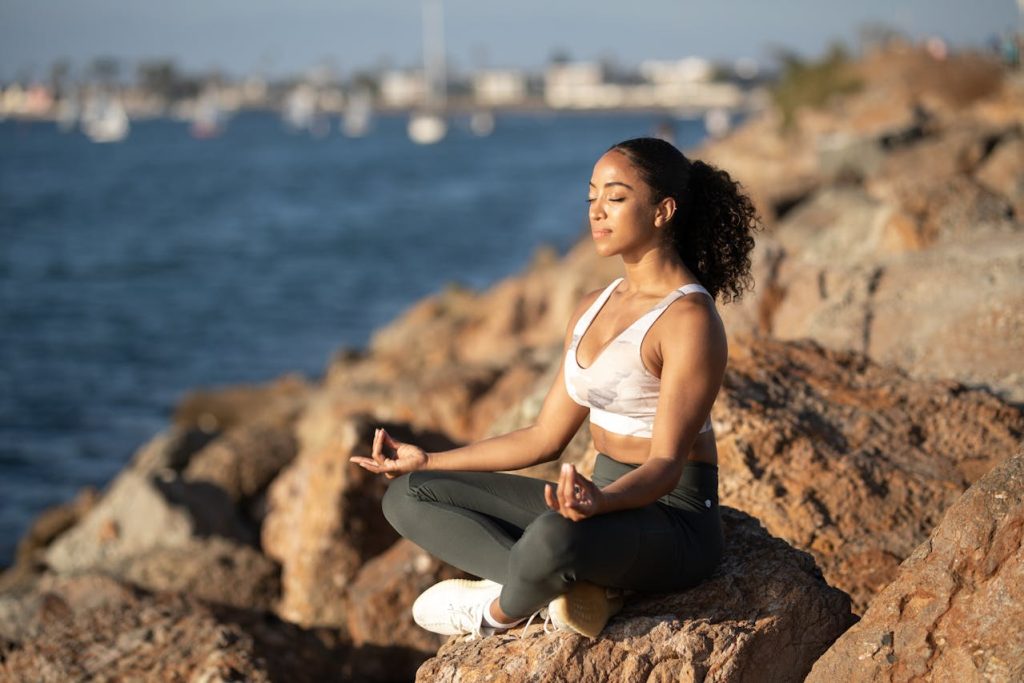
Final Thoughts
Guided body scan meditation is a simple yet powerful way to reconnect with your body, release stress, and build a deeper sense of mindfulness in everyday life. It doesn’t require special skills or long hours—just consistency and willingness to observe.
At Mindfulness Meditation Hub, we encourage you to explore this practice as part of your personal mindfulness journey. With regular practice, you can create a calmer mind, a more relaxed body, and a more balanced life.
Start today with just a few minutes of awareness—and allow your body and mind to reset naturally.
Related Topics
- Meditation Facts That Will Transform Your Mind and Life
- Meditation for Stress Management: Find Calm in a Busy Life
- Meditation for Severe Anxiety: Find Lasting Calm & Relief
- Jon Kabat Zinn Meditation: Transform Stress Into Lasting Calm
- Loving Kindness Meditation Script for Deep Healing & Peace
- What Is Mindfulness Meditation? Unlock Calm, Focus & Joy
- Scripts for Meditation: Powerful Guides for Inner Peace
- Love and Kindness Meditation Script for Deep Inner Peace
- Loving Compassion Meditation: Cultivate Peace & Kindness
- Loving Kindness Meditation: A Practical Guide to a Kinder Mind