

Discover how to live in gratitude with simple mindfulness practices, daily habits, and practical exercises that can bring more joy and peace.
It is often described as the practice of appreciating what we have. Yet, genuine it is much more than saying “thank you” or making a list of things we appreciate. It is a way of paying attention to life, recognizing ordinary moments of goodness, and developing a deeper awareness of what is already present.
Learning how to live in gratitude can change the way you experience everyday life. It does not mean ignoring difficult emotions, pretending everything is perfect, or forcing yourself to feel positive when you are struggling. Instead, it invites you to notice both the challenges and the meaningful moments that exist alongside them.
At MindfulnessMeditationHub.com, we provide practical resources, exercises, and mindfulness techniques to help you explore these practices and incorporate them into your daily life. Whether you are new to meditation or have been practicing for years, our resources are designed to support your personal mindfulness journey.
What Does It Really Mean to Live With Gratitude?
Living with gratitude means developing a consistent awareness of the people, experiences, opportunities, and simple moments that add value to your life.
It is different from occasional gratitude. You might feel grateful when someone helps you, receive good news, or experience a beautiful moment. A gratitude-centered lifestyle goes further by making appreciation part of your everyday awareness.
For example, instead of only appreciating a peaceful morning when everything is going well, you might notice:
- The warmth of your morning coffee
- A supportive conversation with a friend
- Having a safe place to rest
- The opportunity to learn something new
- A few quiet minutes before a busy day
- Your ability to enjoy nature
- A kind gesture from another person
These observations may seem small, but paying attention to them can encourage a more mindful relationship with everyday life.
It is also not about comparing your life with someone else’s. In fact, comparison can make appreciation more difficult. The goal is to recognize what is meaningful in your own experience.

Why Is Gratitude So Powerful?
It can influence the way we direct our attention. When your mind constantly focuses on problems, mistakes, or what is missing, those things can dominate your awareness.
A gratitude practice creates an intentional opportunity to notice what is going well.
Research into gratitude has explored its relationship with psychological well-being, positive emotions, relationships, and life satisfaction. While gratitude should not be viewed as a cure for mental health conditions, practicing appreciation can be one useful component of a broader approach to emotional well-being.
The most important benefit may be that gratitude encourages you to pause.
Instead of automatically moving from one task to the next, you create a moment to ask:
What is meaningful about this moment?
That question can transform an ordinary experience into an opportunity for mindfulness.
How to Live in Gratitude Without Forcing Positivity
One of the biggest misconceptions about gratitude is that you must always feel positive.
You do not.
You can be disappointed and grateful. You can feel tired and grateful. You can experience uncertainty while still appreciating the people, opportunities, or small comforts around you.
This distinction matters because forced positivity can feel unrealistic.
Suppose you are having a difficult day at work. Telling yourself, “I should not feel stressed because I have so much to be grateful for,” dismisses your genuine experience.
A healthier approach might be:
“Today has been difficult, and I am also grateful that I have someone I can talk to.”
Both statements can be true.
This is where mindfulness and it work particularly well together. Mindfulness encourages you to acknowledge your present experience without immediately judging it. Gratitude then helps you identify something meaningful within that experience.
Start With a Daily Gratitude Practice
You do not need an elaborate routine to develop gratitude. Consistency is usually more valuable than complexity.
Start with five minutes a day.
The Three-Things Practice
At the beginning or end of each day, identify three things you appreciate.
They can be significant:
- A loving relationship
- Good health
- A meaningful career opportunity
Or incredibly ordinary:
- A good meal
- A comfortable bed
- Sunshine through the window
- A funny conversation
Try to be specific.
Instead of writing:
“I am grateful for my family.”
Try:
“I am grateful that my sister called today and made me laugh when I needed it.”
Specificity makes the exercise more personal and helps you pay closer attention to your experiences.
The Gratitude Journal Method
It is a journal provides a physical or digital space for recording what you appreciate.
You could write once a day, several times a week, or whenever you feel inspired.
Consider answering one of these prompts:
- What made me smile today?
- Who supported me recently?
- What ordinary comfort did I appreciate today?
- What opportunity am I thankful to have?
- What did I learn from today’s experience?
- What part of my environment brings me peace?
- What is something I often take for granted?
There is no perfect format. The goal is reflection rather than producing a long list.
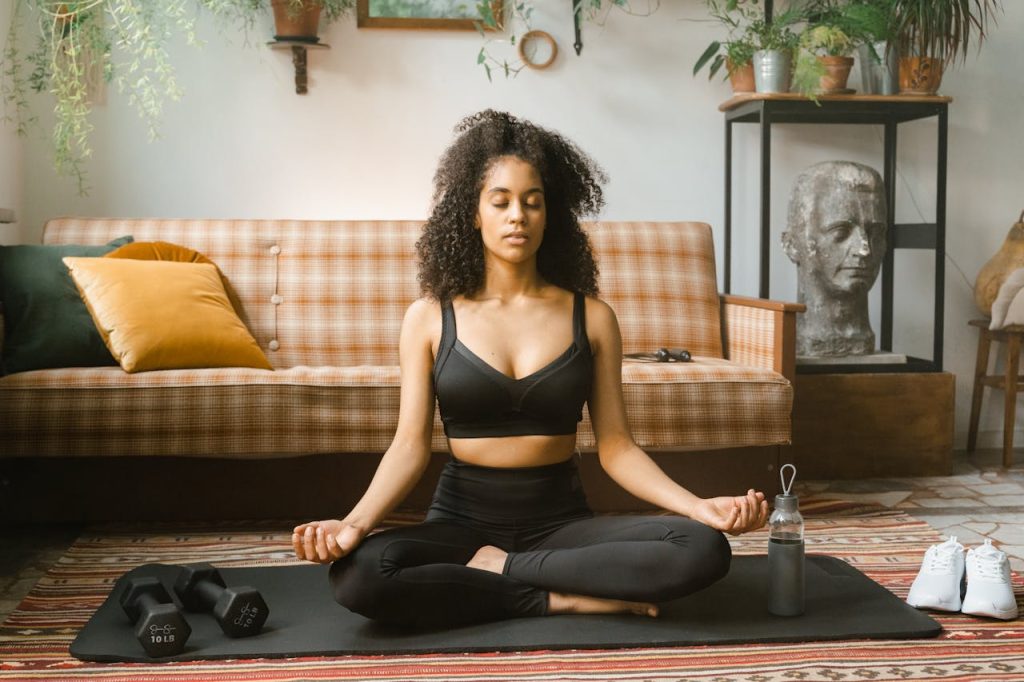
Turn Gratitude Into Mindful Moments
A powerful way to strengthen appreciation is to connect it with everyday activities.
Choose something you already do regularly and turn it into a mindfulness cue.
During Your Morning Routine
Before reaching for your phone, take a few slow breaths.
Notice your surroundings. Feel your feet on the floor. Listen to the sounds around you.
Then identify one thing you appreciate about having another day to experience.
During Meals
Instead of eating automatically, pause before your first bite.
Notice the smell, texture, temperature, and flavor of your food.
Consider the people and processes that helped bring that meal to you.
This transforms eating into a simple mindful exercise.
While Walking
Whether you are walking through your neighborhood, commuting, or spending time outdoors, look for three things that catch your attention.
It might be a tree, a pleasant breeze, a familiar building, or a friendly interaction.
You are training your attention to notice what is already happening rather than constantly searching for the next thing.
Practice Gratitude Toward Other People
It becomes especially meaningful when it moves beyond private reflection.
Think about the people who have positively influenced your life.
It could be a parent, teacher, coworker, friend, mentor, partner, neighbor, or even someone you met briefly.
Then express your appreciation.
A sincere message might say:
“I was thinking about what you did for me recently, and I wanted you to know that I really appreciated it.”
You do not need a special occasion.
A short message can strengthen relationships because people often remember how they were made to feel.
Try a Gratitude Letter
Write a letter to someone who has made a meaningful difference in your life.
Explain:
- What they did
- Why it mattered
- How it affected you
- What you appreciate about them
You can send the letter or simply keep it for yourself.
The writing process itself can become a powerful reflective exercise.
Use Gratitude During Difficult Times
Practicing appreciation during challenging periods requires sensitivity.
When life feels overwhelming, a long gratitude list may feel impossible. Instead, make the practice smaller.
Ask:
“What is one thing that feels supportive right now?”
Maybe it is a glass of water.
Maybe it is a person who listened.
Maybe it is having ten quiet minutes.
Maybe it is simply the fact that you allowed yourself to rest.
Small moments count.
You can also use gratitude as a grounding practice. Take a slow breath, notice your surroundings, and identify one thing you can see, one thing you can hear, and one thing you appreciate in that moment.
This does not erase the difficulty. It gives your attention somewhere constructive to rest.
Create a Gratitude Meditation
Meditation can provide a calm environment for exploring appreciation.
Find a comfortable position and allow your breathing to settle naturally.
Then follow these steps:
Step 1: Arrive
Notice your body and surroundings without trying to change anything.
Step 2: Follow Your Breath
Take several slow, comfortable breaths. Pay attention to the sensation of breathing.
Step 3: Bring Something Meaningful to Mind
Think of a person, place, experience, or simple aspect of your life that you genuinely appreciate.
Step 4: Notice Your Response
Observe any emotions, thoughts, or physical sensations that arise.
There is no need to manufacture a particular feeling.
Step 5: Expand Your Awareness
Gradually bring to mind another source of appreciation.
It might be something very simple.
Step 6: Finish Slowly
Take one final breath and notice how you feel before returning to your normal activities.
Even five minutes can become a meaningful pause in a busy day.

Build a Gratitude Habit That Actually Lasts
Knowing how to live in gratitude is useful, but turning an idea into a lasting habit requires a realistic approach.
Avoid setting an ambitious routine that you cannot maintain.
Instead, connect gratitude to something you already do.
For example:
- After brushing your teeth → name one thing you appreciate.
- Before breakfast → take three mindful breaths.
- During your commute → think of someone you value.
- Before bed → write one meaningful moment from the day.
- During meditation → spend a few minutes reflecting on appreciation.
This technique is sometimes called habit stacking: attaching a new behavior to an established routine.
Keep It Flexible
Some days you may write three things.
Other days, you may simply pause for one mindful breath.
That still counts.
A sustainable practice should support your life rather than become another obligation.
Common Gratitude Mistakes to Avoid
Gratitude is simple, but several habits can make it less effective or meaningful.
Comparing Your Life With Others
Gratitude should not become another form of comparison.
Someone else having more does not make your experiences less valuable.
Repeating the Same List Automatically
If you write the same five items every day without thinking about them, the practice can become mechanical.
Try focusing on different details.
Using Gratitude to Suppress Emotions
You do not have to be grateful instead of sad, angry, disappointed, or frustrated.
Allow your emotions to exist.
Then, when appropriate, look for something meaningful alongside them.
Making Gratitude a Performance
You do not need to share your gratitude practice publicly.
The value comes from genuine attention, not from appearing positive to other people.
A Simple 7-Day Gratitude Challenge
If you want to begin today, try this one-week exercise.
Day 1: Write down three things you appreciate.
Day 2: Send someone a sincere thank-you message.
Day 3: Spend five minutes outside noticing your surroundings.
Day 4: Write about one difficult experience that taught you something valuable.
Day 5: Practice five minutes of mindful breathing followed by gratitude reflection.
Day 6: Notice three ordinary comforts you usually overlook.
Day 7: Review your week and identify which gratitude practice felt most natural.
After seven days, choose one practice to continue.
The objective is not to complete a challenge perfectly. It is to discover what helps you become more attentive to the meaningful parts of your life.
How to Live in Gratitude Every Day
Ultimately, how to live in gratitude is less about following a strict formula and more about changing the quality of your attention.
Notice the small things.
Pause before rushing.
Appreciate people while they are present.
Allow difficult emotions without letting them define your entire experience.
Return to your breath when your mind becomes scattered.
And remember that gratitude does not require a perfect life.
A meaningful gratitude practice can exist in ordinary moments: a conversation, a meal, a quiet morning, a walk outside, a helping hand, or a few minutes of stillness.
Frequently Asked Questions
Is gratitude the same as positive thinking?
No. Positive thinking generally emphasizes optimistic interpretations, while it focuses on recognizing and appreciating something meaningful. It can coexist with difficult emotions.
How long should I practice gratitude each day?
There is no required amount of time. Even a few mindful minutes can be useful. Consistency is generally more practical than creating a routine that feels overwhelming.
Can meditation help develop gratitude?
Yes. Meditation can create space to observe your thoughts and experiences more intentionally. A gratitude meditation can specifically direct attention toward appreciation.
What if I cannot think of anything to be grateful for?
Start extremely small. Consider your next breath, a safe place to sit, a glass of water, a person you trust, or a moment of quiet. You do not need to identify something extraordinary.
Should I keep a gratitude journal?
A journal can be helpful, but it is not mandatory. You can practice through meditation, reflection, conversations, or brief moments of mindful appreciation throughout the day.
Can gratitude improve relationships?
Expressing sincere appreciation can help people feel recognized and valued. Simple acts of acknowledgment may strengthen connection and encourage more meaningful communication.
Continue Your Mindfulness Journey With MindfulnessMeditationHub.com
Learning how to live in gratitude is not about becoming positive all the time. It is about becoming more present, noticing what matters, and making appreciation part of your relationship with everyday life.
The practice can begin with something remarkably simple: stop, breathe, notice, and appreciate.
At MindfulnessMeditationHub.com, we are here to help you explore mindfulness and meditation through practical resources, exercises, educational guides, and techniques you can incorporate into your everyday routine.
Whether you are taking your first steps into meditation or looking for ways to deepen an established practice, explore our mindfulness resources and discover practical ways to bring greater awareness, calm, and intention into your daily life.
Start your mindfulness journey today—and give yourself a few quiet moments to notice what is already worth appreciating.
Related Topics
- Calm Coloring: Simple Mindfulness for Stress Relief
- Teaching Mindfulness: Transform Lives with Simple Practices
- Mindfulness Tip: 10 Simple Habits for a Calmer Mind
- Emotional Mindfulness: Master Your Emotions with Ease
- Mindfulness Journey: Transform Your Life with Inner Peace
- Mindfulness Emotion: Transform Your Emotional Well-Being
- Mindfulness and Stress Management: Your Path to Lasting Calm
- Mindfulness Strategy: Transform Stress Into Lasting Calm
- Mindfulness for Stress and Anxiety: Reclaim Calm Naturally
- What Is Mindfulness Meditation? Unlock Calm, Focus & Joy