
Learn how to work on mindfulness with simple daily exercises, mindful breathing, meditation, and practical habits that support greater calm and awareness.
Mindfulness is not about emptying your mind or avoiding difficult thoughts. It is the practice of paying attention to what is happening right now with greater awareness, curiosity, and acceptance.
In a world filled with notifications, deadlines, distractions, and constant mental activity, learning how to work on mindfulness can help you create more space between your thoughts and your reactions. Even a few intentional minutes each day can become an opportunity to slow down, reconnect with yourself, and notice life as it is happening.
The good news is that mindfulness does not require a special place, expensive equipment, or hours of meditation. It can be practiced while walking, eating, working, listening to someone, or simply taking a few conscious breaths.
At MindfulnessMeditationHub.com, we provide practical resources, exercises, and mindfulness techniques to help you explore these practices and incorporate them into your daily life. Whether you are new to meditation or have been practicing for years, our resources are designed to support your personal mindfulness journey.
What Is Mindfulness?
Mindfulness is the ability to intentionally bring your attention to the present moment while observing your experiences without immediately judging or trying to change them.
For example, imagine you are drinking a cup of coffee. Instead of automatically scrolling through your phone while drinking it, you notice the warmth of the cup, the aroma, the flavor, and how the drink feels as you swallow.
That simple shift from automatic behavior to conscious awareness is mindfulness.
Mindfulness can involve noticing:
- Thoughts
- Emotions
- Physical sensations
- Sounds
- Breathing
- Surroundings
- Habits and reactions
The goal is not to make every experience pleasant. Instead, mindfulness helps you become more aware of your experience so you can respond thoughtfully rather than automatically.

Why Should You Practice Mindfulness?
Mindfulness can become a valuable part of a healthy daily routine because it encourages greater awareness of your thoughts, feelings, behaviors, and surroundings.
Regular practice may help you develop:
- Greater present-moment awareness
- Better concentration
- More intentional responses
- A stronger sense of self-awareness
- Improved ability to notice emotional patterns
- Greater appreciation for everyday experiences
- A more consistent meditation habit
Mindfulness is also useful because it can be practiced in small moments throughout the day.
You do not have to wait until you have 30 minutes of free time. One mindful breath before answering an email or one minute of focused attention while walking can become meaningful practice.
How to Work on Mindfulness Every Day
Developing mindfulness is less about achieving a perfect mental state and more about repeatedly returning your attention to the present.
Here are practical ways to begin.
1. Start With Your Breathing
Your breath is one of the simplest anchors for mindfulness because it is always available.
Sit comfortably and allow your breathing to remain natural. Notice the sensation of inhaling and exhaling.
You might notice:
- Air moving through your nose
- Your chest expanding
- Your abdomen moving
- The pause between breaths
- Changes in the rhythm of your breathing
Your mind will wander. That is normal.
When you notice that your attention has drifted, gently return to your breath without criticizing yourself.
That return is part of the practice.
2. Practice a One-Minute Mindfulness Exercise
If you are new to mindfulness, start small.
Try this one-minute exercise:
Step 1: Pause what you are doing.
Step 2: Take one slow, comfortable breath.
Step 3: Notice three things you can see.
Step 4: Notice two sounds around you.
Step 5: Notice one physical sensation.
Step 6: Take another breath and continue with your day.
This exercise can be particularly useful when you feel distracted or caught up in repetitive thinking.
The objective is not to eliminate thoughts. Instead, you are training your attention to recognize what is happening in the present.
3. Use Mindful Walking
Walking can become a simple mindfulness practice.
Rather than thinking about everything you need to accomplish, bring your attention to the movement of your body.
Notice:
- Your feet touching the ground
- The movement of your legs
- Your posture
- Your breathing
- The temperature of the air
- Sounds around you
You do not need to walk slowly or dramatically change your normal routine. Simply pay closer attention to the experience.
Even a short mindful walk can provide a break from automatic thinking.
4. Eat More Mindfully
Eating is another opportunity to practice awareness.
Instead of rushing through a meal while watching television or checking your phone, try focusing on the food in front of you.
Before taking your first bite, notice its appearance and smell. As you eat, pay attention to texture, flavor, temperature, and your body’s signals.
Mindful eating can also help you recognize when you are eating out of habit rather than genuine hunger.
The purpose is not to create strict food rules. It is simply to become more aware of the experience.
How to Work on Mindfulness When Your Mind Wanders
One of the biggest misconceptions about mindfulness is that successful meditation means never becoming distracted.
In reality, your mind will wander.
You may start thinking about work, remembering a conversation, planning dinner, worrying about tomorrow, or replaying something that happened earlier.
That does not mean you are failing.
The important moment is when you notice that your attention has wandered.
Instead of thinking, “I can’t meditate properly,” try acknowledging the thought and gently redirecting your attention.
You can use a simple process:
Notice → Acknowledge → Return
For example:
“I’m thinking about tomorrow’s meeting.”
Then return your attention to your breathing, body, sounds, or chosen meditation object.
Every time you do this, you are practicing mindful awareness.
Mindfulness Meditation for Beginners
Meditation is one structured way to develop mindfulness.
If you are beginning, there is no need to make your first session complicated.
Start with five minutes.
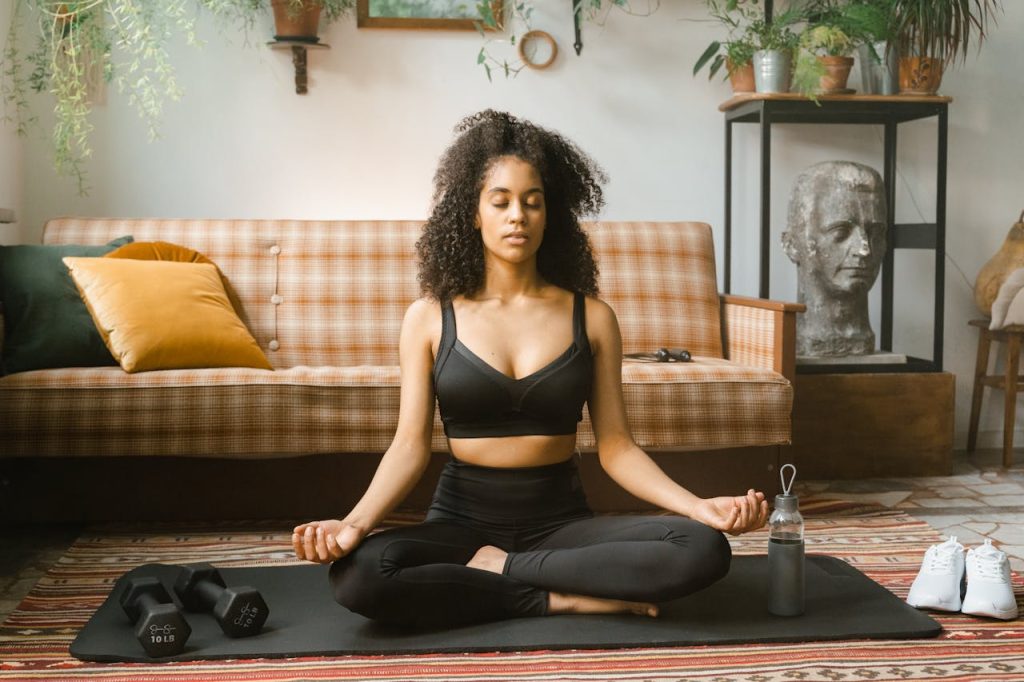
Find a comfortable position and allow your body to settle. Close your eyes if that feels comfortable, or keep them softly open.
Bring your attention to your breathing.
When thoughts appear, notice them. When sounds arise, hear them. When physical sensations become noticeable, observe them.
Then return to your chosen point of focus.
A Simple 5-Minute Practice
Minute 1: Settle
Notice your body and your surroundings.
Minute 2: Follow the breath
Pay attention to each inhale and exhale.
Minute 3: Observe
Notice thoughts, feelings, and sensations without becoming absorbed in them.
Minute 4: Return
Whenever your attention wanders, gently bring it back.
Minute 5: Finish intentionally
Take a final breath and notice how you feel before returning to your normal activities.
Consistency matters more than duration when you are developing a new practice.
Five minutes practiced regularly can be more sustainable than attempting a long meditation session once and then abandoning it.
How to Build a Sustainable Mindfulness Routine
Knowing what to do is one thing. Making it part of your lifestyle is another.
The most effective routine is usually one that fits naturally into your existing schedule.
Consider attaching mindfulness to something you already do.
For example:
- After brushing your teeth, take three mindful breaths.
- Before opening your laptop, pause for 30 seconds.
- During lunch, spend the first few minutes eating without distractions.
- After work, take a mindful walk.
- Before bed, practice a short body scan.
This approach is sometimes called habit stacking because you connect a new behavior with an established habit.
Keep Your Practice Realistic
Avoid setting goals that are unnecessarily difficult.
You might begin with:
Week 1: One minute each day
Week 2: Three minutes each day
Week 3: Five minutes each day
Week 4: Five to ten minutes each day
If you miss a day, simply begin again the next day.
Mindfulness is not a performance test. There is no perfect streak you need to maintain.
Mindfulness Exercises You Can Use Anywhere
You can practice awareness without sitting down for formal meditation.
The STOP Technique
S — Stop: Pause for a moment.
T — Take a breath: Bring attention to your breathing.
O — Observe: Notice your thoughts, emotions, body, and surroundings.
P — Proceed: Continue with greater awareness.
This can be useful during a stressful conversation, busy workday, or emotionally difficult moment.
The Body Scan
A body scan involves moving your attention through different areas of your body.
Begin with your feet and gradually move upward.
Notice sensations such as:
- Pressure
- Warmth
- Tension
- Relaxation
- Tingling
- Heaviness
You do not need to change the sensations. Simply notice them.
Mindful Listening
During a conversation, try listening without planning what you will say next.
Notice the person’s words, tone, pauses, and expressions.
When you realize your attention has moved elsewhere, gently bring it back.
This simple practice can make everyday interactions more intentional.
How to Work on Mindfulness During Stressful Moments
Mindfulness does not mean you will never feel stressed, frustrated, anxious, or overwhelmed.
Instead, it can help you notice what is happening before automatically reacting.
Suppose someone sends you an upsetting message.
Your immediate reaction might be to respond quickly.
A mindful pause creates another option:
- Notice your emotional reaction.
- Feel the physical sensations associated with it.
- Take a few comfortable breaths.
- Identify the thoughts running through your mind.
- Give yourself time before responding.
- Choose a response that reflects your intentions.
That pause can be valuable.
You are not ignoring the situation. You are creating enough awareness to respond more deliberately.
Common Mindfulness Mistakes to Avoid
Beginners sometimes make mindfulness harder than it needs to be.
Here are several common mistakes.
Trying to Stop Thinking
Thoughts are a natural part of being human. You do not need to force your mind to become completely empty.
Instead, practice noticing thoughts and returning your attention.
Expecting Immediate Results
Mindfulness is a skill developed through repetition.
Some sessions may feel peaceful. Others may feel restless or distracted.
Both can provide opportunities to practice awareness.
Practicing Only When You Feel Stressed
Mindfulness can be useful during difficult moments, but developing the habit when life is relatively calm can make it easier to access when you need it.
Judging Your Practice
There is no requirement to have a particular experience during meditation.
Rather than asking, “Was I good at mindfulness today?” try asking:
“What did I notice?”
That question encourages curiosity instead of self-judgment.
How Long Does It Take to Develop Mindfulness?
There is no universal timeline.
Some people notice changes in their awareness quickly, while others need consistent practice over a longer period.
What matters most is creating a sustainable routine.
Instead of focusing entirely on how quickly you will see results, focus on the quality and consistency of your practice.
You can also track simple observations:
- Did I practice today?
- What did I notice?
- What distracted me?
- How did I respond?
- What would make tomorrow’s practice easier?
Keeping a short mindfulness journal can help you recognize patterns over time.
How Mindfulness Can Become Part of Everyday Life
Formal meditation is valuable, but mindfulness does not have to end when your meditation timer stops.
You can bring awareness into ordinary activities.
Try practicing while:
- Showering
- Washing dishes
- Driving
- Walking
- Drinking tea
- Working
- Listening to music
- Spending time outdoors
- Talking with family
- Getting ready for bed
The key question is simple:
“Can I give my full attention to what I am doing right now?”
You may discover that ordinary moments become opportunities for practice.
Create Your Personal Mindfulness Plan
If you want a simple starting framework, try this:
Morning: Take three mindful breaths before beginning your day.
Midday: Spend one minute noticing your breathing and surroundings.
Afternoon: Practice mindful listening during one conversation.
Evening: Take a five-minute meditation break.
Before bed: Reflect on one moment you experienced with full attention.
After a week, evaluate what felt natural and adjust your routine.
The best mindfulness practice is one you can realistically continue.

Continue Your Mindfulness Journey With MindfulnessMeditationHub.com
Learning mindfulness is an ongoing process rather than a destination.
You do not need to become perfectly calm, eliminate every distracting thought, or meditate for hours to benefit from practicing awareness.
Start with one breath. One minute. One mindful activity.
Then keep returning.
At MindfulnessMeditationHub.com, our goal is to make mindfulness and meditation practical and approachable. We offer educational resources, mindfulness exercises, meditation guidance, and practical techniques that can help you explore these practices at your own pace.
Whether you are taking your first step into meditation or looking for ways to deepen an established routine, explore our resources and find practices that fit your everyday life.
Related Topics
- Calm Coloring: Simple Mindfulness for Stress Relief
- Teaching Mindfulness: Transform Lives with Simple Practices
- Mindfulness Tip: 10 Simple Habits for a Calmer Mind
- Emotional Mindfulness: Master Your Emotions with Ease
- Mindfulness Journey: Transform Your Life with Inner Peace
- Mindfulness Emotion: Transform Your Emotional Well-Being
- Mindfulness and Stress Management: Your Path to Lasting Calm
- Mindfulness Strategy: Transform Stress Into Lasting Calm
- Mindfulness for Stress and Anxiety: Reclaim Calm Naturally
- What Is Mindfulness Meditation? Unlock Calm, Focus & Joy