

In a world filled with differences, conflicts, and constant challenges, loving everyone can feel like an ideal that is difficult to practice. However, love does not always mean agreeing with everyone or ignoring boundaries. It means developing a mindset of compassion, understanding, and respect toward yourself and others.
A mindful approach to love begins with awareness. When we learn to observe our thoughts, emotions, and reactions without judgment, we create more space for kindness. Instead of responding automatically with anger, fear, or criticism, we can choose patience, empathy, and understanding.
At Mindfulness Meditation Hub, we believe mindfulness can help people cultivate compassion and create more meaningful relationships. Through meditation practices, reflection exercises, and mindful living techniques, you can develop a deeper connection with yourself and the people around you.
What Does Loving Everyone Really Mean?
Loving everyone does not mean you must have the same feelings toward every person or accept harmful behavior. True compassion includes wisdom, respect, and healthy boundaries.
It means recognizing the shared humanity in others. Every person experiences struggles, fears, hopes, and challenges. When we remember this, it becomes easier to approach people with patience rather than immediate judgment.
Loving everyone can involve:
- Showing kindness even during disagreements
- Listening before reacting
- Understanding different perspectives
- Practicing forgiveness
- Offering compassion without expecting something in return
- Treating yourself with the same kindness you offer others
This mindset does not make difficult situations disappear, but it can transform how you experience and respond to them.

The Connection Between Mindfulness and Universal Love
Mindfulness and compassion are closely connected. When the mind is constantly distracted by assumptions, judgments, and emotional reactions, it becomes harder to see others clearly.
Mindfulness creates awareness of these patterns.
For example, you may notice thoughts such as:
- “That person does not understand me.”
- “They should behave differently.”
- “I cannot forgive what happened.”
Instead of immediately believing these thoughts, mindfulness allows you to pause and observe them.
This pause creates an opportunity to respond with greater understanding.
Why Practicing Love and Compassion Matters
It Reduces Judgment
Human beings naturally categorize experiences as good or bad, comfortable or uncomfortable. While this ability helps us navigate life, excessive judgment can create distance between people.
A compassionate mindset helps you look beyond first impressions and consider the experiences that shape another person’s behavior.
It Improves Relationships
Relationships often become stronger when people feel heard, respected, and valued.
Small acts of compassion can create meaningful changes:
- Listening without interrupting
- Expressing appreciation
- Responding calmly during conflict
- Showing patience during difficult moments
Love grows through consistent actions.
It Supports Emotional Well-Being
Holding onto anger, resentment, and constant criticism can create emotional exhaustion.
Compassion practices encourage emotional balance by helping you release unnecessary negativity and develop a more peaceful inner state.
It Strengthens Self-Love
Loving others begins with how you treat yourself.
Many people find it easier to criticize themselves than to offer themselves kindness. Mindfulness helps you recognize your inner dialogue and replace harsh self-judgment with understanding.
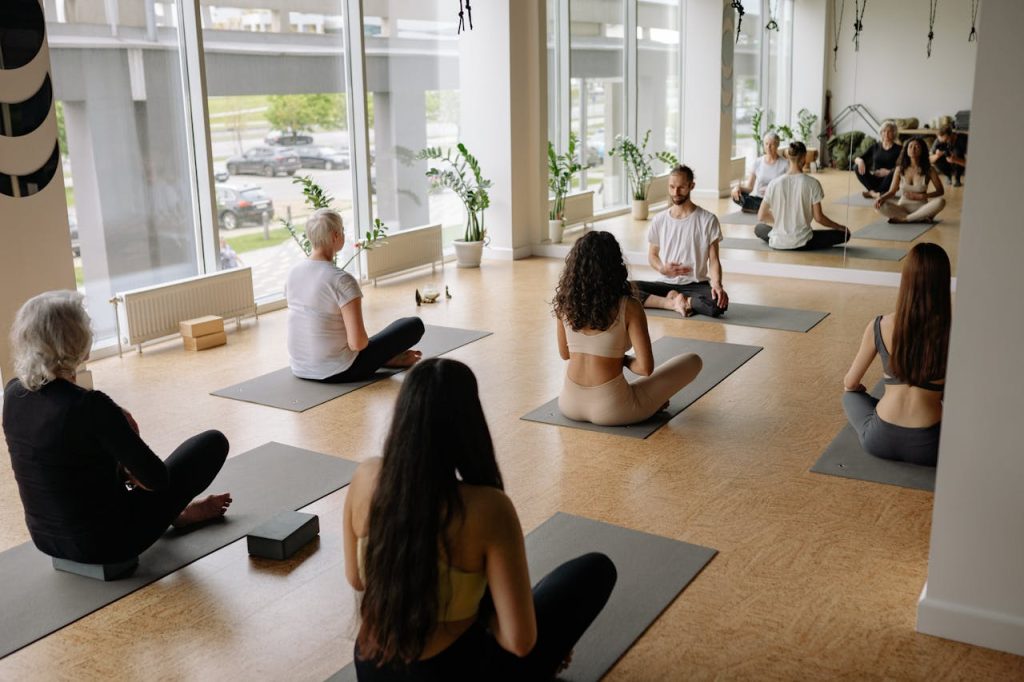
Loving-Kindness Meditation: A Practice for Compassion
One of the most powerful mindfulness techniques for developing compassion is loving-kindness meditation, also known as Metta meditation.
This practice involves silently repeating compassionate phrases directed toward yourself and others.
A simple loving-kindness practice:
Step 1: Begin With Yourself
Sit comfortably and take a few slow breaths.
Repeat silently:
“May I be peaceful.”
“MIght I be healthy.”
“May I be safe.”
“May I experience kindness and compassion.”
Allow these words to settle without forcing any particular emotion.
Step 2: Extend Love to Someone Close
Bring a loved one to mind.
Offer them the same wishes:
“May you be peaceful.”
“Might you be happy.”
“May you be safe.”
Notice any feelings that arise.
Step 3: Include Neutral People
Think of someone you know but do not have a strong emotional connection with.
Offer them the same kindness.
This helps expand compassion beyond your immediate circle.
Step 4: Practice Compassion Toward Difficult People
This step can be challenging.
You do not need to approve of someone’s actions. Instead, recognize that they are also a human being experiencing life.
You may silently offer:
“May you find peace.”
“Might you experience wisdom.”
“May you be free from suffering.”
The purpose is not to change another person. It is to free your own heart from constant anger and hostility.

How to Practice Loving Everyone in Daily Life
Meditation creates awareness, but daily actions bring compassion into reality.
Listen With Full Attention
Many conversations are interrupted by the desire to respond, defend, or judge.
Mindful listening means:
- Giving someone your full attention
- Avoiding immediate assumptions
- Trying to understand before explaining
Being truly heard is one of the simplest forms of kindness.
Practice Small Acts of Kindness
Compassion does not always require major actions.
Small examples include:
- Smiling at someone
- Offering encouragement
- Helping without expecting recognition
- Expressing gratitude
- Checking on someone who may be struggling
Small moments create a culture of kindness.
Pause Before Reacting
Strong emotions can create automatic responses.
Before responding during conflict, ask:
- What am I feeling right now?
- What does this person need?
- What response reflects my values?
A short pause can completely change an interaction.
Release the Need to Be Right
Many conflicts continue because both sides focus on proving themselves correct.
Compassion does not mean abandoning your beliefs. It means allowing room for another person’s perspective.
Understanding does not require agreement.
Challenges on the Path of Compassion
“How Can I Love Someone Who Hurt Me?”
Compassion does not mean allowing repeated harm or ignoring your own needs.
Healthy compassion includes boundaries.
You can wish someone well while choosing distance from unhealthy situations.
“I Do Not Feel Love for Everyone”
Compassion is a practice, not a constant emotion.
Some days you may feel open and connected. Other days you may feel tired, frustrated, or disconnected.
Mindfulness helps you return to compassion without judging yourself.
“What If People Do Not Treat Me Kindly?”
Loving others does not mean accepting disrespect.
A compassionate life includes compassion toward yourself. Protecting your emotional health is part of practicing love.

A Short Mindfulness Exercise for Compassion
Try this simple reflection:
Close your eyes and take a comfortable breath.
Think of yourself as a person who experiences happiness, sadness, fear, and hope.
Recognize that every person you meet also carries invisible experiences.
Silently repeat:
“Just like me, this person wants to be happy.”
“Just like me, this person experiences challenges.”
“May I respond with wisdom and kindness.”
Take a moment to notice how this perspective changes your feelings.
Building a Daily Compassion Practice
Creating a compassionate mindset requires consistency.
You can build the habit by:
- Practicing loving-kindness meditation for five minutes daily
- Writing three things you appreciate about others
- Reflecting on moments when you showed kindness
- Practicing gratitude
- Noticing judgment without criticizing yourself
- Choosing one intentional act of kindness each day
Over time, these small actions can influence how you relate to yourself and others.
How Mindfulness Meditation Hub Can Help
Developing compassion and mindfulness is a journey. Many people want to become more patient, understanding, and connected but do not know where to begin.
Mindfulness Meditation Hub provides practical resources to help you build a consistent meditation practice and develop greater emotional awareness.
Our resources include:
- Guided meditation practices
- Loving-kindness meditation techniques
- Mindfulness exercises
- Compassion-building practices
- Stress management tools
- Reflection exercises for personal growth
We focus on making mindfulness simple, practical, and accessible for everyday life.
Whether you are beginning your meditation journey or deepening an existing practice, our guidance can help you develop greater awareness and compassion.
Begin Your Journey Toward Greater Compassion
Love is not only an emotion; it is a way of seeing and responding to the world.
Loving everyone begins with small moments of awareness, patience, and kindness. Through mindfulness and compassion practices, you can gradually create a more peaceful relationship with yourself and those around you.
Explore Mindfulness Meditation Hub today and discover meditation resources designed to support compassion, emotional balance, and a more mindful way of living.
Related Topics
- Calm Coloring: Simple Mindfulness for Stress Relief
- Teaching Mindfulness: Transform Lives with Simple Practices
- Mindfulness Tip: 10 Simple Habits for a Calmer Mind
- Emotional Mindfulness: Master Your Emotions with Ease
- Mindfulness Journey: Transform Your Life with Inner Peace
- Mindfulness Emotion: Transform Your Emotional Well-Being
- Mindfulness and Stress Management: Your Path to Lasting Calm
- Mindfulness Strategy: Transform Stress Into Lasting Calm
- Mindfulness for Stress and Anxiety: Reclaim Calm Naturally
- What Is Mindfulness Meditation? Unlock Calm, Focus & Joy