
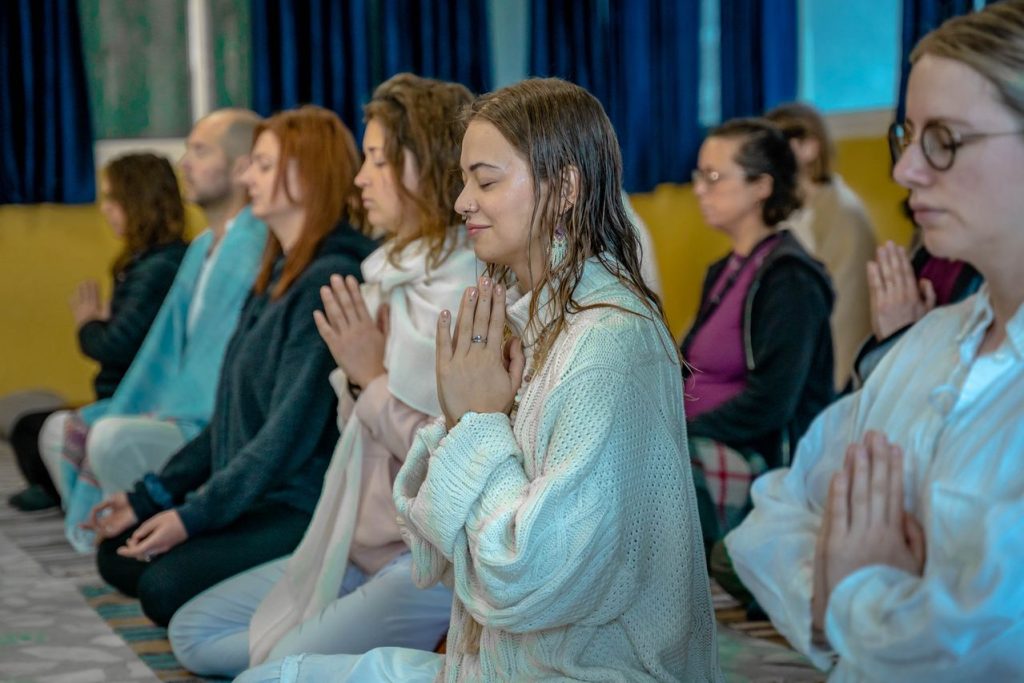
Explore meditation and healing through simple mindfulness practices, breathing exercises, and daily habits that support emotional balance and inner peace.
Understanding the Connection Between Meditation and Healing
Life can become overwhelming. Between work responsibilities, personal relationships, everyday challenges, and constant digital distractions, finding time to slow down and reconnect with yourself can feel difficult. Over time, mental exhaustion, emotional tension, and physical stress can affect how you experience everyday life.
This is where meditation can become a valuable part of your wellness routine.
Meditation is more than sitting quietly with your eyes closed. It is a practice of developing awareness, observing your thoughts without judgment, and creating space for a calmer relationship with yourself. When practiced consistently, it may support emotional well-being, relaxation, self-awareness, and a greater sense of inner balance.
The connection between meditation and healing involves understanding how the mind and body respond to stress, emotions, and everyday experiences. Although meditation is not a medical treatment or a replacement for professional care, it can complement a healthy lifestyle by helping you develop practical skills for managing difficult moments.
Whether you are completely new to mindfulness or have practiced for years, learning how to incorporate meditation into your daily routine can open the door to meaningful personal growth.
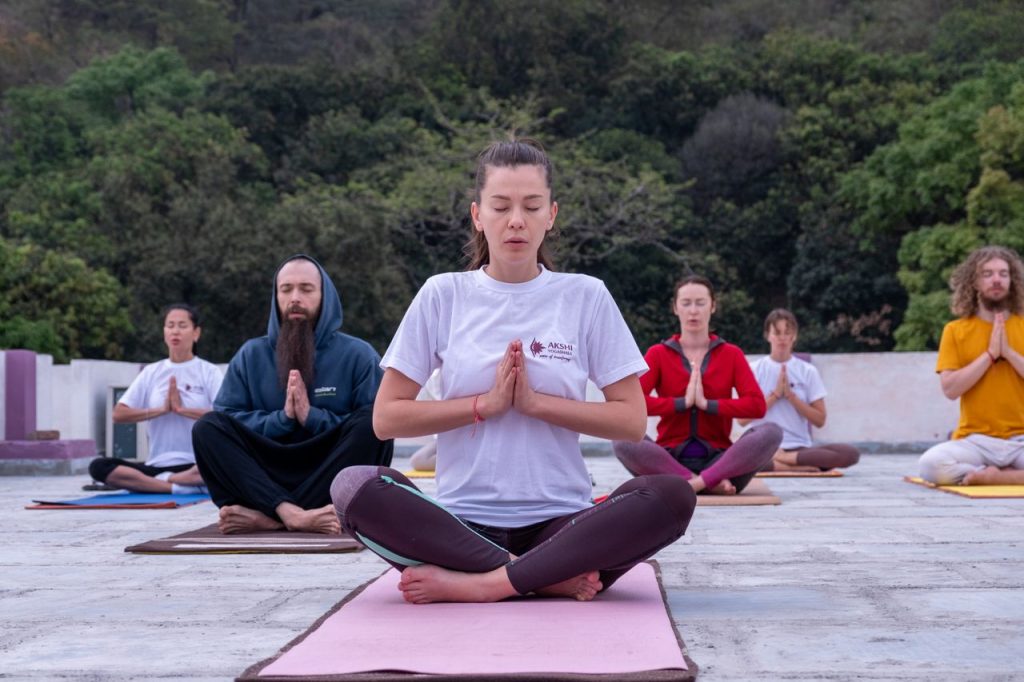
What Does Healing Mean in a Mindfulness Practice?
Healing can mean different things to different people. For some, it involves learning to process difficult emotions. For others, it means developing healthier habits, reducing everyday stress, rebuilding self-confidence, or finding a stronger connection with themselves.
From a mindfulness perspective, healing is not about forcing yourself to feel happy or eliminating every uncomfortable emotion.
Instead, it involves creating the awareness and emotional space to understand your experiences.
A mindful approach encourages you to:
- Recognize emotions without immediately reacting to them.
- Accept that difficult experiences are part of being human.
- Develop greater awareness of your thoughts and behavior.
- Practice self-compassion instead of constant self-criticism.
- Build healthier responses to everyday stress.
- Make time for rest, reflection, and personal growth.
For example, imagine having a stressful conversation with someone close to you. Instead of immediately reacting with frustration, you pause, take a few slow breaths, and notice what you are feeling.
That small moment of awareness can help you respond more thoughtfully.
Over time, these simple moments can become part of a healthier relationship with your thoughts and emotions.
How Meditation and Healing Work Together
Meditation creates an opportunity to slow down and observe what is happening internally. Rather than allowing every thought or emotion to control your attention, you learn to notice experiences with greater patience and awareness.
This process can support several aspects of personal well-being.
1. Supporting Emotional Awareness
Many people move through their days without fully recognizing their emotional experiences. They may feel frustrated, overwhelmed, disappointed, or anxious without understanding what is contributing to those feelings.
Mindfulness meditation encourages you to notice emotions as they arise.
For instance, during a quiet meditation session, you might recognize that your irritation is connected to tiredness or an unresolved concern.
This awareness does not automatically solve the problem. However, it gives you an opportunity to understand your response and choose how to move forward.
Practical tip: Spend five minutes each evening noticing your emotional state. Ask yourself:
- What emotions did I experience today?
- What situations influenced those emotions?
- How did I respond?
- What could I approach differently tomorrow?
This simple reflection can gradually strengthen emotional awareness.
2. Encouraging Stress Management and Relaxation
Stress is a normal part of life, but prolonged stress can affect sleep, concentration, mood, and overall well-being.
Meditation offers a structured opportunity to step away from constant stimulation and focus on the present moment.
Breathing exercises, body awareness, and guided relaxation can help you settle your attention and develop a calmer response to stressful situations.
For example, when you notice yourself becoming overwhelmed at work, pause for a moment. Relax your shoulders, breathe naturally, and pay attention to the sensation of each breath.
You do not need to eliminate every stressful thought. Simply redirecting your attention can help create a moment of calm.
3. Developing Self-Compassion
One of the most meaningful parts of mindfulness is learning to treat yourself with greater understanding.
People often judge themselves harshly when they make mistakes, experience disappointment, or struggle with difficult emotions.
Self-compassion meditation encourages a different approach.
Instead of thinking, “I should be stronger” or “I should not feel this way,” you can practice saying:
- I am allowed to have difficult days.
- I can learn from my experiences.
- I deserve patience and understanding.
- I do not need to be perfect to make progress.
These statements are not about ignoring responsibilities. They are about developing a healthier and more supportive internal conversation.
4. Improving Awareness of the Mind-Body Connection
Your thoughts, emotions, and physical experiences are closely connected.
For example, stress may be accompanied by muscle tension, shallow breathing, or restlessness. Similarly, physical discomfort can influence your mood and ability to concentrate.
Body scan meditation helps you become more aware of these experiences.
During this practice, you gradually direct your attention toward different areas of your body, noticing sensations without trying to change them.
This awareness can help you recognize when you need rest, movement, or a moment to slow down.
Different Types of Meditation That Support Personal Well-Being
There is no single meditation technique that works for everyone. Different approaches offer different experiences, and you may discover that some practices feel more comfortable than others.
Here are several techniques worth exploring.
1. Mindfulness Meditation
Mindfulness meditation involves paying attention to the present moment without judging your experiences.
You might focus on your breathing, surrounding sounds, bodily sensations, or thoughts.
When your attention wanders, gently bring it back to your chosen point of focus.
How to practice:
- Find a comfortable and relatively quiet place.
- Sit in a relaxed position.
- Close your eyes or soften your gaze.
- Notice the natural rhythm of your breathing.
- Observe thoughts as they appear.
- Gently return your attention to your breath.
Start with five minutes and gradually increase the duration if it feels comfortable.
2. Loving-Kindness Meditation
Loving-kindness meditation, sometimes called Metta meditation, focuses on cultivating goodwill, compassion, and kindness toward yourself and others.
It can be particularly meaningful when you want to develop a more compassionate attitude.
During the practice, silently repeat phrases such as:
- May I experience peace.
- May I treat myself with kindness.
- May I find strength during difficult moments.
- May others experience happiness and well-being.
You can gradually extend these wishes to friends, family members, and other people.
3. Guided Meditation
Guided meditation is an excellent starting point for people who find it difficult to meditate independently.
A teacher or recorded audio session provides verbal instructions to help you focus your attention.
Guided sessions may explore:
- Relaxation and stress management.
- Self-compassion and acceptance.
- Emotional awareness.
- Gratitude and positive reflection.
- Sleep preparation.
- Mindful breathing.
Choose a guided session that matches your current needs rather than following every available meditation trend.
4. Body Scan Meditation
Body scan meditation involves gradually directing attention through different areas of your body.
You may begin with your feet, move toward your legs, and continue through your torso, shoulders, arms, and head.
Notice sensations such as warmth, pressure, tension, or relaxation without judging them.
This technique can help you become more aware of physical sensations and recognize areas where you may be holding tension.
5. Breathing Meditation
Breathing meditation uses the natural rhythm of your breath as an anchor for attention.
It is simple, accessible, and can be practiced almost anywhere.
Try this beginner-friendly exercise:
- Sit comfortably.
- Notice the air entering and leaving your nose.
- Allow your breathing to remain natural.
- When your mind wanders, gently return to the breath.
- Continue for three to five minutes.
There is no need to force deep breathing or hold your breath. If you feel uncomfortable, return to your normal breathing pattern.
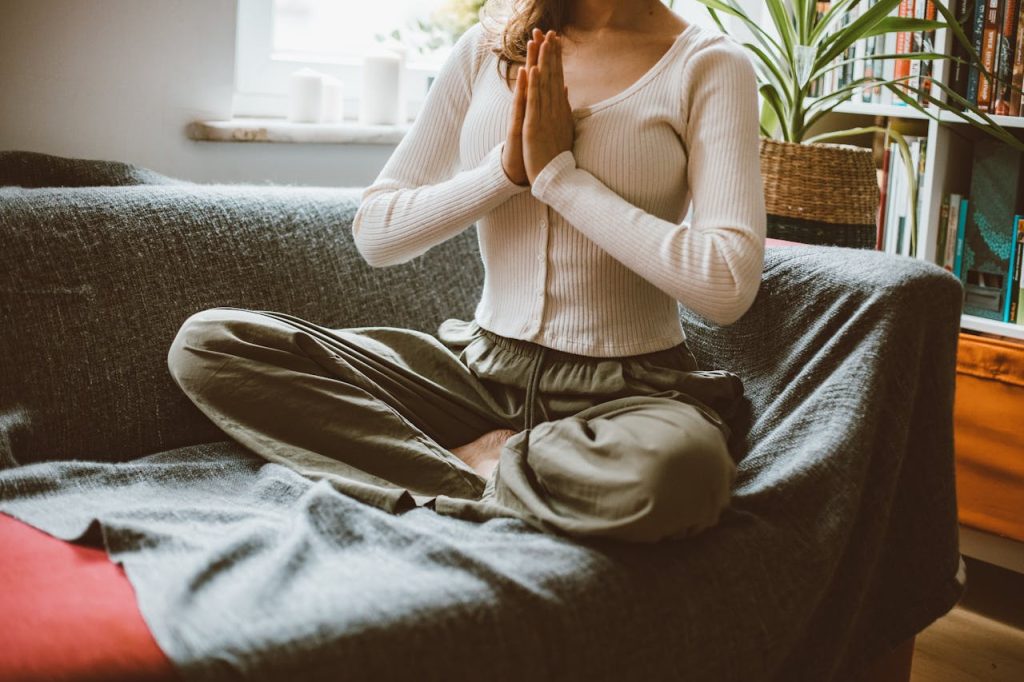
How to Create a Daily Meditation Routine
Building a consistent practice is often more valuable than attempting long sessions occasionally.
You do not need a dedicated meditation room, expensive equipment, or hours of free time. A few intentional minutes can be a practical starting point.
Here is a simple routine you can adapt to your lifestyle.
Step 1: Choose a Comfortable Time
Select a time when you are less likely to be interrupted.
Some people prefer morning meditation because it creates an opportunity to begin the day with awareness. Others enjoy evening sessions as a way to reflect and transition toward rest.
Choose whichever time feels realistic.
Step 2: Create a Peaceful Environment
Find a space where you can sit comfortably.
You might choose a quiet bedroom, a comfortable corner of your living room, or an outdoor space.
Consider keeping your phone away or switching off unnecessary notifications.
The goal is not to create a perfect environment. It is simply to reduce distractions.
Step 3: Start With Short Sessions
Beginners sometimes believe they must meditate for 30 or 60 minutes to experience meaningful benefits.
That is not necessary.
Start with five minutes a day. Once the practice becomes familiar, you can gradually increase your session length.
A manageable routine is more likely to become a lasting habit.
Step 4: Accept That Your Mind Will Wander
One of the most common beginner mistakes is assuming that successful meditation requires an empty mind.
In reality, thoughts naturally appear.
You may remember an unfinished task, think about a conversation, or start planning tomorrow.
When this happens, acknowledge the distraction and gently return your attention to the present moment.
Each time you do this, you are practicing mindfulness.
Step 5: Reflect on Your Experience
After each session, take a moment to notice how you feel.
You might feel relaxed, distracted, restless, or exactly the same as before.
All of these experiences are normal.
Avoid judging your progress based on whether every session feels peaceful. Consistency and awareness are more useful measures of your developing practice.
Meditation and Healing Through Everyday Mindfulness
Meditation does not have to happen only during dedicated practice sessions.
You can bring mindfulness into ordinary activities and create more opportunities for awareness throughout your day.
Here are some practical examples.
Practice Mindful Walking
Instead of focusing on your phone or rushing toward your destination, pay attention to the experience of walking.
Notice your feet touching the ground, the movement of your body, and the sounds around you.
Even a short mindful walk can become an opportunity to reconnect with the present.
Try Mindful Eating
Eating mindfully means giving your attention to the experience of enjoying food.
Notice its taste, texture, smell, and appearance. Eat slowly and recognize when you feel satisfied.
This practice encourages greater awareness of everyday habits.
Create a Gratitude Practice
At the end of the day, identify three things you appreciate.
They do not need to be significant achievements.
You might feel grateful for a supportive conversation, a peaceful morning, or a moment of laughter.
Writing these experiences in a journal can help you develop a habit of noticing positive moments.
Take Mindful Breaks
You do not need to wait until you feel overwhelmed to pause.
Take one or two minutes between activities to relax your shoulders, notice your breathing, and reconnect with your surroundings.
Small pauses can make mindfulness more practical and sustainable.
Common Mistakes to Avoid When Starting Meditation
Although meditation is relatively simple, beginners sometimes develop expectations that make the practice unnecessarily difficult.
Understanding these common mistakes can help you approach it with greater confidence.
Expecting immediate results: Meditation is a skill that develops through practice. Avoid expecting dramatic changes after one session.
Trying to stop every thought: Thoughts are a natural part of the mind. The objective is to notice them without becoming completely absorbed in them.
Comparing your experience with others: Everyone approaches meditation differently. Your practice does not need to look like someone else’s.
Practicing only when stressed: Meditation can be valuable as a regular mindfulness habit, not just something you turn to during difficult moments.
Forcing yourself to continue when uncomfortable: Meditation should be approached with flexibility. If a particular technique increases discomfort, stop or try a different approach. Some people may benefit from practicing with guidance from a qualified professional.
What Meditation Can and Cannot Do
It is important to maintain realistic expectations when exploring mindfulness practices.
Research suggests that certain meditation and mindfulness programs may help some people manage stress, anxiety symptoms, and depressive symptoms. However, results vary, and meditation does not work equally well for everyone.
It is also important to understand what meditation cannot promise.
Meditation cannot guarantee:
- The elimination of emotional pain.
- A cure for anxiety, depression, or other medical conditions.
- Immediate recovery from difficult experiences.
- Permanent freedom from stress.
- A replacement for medical or mental health treatment.
If you are experiencing persistent emotional distress, significant anxiety, depression, or other health concerns, consider speaking with a qualified healthcare professional.
Meditation can be a complementary wellness practice, but professional support remains important when needed.
Building a More Meaningful Mindfulness Journey
The most valuable part of developing a meditation habit is discovering how awareness can become part of your everyday life.
You may begin with a simple breathing exercise and eventually explore guided meditation, body scans, loving-kindness practices, or mindful movement.
As you become more familiar with different approaches, pay attention to what feels helpful, comfortable, and sustainable.
At MindfulnessMeditationHub.com, we believe mindfulness should be accessible and practical. Our goal is to provide useful resources, exercises, and mindfulness techniques that help you explore different practices and incorporate them into your daily life.
Whether you are taking your first steps or looking to deepen an established practice, you can explore ideas that support your personal mindfulness journey.
Remember that progress does not always mean doing more. Sometimes, it means learning to pause, listen, and approach yourself with greater understanding.
Frequently Asked Questions (FAQs)
1. Can meditation help with emotional healing?
Meditation may support emotional awareness, self-compassion, and stress management. It can help you observe difficult emotions without immediately reacting to them. However, it is not a substitute for professional mental health treatment.
2. How long should I meditate each day?
Beginners can start with five minutes daily. As you become more comfortable, consider gradually increasing your sessions to 10 or 15 minutes. Consistency is more important than session length.
3. What is the best meditation for inner peace?
Mindfulness meditation, breathing meditation, and loving-kindness meditation are popular options. The best approach depends on your preferences, experience, and personal goals.
4. Can meditation help reduce everyday stress?
Meditation may help develop greater awareness of stress responses and encourage relaxation. Regular practice can also provide an opportunity to pause and respond to challenging situations more thoughtfully.
5. Is meditation suitable for beginners?
Yes. Many meditation techniques are beginner-friendly. Start with short sessions, choose a comfortable environment, and allow yourself time to become familiar with the practice.
6. Can I meditate before going to sleep?
Yes. Gentle breathing exercises, body scans, and guided relaxation can be incorporated into an evening routine. They may help you unwind before bedtime, although individual experiences vary.
Start Your Mindfulness Journey Today
A more mindful life does not require perfection, complicated routines, or major lifestyle changes. It begins with small decisions to become more aware of your thoughts, emotions, and everyday experiences.
Exploring meditation and healing can be a meaningful step toward developing self-awareness, emotional balance, and a healthier relationship with yourself.
Start with five minutes today. Choose one simple technique, create a comfortable space, and give yourself permission to learn at your own pace.
Visit MindfulnessMeditationHub.com to explore practical meditation guides, mindfulness exercises, and helpful resources designed to support your journey. Take the first step toward a more intentional, balanced, and mindful everyday life.
Related Topics
- Calm Coloring: Simple Mindfulness for Stress Relief
- Teaching Mindfulness: Transform Lives with Simple Practices
- Mindfulness Tip: 10 Simple Habits for a Calmer Mind
- Emotional Mindfulness: Master Your Emotions with Ease
- Mindfulness Journey: Transform Your Life with Inner Peace
- Mindfulness Emotion: Transform Your Emotional Well-Being
- Mindfulness and Stress Management: Your Path to Lasting Calm
- Mindfulness Strategy: Transform Stress Into Lasting Calm
- Mindfulness for Stress and Anxiety: Reclaim Calm Naturally
- What Is Mindfulness Meditation? Unlock Calm, Focus & Joy