
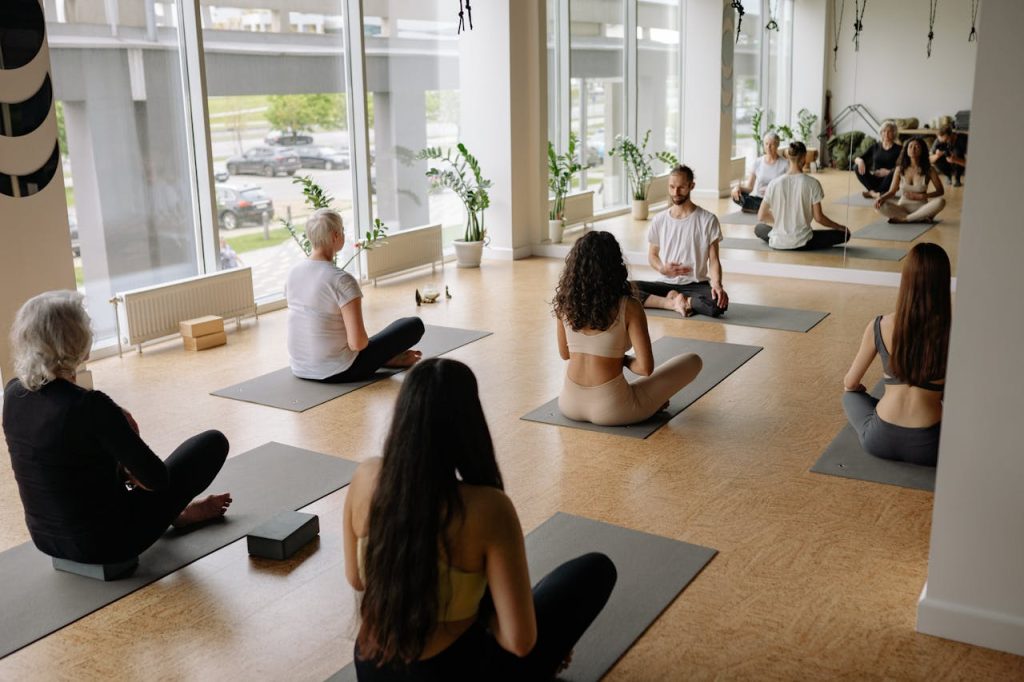
Discover how meditation awareness can transform your daily life, improve focus, and help you cultivate greater calm, clarity, and mindfulness.
This is where meditation awareness can make a meaningful difference.
At its core, awareness meditation is about learning to pay attention to the present moment without immediately judging, changing, or resisting what you experience. It helps you notice your thoughts, emotions, physical sensations, and surroundings with greater clarity.
The goal is not to stop thinking or create a perfectly quiet mind. Instead, meditation teaches you to develop a different relationship with your thoughts and experiences. With regular practice, you may become more conscious of your habits, reactions, and patterns—and more intentional about how you respond to life.
At MindfulnessMeditationHub.com, we provide practical resources, exercises, and mindfulness techniques to help you explore these practices and incorporate them into your daily life. Whether you’re new to meditation or have been practicing for years, you’ll find resources designed to support your personal mindfulness journey.
What Is Meditation Awareness?
Meditation awareness is the practice of intentionally observing your present-moment experience.
This can include noticing:
- Your thoughts
- Your emotions
- Your breathing
- Physical sensations in your body
- Sounds around you
- Your reactions to different situations
The key is observation without immediate judgment.
For example, imagine that you are sitting quietly and suddenly notice a stressful thought. Instead of immediately becoming absorbed in the thought, awareness allows you to recognize:
“I am having a stressful thought.”
That small shift can be powerful.
Rather than automatically becoming the thought, you begin observing it. You create a little space between your awareness and the mental activity happening within you.
This is one of the fundamental principles behind mindfulness practice.
Awareness Is Not About Controlling Your Mind
One of the biggest misconceptions about meditation is that you must completely clear your mind.
In reality, thoughts are a natural part of being human.
Trying to force the mind into silence can sometimes create more frustration. Awareness-based meditation takes a different approach.
Instead of fighting thoughts, you simply notice them.
A thought appears.
You recognize it.
You allow it to pass.
Then you gently return your attention to the present moment.
Over time, this practice can help you become less reactive to the constant stream of mental activity.
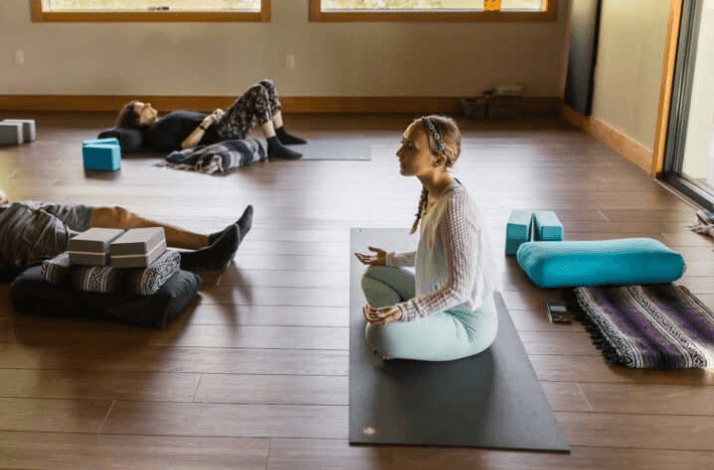
Why Awareness Matters in Everyday Life
Many of our daily behaviors happen automatically.
You might reach for your phone without thinking. You may react defensively during a conversation. You might eat while distracted or spend hours worrying about something that has not happened yet.
These automatic patterns are common because the brain often relies on habits and familiar responses.
Awareness creates an opportunity to pause.
That pause can help you ask important questions:
- What am I feeling right now?
- Why am I reacting this way?
- Is this thought helpful?
- What does my body need?
- How do I want to respond?
This is why meditation awareness is not limited to sitting quietly with your eyes closed. It can influence how you communicate, work, rest, eat, and interact with other people.
Greater awareness can help transform unconscious habits into conscious choices.
The Connection Between Mindfulness and Meditation
Mindfulness and meditation are closely connected, but they are not exactly the same thing.
Meditation is often a formal practice where you intentionally set aside time to focus your attention.
Mindfulness is the broader ability to bring awareness into everyday life.
For example:
You may meditate for ten minutes in the morning by focusing on your breath.
Later in the day, mindfulness helps you notice that you are feeling stressed during a meeting.
You recognize the tension in your shoulders, take a slow breath, and respond more calmly.
The formal meditation practice strengthens the skill of awareness. Mindfulness gives you opportunities to apply that skill throughout your day.
Together, they can support a more present and intentional way of living.
How Meditation Awareness Works
The practice may sound simple, but awareness develops gradually.
The mind naturally wanders. Thoughts appear unexpectedly. Emotions can become intense. External distractions constantly compete for attention.
Meditation does not eliminate these experiences.
Instead, it helps you notice when your attention has wandered and gently bring it back.
A typical awareness practice may involve four basic steps:
1. Focus Your Attention
Choose something happening in the present moment.
This could be:
- Your breath
- Physical sensations
- Sounds
- A visual object
- Your emotions
- Thoughts themselves
The object of attention becomes an anchor.
2. Notice When the Mind Wanders
Eventually, your attention will move somewhere else.
You may start planning tomorrow’s schedule.
You might remember a conversation from last week.
You may begin worrying about something.
This is completely normal.
3. Recognize What Happened
Instead of criticizing yourself, simply notice:
“My mind wandered.”
This moment of recognition is actually part of the practice.
4. Gently Return to the Present
Bring your attention back to your chosen anchor.
There is no need to force anything.
Simply return.
Then repeat the process whenever necessary.
Each return strengthens the habit of conscious attention.

A Simple Meditation Awareness Exercise for Beginners
You do not need special equipment, a meditation room, or years of experience to begin.
Try this simple five-minute exercise.
Step One: Find a Comfortable Position
Sit in a chair, on a cushion, or anywhere you can remain reasonably comfortable.
You can close your eyes or keep them softly focused.
Try to maintain a relaxed but alert posture.
Step Two: Bring Attention to Your Breath
Notice the natural rhythm of breathing.
Do not force your breath to change.
Simply observe:
- The air moving into your body
- The sensation of breathing
- Your chest or abdomen rising and falling
Step Three: Allow Thoughts to Come and Go
Thoughts will appear.
Instead of following every thought, simply notice that thinking is happening.
You might quietly label the experience:
“Thinking.”
Then return your attention to the breath.
Step Four: Observe Without Judgment
Perhaps you feel restless.
Maybe you feel calm.
Perhaps you are bored.
Notice whatever is present without deciding that the experience is good or bad.
Awareness does not require perfection.
Step Five: End Slowly
After five minutes, take a moment to notice how you feel.
There is no correct result.
Some sessions may feel peaceful. Others may feel difficult or distracted.
Consistency matters more than having a perfect meditation experience.
The Benefits of Developing Greater Awareness
Regular meditation practice can influence how you experience everyday situations.
Although each person’s experience is different, greater awareness may support several important aspects of daily life.
Improved Focus and Attention
Modern life constantly competes for your attention.
Emails, social media, messages, advertisements, and responsibilities can make sustained concentration difficult.
Meditation gives you repeated opportunities to practice returning your attention.
Over time, you may become better at noticing distractions before they completely pull you away from what matters.
Greater Emotional Awareness
Emotions often influence behavior before we consciously recognize them.
For example, frustration may lead to a sharp response. Anxiety may lead to avoidance.
Awareness helps you identify emotions earlier.
Instead of immediately reacting, you may begin to notice:
“I am feeling frustrated.”
That recognition can create space for a more thoughtful response.
Less Automatic Reactivity
There is an important difference between reacting and responding.
A reaction is often immediate and automatic.
A response involves awareness and choice.
By practicing meditation awareness, you may become better at recognizing your internal triggers before acting on them automatically.
A Stronger Connection to the Present Moment
Many people spend significant amounts of time mentally living somewhere other than the present.
They replay the past.
They imagine future problems.
They analyze situations repeatedly.
Awareness brings attention back to what is happening now.
This does not mean ignoring responsibilities or future planning. Instead, it means recognizing when the mind has become trapped in unnecessary mental activity.
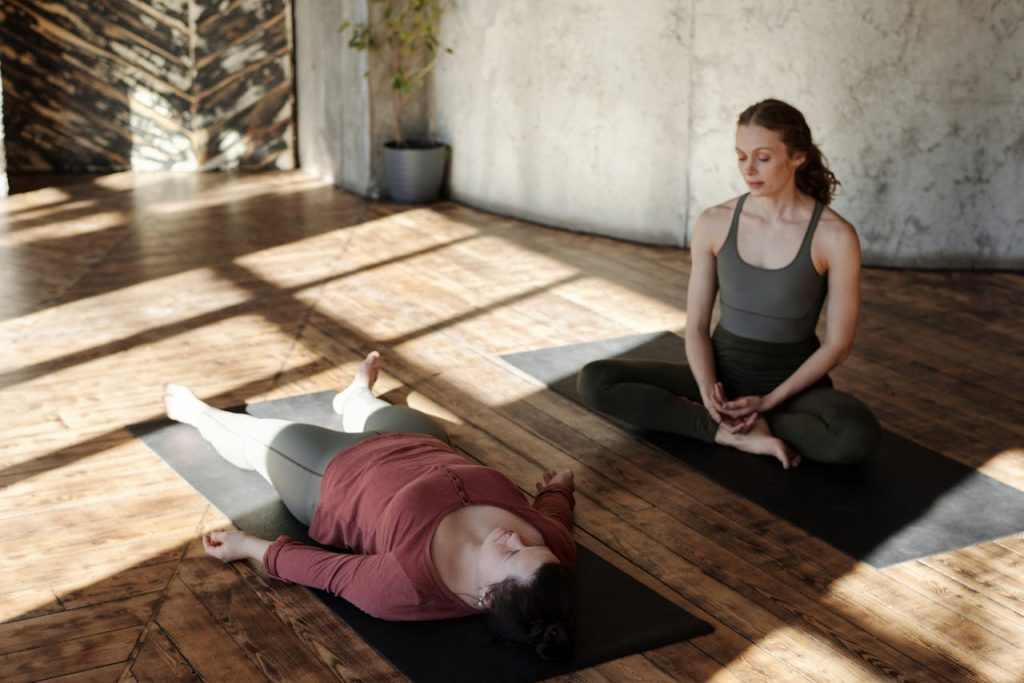
Common Challenges During Awareness Meditation
Meditation is simple, but it is not always easy.
Beginners often encounter several common challenges.
“I Cannot Stop Thinking”
You do not need to stop thinking.
The goal is to notice thoughts without becoming completely absorbed by them.
A wandering mind is not evidence of failure.
Noticing that the mind wandered is part of the practice.
Feeling Restless or Impatient
Sitting still can initially feel uncomfortable.
You may feel an urge to check your phone or do something else.
Instead of immediately following the urge, notice it.
What does restlessness feel like in your body?
What thoughts accompany it?
Curiosity can transform discomfort into an opportunity for observation.
Falling Asleep
If you regularly become sleepy during meditation, consider practicing while sitting upright.
You might also meditate earlier in the day when your energy level is higher.
Expecting Immediate Results
Meditation is a skill developed through repetition.
Some days may feel calm and focused.
Other days may feel scattered.
Both experiences are part of learning.
The practice is not about achieving a particular emotional state every time.
It is about becoming more familiar with your present-moment experience.
How to Bring Awareness Into Daily Life
Formal meditation is valuable, but awareness becomes especially powerful when practiced outside meditation sessions.
Here are several ways to develop mindfulness throughout the day.
Practice Mindful Breathing
Take a few moments to notice your breathing during transitions.
Try this:
- Before starting work
- Before entering a meeting
- Before responding to a stressful message
- Before going to sleep
Even three conscious breaths can create a moment of pause.
Eat Without Distractions
Try eating one meal or snack without scrolling through your phone.
Notice:
- The taste
- The texture
- The smell
- Your level of hunger
- When you begin feeling satisfied
This simple exercise helps connect mindfulness with an everyday activity.
Pay Attention During Conversations
When speaking with someone, notice whether your mind is preparing your next response before they finish talking.
Practice listening fully.
Observe their words, tone, and expressions.
Mindful communication can improve connection and reduce misunderstandings.
Notice Your Environment
Pause occasionally and observe your surroundings.
What can you see?
What can you hear?
What physical sensations are present?
This can help interrupt autopilot and reconnect you with the current moment.
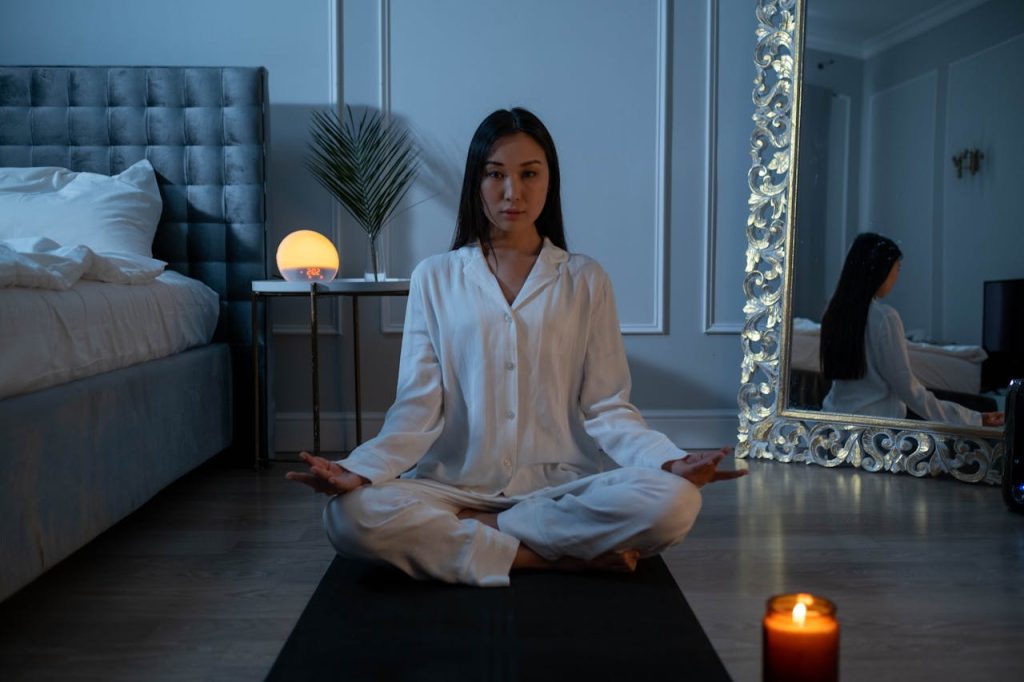
Meditation Awareness and Self-Awareness
Meditation can also support deeper self-awareness.
As you regularly observe your thoughts and emotions, you may begin noticing recurring patterns.
For example, you might discover:
- Situations that consistently trigger stress
- Negative self-talk patterns
- Habits that drain your energy
- Activities that make you feel more present
- Relationships where you become reactive
- Times when you feel most calm and focused
This awareness can become the foundation for personal growth.
You cannot always control what thoughts or emotions appear.
However, understanding your patterns can help you make more conscious decisions.
This is one reason meditation is often considered a practice of observation rather than control.
How Often Should You Practice?
There is no universal rule for everyone.
A beginner might start with five minutes per day.
Over time, you could gradually increase your practice.
A realistic routine may look like this:
Week 1: Five minutes per day
Week 2: Seven to ten minutes per day
Week 3: Ten to fifteen minutes per day
The most important factor is consistency.
A short daily practice may be easier to maintain than an ambitious routine that quickly becomes overwhelming.
You can also experiment with different approaches, including:
- Breath awareness meditation
- Body scan meditation
- Walking meditation
- Loving-kindness meditation
- Guided meditation
Exploring different techniques can help you discover what feels most sustainable for your lifestyle.
Tips for Building a Consistent Practice
Creating a meditation habit does not require extreme discipline.
Small adjustments can make consistency easier.
Choose a Regular Time
Meditating at approximately the same time each day can help establish a routine.
Morning works well for some people, while others prefer evening.
Choose what fits naturally into your schedule.
Start Small
Do not feel pressured to meditate for thirty minutes immediately.
Five focused minutes are a meaningful beginning.
Create a Simple Reminder
Connect meditation with an existing habit.
For example:
“After I brush my teeth, I will meditate for five minutes.”
Habit connections can make new routines easier to remember.
Be Patient With Yourself
Some days will be easier than others.
Missing a session does not mean you have failed.
Simply return to the practice.
Long-term consistency is built through flexibility, not perfection.
Exploring Your Personal Mindfulness Journey
There is no single perfect way to practice mindfulness.
Your journey may evolve over time.
You may begin with breathing exercises and later explore body awareness or guided meditation. You may discover that walking meditation feels more natural than sitting meditation.
The important thing is to remain curious.
Ask yourself:
- What helps me feel present?
- When do I become most distracted?
- What situations trigger automatic reactions?
- Which mindfulness practices fit my daily routine?
- How can I create more moments of intentional awareness?
These questions can help transform meditation from an occasional activity into a meaningful part of your lifestyle.
Practical Resources for Continued Mindfulness Practice
Learning about mindfulness is valuable, but direct experience is what turns knowledge into a practice.
The best approach is often to start simply and remain consistent.
At MindfulnessMeditationHub.com, we provide practical resources, exercises, meditation techniques, and mindfulness guidance designed to support people at different stages of their journey.
Whether you want to learn the basics of meditation, develop a daily mindfulness habit, explore gratitude practices, improve your ability to stay present, or discover new meditation techniques, our resources are designed to make mindfulness more approachable.
You do not need to master everything at once.
Start with one practice.
Give yourself time.
Observe your experience with curiosity.
Then allow your practice to develop naturally.
Final Thoughts: Awareness Begins With One Moment
Meditation awareness is ultimately about learning to become more present with your own experience.
It is not about becoming perfectly calm, eliminating every thought, or achieving a special mental state.
It is about noticing.
Noticing your breath.
Noticing your thoughts.
Noticing your emotions.
Noticing the present moment.
With regular practice, those small moments of awareness can gradually influence how you experience everyday life.
The journey does not require perfection.
It simply begins with paying attention.
If you’re ready to explore mindfulness more deeply, visit MindfulnessMeditationHub.com and discover practical meditation resources, exercises, and techniques to support your personal journey toward greater awareness, presence, and intentional living.
Related Topics
- Calm Coloring: Simple Mindfulness for Stress Relief
- Teaching Mindfulness: Transform Lives with Simple Practices
- Mindfulness Tip: 10 Simple Habits for a Calmer Mind
- Emotional Mindfulness: Master Your Emotions with Ease
- Mindfulness Journey: Transform Your Life with Inner Peace
- Mindfulness Emotion: Transform Your Emotional Well-Being
- Mindfulness and Stress Management: Your Path to Lasting Calm
- Mindfulness Strategy: Transform Stress Into Lasting Calm
- Mindfulness for Stress and Anxiety: Reclaim Calm Naturally
- What Is Mindfulness Meditation? Unlock Calm, Focus & Joy