

In today’s fast-paced world, emotional overload, anxiety, and burnout have become increasingly common. One of the most effective, accessible, and scientifically supported tools for restoring balance is meditation for mental health.
At its core, meditation is not about “emptying the mind.” It is about training attention, improving awareness, and creating space between thoughts and emotional reactions. This simple shift can significantly improve how the brain responds to stress, making it a powerful tool for long-term emotional resilience.
Modern wellness approaches, including those used in integrative care settings and holistic health programs, increasingly recognize meditation for mental health as a foundational practice for emotional regulation and stress recovery.
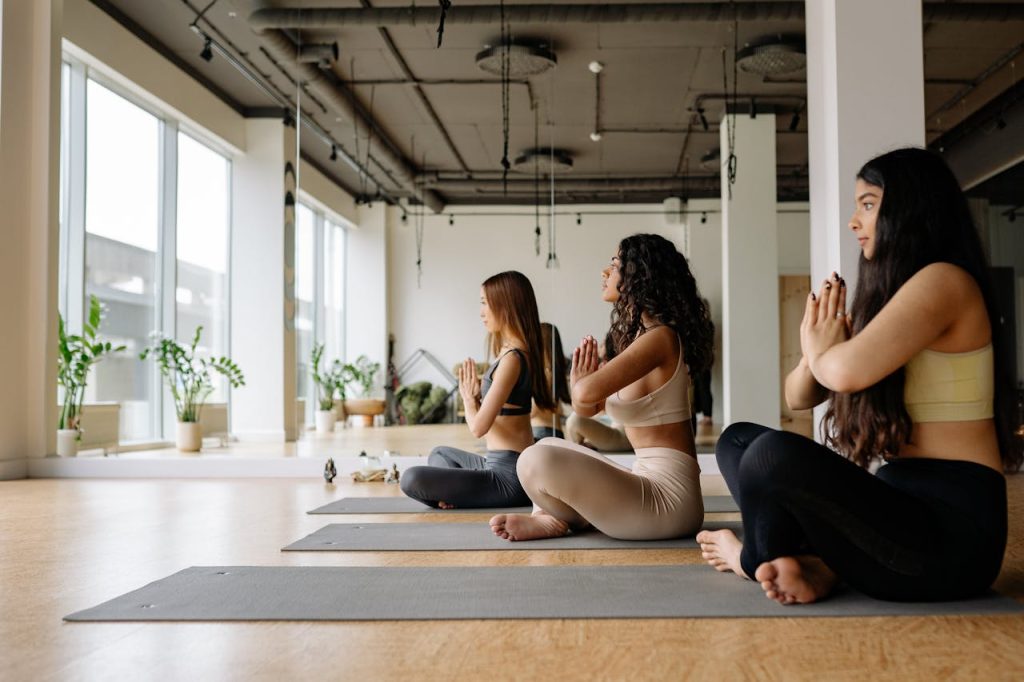
Understanding Meditation and Its Role in Mental Wellness
To understand why meditation for mental health is so effective, it helps to look at how the brain processes stress.
When you experience stress, the amygdala (the brain’s alarm system) becomes overactive. Meditation helps calm this response by activating the prefrontal cortex, the area responsible for rational thinking and emotional control.
Over time, this leads to:
- Reduced emotional reactivity
- Improved focus and attention span
- Better stress management
- Increased self-awareness
- Greater emotional stability
This is why clinicians, therapists, and wellness practitioners increasingly recommend meditation for mental health as a complementary practice alongside traditional therapies.
Key Benefits of Meditation for Mental Health
The benefits of meditation for mental health extend far beyond relaxation. It creates long-term structural and functional changes in the brain.
1. Reduces Stress and Anxiety
Regular meditation lowers cortisol levels, the hormone responsible for stress. This helps the body shift into a calmer, more balanced state.
2. Improves Emotional Regulation
Meditation strengthens the brain’s ability to pause before reacting, reducing impulsive emotional responses.
3. Enhances Focus and Mental Clarity
One of the most noticeable benefits of meditation for mental health is improved concentration and cognitive performance.
4. Supports Depression Management
Studies show that mindfulness-based meditation practices can help reduce symptoms of depression by improving thought awareness and reducing negative rumination.
5. Improves Sleep Quality
By calming the nervous system, meditation helps regulate sleep cycles and reduces insomnia caused by anxiety or overthinking.
Additional benefits include:
- Increased self-awareness
- Better stress resilience
- Improved mood stability
- Lower blood pressure
- Enhanced overall well-being
Types of Meditation for Mental Health
There is no single way to practice meditation. Different techniques offer different benefits depending on individual needs.
Mindfulness Meditation
This is the most widely studied form of meditation for mental health. It focuses on observing thoughts without judgment.
Guided Meditation
A teacher or recording leads you through visualization or relaxation exercises.
Breathing-Based Meditation
This technique focuses on controlled breathing to regulate the nervous system.
Body Scan Meditation
Attention is moved systematically through the body to release tension and increase awareness.
Loving-Kindness Meditation
Focuses on developing compassion toward yourself and others.
Each method supports emotional wellness in a unique way, making meditation highly adaptable.
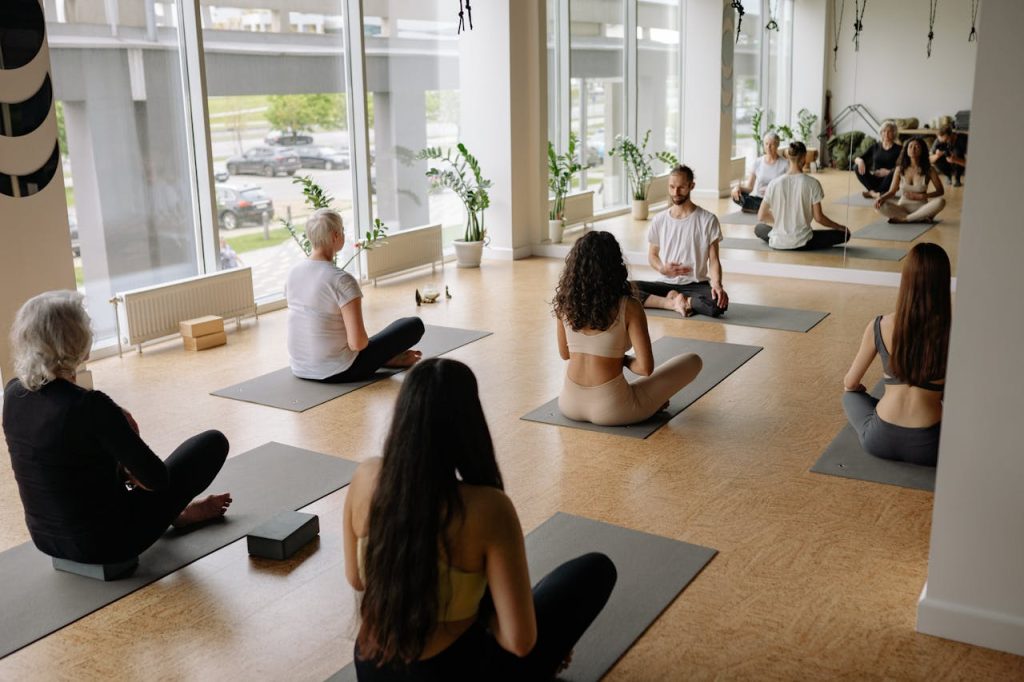
How to Start a Meditation Practice
Beginning meditation for mental health does not require experience or special tools. It only requires consistency.
Step 1: Start Small
Begin with 5–10 minutes daily. Consistency matters more than duration.
Step 2: Find a Quiet Space
Choose a calm environment where you can sit comfortably without distractions.
Step 3: Focus on Your Breath
Pay attention to natural inhalation and exhalation patterns.
Step 4: Acknowledge Thoughts Without Judgment
When thoughts arise, gently return focus to your breath.
Step 5: Build Gradually
Over time, increase your session length as comfort improves.
Common Challenges in Meditation Practice
While meditation for mental health is simple, beginners often face challenges.
Difficulty Staying Focused
It’s normal for the mind to wander. The key is gently redirecting attention.
Restlessness or Discomfort
Physical discomfort can be reduced by adjusting posture or using guided meditation.
Unrealistic Expectations
Meditation is not about instant peace—it is about long-term mental training.
Inconsistency
Daily practice is more effective than occasional long sessions.
Scientific Evidence Supporting Meditation for Mental Health
Research in neuroscience and psychology strongly supports meditation for mental health.
Brain imaging studies show that regular meditation can:
- Increase gray matter in areas related to learning and memory
- Strengthen emotional regulation networks
- Reduce activity in stress-related brain regions
- Improve connectivity between brain regions responsible for attention
Clinical studies also show reductions in anxiety, depression, and stress-related disorders among consistent practitioners.
How Meditation Complements Modern Mental Health Care
In clinical and wellness settings, meditation for mental health is often used alongside:
- Cognitive Behavioral Therapy (CBT)
- Stress management programs
- Lifestyle counseling
- Mind-body wellness treatments
This integrative approach helps patients achieve more sustainable emotional balance.
Meditation does not replace medical care but enhances its effectiveness by supporting emotional regulation and long-term resilience.
Practical Tips for Better Results
To maximize the benefits of meditation for mental health, consistency and environment matter.
- Practice at the same time daily
- Avoid distractions (phones, notifications)
- Use guided apps if needed
- Pair meditation with breathing exercises
- Be patient with progress
Small improvements build up over time, leading to noticeable emotional and cognitive changes.
Building a Long-Term Meditation Habit
The true power of meditation for mental health comes from long-term practice.
To build a sustainable habit:
- Attach meditation to an existing routine (morning coffee, bedtime)
- Keep sessions short but consistent
- Track progress weekly
- Experiment with different meditation styles
- Focus on how you feel, not perfection
Over time, meditation becomes a natural part of daily emotional maintenance.
Start Your Mental Wellness Journey Today
If you are looking for a natural, science-backed way to reduce stress, improve focus, and support emotional balance, meditation for mental health is one of the most effective tools available.
At Collective Aesthetics, we believe true wellness includes both inner balance and outer confidence. Supporting mental clarity is an essential part of feeling your best every day.
Take the first step toward a calmer, more centered version of yourself—begin your mindfulness journey today and experience the long-term benefits of consistent practice.
Related Topics
- Meditation Facts That Will Transform Your Mind and Life
- Meditation for Stress Management: Find Calm in a Busy Life
- Meditation for Severe Anxiety: Find Lasting Calm & Relief
- Jon Kabat Zinn Meditation: Transform Stress Into Lasting Calm
- Loving Kindness Meditation Script for Deep Healing & Peace
- What Is Mindfulness Meditation? Unlock Calm, Focus & Joy
- Scripts for Meditation: Powerful Guides for Inner Peace
- Love and Kindness Meditation Script for Deep Inner Peace
- Loving Compassion Meditation: Cultivate Peace & Kindness
- Loving Kindness Meditation: A Practical Guide to a Kinder Mind