
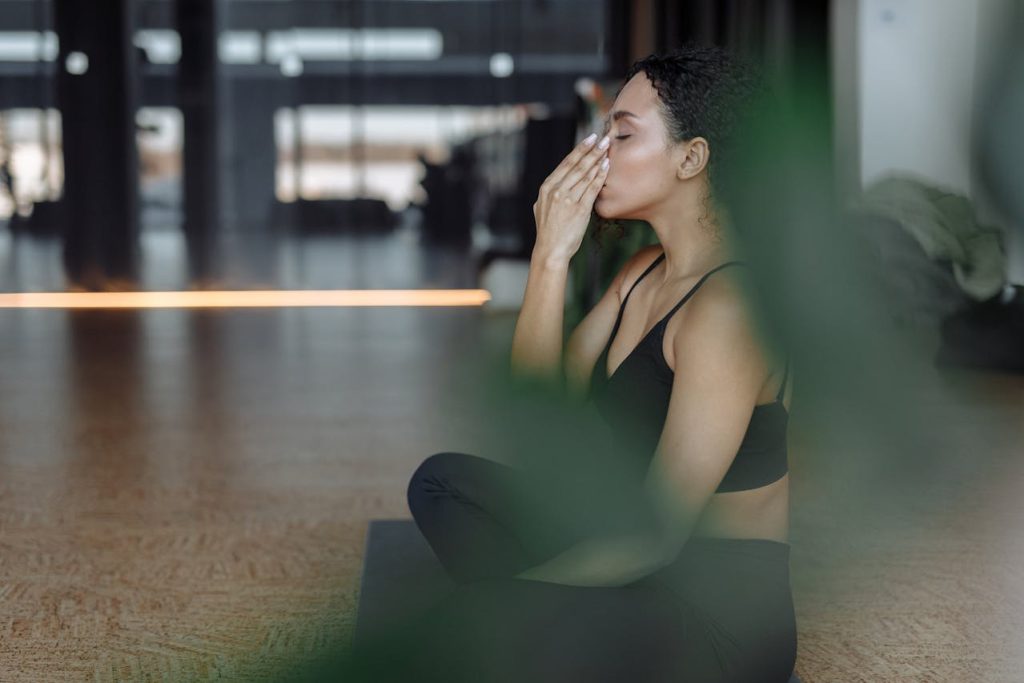
What Does It Mean to Be a Meditation Person?
The phrase meditation person can describe someone who regularly practices meditation or has developed a lifestyle centered around mindfulness, self-awareness, and intentional living. However, becoming one does not require spending hours sitting silently or following a particular spiritual tradition.
Meditation is a practice that can fit into many different lifestyles. Some people meditate for five minutes before work, while others use breathing exercises during stressful moments or practice mindful awareness while walking, eating, or relaxing.
At MindfulnessMeditationHub.com, we provide practical resources, exercises, and mindfulness techniques to help you explore these practices and incorporate them into everyday life. Whether you are completely new to meditation or have practiced for years, the goal is to make mindfulness approachable, useful, and sustainable.
The important thing is not how long you meditate. What matters is developing a consistent relationship with awareness.
What Is a Meditation Person Really Like?
There is no single personality type associated with meditation. A person who meditates can be outgoing or quiet, highly spiritual or completely secular, young or older, highly disciplined or simply curious.
The term is better understood as describing someone’s practice and approach to awareness rather than their personality.
A regular practitioner may gradually become more familiar with:
- Observing thoughts without immediately reacting to them
- Paying attention to breathing and physical sensations
- Recognizing emotional patterns
- Returning attention to the present moment
- Creating intentional pauses throughout the day
- Responding rather than automatically reacting
- Developing greater awareness of everyday experiences
These qualities do not appear overnight. Meditation is a skill, and like any skill, it develops through repeated practice.
For example, imagine receiving an upsetting message at work. Instead of immediately responding, you pause, notice your breathing, recognize the frustration in your body, and give yourself a moment before deciding what to say.
That brief pause is mindfulness in action.
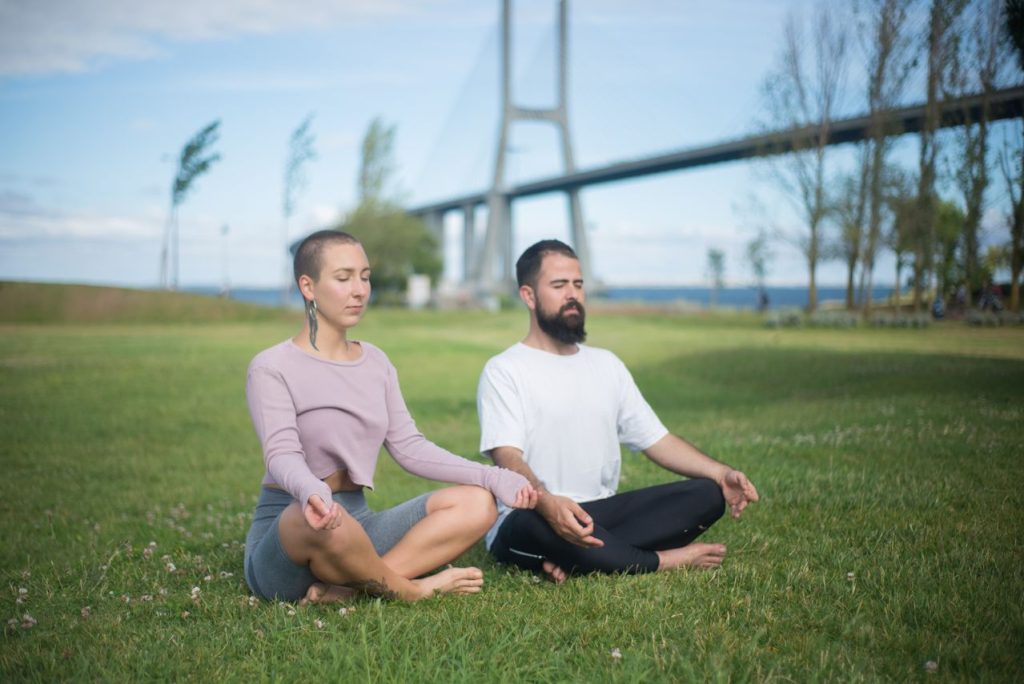
Common Traits of Someone Who Practices Meditation
Although every practitioner is different, regular meditation may encourage certain habits and attitudes.
Greater Self-Awareness
One of the central purposes of mindfulness is learning to notice what is happening internally.
You may begin recognizing thoughts such as:
“I’m worried about what might happen.”
“I’m replaying something that happened earlier.”
“I’m assuming what another person is thinking.”
The goal is not necessarily to eliminate these thoughts. Instead, you learn to recognize them as thoughts rather than automatically treating every thought as fact.
More Present-Moment Attention
Many people spend substantial amounts of time thinking about the past or anticipating the future.
Meditation provides an opportunity to practice returning attention to what is happening right now.
During a breathing meditation, for instance, your attention may wander. Rather than criticizing yourself, you notice the distraction and gently return your attention to the breath.
That simple cycle—notice, redirect, repeat—is an important part of mindfulness training.
A More Observant Relationship With Emotions
Meditation does not mean becoming emotionless.
Instead, mindfulness can encourage people to observe emotions with greater curiosity. You might notice tension when you’re frustrated, heaviness when you’re sad, or restlessness when you’re anxious.
This creates space between experiencing an emotion and immediately acting on it.
Patience With the Learning Process
Meditation is sometimes presented as an instant route to peace. In reality, developing a regular practice can be challenging.
Your mind may wander constantly. You may feel bored. You may struggle to sit still.
Those experiences do not mean you’re failing.
They are opportunities to practice noticing what is happening without judgment.
Meditation Person vs. Someone Who Occasionally Meditates
| Meditation Person | Someone Who Occasionally Meditates |
|---|---|
| Practices meditation regularly as part of a routine | Meditates occasionally, often when there is free time |
| May practice mindfulness throughout the day | Usually focuses on formal meditation sessions |
| Builds consistency over time | Practice may be irregular |
| Uses meditation for self-awareness and mindful living | May use meditation mainly for relaxation or stress relief |
| Experiments with different meditation techniques | May use one technique whenever they meditate |
| Tries to bring present-moment awareness into everyday activities | Usually practices mindfulness during dedicated sessions |
| Accepts that some meditation sessions may feel difficult or distracting | May expect each session to feel calm or relaxing |
| Focuses on developing a sustainable long-term practice | Often practices based on immediate motivation or need |
How to Become a Meditation Person Without Overcomplicating It
You do not need expensive equipment, a special room, or hours of free time.
Start with a realistic routine that you can actually maintain.
Step 1: Choose a Small Starting Point
Begin with five minutes.
Sit comfortably, relax your shoulders, and bring your attention to your breathing.
You don’t have to control the breath. Simply notice it.
When your attention wanders, acknowledge it and gently return.
Step 2: Pick a Consistent Time
Consistency is often more useful than intensity.
You could practice:
- After waking up
- Before breakfast
- During a lunch break
- After work
- Before bedtime
Choose a time that naturally fits your schedule.
Step 3: Select One Simple Technique
Beginners often make meditation unnecessarily complicated by trying too many techniques at once.
Start with one method, such as:
Breath awareness: Focus attention on natural breathing.
Body scan: Slowly notice sensations throughout the body.
Loving-kindness meditation: Silently offer kind intentions toward yourself and others.
Mindful walking: Pay attention to movement, balance, sounds, and sensations while walking.
Gratitude practice: Intentionally notice things you appreciate.
After becoming comfortable with one approach, you can explore additional practices.
Step 4: Expect Your Mind to Wander
A wandering mind is normal.
You may think about dinner, work, relationships, money, plans, or something that happened years ago.
Instead of thinking, “I’m bad at meditation,” try:
“I noticed my attention wandered. Now I can return.”
That return is part of the practice.
Step 5: Track Consistency Rather Than Perfection
Avoid judging your meditation practice solely by how peaceful you felt.
A difficult session can still be useful.
Consider tracking:
- How often you practiced
- How long you practiced
- Which technique you used
- How you felt before and afterward
- What distractions repeatedly appeared
Over time, these observations can help you understand your practice more clearly.
A Simple Daily Routine for a Meditation Person
If you want to develop a sustainable mindfulness habit, try this 10-minute routine.
Minutes 1–2: Arrive
Sit comfortably and notice your surroundings. Feel the contact between your body and the chair or floor.
Minutes 3–5: Follow the Breath
Notice the inhale and exhale without forcing them to change.
Minutes 6–8: Observe
Allow thoughts, sounds, sensations, and emotions to arise. Notice them without needing to chase or suppress them.
Minutes 9–10: Reconnect
Return attention to your breathing. Before finishing, consider one intention for the rest of your day.
For example:
“Today, I’ll pause before reacting.”
Or:
“Today, I’ll pay closer attention when someone is speaking.”
This transforms meditation from an isolated activity into a practical daily intention.
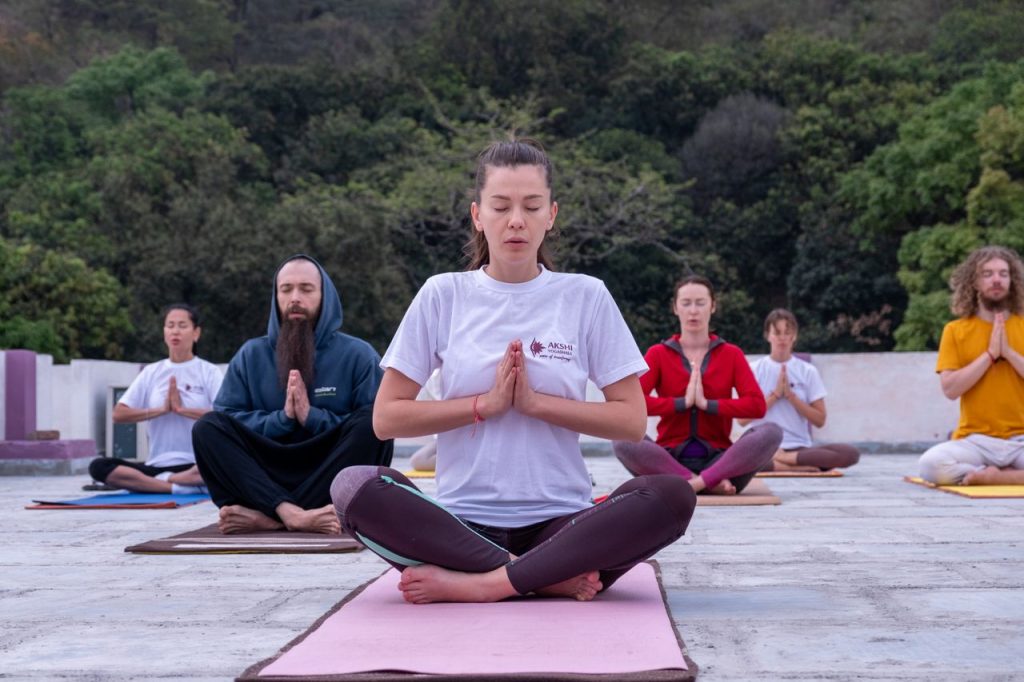
Common Misconceptions About Meditation
Several misconceptions can prevent people from developing a consistent practice.
“I Have to Empty My Mind”
You don’t need to stop thinking.
The mind naturally produces thoughts. Meditation gives you an opportunity to notice them without automatically following every thought.
“I Need to Sit Perfectly”
Comfort matters more than achieving a complicated posture.
You can sit on a chair, cushion, or another comfortable surface. The important thing is finding a position that allows you to remain reasonably alert and comfortable.
“Meditation Should Always Feel Peaceful”
Some sessions feel calm. Others feel restless, emotional, boring, or distracted.
Meditation is not a requirement to manufacture a particular emotional state. Instead, it can be a way to observe your current experience.
“Longer Sessions Are Always Better”
Long sessions can be valuable for experienced practitioners, but beginners can benefit from shorter practices.
Five focused minutes that you repeat consistently may be easier to sustain than an ambitious routine that you abandon after several days.
How Mindfulness Extends Beyond Meditation
A meditation person does not necessarily spend the entire day meditating.
Instead, formal meditation can serve as training for everyday awareness.
Try bringing mindfulness into ordinary activities.
When drinking coffee, notice the aroma, temperature, flavor, and physical sensations.
When talking with someone, notice whether you are actually listening or preparing your response.
When walking outside, observe sounds, movement, temperature, and your surroundings.
When emotions become intense, pause and identify what you are experiencing before reacting.
These small practices can make mindfulness feel less like a separate task and more like a way of engaging with everyday life.
How to Stay Consistent When Motivation Disappears
Motivation naturally changes.
Some mornings you will want to meditate. Other days, you may prefer to stay in bed or move immediately into your daily responsibilities.
Instead of depending entirely on motivation, create simple environmental cues.
For example:
- Keep your meditation cushion somewhere visible.
- Set a gentle daily reminder.
- Attach meditation to an existing habit.
- Keep sessions short when you’re busy.
- Use guided practices when you need structure.
- Avoid treating missed sessions as failure.
If you miss a day, simply restart the next day.
The objective is not an uninterrupted streak. It is building a practice that can survive ordinary life.
Finding Meditation Resources That Fit Your Journey
Not every technique works equally well for every person.
Some people prefer guided meditation because they appreciate having instructions. Others prefer silence. Some enjoy breathing exercises, while others connect more naturally with body scans, walking meditation, gratitude, or loving-kindness practices.
This is why exploring different approaches can be useful.
At MindfulnessMeditationHub.com, our resources are designed to help you understand meditation and mindfulness through practical exercises, accessible explanations, and techniques that can be incorporated into everyday routines.
Rather than presenting mindfulness as something complicated or inaccessible, we focus on helping readers explore practices at their own pace.
Whether you’re searching for beginner meditation guidance, mindfulness exercises, meditation techniques, or ways to bring greater awareness into daily activities, the goal is to give you practical information you can actually use.
A More Sustainable Way to Think About Meditation
Becoming consistent with meditation is less about adopting a new identity and more about developing a relationship with attention.
You don’t have to become perfectly calm.
You don’t have to meditate for an hour every morning.
You don’t have to stop having difficult thoughts.
Instead, start by becoming curious about your experience.
Notice when your attention wanders. Notice how your body responds to stress. Notice your automatic reactions. Notice moments when you are genuinely present.
Then practice returning.
Over weeks and months, those small moments can become meaningful habits.
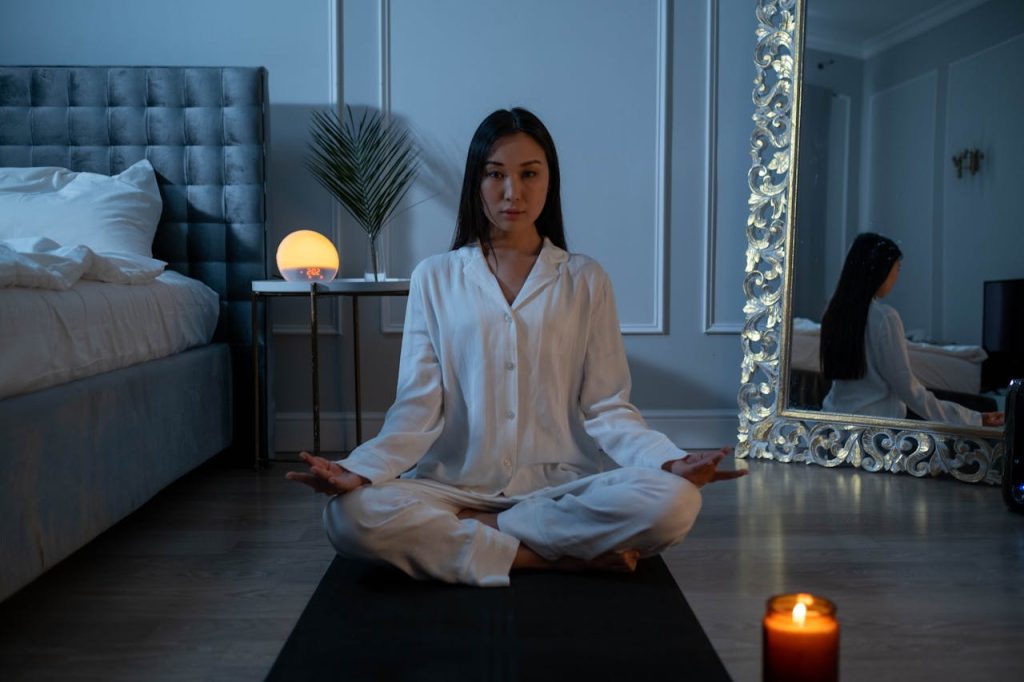
Start Your Mindfulness Journey Today
If you’ve been wondering whether meditation belongs in your everyday life, start small. Set aside five minutes, choose a comfortable position, and simply pay attention to your breathing.
From there, explore different mindfulness exercises and meditation techniques until you discover approaches that feel practical and sustainable for you.
A meditation person isn’t defined by perfection, a particular lifestyle, or the number of minutes spent meditating. The practice is about developing awareness and learning to return to the present moment again and again.
Explore the practical guides, exercises, and mindfulness resources at MindfulnessMeditationHub.com and take the next step in your personal mindfulness journey.
Related Topics
- Calm Coloring: Simple Mindfulness for Stress Relief
- Teaching Mindfulness: Transform Lives with Simple Practices
- Mindfulness Tip: 10 Simple Habits for a Calmer Mind
- Emotional Mindfulness: Master Your Emotions with Ease
- Mindfulness Journey: Transform Your Life with Inner Peace
- Mindfulness Emotion: Transform Your Emotional Well-Being
- Mindfulness and Stress Management: Your Path to Lasting Calm
- Mindfulness Strategy: Transform Stress Into Lasting Calm
- Mindfulness for Stress and Anxiety: Reclaim Calm Naturally
- What Is Mindfulness Meditation? Unlock Calm, Focus & Joy