
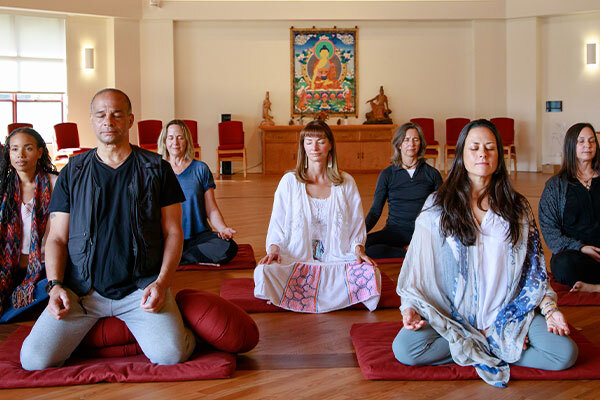
Discover a simple mindfulness activity you can practice anywhere. Explore 15 practical techniques to reduce distractions and feel more present each day.
Feeling distracted, mentally tired, or constantly pulled into the next task? You do not necessarily need another complicated routine. Sometimes, a few intentional minutes of awareness can help you reconnect with the present moment.
A mindfulness activity is any intentional practice that brings your attention to what is happening right now. It can involve breathing, walking, eating, listening, observing your surroundings, or simply noticing your thoughts without immediately reacting to them.
The good news is that mindfulness does not have to mean sitting silently for 30 minutes every morning. You can practice it while drinking coffee, taking a walk, washing dishes, or waiting in line.
At MindfulnessMeditationHub.com, we provide practical resources, exercises, and mindfulness techniques to help you explore these practices and incorporate them into your daily life. Whether you are new to meditation or have practiced for years, our goal is to support your personal mindfulness journey with approachable, useful guidance.
What Is a Mindfulness Activity?
A mindfulness activity is a deliberate exercise that encourages you to pay attention to your current experience with curiosity rather than judgment.
Instead of automatically moving through your routine, mindfulness encourages you to notice what is happening as it happens.
For example, imagine drinking a cup of tea while scrolling through your phone. Your attention is divided between the drink, the screen, notifications, and whatever you are thinking about.
Now imagine putting the phone away and noticing the warmth of the cup, the aroma of the tea, its flavor, and the sensation as you swallow. The activity has not changed much—but your level of awareness has.
That shift is at the heart of mindfulness.
Mindfulness also does not require you to eliminate thoughts. Your mind will wander. The goal is to recognize when it wanders and gently return your attention to the present experience.
Why Practice Mindfulness?
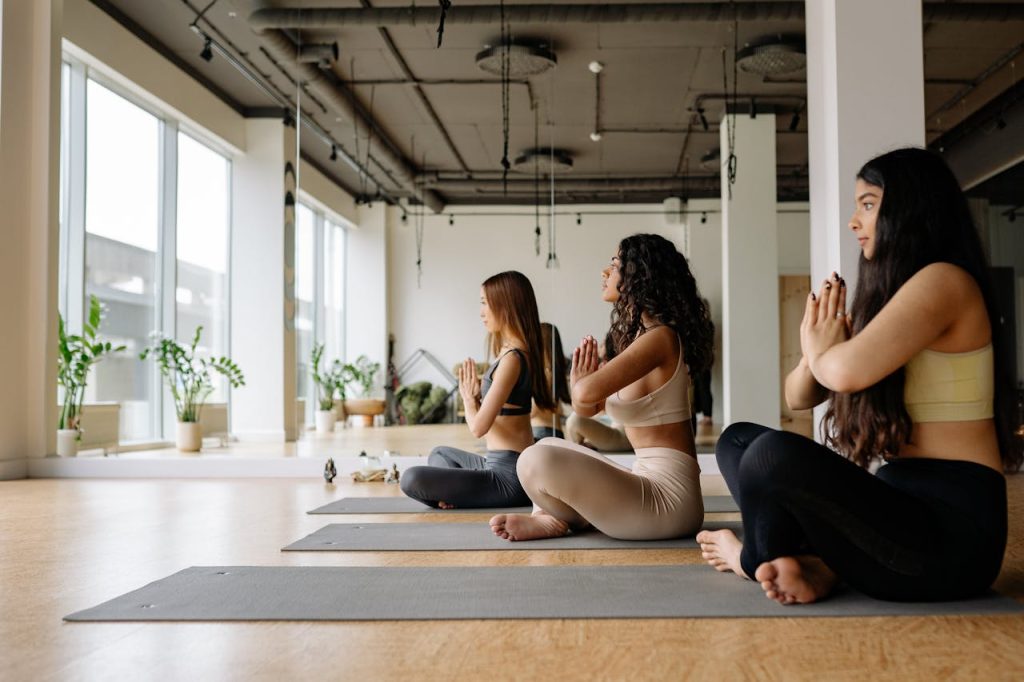
Mindfulness can be useful for people who want to become more aware of their thoughts, emotions, surroundings, and everyday habits.
A consistent practice may help you:
- Become more aware of automatic reactions
- Develop better attention and concentration
- Create moments of calm during a busy day
- Notice physical sensations and emotional states
- Approach everyday experiences with greater curiosity
- Develop greater awareness of your thoughts
- Become more intentional in daily activities
- Create a stronger connection with the present moment
It is important to keep expectations realistic. Mindfulness is not about becoming perfectly calm or never experiencing stress. Instead, it is about developing a different relationship with your experiences.
You may still feel frustrated, distracted, worried, or overwhelmed. With practice, however, you can become better at noticing those experiences without immediately being controlled by them.
15 Practical Mindfulness Activities You Can Try
You do not need special equipment or a dedicated meditation room to begin. Try one or two of these practices and see which feels natural for you.
1. Practice Mindful Breathing
Start with your natural breathing pattern.
Sit comfortably and notice the sensation of breathing in and out. Pay attention to the movement of your chest or abdomen, the air moving through your nose, or the changing rhythm of your breath.
When your mind wanders, acknowledge it and gently return your attention to breathing.
Try this for two to five minutes.
The purpose is not to force your breathing to become slow or deep. Simply observe it.
2. Try a Five-Senses Exercise
Pause wherever you are and engage your senses.
Notice:
- Five things you can see
- Four things you can physically feel
- Three things you can hear
- Two things you can smell
- One thing you can taste
This simple grounding technique can help redirect attention away from mental distractions and toward your immediate environment.
You can use it at home, outdoors, at work, or while traveling.
3. Take a Mindful Walk
Walking provides a natural opportunity to practice awareness.
Instead of listening to music or thinking about your schedule, spend several minutes noticing the physical experience of walking.
Feel your feet making contact with the ground. Notice your legs moving. Pay attention to your breathing and the environment around you.
You do not have to walk slowly. The important part is bringing attention to the experience.
4. Eat Without Distractions
Choose one meal, snack, or drink each day to experience more intentionally.
Before taking the first bite, observe the appearance and aroma of the food. Notice its texture and flavor as you eat.
Try putting your phone away and avoiding television during the exercise.
You may discover that eating mindfully makes an ordinary meal feel more engaging and satisfying.
5. Listen Mindfully
During your next conversation, practice listening without planning your response while the other person is speaking.
Notice their words, tone, pauses, and facial expressions.
When your mind starts preparing what you want to say next, gently bring your attention back to the speaker.
This practice can be especially valuable for developing more intentional communication and deeper connections.
6. Practice a Body Scan
A body scan involves slowly directing your attention toward different areas of the body.
You might begin with your feet and gradually move upward through your legs, abdomen, chest, shoulders, arms, neck, and face.
Notice sensations without deciding whether they are good or bad.
You may notice warmth, tension, pressure, tingling, heaviness, or no particular sensation at all.
There is nothing you need to change. The practice is simply about noticing.
7. Try Mindful Observation
Choose an ordinary object—a plant, stone, candle, piece of fruit, or household item.
Spend several minutes observing it carefully.
Notice its shape, texture, color, shadows, patterns, and small details you normally overlook.
This can train your attention to remain with one experience rather than constantly jumping between distractions.
8. Use a Mindful Morning Routine
The first few minutes of the morning can influence how intentionally you approach the rest of the day.
Instead of immediately checking messages or social media, take a few moments to notice your breathing, posture, surroundings, and current state of mind.
You could also set a simple intention such as:
“Today, I will pay attention to one thing at a time.”
Keep the routine realistic. A practice that takes three minutes and happens consistently can be more useful than a 30-minute routine you rarely complete.
9. Practice Mindful Stretching
Stretching can become an awareness exercise when you focus on physical sensations instead of rushing through each movement.
Notice how your muscles feel as you move. Pay attention to your breathing and posture.
Avoid forcing a stretch. The goal is awareness, not pushing your body beyond its comfortable range.
10. Try a Gratitude Pause
Take a moment during your day to identify something you genuinely appreciate.
It could be a supportive conversation, a comfortable place to rest, good weather, a favorite meal, or simply having a few quiet minutes.
Rather than quickly listing several things, spend a little time noticing why that particular experience matters to you.
This combines present-moment awareness with gratitude.
11. Notice Your Thoughts
Set aside a few minutes to observe your thoughts.
Imagine that your thoughts are passing events rather than instructions you must immediately follow.
For example, you might notice:
“I need to finish everything today.”
Instead of automatically accepting the thought as fact, recognize it as a thought.
This small distinction can create space between what your mind produces and how you choose to respond.
12. Practice Mindful Cleaning
Household chores are often treated as something to finish as quickly as possible.
Try doing one chore with your full attention.
While washing dishes, notice the temperature of the water, the texture of the sponge, the movement of your hands, and the sound around you.
A routine task can become an opportunity to practice awareness.
13. Create a Mindful Technology Break
Technology can make it difficult to remain aware of the present moment.
Choose a short period each day to step away from unnecessary notifications and screens.
Use those minutes to breathe, walk, stretch, read, or simply observe your surroundings.
The goal is not to reject technology. It is to become more intentional about when and how you use it.
14. Try a One-Minute Reset
When your day becomes hectic, stop for approximately one minute.
Ask yourself:
- What am I noticing right now?
- What sensations do I feel in my body?
- What thoughts are present?
- What sounds can I hear?
- What deserves my attention next?
Then return to what you were doing.
This short reset can be easier to maintain than waiting for the “perfect” time to meditate.
15. End the Day With Reflection
Before going to sleep, spend a few quiet minutes reviewing your day.
Think about:
- One moment you were fully present
- One thing you appreciated
- One emotion you noticed
- One situation that challenged you
- One intention for tomorrow
Do not use this exercise to criticize yourself. Treat it as an opportunity to learn how your attention moved throughout the day.
How to Choose the Right Practice
With so many techniques available, beginners sometimes make the mistake of trying everything at once.
Instead, consider your lifestyle and what you actually need.
If you feel distracted: Try mindful breathing or mindful observation.
If you spend a lot of time sitting: Try mindful walking or stretching.
If meals are rushed: Experiment with mindful eating.
If conversations feel difficult: Practice mindful listening.
If you have very little time: Use the one-minute reset.
If you want a structured practice: Try a body scan or guided meditation.
The best technique is often the one you are willing to practice consistently.
How to Build a Daily Mindfulness Habit
Starting small is one of the most practical ways to make mindfulness sustainable.
Instead of promising yourself that you will meditate for an hour every day, choose a manageable commitment.
For example:
Week 1: Practice for 2–3 minutes each day.
Week 2: Increase to 5 minutes if it feels comfortable.
Week 3: Add mindfulness to one everyday activity, such as eating or walking.
Week 4: Experiment with another technique and identify what works best.
You can also connect mindfulness with an existing habit. Practice after brushing your teeth, before lunch, after arriving at work, or before going to bed.
This approach is sometimes called habit stacking because the new behavior is attached to something you already do regularly.
Common Mistakes Beginners Should Avoid
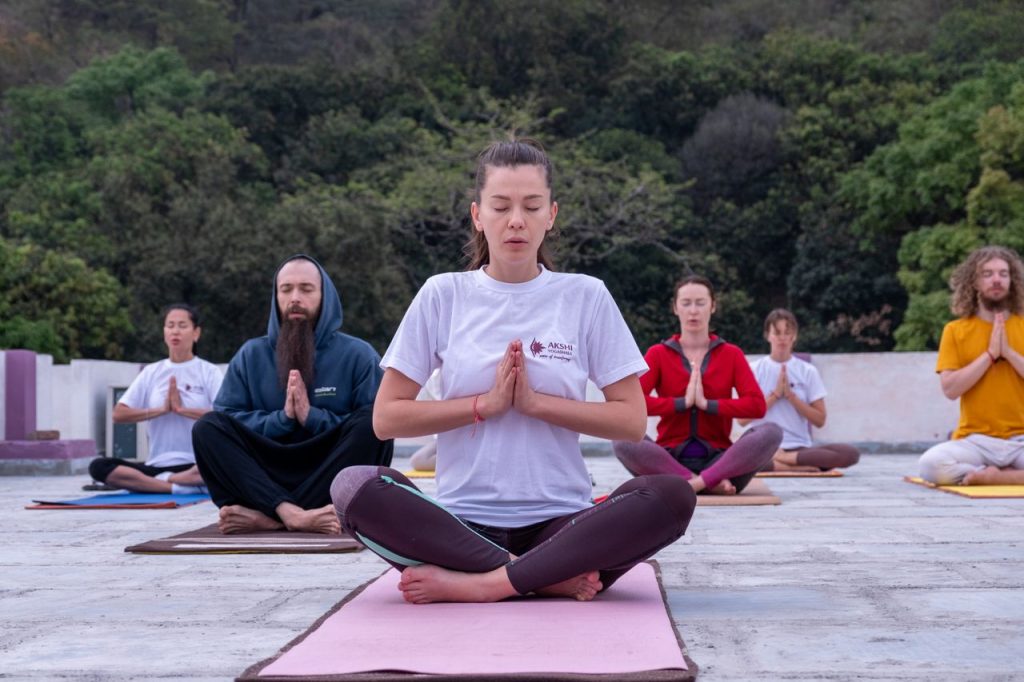
Mindfulness can seem simple, but beginners often create unnecessary pressure around it.
Trying to Stop Every Thought
A busy mind is not a failed meditation session. Thoughts naturally arise.
Instead of fighting them, notice them and gently return your attention to the practice.
Expecting Immediate Results
Mindfulness is a practice, not a quick fix.
Some sessions may feel peaceful. Others may feel restless or boring. Both experiences can provide useful information.
Practicing Only When You Feel Stressed
Mindfulness can be valuable as a regular habit rather than something you use only when life becomes overwhelming.
Building awareness during ordinary moments can make the practice easier to access when difficult moments occur.
Making the Practice Too Complicated
You do not need expensive equipment, elaborate routines, or a perfect environment.
Start with your breathing, your senses, or an everyday activity.
Make Mindfulness Part of Real Life
The most useful mindfulness practice is one that fits naturally into your lifestyle.
You might spend five minutes meditating in the morning, practice mindful walking during lunch, or take a few conscious breaths before responding to an important message.
Over time, these small moments can become reminders to slow down and pay attention.
At MindfulnessMeditationHub.com, we focus on making mindfulness and meditation practical rather than intimidating. Our resources are designed to help you understand different techniques, explore exercises, and find approaches that fit your individual journey.
Whether you are looking for beginner meditation guidance, mindfulness exercises, gratitude practices, breathing techniques, or ways to become more present in everyday life, you can explore our educational resources and build your practice at your own pace.
Final Thoughts
A mindfulness activity does not have to be complicated, time-consuming, or separate from your everyday routine. The practice can begin with something as simple as noticing your breath, listening carefully to another person, tasting your food, or paying attention while walking.
What matters most is the quality of your attention.
Start with one practice. Give yourself a few minutes. Notice what happens without judging the experience as good or bad. Then return to it tomorrow.
If you are ready to explore mindfulness more deeply, visit MindfulnessMeditationHub.com for practical meditation resources, mindfulness exercises, and techniques designed to support both beginners and experienced practitioners. Your mindfulness journey does not need to be perfect—it simply needs a place to begin.
Related Topics
- Calm Coloring: Simple Mindfulness for Stress Relief
- Teaching Mindfulness: Transform Lives with Simple Practices
- Mindfulness Tip: 10 Simple Habits for a Calmer Mind
- Emotional Mindfulness: Master Your Emotions with Ease
- Mindfulness Journey: Transform Your Life with Inner Peace
- Mindfulness Emotion: Transform Your Emotional Well-Being
- Mindfulness and Stress Management: Your Path to Lasting Calm
- Mindfulness Strategy: Transform Stress Into Lasting Calm
- Mindfulness for Stress and Anxiety: Reclaim Calm Naturally
- What Is Mindfulness Meditation? Unlock Calm, Focus & Joy