
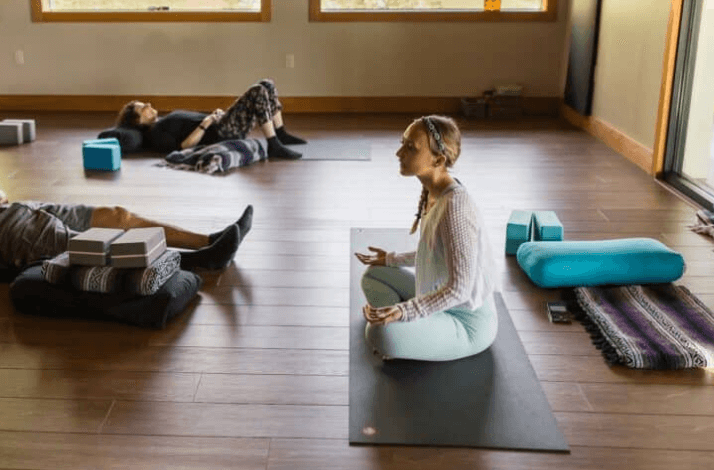
Discover how mindfulness body practices improve self-awareness, ease everyday tension, and help you feel more present with simple exercises for daily life.
Mindfulness Body: A Practical Guide to Connecting With Your Body and Mind
Your body is constantly communicating with you. A tight jaw, tense shoulders, shallow breathing, or restless energy can reveal how you are experiencing the moment—even before you consciously recognize your emotions. Learning to notice these physical signals can help you develop a more thoughtful relationship with yourself.
The mindfulness body approach focuses on bringing gentle, nonjudgmental awareness to physical sensations, breathing patterns, posture, and movement. Instead of automatically reacting to discomfort or pushing through your day without a pause, you learn to observe what is happening in your body and respond with greater intention.
At MindfulnessMeditationHub.com, we provide practical resources, exercises, and mindfulness techniques to help you explore these practices and incorporate them into everyday life. Whether you are new to meditation or have years of experience, you can develop a routine that fits your needs and supports your personal mindfulness journey.
In this guide, you will discover what body awareness means, how it connects with mindfulness meditation, and which simple exercises you can practice at home, at work, or whenever you need a moment to reconnect.
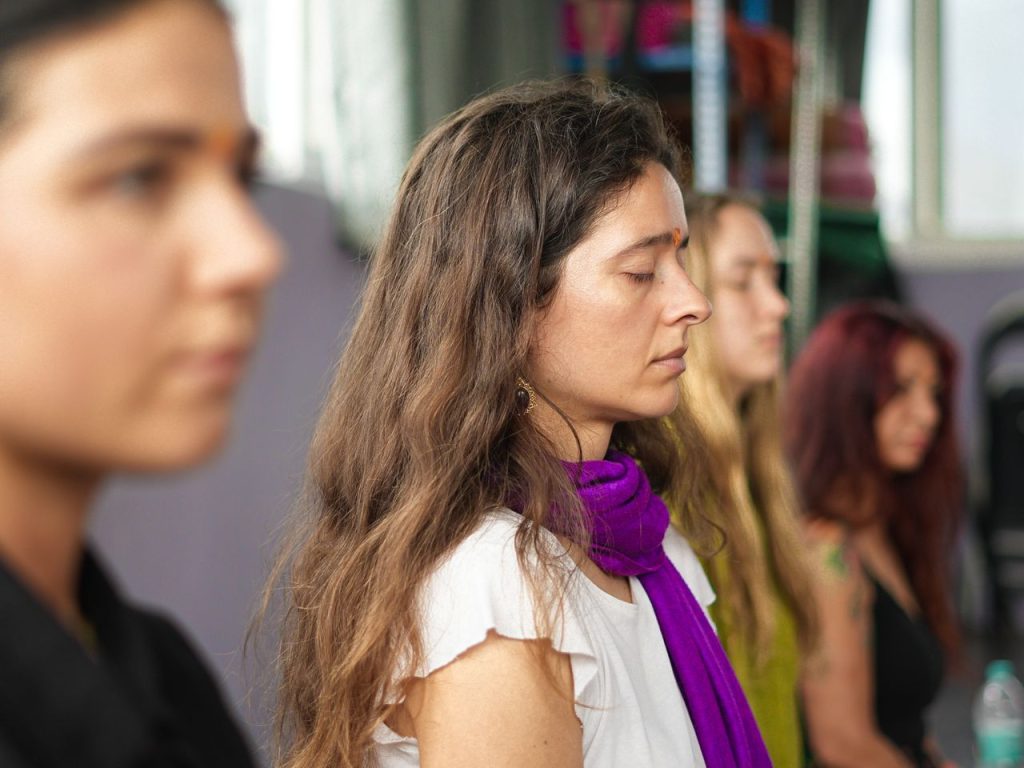
What Is Body Awareness in Mindfulness?
Body awareness is the ability to notice physical sensations as they occur. These sensations may include your breathing, heartbeat, muscle tension, temperature, balance, or the feeling of your feet touching the floor.
Mindfulness adds an important element to this awareness: acceptance without immediate judgment. Rather than labeling every sensation as good or bad, you practice observing it with curiosity.
For example, imagine that you notice your shoulders rising toward your ears while answering work emails. You might normally ignore the tension until it becomes uncomfortable. With mindful awareness, you recognize the sensation, take a comfortable breath, and allow your shoulders to relax if that feels appropriate.
The goal is not to control every physical sensation. Instead, you learn to pay attention to what you experience without automatically fighting it or becoming overwhelmed by it.
How the Mind and Body Work Together
Thoughts, emotions, and physical sensations often influence one another. When you feel nervous before a presentation, your breathing might become faster, your stomach may feel unsettled, or your muscles may tighten.
Likewise, physical experiences can influence your emotional state. A comfortable posture, a brief movement break, or a few moments of steady breathing may help you feel more settled.
Mindfulness encourages you to recognize these connections. Over time, this awareness can help you identify personal patterns and make more deliberate choices about how you respond to everyday situations.
It is important to remember that physical sensations do not always have an emotional cause. Pain, dizziness, breathing difficulties, and other symptoms can have medical explanations and should not automatically be attributed to stress.
Why Practicing Mindfulness Through the Body Matters
Many people spend much of the day thinking about deadlines, responsibilities, future plans, and past experiences. As a result, they may overlook physical discomfort or miss the early signs that they need a break.
Developing body awareness offers a practical way to return attention to the present moment.
1. Recognize Tension Earlier
When you regularly notice your posture, breathing, and muscle sensations, you may become better at identifying tension before it builds.
For example, you might recognize that your hands tighten whenever you check a stressful message. That observation creates an opportunity to pause, release unnecessary gripping, and choose your next action more calmly.
2. Develop Greater Emotional Awareness
Emotions often have physical components. Excitement might feel like energy in your chest, while disappointment may be accompanied by heaviness or a desire to withdraw.
Noticing these experiences can help you recognize what you are feeling instead of reacting automatically. However, sensations are personal, and the same physical experience can mean different things to different people.
3. Support Everyday Stress Management
Mindful breathing and body scans can provide structured opportunities to slow down and pay attention to the present.
Some people find these practices calming, while others simply become more aware of what they are experiencing. Neither outcome needs to be forced. The purpose is to observe your experience rather than demand a particular feeling.
4. Improve Awareness of Daily Habits
Body awareness can reveal habits you might otherwise overlook, such as sitting in one position for hours, holding your breath while concentrating, or rushing through meals.
Once you notice these patterns, you can make realistic adjustments. You might stretch between tasks, take a walking break, or eat lunch without looking at a screen.
5. Build a More Compassionate Relationship With Yourself
Mindfulness is not about achieving a perfect state of relaxation or maintaining complete control over your thoughts.
Instead, it encourages you to meet your experience with patience. If your body feels tired, restless, or uncomfortable, you can acknowledge that reality without criticizing yourself for it.
These practices may support general well-being, but they are not guaranteed to reduce stress or replace appropriate medical or mental health care.
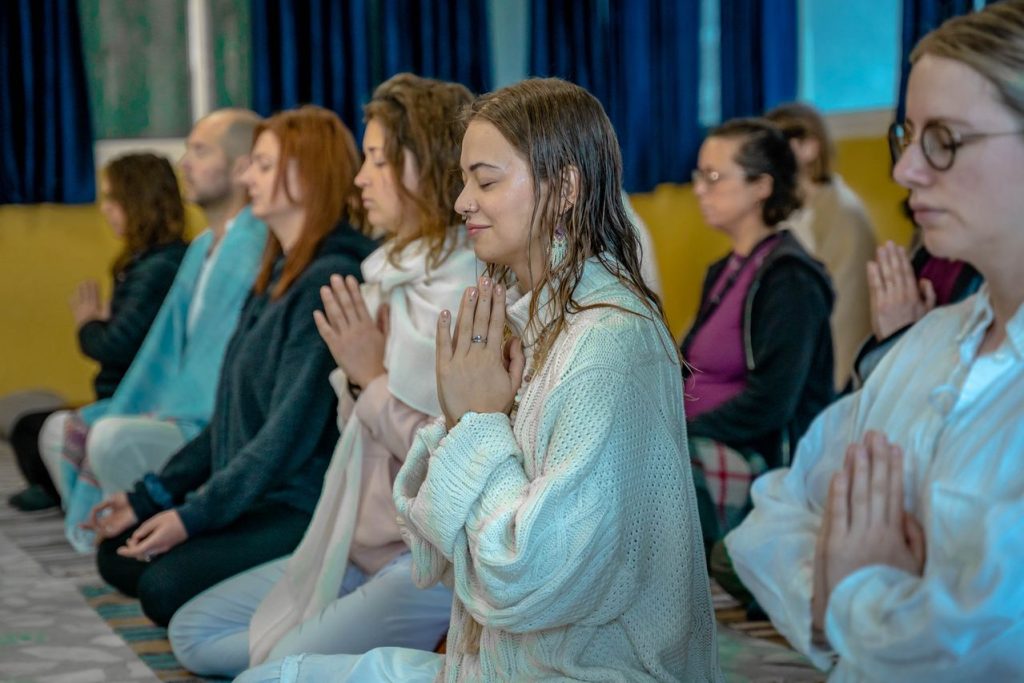
6 Practical Body Mindfulness Exercises for Beginners
You do not need a meditation room, special equipment, or an hour of free time to begin. A few minutes of focused attention can give you an opportunity to practice noticing physical sensations and returning to the present.
Try the following exercises and choose the ones that feel comfortable for you.
Exercise 1: Practice a Full Body Scan
A body scan is a mindfulness meditation technique that involves directing your attention gradually through different parts of your body.
How to practice:
- Find a comfortable position, either sitting or lying down.
- Close your eyes if that feels comfortable, or keep them softly open.
- Begin by noticing the points where your body touches the chair, bed, or floor.
- Bring your attention to your feet, noticing any warmth, pressure, tingling, or other sensations.
- Slowly move your attention through your legs, hips, abdomen, chest, shoulders, arms, hands, neck, and face.
- Notice each area without trying to change what you feel.
- Finish by becoming aware of your body as a whole and gently returning your attention to your surroundings.
Start with three to five minutes. As you become more comfortable, you can gradually extend the practice.
If you do not notice much in a particular area, that is completely fine. You are practicing awareness, not trying to produce a specific sensation.
Exercise 2: Use Mindful Breathing
Breathing offers a convenient anchor for present-moment awareness because it is always available.
Sit comfortably and notice the natural rhythm of your breath. Pay attention to the air moving through your nose, the gentle movement of your chest, or the rise and fall of your abdomen.
When your mind wanders toward a conversation, task, or worry, acknowledge the thought and return your attention to breathing.
Try this for two minutes before starting work, during a break, or when transitioning between activities.
Helpful tip: Let your breath remain natural. You do not need to take unusually deep breaths or hold your breath to practice mindfulness. If focusing on breathing feels uncomfortable, shift your attention to your feet or the sounds around you.
Exercise 3: Try a Five-Senses Grounding Practice
Grounding exercises direct attention toward immediate sensory experiences. They can be particularly useful when you feel distracted or caught up in repetitive thoughts.
Pause and notice:
- Sight: Identify three things you can see around you.
- Sound: Listen for two sounds, such as traffic, birds, or a fan.
- Touch: Notice the sensation of your feet on the floor or your hands resting on a surface.
- Smell: Observe any scents you can naturally detect.
- Taste: Notice any lingering taste in your mouth, if present.
There is no need to rush through the steps or identify something in every category. The intention is to reconnect with your immediate environment.
Exercise 4: Practice Mindful Walking
Walking meditation combines gentle movement with awareness of physical sensations.
Choose a safe, relatively quiet place where you can walk without needing to navigate traffic or other hazards.
Begin walking at a comfortable pace. Notice the movement of your legs, the contact between your feet and the ground, and the shifting balance of your body.
If your attention drifts toward your plans or worries, gently bring it back to the sensations of walking.
You can practice for five minutes in a garden, along a quiet path, or during a break from your usual routine.
Unlike a workout focused on speed or distance, mindful walking emphasizes attention to the experience itself.
Exercise 5: Release Unnecessary Muscle Tension
This exercise helps you notice areas where you may be holding tension throughout the day.
Sit comfortably and bring your attention to your forehead, jaw, shoulders, hands, and abdomen. Notice whether any area feels clenched or strained.
Where it feels comfortable, allow the muscles to soften. Lower your shoulders slightly, unclench your hands, or relax your jaw without forcing a movement.
Spend approximately 30 seconds on each area.
If you experience pain, avoid pushing through it or forcing a stretch. Mindful awareness should respect your physical limits.
How to Incorporate Mindfulness Into Your Daily Routine
Consistency often matters more than the length of a session. Instead of waiting for the perfect time to meditate, connect short mindfulness exercises with activities you already perform.
Here are practical ways to build the habit.
Create a Morning Check-In
Before reaching for your phone, take one minute to notice your posture, breathing, and overall physical state.
Ask yourself:
- How does my body feel this morning?
- Am I carrying tension anywhere?
- What would help me approach today with greater awareness?
You do not need to change your feelings or create an ideal morning mood. Simply noticing your starting point can help you approach the day more intentionally.
Take Mindful Breaks at Work
Long periods of sitting and concentrated screen time can make it easy to ignore discomfort.
Set aside a short break between tasks. Look away from your screen, notice your posture, relax your hands if needed, and move around when appropriate.
You can also use everyday transitions as reminders. Before opening a new browser tab, joining a meeting, or answering a message, take one comfortable breath and notice how you feel.
These brief pauses can make mindfulness more accessible without requiring a major schedule change.
Practice During Everyday Activities
Ordinary activities provide natural opportunities for awareness.
While washing dishes, notice the temperature of the water and the movement of your hands. While eating, pay attention to the texture and flavor of your food. While showering, notice the sensation of water against your skin.
Choose one activity each day and give it your attention for a few moments.
This approach helps turn mindfulness from something you do only during meditation into a skill you can practice throughout daily life.
Establish an Evening Reflection
At the end of the day, take two or three minutes to notice your physical experience.
Consider whether you felt particularly tense, energetic, comfortable, or tired at different points during the day. Think about which activities seemed to influence those sensations.
Avoid turning the exercise into a list of things you did wrong. The goal is to recognize patterns with curiosity and use what you learn to make thoughtful adjustments.
Mindfulness Body Meditation: Common Mistakes to Avoid
When you begin exploring body-based mindfulness, it is easy to assume that you should feel relaxed, remain focused, or experience a noticeable change every time you practice.
These expectations can make a simple exercise feel unnecessarily difficult.
Expecting Your Mind to Become Completely Quiet
Meditation does not require you to eliminate thoughts.
Your attention will naturally move between sensations, memories, plans, and distractions. Each time you notice that movement and gently return your attention, you are practicing mindfulness.
There is no need to criticize yourself for becoming distracted.
Trying to Force Relaxation
Sometimes a mindfulness session feels peaceful. At other times, you may notice restlessness, discomfort, or ordinary mental activity.
You do not have to force a calm response. Observe what is happening and decide whether continuing the exercise feels appropriate.
If focusing inward increases distress, open your eyes, look around the room, or direct your attention toward neutral external sensations. You can stop whenever necessary.
Ignoring Physical Discomfort
Mindfulness is not a test of endurance. You should not remain in an uncomfortable position simply because you are meditating.
Adjust your posture, use a supportive chair, or choose a different exercise. Persistent or concerning symptoms deserve appropriate professional evaluation rather than being treated as something to meditate away.
Practicing Only When You Feel Stressed
Mindfulness can be useful as a regular awareness practice, not just a response to difficult moments.
By practicing during ordinary parts of your day, you give yourself more opportunities to become familiar with the process before you encounter a challenging situation.
Even a short daily check-in can help you develop a sustainable routine.
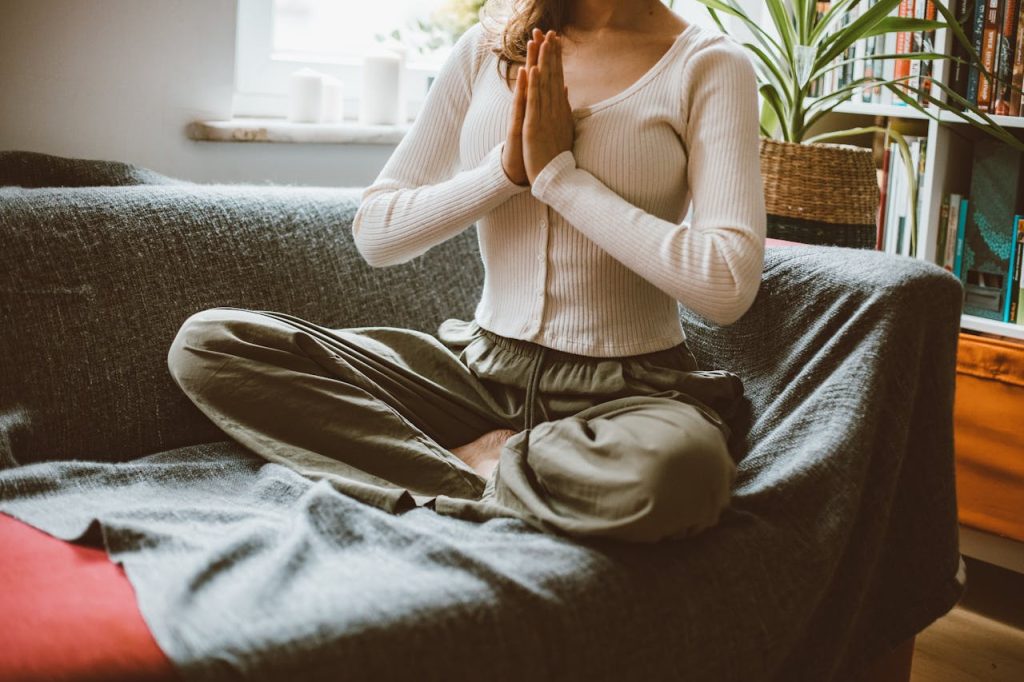
A Simple Seven-Day Body Awareness Plan
If you are unsure where to begin, use this beginner-friendly schedule. Each activity takes approximately two to five minutes.
| Day | Practice | Main focus |
|---|---|---|
| Day 1 | Mindful breathing | Notice the natural rhythm of your breath |
| Day 2 | Short body scan | Observe sensations from head to toe |
| Day 3 | Five-senses grounding | Connect with your immediate surroundings |
| Day 4 | Mindful walking | Notice movement and contact with the ground |
| Day 5 | Muscle tension check | Recognize and release unnecessary tension |
| Day 6 | Mindful eating | Pay attention to flavor, texture, and pace |
| Day 7 | Personal reflection | Identify which exercises felt most comfortable |
At the end of the week, reflect on three questions:
- Which exercise was easiest to incorporate into my routine?
- Which practice helped me notice something I usually overlook?
- What is one realistic way to continue next week?
Use your answers to create a routine that fits your schedule. You do not need to follow every exercise or increase the duration if a shorter practice works better for you.
How to Make Your Practice More Sustainable
The most effective routine is one you can realistically maintain. Rather than aiming for perfection, focus on building a repeatable habit.
Start with these suggestions:
- Choose a consistent cue: Practice after brushing your teeth, before lunch, or when finishing work.
- Keep the starting point small: Begin with one or two minutes rather than setting an ambitious target.
- Use reminders: A calendar notification or a note near your desk can help you remember.
- Track participation, not performance: Record whether you practiced instead of judging how calm or focused you felt.
- Adapt when necessary: Try walking awareness or external grounding if sitting meditation does not suit you.
- Stay curious: Different techniques may feel more useful at different times.
The purpose of your routine is to make awareness more accessible, not to add another demanding task to your schedule.
Frequently Asked Questions
What does mindfulness body awareness mean?
It means paying attention to physical sensations, posture, movement, and breathing in the present moment. The practice encourages you to observe these experiences with curiosity rather than automatically judging or reacting to them.
How long should I practice body mindfulness each day?
Beginners can start with two to five minutes daily. You may gradually extend your sessions if you find them comfortable and useful. There is no universal duration that works best for everyone.
Can mindfulness help me recognize stress?
Mindfulness may help you notice sensations associated with stress, such as muscle tension, changes in breathing, or restlessness. However, these sensations can have different causes, and mindfulness cannot diagnose a medical or mental health condition.
Is a body scan suitable for beginners?
Yes. A short body scan is an accessible starting point because it gives you a clear sequence to follow. You can practice while seated or lying down and adjust the exercise to suit your comfort.
What if I feel uncomfortable during meditation?
You can open your eyes, change position, switch to an external grounding exercise, or stop the session. You never need to force yourself to continue. If the practice repeatedly causes significant distress, consider discussing your experience with a qualified professional.
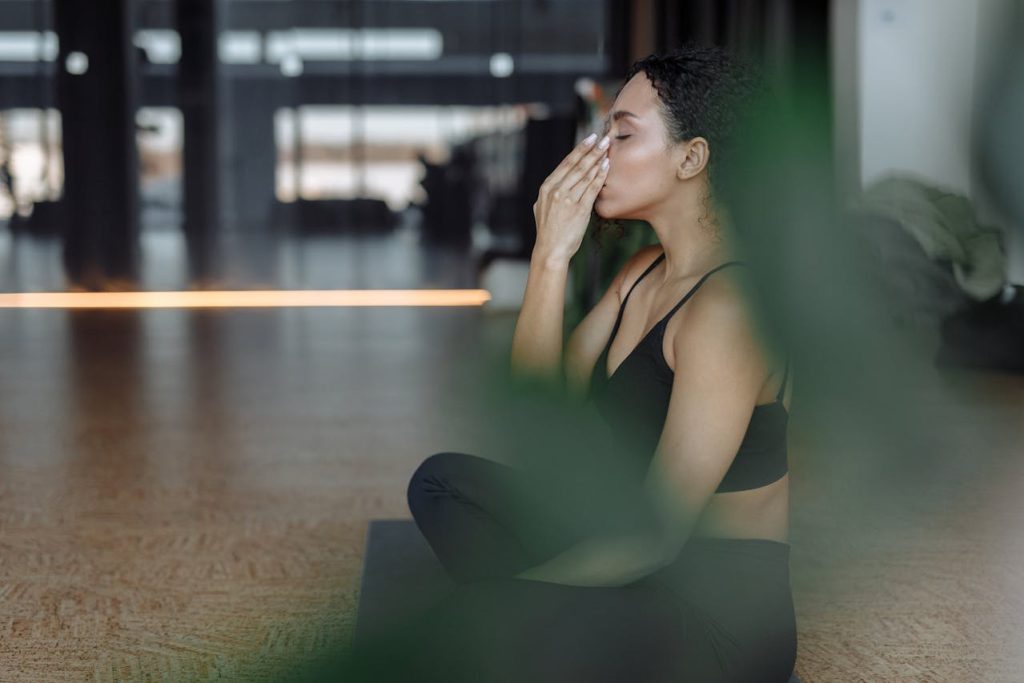
Begin Your Mindfulness Journey With MindfulnessMeditationHub.com
Building a stronger connection with your physical experience does not require perfect concentration, long meditation sessions, or a complete lifestyle change. It begins with small moments of attention: noticing your breathing, recognizing tension, feeling your feet on the ground, or giving an everyday activity your full attention.
With regular practice, mindfulness body awareness can become a practical part of how you approach daily life. The aim is not to control every sensation or eliminate every difficult feeling. Instead, you learn to recognize your experience and respond with greater intention and self-compassion.
At MindfulnessMeditationHub.com, you can explore practical mindfulness exercises, meditation techniques, and beginner-friendly resources to help you develop a routine that suits your needs.
Related Topics
- Calm Coloring: Simple Mindfulness for Stress Relief
- Teaching Mindfulness: Transform Lives with Simple Practices
- Mindfulness Tip: 10 Simple Habits for a Calmer Mind
- Emotional Mindfulness: Master Your Emotions with Ease
- Mindfulness Journey: Transform Your Life with Inner Peace
- Mindfulness Emotion: Transform Your Emotional Well-Being
- Mindfulness and Stress Management: Your Path to Lasting Calm
- Mindfulness Strategy: Transform Stress Into Lasting Calm
- Mindfulness for Stress and Anxiety: Reclaim Calm Naturally
- What Is Mindfulness Meditation? Unlock Calm, Focus & Joy