
Anxiety can make everyday moments feel overwhelming. Racing thoughts, constant worry, physical tension, and difficulty staying present can affect your work, relationships, sleep, and overall well-being. A mindfulness practice for anxiety offers a gentle approach to reconnect with the present moment, observe anxious thoughts with greater awareness, and develop a calmer response to stressful situations.
Mindfulness is not about forcing your worries to disappear or pretending difficult emotions do not exist. Instead, it teaches you how to notice thoughts, feelings, and body sensations without immediately reacting to them. With consistent practice, many people find that mindfulness helps them create more space between anxiety and their actions.
At Mindfulness Meditation Hub, we provide practical meditation guidance, mindfulness resources, and beginner-friendly techniques designed to help people build a healthier relationship with their thoughts and emotions. This guide explores how mindfulness works, simple exercises you can try, and ways to create a sustainable daily routine.
What Is a Mindfulness Practice for Anxiety?
A mindfulness practice for anxiety involves using awareness-based techniques to observe anxious thoughts and physical sensations with curiosity rather than judgment. Instead of becoming caught in worries about the future or regrets from the past, mindfulness encourages attention to what is happening right now.
Anxiety often creates a cycle:
- A stressful thought appears
- The mind treats the thought as a threat
- The body responds with tension or fear
- More anxious thoughts follow
Mindfulness helps interrupt this cycle by bringing attention back to the present experience.
Common mindfulness techniques include:
- Focused breathing
- Body scan meditation
- Guided mindfulness exercises
- Grounding techniques
- Self-compassion practices
- Mindful observation
- Meditation journaling
These practices do not eliminate normal feelings of nervousness or concern. Instead, they help you respond to anxiety with greater awareness and emotional control.
How Mindfulness Helps With Anxiety
Anxiety often pulls attention into future possibilities, imagined problems, or repeated mental scenarios. Mindfulness trains the mind to return to the present moment.
It Creates Distance From Anxious Thoughts
Many people experience anxiety as if every thought is a fact. For example:
“I might fail.”
“Something bad will happen.”
“I cannot handle this.”
Mindfulness encourages you to notice these thoughts as mental events rather than automatic truths.
Instead of saying:
“I am anxious.”
You begin to recognize:
“I am noticing anxiety right now.”
This small shift can create a sense of separation between you and the emotion.
It Calms the Stress Response
Anxiety affects both the mind and body. Fast breathing, muscle tension, increased heart rate, and restlessness are common physical responses.
Slow breathing and body awareness exercises encourage you to notice these sensations without panic. Over time, this awareness can help you become more familiar with your stress responses.
It Improves Emotional Awareness
Many people try to avoid uncomfortable emotions. However, avoiding feelings can sometimes make them feel stronger.
Mindfulness teaches acceptance by allowing emotions to be noticed without immediate judgment.
You can acknowledge:
- “I feel worried.”
- “My body feels tense.”
- “This moment feels difficult.”
Recognition creates an opportunity to respond with care.
It Builds Self-Compassion
People experiencing anxiety often criticize themselves for worrying.
Thoughts like these are common:
“Why can’t I relax?”
“Something is wrong with me.”
“I should be stronger.”
Mindfulness encourages a kinder approach. Self-compassion reminds you that experiencing anxiety is part of being human.
Simple Mindfulness Exercises for Anxiety Relief
You do not need hours of meditation to begin. Small, consistent practices can help develop awareness.
5-Minute Breathing Practice
Breathing is one of the easiest ways to return attention to the present.
Try this exercise:
- Sit comfortably and relax your shoulders.
- Notice your natural breathing pattern.
- Feel the movement of air entering and leaving your body.
- When your mind wanders, gently return to your breath.
- Continue for several minutes.
The goal is not perfect concentration. The practice is the act of returning.
Body Scan Meditation
Anxiety often creates physical tension that goes unnoticed. A body scan helps you reconnect with physical sensations.
Start by bringing attention to:
- Your feet
- Legs
- Stomach
- Chest
- Shoulders
- Face
Notice areas of tightness or comfort. You do not need to change anything immediately. Simply observe.
This practice can be especially helpful before sleep or during stressful periods.
Five Senses Grounding Exercise
When anxiety feels intense, grounding techniques can help reconnect you with your surroundings.
Pause and notice:
- Five things you can see
- Four things you can physically feel
- Three sounds you can hear
- Two things you can smell
- One thing you can taste
This exercise shifts attention away from anxious thinking and toward immediate experience.
Mindful Walking
Meditation does not always require sitting still.
During a mindful walk, focus on:
- The movement of your feet
- The feeling of the ground beneath you
- Sounds around you
- Your breathing rhythm
- The environment you are moving through
A simple walk can become a powerful moment of awareness.
A Guided Mindfulness Practice for Anxiety
Find a comfortable position and take a slow breath.
Notice where you are right now.
Feel the support beneath your body.
Bring attention to your breathing. You do not need to change it. Simply observe.
If anxious thoughts appear, acknowledge them gently.
You might say:
“I am having a worried thought.”
“I can experience this feeling without becoming overwhelmed by it.”
Return to your breath.
Notice your body relaxing slightly with each exhale.
Allow yourself to be present with this moment.
You do not need to solve everything right now.
Take one breath at a time.
Creating a Daily Mindfulness Routine
Consistency matters more than duration. A short practice repeated regularly can become more effective than occasional long sessions.
Here are simple ways to build a habit:
Start Small
Begin with three to five minutes each day. Increase the time only when the practice feels comfortable.
Choose a Regular Time
Attach mindfulness to an existing routine:
- After waking up
- During a lunch break
- Before bedtime
- After finishing work
- Before checking your phone
Use Guided Support
Beginners often find it easier to follow guided meditation because instructions provide structure and reduce uncertainty.
Track Your Experience
After practicing, briefly note:
- How you felt before meditation
- What you noticed during practice
- How you felt afterward
This helps you understand your personal response over time.

Common Mistakes When Practicing Mindfulness for Anxiety
Expecting Immediate Calm
Many people begin mindfulness hoping anxiety will disappear instantly. However, mindfulness is a skill that develops gradually.
The goal is not always to feel calm. The goal is to become more aware and less controlled by anxious reactions.
Judging Your Thoughts
A busy mind is normal. Having anxious thoughts does not mean you are practicing incorrectly.
Each time you notice distraction and return your attention, you are strengthening mindfulness.
Avoiding Difficult Feelings
Mindfulness is not about pushing emotions away.
Instead, it teaches you to meet emotions with curiosity and patience.
Practicing Only During Crisis
While mindfulness can be useful during stressful moments, regular practice during calmer periods builds stronger skills.
Mindfulness and Professional Mental Health Support
Mindfulness practices may support stress management and emotional well-being, and research suggests they can be helpful for some people experiencing anxiety symptoms. However, mindfulness is not a replacement for professional mental health treatment.
If anxiety feels severe, persistent, or interferes with daily life, consider seeking support from a qualified healthcare or mental health professional.
Mindfulness works best as part of a balanced approach that may include therapy, healthy lifestyle habits, social support, and appropriate medical care when needed.
How Mindfulness Meditation Hub Can Help
Building a mindfulness routine can feel challenging when you are starting alone. Mindfulness Meditation Hub provides practical resources to help you understand meditation and apply it in everyday situations.
Our guidance includes:
- Beginner meditation techniques
- Guided mindfulness exercises
- Breathing practices
- Stress-management strategies
- Self-awareness exercises
- Relaxation techniques
- Mindful living resources
We focus on making meditation simple, realistic, and accessible. Whether you are completely new to mindfulness or looking to strengthen an existing practice, our resources help you take meaningful steps toward greater awareness and emotional balance.
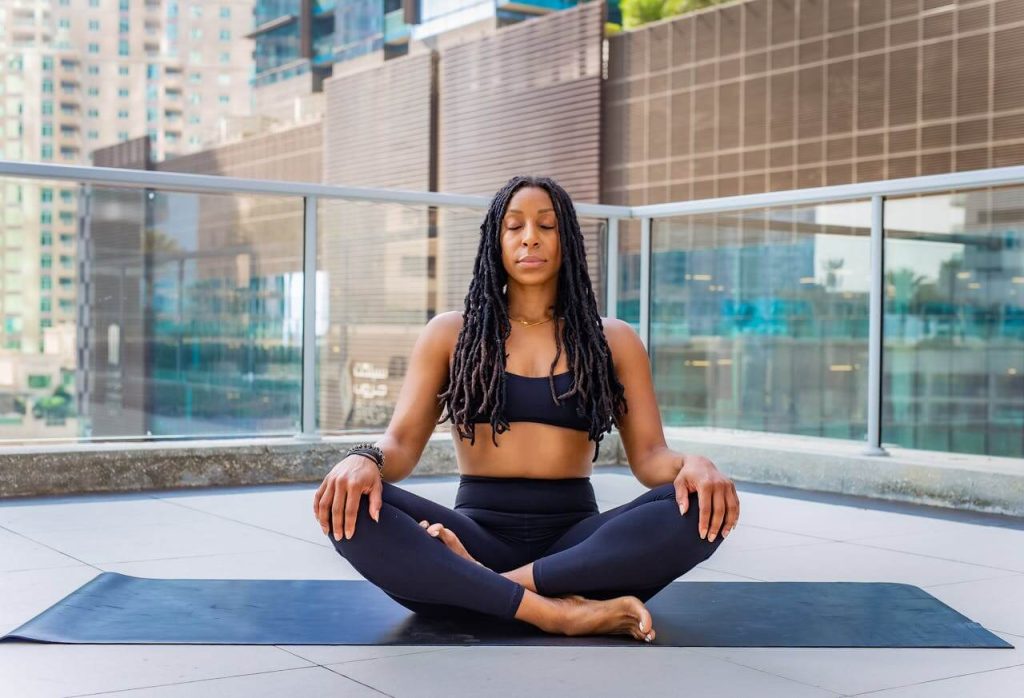
Start Your Mindfulness Journey Today
Anxiety can make life feel controlled by constant thoughts and worries, but you can learn to create moments of awareness and calm.
A mindfulness practice for anxiety does not require perfection. It begins with a single breath, a moment of noticing, and a willingness to meet yourself with patience.
Explore Mindfulness Meditation Hub today and discover practical mindfulness tools designed to help you build a calmer, more balanced relationship with your thoughts and emotions.
Related Topics
- Calm Coloring: Simple Mindfulness for Stress Relief
- Teaching Mindfulness: Transform Lives with Simple Practices
- Mindfulness Tip: 10 Simple Habits for a Calmer Mind
- Emotional Mindfulness: Master Your Emotions with Ease
- Mindfulness Journey: Transform Your Life with Inner Peace
- Mindfulness Emotion: Transform Your Emotional Well-Being
- Mindfulness and Stress Management: Your Path to Lasting Calm
- Mindfulness Strategy: Transform Stress Into Lasting Calm
- Mindfulness for Stress and Anxiety: Reclaim Calm Naturally
- What Is Mindfulness Meditation? Unlock Calm, Focus & Joy