
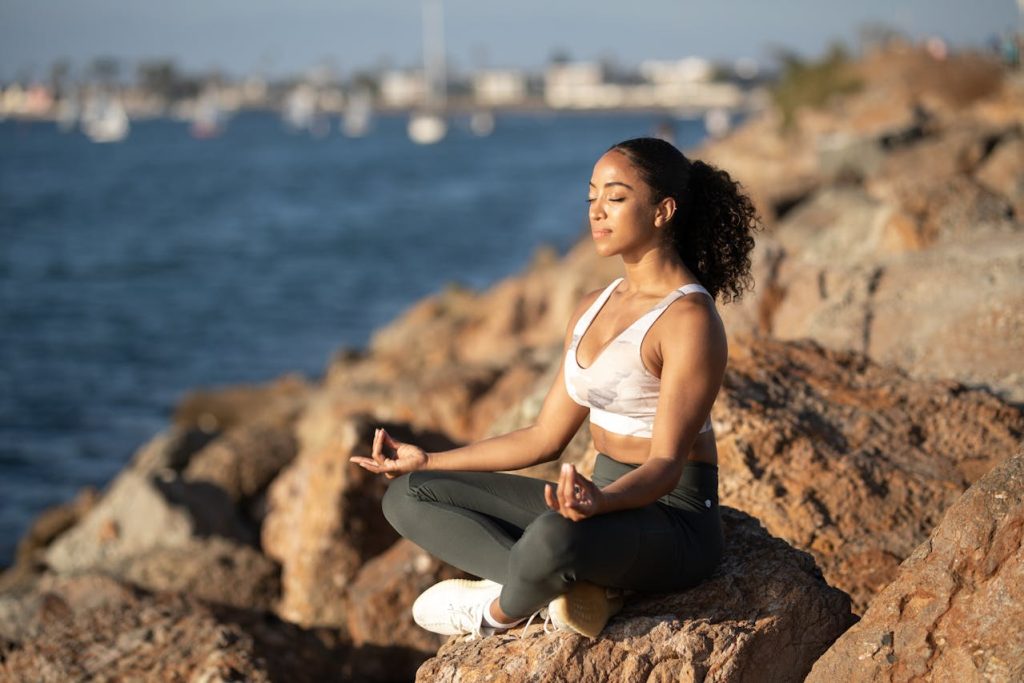
Discover therapeutic rain and its calming effects. Explore rain sounds, mindfulness techniques, and simple ways to create a relaxing daily routine.
Rain has a unique way of changing the atmosphere around us. The gentle sound of raindrops falling on windows, the steady rhythm of rainfall, and the fresh scent of the outdoors can create a peaceful environment. For many people, listening to rain provides a welcome opportunity to slow down, relax, and step away from everyday distractions.
Therapeutic rain is an approach to relaxation that uses the sounds and atmosphere of rainfall to support mindfulness, calmness, and a more peaceful daily routine. Whether you listen to natural rain outdoors, play recorded rainfall, or combine rain sounds with meditation, this simple practice can become a meaningful part of your wellness journey.
At MindfulnessMeditationHub.com, we provide practical resources, mindfulness exercises, and meditation techniques to help you explore relaxation practices and incorporate them into everyday life. In this guide, you’ll discover how rainfall can support relaxation, how to use rain sounds mindfully, and how to create a routine that suits your lifestyle.
What Is Therapeutic Rain?
Therapeutic rain refers to the intentional use of natural rainfall or recorded rain sounds as a relaxation and mindfulness aid. It involves paying attention to the gentle, repetitive sounds of rain to create a calming environment and encourage present-moment awareness.
Unlike structured meditation, which may involve specific breathing techniques or guided instructions, listening to rain can be a relatively simple and accessible activity. You don’t need special equipment, previous meditation experience, or a complicated routine to get started.
For example, you might sit beside a window during a rainy afternoon, listen to rainfall through headphones, or play a recording while practicing mindful breathing.
The experience can involve several elements:
- Auditory relaxation: Listening to the steady rhythm of rainfall.
- Mindful awareness: Paying attention to individual raindrops and changes in sound.
- Breathing awareness: Pairing natural rain sounds with slow, comfortable breathing.
- Environmental calm: Creating a peaceful setting for reading, reflection, or meditation.
- Present-moment attention: Gently bringing your attention back to the sound whenever your mind wanders.
Although people often find rain sounds soothing, their effects vary. Rain can be relaxing for some people, while others may find it distracting or unpleasant.

How Rain Sounds Can Support Relaxation
The sound of rain is often described as consistent, repetitive, and relatively gentle. These characteristics can make rainfall a useful background sound for relaxation and focused activities.
However, it is important to distinguish personal experiences from established scientific findings. Although research has explored natural sounds and their relationship with stress and well-being, the specific benefits of rainfall are not guaranteed.
1. Creates a Calming Environment
One reason people enjoy rain sounds is their ability to create a peaceful atmosphere. Gentle rainfall can soften distracting background noises and make a room feel more comfortable.
For example, listening to rain while reading a book or sitting quietly may help you create a dedicated space for relaxation.
You can make the environment even more inviting by:
- Dimming harsh lighting.
- Sitting in a comfortable chair.
- Putting away unnecessary distractions.
- Choosing gentle rainfall without sudden loud sounds.
- Allowing yourself a few uninterrupted minutes.
Over time, this environment can become a familiar signal that reminds you to pause and take a break.
2. Encourages Mindfulness and Present-Moment Awareness
Mindfulness involves paying attention to the present moment with curiosity and without harsh judgment. Rainfall offers a simple opportunity to practice this skill.
Rather than trying to stop your thoughts, focus on the sounds around you. Notice whether the rain is soft, heavy, continuous, or intermittent.
When your attention drifts toward work, responsibilities, or worries, gently return it to the sound.
This practice can help you become more aware of your attention and develop a more consistent mindfulness habit.
3. May Help Reduce Perceived Stress
Many people use natural sounds as part of their relaxation routines. Listening to gentle rainfall may provide a pleasant distraction from everyday pressures and offer an opportunity to unwind.
Research on natural sounds suggests that certain sound environments may support relaxation and improve people’s subjective experience of stress. However, evidence specifically demonstrating that rain sounds reduce stress is limited.
If you find rainfall comforting, try incorporating it into a short break after a busy day. Combine it with comfortable breathing rather than forcing yourself to feel relaxed.
4. Provides a Background for Meditation
Silence isn’t necessary for every meditation practice. Some people find it easier to concentrate when there is a gentle background sound.
Rainfall can serve as an auditory anchor during meditation. Whenever your mind wanders, return your attention to the rhythm of the rain.
You can also combine it with a simple breathing exercise or a short body scan.
If you find the sound distracting, however, try a quieter recording or practice in silence instead.
5. May Create a More Comfortable Bedtime Environment
Some people enjoy listening to rain before bed because it creates a familiar and soothing atmosphere. Steady rainfall may also help mask certain intermittent background noises.
For people who find rain relaxing, it can become part of a consistent nighttime routine.
However, rain sounds are not a treatment for insomnia or other sleep disorders. Keep the volume comfortable, and avoid relying on recordings if they interrupt your sleep.
Different Types of Rain Sounds for Mindfulness
Not all rainfall sounds are the same. The type of rain you choose can influence how comfortable and enjoyable your listening experience feels.
1. Gentle Drizzle
Light rainfall produces soft, delicate sounds. It can be a suitable choice for beginners who want a subtle background while reading, journaling, or practicing mindfulness.

2. Rain on Windows
Rain tapping against glass creates a recognizable, repetitive rhythm. Some people enjoy it while relaxing indoors, reflecting, or taking a break from work.

3. Heavy Rainfall
Heavy rain produces a fuller, louder sound. It may appeal to people who prefer an immersive sound environment, although sudden thunder or intense rainfall may be distracting.

4. Rain in Nature
Rain falling among trees, plants, or streams combines different natural sounds. These recordings can create a rich listening experience for nature lovers.
Experiment with different recordings to discover which sounds you find most comfortable. There is no single type of rainfall that works for everyone.
How to Practice Mindfulness With Rain Sounds
You don’t need an elaborate meditation routine to begin. A few minutes of intentional listening can provide an opportunity to practice mindfulness.
Ways to Incorporate Rain Sounds Into Your Daily Routine
A mindfulness habit is often easier to maintain when it fits naturally into your existing schedule. You can use rainfall recordings in several everyday situations.
Morning Mindfulness
Start your day with five minutes of gentle rainfall and quiet breathing. Rather than immediately checking your phone, take a moment to notice your surroundings and consider how you want to approach the day.
This can help create a deliberate transition from sleep to your daily responsibilities.
During Work or Study Breaks
If your environment permits, try listening to soft rainfall during a short break. It can provide a change of atmosphere between demanding tasks.
For concentration, experiment with low-volume recordings. Some people find rain helpful as background sound, while others perform better without it.
During Evening Relaxation
After work or other daily responsibilities, spend a few minutes listening to rainfall while sitting comfortably.
You can combine this practice with gentle stretching, reflective journaling, or a short guided meditation.
Before Bed
If you enjoy rain sounds at night, incorporate them into a predictable bedtime routine. Keep your listening volume low and use a timer if continuous playback is unnecessary.
Avoid treating the sound as a requirement for falling asleep. A healthy bedtime routine should remain flexible and comfortable.
Practical Tips for Getting the Most From Rainfall Meditation
A few simple adjustments can make your listening experience more enjoyable and accessible.
- Choose a comfortable volume: Keep recordings quiet enough that they don’t strain your ears.
- Experiment with different sounds: Try drizzle, steady rain, or rainfall in a forest to discover your preferences.
- Start with short sessions: Five to ten minutes is a reasonable starting point for beginners.
- Limit distractions: Put your phone on silent and choose a comfortable place.
- Avoid forcing relaxation: If your mind remains active, allow that experience instead of judging yourself.
- Stay consistent: If the practice suits you, try including it in your daily or weekly routine.
- Respect your preferences: If rain sounds make you uncomfortable, consider other natural sounds or quiet meditation.
You can also keep a brief journal after each session. Record the sound you chose, how long you listened, and whether you found the experience comfortable. Over time, these notes can help you identify what works for you.
Is Therapeutic Rain Suitable for Everyone?
Rain sounds are generally accessible, but individual preferences and circumstances matter.
Some people find repetitive natural sounds pleasant, while others experience irritation, sensory discomfort, or difficulty concentrating. People who are sensitive to certain noises may prefer silence or a different background sound.
If rainfall brings up uncomfortable memories or makes you feel uneasy, there is no need to continue the practice.
Similarly, if you experience persistent anxiety, ongoing sleep difficulties, or significant emotional distress, listening to rain should not replace appropriate professional support.
Mindfulness can complement other wellness activities, but it is not a guaranteed solution for mental or physical health concerns.
Common Mistakes to Avoid When Using Rain Sounds
Although listening to rainfall is straightforward, a few common mistakes can make the experience less comfortable.
Expecting Immediate Results
Relaxation doesn’t happen on demand. Some sessions may feel peaceful, while others may involve restlessness or wandering thoughts.
Allow yourself to experience each session without expecting a dramatic change.
Playing Rain Sounds Too Loudly
Loud recordings can become uncomfortable and may expose your ears to unnecessary sound. Keep the volume low, especially when using headphones.
Treating Every Session as Meditation
Simply listening to rain can be enjoyable without becoming a formal mindfulness practice. You don’t have to concentrate continuously or follow a strict routine.
If you prefer to enjoy the sound while reading or resting, that’s perfectly fine.
Using Rain Sounds as a Replacement for Sleep Care
Although rainfall may create a relaxing bedtime atmosphere, it cannot address every cause of poor sleep. If sleep problems persist, consider seeking guidance from a qualified healthcare professional.
Frequently Asked Questions About Therapeutic Rain
1. What is therapeutic rain used for?
It is commonly used as a relaxation and mindfulness aid. People may listen to natural rainfall or recordings while meditating, reading, resting, or preparing for sleep. Individual experiences vary.
2. Can listening to rain help with meditation?
Yes. Rainfall can serve as a focus point during mindfulness meditation. You can pay attention to its rhythm and gently return your awareness to the sound whenever your mind wanders.
3. How long should I listen to rain sounds?
There is no required duration. Beginners can start with five to ten minutes and adjust according to their comfort and preferences. Even a short listening break can be an opportunity to practice mindfulness.
4. Is it better to listen to real rain or recordings?
Both are options. Real rainfall offers a natural listening experience, while recordings provide convenience and consistency. Choose whichever you find more comfortable and accessible.
5. Can rain sounds help me sleep?
Some people find rainfall recordings soothing at bedtime, and they may help mask certain background noises. However, the effects vary, and rain sounds are not a proven treatment for sleep disorders.
6. Are rain sounds suitable for beginners?
Yes. Listening to gentle rainfall is a simple way to explore mindfulness without needing previous meditation experience. Start with short sessions and gradually adjust your routine.
7. Can I combine rainfall with breathing exercises?
Yes. You can listen to rain while noticing your natural breathing. Focus on the sound and the physical sensation of breathing without forcing yourself to inhale or exhale in a particular way.
Make Mindful Relaxation Part of Your Everyday Life
Rainfall can offer a simple opportunity to slow down, appreciate your surroundings, and reconnect with the present moment. Whether you enjoy natural rain outside your window or prefer a recording, mindful listening can become a flexible addition to your daily wellness routine.
The key is to approach therapeutic rain without unrealistic expectations. You don’t need perfect concentration, a completely quiet mind, or a long meditation session. Instead, begin with a few comfortable minutes and discover how the experience fits into your life.
At MindfulnessMeditationHub.com, we offer practical mindfulness resources, meditation exercises, and easy-to-follow techniques to help you explore practices that suit your needs. Explore our guides, experiment with different relaxation methods, and take the next step toward developing a more mindful daily routine.
Related Topics
- Calm Coloring: Simple Mindfulness for Stress Relief
- Teaching Mindfulness: Transform Lives with Simple Practices
- Mindfulness Tip: 10 Simple Habits for a Calmer Mind
- Emotional Mindfulness: Master Your Emotions with Ease
- Mindfulness Journey: Transform Your Life with Inner Peace
- Mindfulness Emotion: Transform Your Emotional Well-Being
- Mindfulness and Stress Management: Your Path to Lasting Calm
- Mindfulness Strategy: Transform Stress Into Lasting Calm
- Mindfulness for Stress and Anxiety: Reclaim Calm Naturally
- What Is Mindfulness Meditation? Unlock Calm, Focus & Joy