
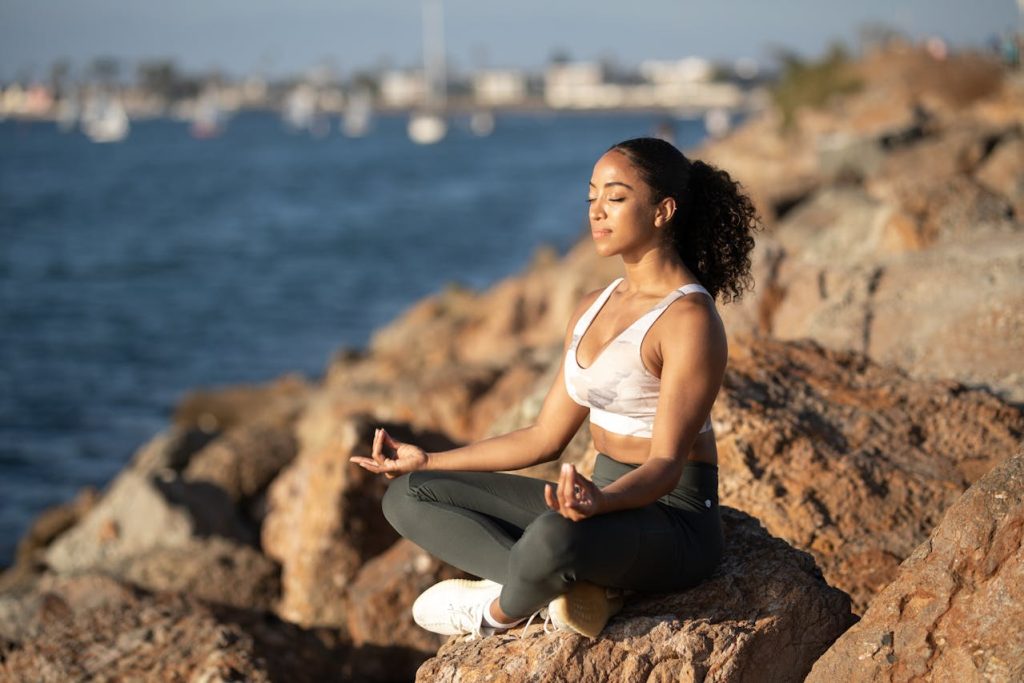
Discover meditation techniques for stress management with simple practices that calm the mind, ease tension, improve focus, and support daily well-being.
Stress is a normal part of modern life. Work demands, family responsibilities, financial concerns, digital distractions, and constant notifications can leave the mind feeling like it never gets a chance to slow down.
While some stress can motivate you to take action, ongoing stress may make it difficult to relax, concentrate, sleep well, or enjoy the present moment. This is where meditation can become a valuable part of a healthy daily routine.
The good news is that meditation does not have to mean sitting perfectly still for an hour in complete silence. There are many simple practices you can adapt to your schedule, experience level, and personal needs.
At MindfulnessMeditationHub.com, we provide practical resources, exercises, and mindfulness techniques to help you explore these practices and incorporate them into your daily life. Whether you’re new to meditation or have been practicing for years, our resources are designed to support your personal mindfulness journey.
How Meditation Can Support Stress Relief
Meditation encourages you to pause and intentionally direct your attention toward the present moment. Instead of automatically reacting to every thought, sensation, or situation, you practice observing what is happening without immediately becoming caught up in it.
This shift in awareness can be particularly useful during stressful situations.
For example, imagine receiving an upsetting email at work. Your first reaction might be frustration, worry, or anger. Rather than immediately responding, a brief mindfulness practice gives you an opportunity to notice your breathing, recognize your emotional reaction, and create a small amount of space before deciding what to do next.
Over time, this kind of awareness can become a practical life skill.
Meditation may help support:
- A greater sense of calm
- Present-moment awareness
- Better concentration
- Emotional self-awareness
- Relaxation before sleep
- More thoughtful responses to stressful situations
- A healthier relationship with difficult thoughts
Meditation is not about eliminating every stressful thought. Instead, it teaches you how to relate to thoughts and emotions with greater awareness.
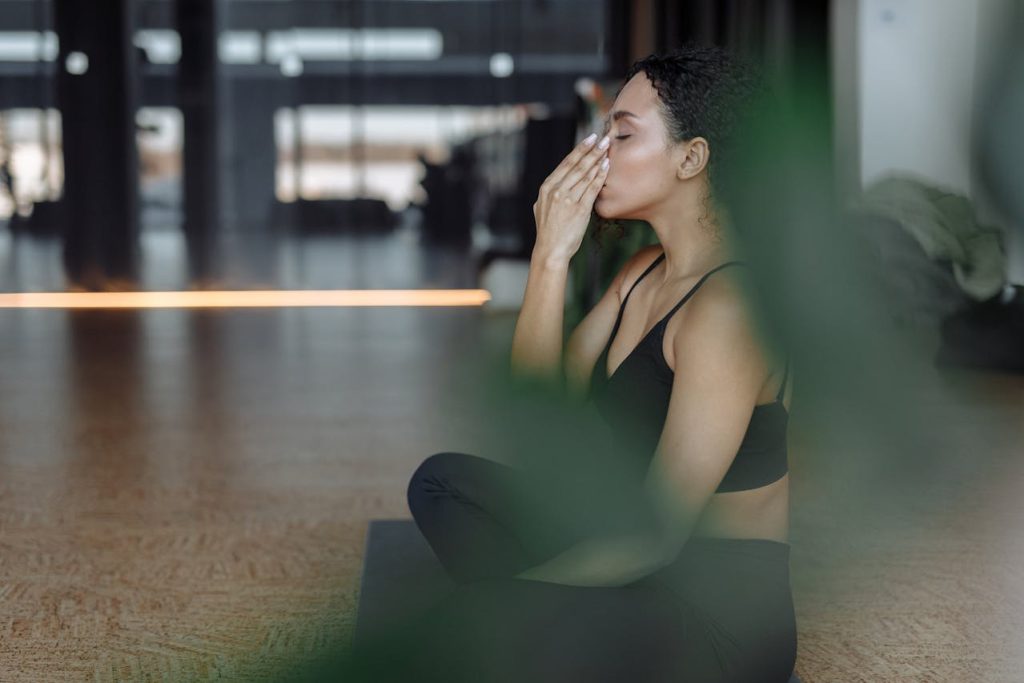
7 Meditation Techniques for Stress Management
Different meditation practices work well for different people. You do not need to master every technique. Start with one that feels comfortable and practice it consistently.
1. Mindful Breathing
Mindful breathing is one of the simplest ways to begin.
Find a comfortable position and bring your attention to your natural breathing. Notice the sensation of air entering and leaving your body.
You do not have to force your breathing to become deep or slow. Simply observe it.
When your attention wanders, gently bring it back to the breath.
Try this for five minutes:
- Sit comfortably.
- Relax your shoulders and jaw.
- Notice your natural breathing.
- Follow each inhale and exhale.
- When thoughts appear, acknowledge them.
- Return your attention to your breathing.
The objective is not to have an empty mind. The practice is the repeated act of noticing distraction and returning to the present.
2. Body Scan Meditation
Stress can sometimes show up physically before you consciously recognize it. You may notice tight shoulders, a clenched jaw, tense hands, or a restless stomach.
A body scan meditation helps you become more aware of these sensations.
Start by sitting or lying somewhere comfortable. Slowly move your attention through different areas of your body, beginning with your feet and gradually moving upward.
Notice sensations without judging them.
You might ask yourself:
- Do I notice tension here?
- Does this area feel relaxed or uncomfortable?
- Am I holding tension without realizing it?
- Can I soften this area without forcing it?
The goal isn’t to make every uncomfortable sensation disappear. Instead, you are developing greater awareness of the connection between your body and your emotional state.
3. Loving-Kindness Meditation
Stress can sometimes make people overly critical of themselves. When things go wrong, your internal dialogue may become harsher rather than more supportive.
Loving-kindness meditation introduces a different approach.
Begin by sitting comfortably and silently offering yourself simple phrases such as:
- May I be safe.
- May I be peaceful.
- May I be patient with myself.
- May I experience greater ease.
You can eventually extend these wishes toward loved ones, acquaintances, and even people with whom you have difficulty.
This practice can encourage compassion and create a gentler mental environment, particularly during emotionally challenging periods.
4. Walking Meditation
You do not always need to sit down to meditate.
Walking meditation combines gentle movement with mindful awareness. It can be particularly appealing if sitting still makes you feel restless.
Choose a quiet path, hallway, garden, or other safe space. Walk slowly and pay attention to each step.
Notice:
- Your feet touching the ground
- The movement of your legs
- The rhythm of your breathing
- Sounds around you
- The sensation of air against your skin
When your mind begins planning tomorrow or replaying yesterday, gently return your attention to walking.
This transforms an ordinary activity into an opportunity for mindfulness.
5. Guided Meditation
If you are new to meditation, knowing what to focus on can sometimes feel difficult.
Guided meditation provides verbal instructions that lead your attention through a structured practice. Depending on the session, you may be guided through breathing, body awareness, visualization, compassion, or relaxation.
This can be especially useful when your mind feels busy because you have something specific to follow.
For beginners, starting with a short five- or ten-minute guided practice may feel more manageable than attempting a long silent meditation.
6. Visualization Meditation
Visualization involves creating a calming mental image while maintaining awareness of your breathing and physical sensations.
You might imagine:
- Sitting beside a peaceful lake
- Walking through a quiet forest
- Watching waves move along a beach
- Resting in a comfortable, peaceful room
Engage your senses as you visualize the scene. What might you hear? What does the environment feel like? What do you see?
Visualization can give your attention a constructive focus when your thoughts feel scattered.
Remember that meditation is a practice of awareness rather than an escape from real-life problems. Use visualization as a calming exercise, not as a replacement for addressing important responsibilities.
7. Mindful Observation
Mindful observation is an excellent way to bring meditation into everyday life.
Choose an ordinary object—a plant, cup of tea, candle, or natural object—and spend several minutes observing it.
Look carefully at its shape, texture, color, shadows, and small details.
Whenever your thoughts drift away, return your attention to the object.
This exercise demonstrates an important principle: mindfulness does not have to be separated from everyday activities. Ordinary moments can become opportunities to practice focused attention.
How to Choose the Right Practice
With so many meditation methods available, beginners sometimes wonder which one they should choose.
There is no universally perfect technique.
Instead, consider your current needs.
If your mind feels restless: Try walking meditation or mindful breathing.
If you notice physical tension: Experiment with a body scan.
If you are highly self-critical: Loving-kindness meditation may be worth exploring.
If you struggle to meditate independently: Try a guided session.
If you enjoy imagination and nature: Visualization may be a good fit.
The most effective practice is often the one you can realistically maintain.
A Simple 10-Minute Stress-Relief Routine
You don’t need a complicated schedule to establish a meditation habit.
Try this simple routine:
Minutes 1–2: Arrive
Sit comfortably and notice how your body feels. Let yourself settle into the moment.
Minutes 3–5: Follow Your Breath
Pay attention to each inhale and exhale. There is no need to control your breathing.
Minutes 6–8: Observe
Notice thoughts, emotions, and physical sensations. Instead of judging them, acknowledge them and let them pass.
Minutes 9–10: Reconnect
Return your attention to your breathing. Before finishing, notice how you feel compared with when you began.
You can practice this in the morning, during a lunch break, after work, or before bedtime.
Consistency matters more than duration.
Common Mistakes Beginners Should Avoid
Meditation becomes easier when you stop expecting yourself to do it perfectly.
Here are several common misconceptions.
“I have too many thoughts.”
Everyone has thoughts. Meditation isn’t about stopping the brain from producing them.
The practice is noticing when your attention has wandered and gently returning it to your chosen focus.
“I can’t sit still.”
You don’t necessarily have to. Walking meditation and mindful movement can provide alternatives to seated practices.
“I need a quiet room.”
A quiet environment can help, but real life is rarely completely silent. Learning to notice distractions without automatically reacting to them can itself become part of mindfulness practice.
“I need to meditate for an hour.”
Long sessions can be valuable, but beginners can start with just a few minutes.
A consistent five-minute practice is often more realistic than planning an hour-long session and repeatedly skipping it.
How to Build a Consistent Meditation Habit
The biggest challenge isn’t usually learning a technique. It’s making the practice part of your life.
Start small.
Choose a specific time that fits naturally into your existing routine. For example, meditate after brushing your teeth, before breakfast, after returning from work, or before going to bed.
You can also:
- Keep your meditation space simple.
- Begin with short sessions.
- Use a timer.
- Practice at approximately the same time each day.
- Track your consistency rather than judging individual sessions.
- Experiment with different techniques.
- Avoid treating missed days as failure.
If you miss a day, simply begin again the next day.
The goal is not perfection. It is developing a sustainable relationship with mindfulness.
Bringing Mindfulness Beyond Meditation
The benefits of mindfulness don’t have to stop when your meditation session ends.
Try incorporating mindful awareness into everyday activities.
When drinking coffee, notice the aroma, temperature, and taste.
When taking a shower, pay attention to the sensation of water and the sounds around you.
During a conversation, listen without mentally preparing your next response.
While eating, slow down and notice the flavors and textures.
These small moments can turn mindfulness from something you “do” into something you increasingly experience throughout the day.
When Meditation May Not Be Enough
Meditation can be a useful wellness practice, but it should not be viewed as a cure-all.
If stress feels overwhelming, persistent, or significantly interferes with your daily functioning, consider speaking with a qualified healthcare or mental health professional. Meditation can complement appropriate professional support, but it should not replace it.
Likewise, if a particular meditation practice makes you feel uncomfortable or distressed, stop and consider whether another approach—or professional guidance—would be more appropriate.
The goal is to develop a practice that supports your well-being safely and realistically.
Start Your Mindfulness Journey Today
Learning meditation techniques for stress management doesn’t require expensive equipment, a special location, or years of experience. What matters most is your willingness to slow down, observe your experience, and practice consistently.
At MindfulnessMeditationHub.com, we make that process easier with practical resources, exercises, and mindfulness techniques designed for real life. Whether you’re taking your first steps or looking for ways to deepen an established practice, you can explore resources that fit your personal mindfulness journey.
Start with five minutes today. Choose one technique, find a comfortable place, and give yourself permission to simply be present.
Related Topics
- Calm Coloring: Simple Mindfulness for Stress Relief
- Teaching Mindfulness: Transform Lives with Simple Practices
- Mindfulness Tip: 10 Simple Habits for a Calmer Mind
- Emotional Mindfulness: Master Your Emotions with Ease
- Mindfulness Journey: Transform Your Life with Inner Peace
- Mindfulness Emotion: Transform Your Emotional Well-Being
- Mindfulness and Stress Management: Your Path to Lasting Calm
- Mindfulness Strategy: Transform Stress Into Lasting Calm
- Mindfulness for Stress and Anxiety: Reclaim Calm Naturally
- What Is Mindfulness Meditation? Unlock Calm, Focus & Joy