
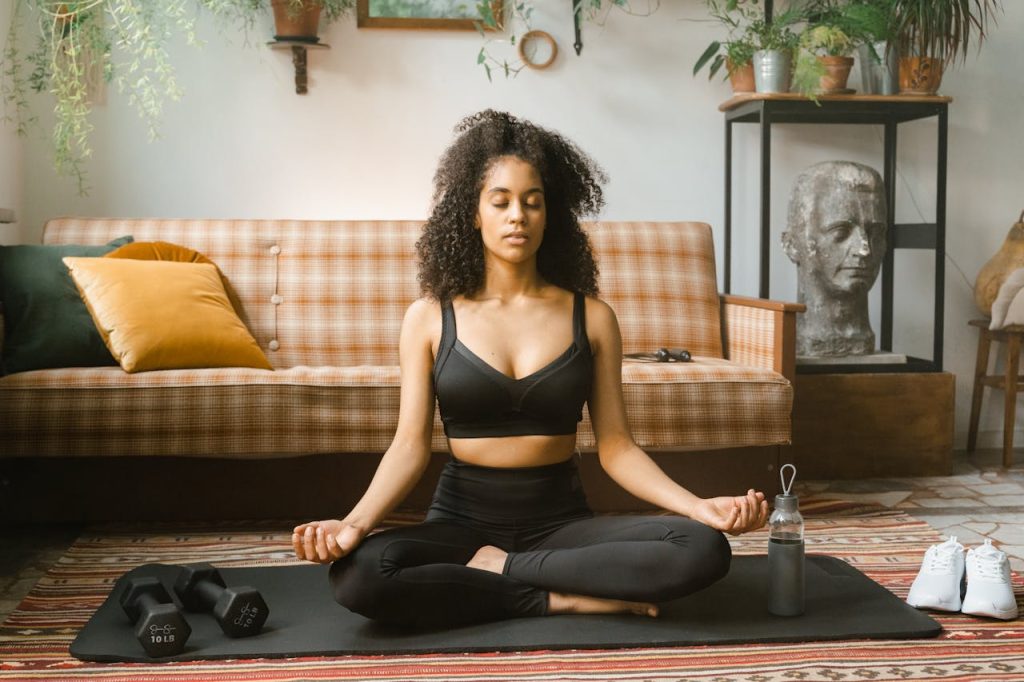
Mindfulness techniques anxiety are a powerful, evidence-based approach to managing stress, racing thoughts, and daily overwhelm. Anxiety affects millions of adults in the U.S., disrupting sleep, productivity, and overall well-being. While medication and therapy are valuable, incorporating mindfulness strategies can give immediate tools to calm the mind and regain control.
At Mindfulness Meditation Hub, we specialise in guiding individuals through practical, accessible techniques designed to reduce anxiety and promote mental clarity. From breathing exercises to body scans and mindful movement, these approaches help you respond to stress rather than react impulsively. In this article, you’ll discover actionable mindfulness practices, understand why they work, and learn how to integrate them into your daily life. By the end, you’ll have a toolkit to manage anxiety naturally and feel more grounded, supported, and confident.
Why Mindfulness Works for Anxiety
Mindfulness involves intentionally focusing on the present moment with awareness and without judgment. Research shows that practicing mindfulness can:
- Reduce physiological symptoms of anxiety, such as rapid heartbeat and shallow breathing
- Improve focus and cognitive control
- Enhance emotional regulation and resilience
- Promote relaxation through the parasympathetic nervous system
By training the brain to observe thoughts and feelings without getting caught up in them, mindfulness decreases rumination and overthinking—common triggers for anxiety. These techniques are highly adaptable, making them suitable for office workers, students, parents, and anyone experiencing chronic stress.

Core Mindfulness Techniques for Anxiety
Here are several proven mindfulness techniques to help manage anxiety effectively.
1. Focused Breathing
How it works: Slow, intentional breathing signals your body to relax.
Steps:
- Sit comfortably with a straight spine.
- Inhale deeply through your nose for four counts.
- Hold for four counts.
- Exhale slowly through your mouth for six counts.
- Repeat for 5–10 minutes.
Benefits:
- Reduces heart rate and cortisol levels
- Encourages a sense of calm and control
- Can be done anywhere, anytime
2. Body Scan Meditation
How it works: Increases awareness of tension and physical sensations.
Steps:
- Lie down or sit comfortably.
- Close your eyes and take several deep breaths.
- Mentally scan your body from head to toe, noticing areas of tension.
- Focus on releasing tension as you exhale.
- Continue for 10–15 minutes.
Benefits:
- Helps identify stress patterns in the body
- Encourages relaxation and grounding
- Reduces somatic symptoms of anxiety
3. Mindful Observation
How it works: Strengthens focus and brings attention to the present.
Steps:
- Choose a neutral object (e.g., a flower, a cup of tea).
- Observe it carefully, noting shape, color, texture, and scent.
- If your mind wanders, gently redirect attention to the object.
- Practice for 5–10 minutes daily.
Benefits:
- Improves concentration
- Reduces worry and mental chatter
- Encourages appreciation of simple moments
4. Progressive Muscle Relaxation (PMR)
How it works: Systematically tensing and relaxing muscles reduces overall anxiety.
Steps:
- Sit or lie comfortably.
- Starting with your toes, tense muscles for five seconds.
- Release slowly and notice the difference.
- Move sequentially through the body.
Benefits:
- Reduces physical tension associated with stress
- Enhances body awareness
- Complements other mindfulness practices
5. Mindful Walking
How it works: Combines movement with awareness to reduce anxious thoughts.
Steps:
- Choose a quiet location.
- Walk slowly, noticing sensations in your feet, legs, and body.
- Breathe steadily and remain aware of your surroundings.
- Redirect wandering thoughts back to movement.
Benefits:
- Provides gentle physical activity
- Grounds the mind in the present moment
- Reduces ruminative thought patterns
Daily Integration Tips
Applying mindfulness daily maximises its impact on anxiety. Consider these practical tips:
- Start small: 5–10 minutes per session is effective for beginners.
- Consistency matters: Practise at the same time each day to build a habit.
- Use reminders: Calendar alerts or phone apps can reinforce practice.
- Combine techniques: Breathing + body scan + mindful observation can create a powerful routine.
- Track progress: Journal feelings before and after sessions to notice improvements.
How Mindfulness Meditation Hub Supports You
At Mindfulness Meditation Hub, we provide guidance and structured programs for people seeking to reduce anxiety through mindfulness. Our services include:
- Guided meditation sessions: Step-by-step support to build confidence.
- Workshops and courses: Covering breathing exercises, body scans, and daily routines.
- Personal coaching: One-on-one sessions for targeted anxiety management.
- Virtual resources: Access videos and audio for practice anywhere.
We help individuals not just learn mindfulness techniques but integrate them into real life to reduce stress, improve focus, and cultivate emotional resilience.
Benefits of Mindfulness for Anxiety
Practising mindfulness regularly offers both short-term relief and long-term resilience:
- Reduced stress hormone levels: Lower cortisol and adrenaline.
- Improved attention and focus: Less distractibility and mental fatigue.
- Enhanced emotional regulation: Respond instead of react to stressors.
- Better sleep quality: Mindfulness reduces bedtime rumination.
- Increased self-awareness: Recognise triggers and manage anxious patterns.
These benefits make mindfulness a sustainable, science-backed approach to anxiety management.
Common Misconceptions
- Mindfulness is only meditation: Mindfulness can be applied in walking, eating, and daily activities.
- It’s a quick fix: Anxiety reduction improves gradually with consistent practice.
- Requires lots of time: Even 5 minutes a day can have measurable benefits.
- It replaces therapy or medication: Mindfulness complements professional care.
Correct understanding enhances adherence and effectiveness.
Evidence and Research
Clinical studies show that mindfulness-based interventions (MBIs) can reduce anxiety symptoms by 20–40% in adults. Neuroimaging research indicates that mindfulness strengthens prefrontal cortex activity, helping regulate emotional responses. Combining techniques like body scans, focused breathing, and mindful movement has been proven to improve psychological well-being and reduce somatic stress symptoms.
Actionable Mini-Guide for Immediate Relief
- Take a 5-minute breathing break at your desk.
- Perform a body scan before sleeping to release tension.
- Observe one object mindfully while having your morning tea.
- Walk slowly outside for 10 minutes, focusing on each step.
- Journal anxious thoughts and return attention to present-moment sensations.
These micro-practices can be implemented immediately to calm anxious thoughts naturally.
Why Choose Mindfulness Meditation Hub
Our programs are designed to guide both beginners and experienced practitioners:
- Professional guidance from mindfulness experts
- Structured yet flexible programs to fit your schedule
- Real-life application to manage daily anxiety effectively
- Focus on building long-term resilience, not quick fixes
- Supportive community and resources for ongoing practice
We provide personalised, actionable strategies that empower you to manage anxiety confidently.
Call-to-Action
If you struggle with anxiety and want practical, effective mindfulness techniques, start your journey with Mindfulness Meditation Hub today. Join our guided sessions, explore our resources, and take control of your stress with professional support.
Build calm, focus, and resilience with our expert-led mindfulness programs — your mind deserves it.
Related Topics
- What Is Mindfulness? A Complete Guide to Inner Peace and Focus
- Meditate Correctly: A Beginner-Friendly Guide to Mindfulness
- Mindfulness Stress Reduction Techniques to Calm Anxiety
- Living with Mindfulness: A Practical Guide to Daily Peace & Balance
- Mindful Meditation for Anxiety: A Complete Guide to Finding Calm
- Mindfulness for Overthinking: How to Calm Your Mind
- Mindful Sleep Exercise Techniques for Deep, and Stress Relief
- Mindfulness Stress Relief: Reduce Anxiety and Find Inner Calm
- Mindfulness Daily Life: Simple Habits to Reduce Stress
- Teach Mindfulness Meditation: A Complete Guide