
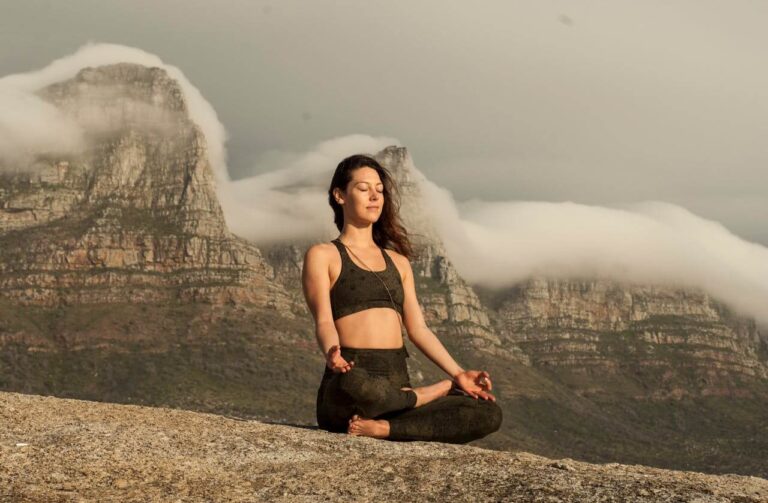
The best mindfulness examples are not complicated rituals reserved for quiet retreats or perfect mornings. They are small, practical moments that help you return to the present, soften mental noise, and reconnect with yourself during real life.
At Mindfulness Meditation Hub, we help people build mindfulness in a way that feels simple, supportive, and realistic. Whether you are new to meditation, trying to manage daily stress, or looking for guided practices you can use at home, mindfulness can become a steady part of your wellbeing routine.
What Mindfulness Really Means
Mindfulness is the practice of paying attention to the present moment with openness, curiosity, and less judgement. It is not about forcing your mind to be blank. It is about noticing what is happening inside and around you without immediately reacting.
That could mean noticing your breath before answering an email, feeling your feet on the floor during a stressful conversation, or taking one quiet moment before starting your day.
Mindfulness supports:
- Present moment awareness
- Emotional balance
- Better focus
- Stress management
- Self-awareness
- Mind-body connection
- A calmer response to daily challenges
The goal is not perfection. The goal is practice.
Why Daily Mindfulness Works Best
Many people think mindfulness requires long meditation sessions. Those can be helpful, but daily life offers countless opportunities to practise. In fact, small moments repeated often may be easier to maintain than one long practice that feels difficult to schedule.
A few mindful breaths before a meeting can change how you enter the room. Eating lunch without scrolling can change how you experience your body. Listening fully to someone can change the quality of your relationships.
These small habits build awareness over time.
Practical mindfulness examples You Can Start Today
If you are wondering where to begin, start with ordinary moments. Your breath, body, senses, meals, movement, and conversations can all become doorways into mindfulness.
Below are practical ways to bring mindful living into your day without needing special equipment or a perfect environment.
1. Mindful Breathing
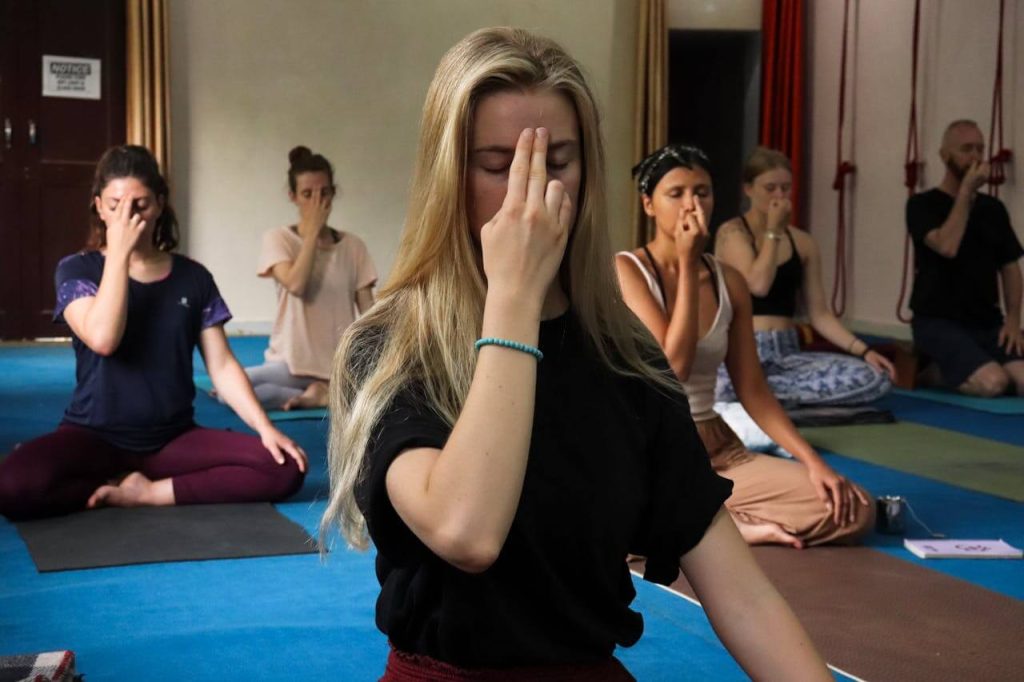
Breathing meditation is one of the easiest ways to begin. You can practise it anywhere: at your desk, in your car before going inside, or in bed before sleep.
Try this:
- Sit or stand comfortably.
- Inhale slowly through your nose.
- Notice the breath entering your body.
- Exhale gently.
- Repeat for one minute.
When your mind wanders, simply return to the next breath. That return is the practice.
2. The One-Minute Pause
A one-minute pause can help interrupt stress before it builds. This is especially useful during busy workdays, parenting moments, or emotionally charged situations.
Pause and ask yourself:
- What am I feeling right now?
- Where do I feel it in my body?
- What do I need in this moment?
- Can I respond instead of react?
This simple check-in creates space between stimulus and response.
3. Mindful Walking
Mindful walking turns movement into awareness. You do not need a long trail or quiet park. A hallway, sidewalk, or garden path is enough.
Notice:
- The feeling of your feet touching the ground
- The rhythm of each step
- The movement of your arms
- The air on your skin
- Sounds around you
These mindfulness examples can help bring attention back into the body when the mind feels busy or scattered.
4. Mindful Eating
Mindful eating helps you slow down and notice your relationship with food. It is not a diet. It is an awareness practice.
Before eating, take a breath. Notice the colour, smell, texture, and temperature of your food. Chew slowly. Put your fork down between bites. Notice when your body feels satisfied.
This practice can support gratitude, digestion awareness, and a kinder relationship with your body.
5. Body Scan Meditation
A body scan is a guided meditation practice where you move attention through different parts of the body. It can be helpful when you feel tense, disconnected, or mentally overwhelmed.
Start at your feet and slowly move upward:
- Feet
- Legs
- Hips
- Stomach
- Chest
- Shoulders
- Arms
- Neck
- Face
You do not need to change anything. Just notice sensation, tightness, warmth, pressure, or ease. This builds mind-body connection and self-awareness.
Mindfulness at Home
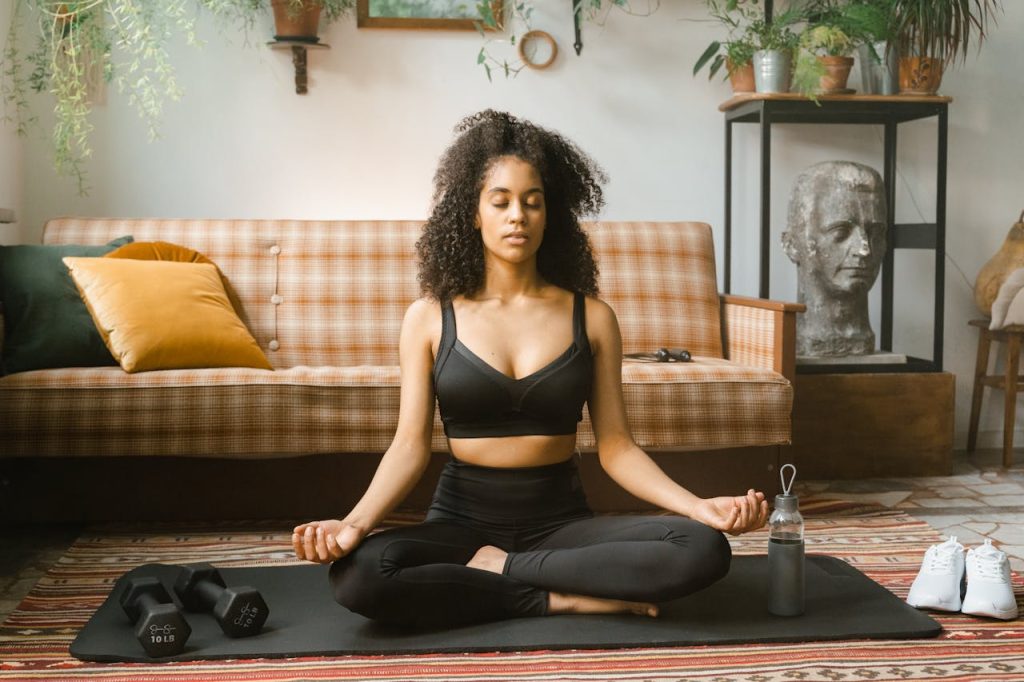
Home is one of the best places to practise because it is where daily patterns often happen automatically. You can bring awareness into tasks you already do.
Try Mindfulness While Cleaning
Instead of rushing through dishes or laundry, slow down. Notice the warm water, the movement of your hands, the sound of fabric, or the smell of soap.
A routine task becomes a grounding practice.
Try Mindfulness Before Screen Time
Before opening your phone, pause for one breath. Ask, “Why am I reaching for this?” Sometimes the answer is practical. Other times, it may be boredom, stress, or habit.
That moment of awareness gives you choice.
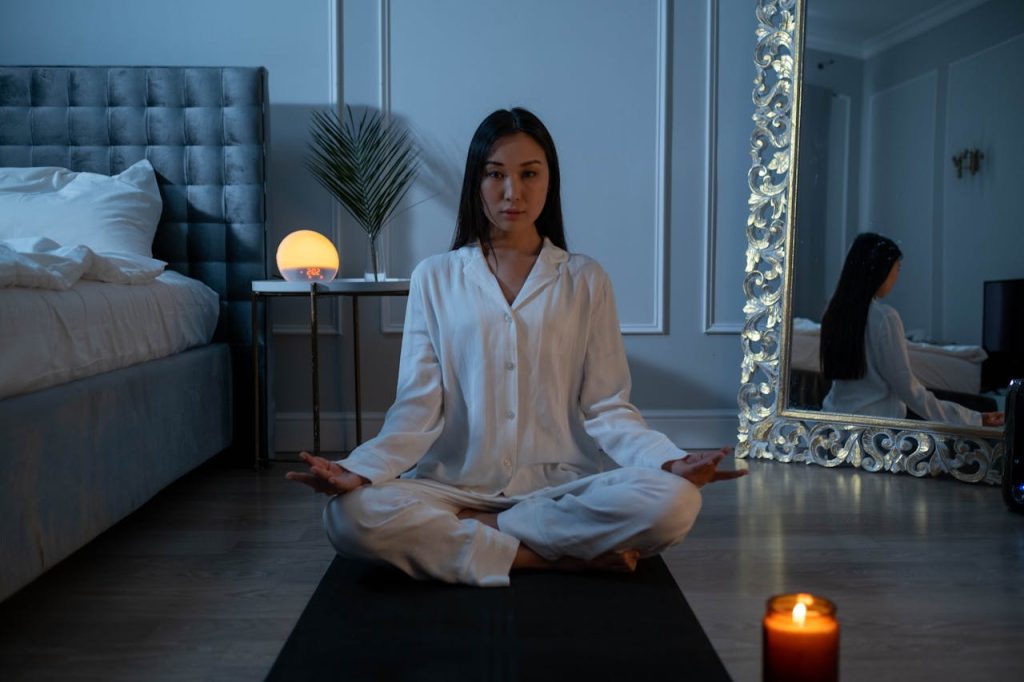
Try Mindfulness Before Sleep
At night, place one hand on your chest and one on your belly. Take five slow breaths. Let your body know the day is ending.
This can be used as part of a calming sleep routine, although it is not a substitute for medical care if sleep problems are severe or ongoing.
Mindfulness for Stress Relief
Stress often pulls attention into the future. You may worry about what could happen, what you need to do, or what you should have done differently.
Mindfulness brings attention back to what is happening now.
Use the 5-4-3-2-1 Grounding Practice
This practice is simple and effective when you feel overwhelmed.
Name:
- 5 things you can see
- 4 things you can feel
- 3 things you can hear
- 2 things you can smell
- 1 thing you can taste
This sensory reset helps the mind return to the present moment.
Use a Calming Phrase
Choose a gentle phrase and repeat it slowly:
- “I am here.”
- “This moment is enough.”
- “I can breathe through this.”
- “One step at a time.”
Words can become anchors when emotions feel strong.
Mindfulness for Emotional Wellness
Emotional wellness is not about avoiding difficult feelings. It is about meeting those feelings with more awareness and care.
When sadness, anger, anxiety, or frustration appears, mindfulness invites you to notice it without immediately becoming consumed by it.
Try saying:
“I notice anxiety is here.”
“I’m observing tension in my chest.”
“I notice my thoughts are moving quickly.”
This language creates space. You are not denying the feeling. You are relating to it with awareness.
Mindfulness in Relationships
Mindfulness can change how you listen, speak, and respond. Many conflicts grow because people react before they truly hear each other.
Try mindful listening:
- Put your phone away.
- Look at the person speaking.
- Let them finish before replying.
- Notice your urge to interrupt.
- Take one breath before answering.
This small shift can create more patience, compassion, and connection.
Meditation for Beginners
If you are new to meditation, start small. A five-minute guided meditation is often more useful than forcing yourself into a long session too soon.
Begin with:
- Breathing meditation
- Body scan meditation
- Loving-kindness meditation
- Gratitude meditation
- Simple sound awareness
- Guided relaxation
At Mindfulness Meditation Hub, our beginner-friendly resources are designed to help you build confidence without pressure. You can explore guided meditation, home meditation tools, online mindfulness support, and retreat inspiration at your own pace.
How to choose mindfulness examples That Fit Your Life
The most effective practice is the one you will actually use. Instead of trying to change your whole routine, attach mindfulness to habits you already have.
For example:
- Before coffee: take three breaths.
- During lunch: eat the first three bites slowly.
- While walking: notice your steps.
- Before replying: pause once.
- At bedtime: scan your body for tension.
This makes mindfulness feel natural rather than forced.
Common Mistakes to Avoid
Mindfulness becomes easier when you stop expecting it to feel perfect. Many beginners give up because they think wandering thoughts mean they are failing.
Avoid these common mistakes:
- Trying to empty the mind completely
- Judging yourself for feeling distracted
- Expecting instant calm every time
- Practising only when life feels peaceful
- Turning mindfulness into another task to “do right”
The mind will wander. The practice is gently coming back.

How Mindfulness Meditation Hub Can Support You
Mindfulness Meditation Hub offers practical resources for people who want calm, clarity, and a more grounded daily rhythm. Our support includes guided meditation sessions, meditation for beginners, online mindfulness resources, emotional wellness content, personal growth tools, and retreat guidance.
You do not need to wait for a perfect season of life to begin. Start with one breath, one pause, one moment of awareness.
If you are ready to deepen your practice, explore Mindfulness Meditation Hub’s guided meditations, mindfulness courses, home practice tools, and retreat inspiration. Let these mindfulness examples become the first step toward a calmer, more present way of living.
Related Topics
- What Is Mindfulness? A Complete Guide to Inner Peace and Focus
- Meditate Correctly: A Beginner-Friendly Guide to Mindfulness
- Mindfulness Stress Reduction Techniques to Calm Anxiety
- Living with Mindfulness: A Practical Guide to Daily Peace & Balance
- Mindful Meditation for Anxiety: A Complete Guide to Finding Calm
- Mindfulness for Overthinking: How to Calm Your Mind
- Mindful Sleep Exercise Techniques for Deep, and Stress Relief
- Mindfulness Stress Relief: Reduce Anxiety and Find Inner Calm
- Mindfulness Daily Life: Simple Habits to Reduce Stress
- Teach Mindfulness Meditation: A Complete Guide